



Discovering a bump on eyeball under eyelid can be a concerning experience for many. While some bumps are harmless, others may require medical attention to protect your vision and comfort. In this comprehensive guide, we explore the common causes, symptoms, and most effective treatment options to help you find clarity and relief.
What is a bump on eyeball under eyelid?
A bump on the eyeball or under the eyelid is usually a benign tissue growth. It often develops due to environmental factors or blockage of the oil glands. Depending on its location and appearance, it may be identified by different medical terms.
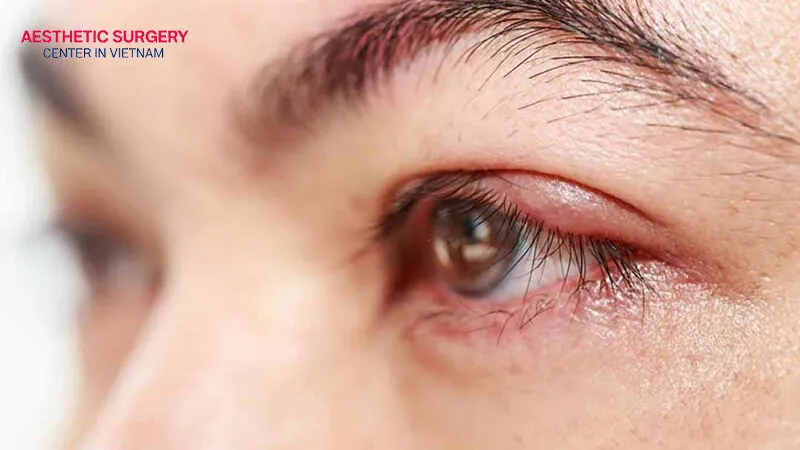
Below are the most common types of bumps you may encounter:
Bumps located on the eyeball
If you notice a raised spot on the surface of the eyeball, it is usually one of the following:
- Pinguecula: A yellowish or whitish bump that commonly appears on the white part of the eye (conjunctiva), near the nose. It is made up of protein, fat, or calcium deposits.
- Pterygium: A triangular-shaped fleshy growth that can extend from the corner of the eye onto the cornea. Pterygium often develops from pinguecula due to frequent exposure to sunlight, wind, and dust.
- Conjunctival cyst: A small fluid-filled sac on the surface of the eye. It is usually painless but may cause a foreign body sensation.
Bumps located under or inside the eyelid
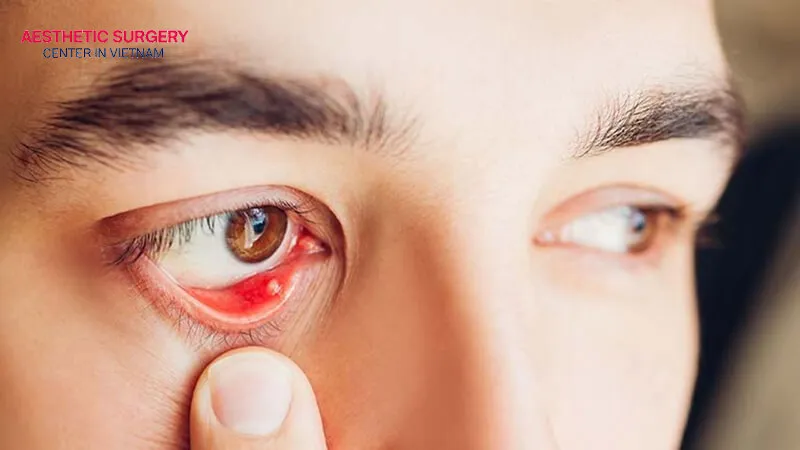
If the bump is found along the eyelid margin or within the tarsal plate, the most likely conditions include:
- Chalazion: A usually painless (or mildly painful at first) lump caused by blockage of the Meibomian oil glands. It is located deep within the eyelid and may last for several weeks or months.
- Stye: A red, painful swelling, often with pus at the base of the eyelashes, caused by a bacterial infection.
- Milia or fat deposits: Tiny white bumps around the delicate eye area, commonly related to the buildup of keratin or cholesterol.
>>> See more: Does eyelid tape work?
What causes a bump on the eyeball?
Understanding the causes of bumps in the eye area is the first important step in finding the right medical and aesthetic treatment. Below are the main factors that lead to the formation of these bumps, classified from medical and environmental perspectives.
Ultraviolet (UV) exposure and environmental factors
This is the most common cause of bumps that appear directly on the eyeball, such as pinguecula and pterygium:
- Sunlight exposure: Long-term exposure to UV rays alters the protein structure of the conjunctiva, leading to raised bumps.
- Chronic irritation: Wind, dust, and dry air cause ongoing eye irritation, prompting tissue overgrowth that results in fleshy bumps.
Blocked oil glands
There are hundreds of small oil glands under the eyelids that help keep the eyes moist. However, these glands can become blocked and form a bump on the eyeball under the eyelid. Two common types include:
- Mechanical blockage: When oil thickens or the gland opening is clogged by debris, the oil builds up inside and forms a chalazion.
- Improper makeup removal: Failing to thoroughly remove makeup products such as mascara, eyeliner, or heavy eye creams can clog pores and oil glands in the eyelid area.

Bacterial infection and inflammation
- Staphylococcus bacteria: This is the main cause of styes. The bacteria invade eyelash follicles or sebaceous glands, leading to acute inflammation, redness, swelling, and pus formation.
- Chronic blepharitis: Long-term inflammation along the eyelid margins creates favorable conditions for bumps to form more frequently.
Metabolic disorders and aging
- Cholesterol buildup: Flat yellowish bumps around the eyelids may indicate elevated blood lipid levels.
- Natural aging process: As age increases, connective tissues and the conjunctiva weaken, making them more prone to degeneration and the formation of fat pads or pinguecula.
Lifestyle habits
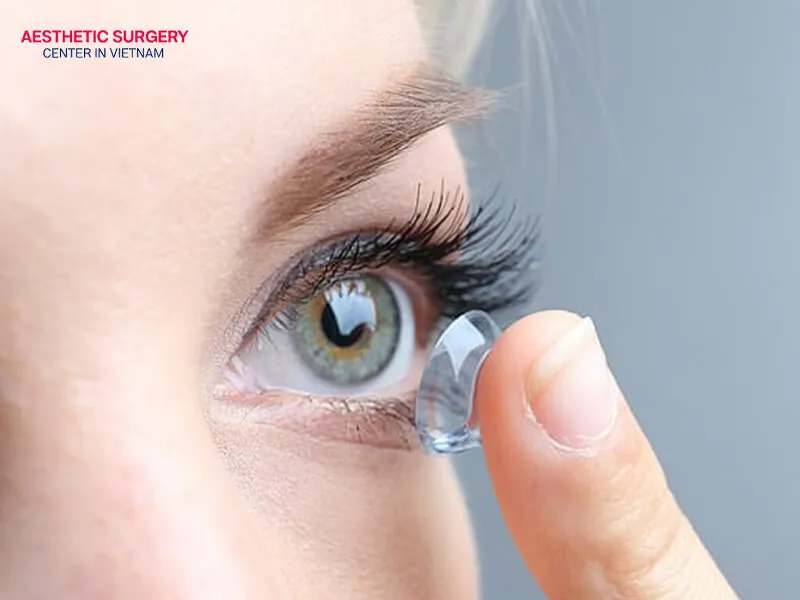
- Improper contact lens use: Poor lens hygiene or wearing contact lenses for extended periods can cause continuous irritation of the eyeball surface, leading to inflammatory bumps.
- Low-quality cosmetics: Harmful ingredients may trigger contact dermatitis, resulting in small bumps around the eyes.
>>> See more: Does blepharoplasty require general anesthesia?
How do I get rid of a bump on eyeball under eyelid?
Removing a bump on the eyeball under the eyelid depends entirely on the nature of the lesion. The treatment approach must prioritize safety and fast recovery to preserve the natural appearance of the eyes.
Below are some common methods used to effectively remove these bumps:
Medical and advanced aesthetic interventions
For well-developed bumps, external medical intervention is often necessary:
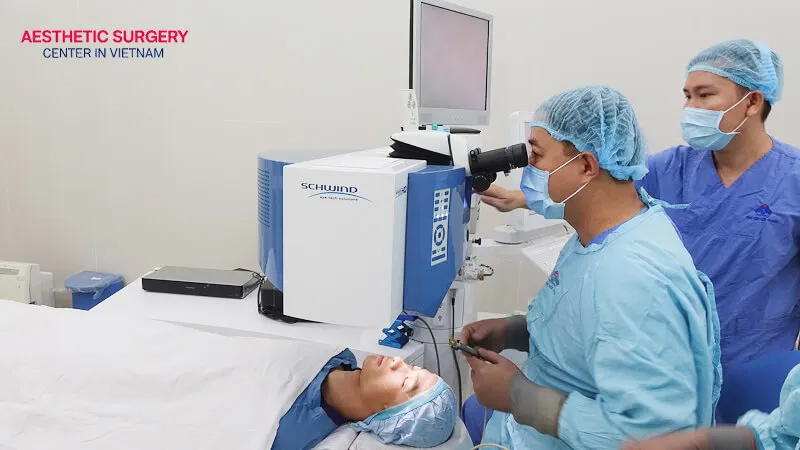
- Minor surgery: This method is commonly used for persistent chalazia or styes. The surgeon applies local anesthesia and makes a very small incision on the inner eyelid to remove the core or pus. The primary advantage of this procedure is that because the incision is hidden internally, there is no visible eyelid scar left on the surface of the skin.
- Pterygium removal surgery: For large pterygium or pinguecula that obstruct vision, the surgeon removes the lesion and may perform an autograft to prevent recurrence, restoring a clearer, whiter eye surface.
- Laser technology: This is often used to remove milia or xanthelasma around the eyelids. Laser treatment targets the bump precisely without bleeding and allows for very fast healing.
Medication-based treatment
Surgeons may prescribe medication when the bump is small, in the early stage, or caused by inflammation.
- Antibiotics and anti-inflammatory drugs: In the form of eye drops or ointments to reduce small styes or chalazia caused by bacteria.
- Corticosteroid injection: In some persistent chalazion cases, the surgeon may inject medication directly into the lump to reduce inflammation without surgery.
Home treatment methods (for early stages only)
- Warm compress: This is the “gold standard” for bumps caused by blocked oil glands such as chalazia or styes. A warm temperature of about 40–45°C helps dilate the oil glands and allows the contents to drain naturally. Apply for 10–15 minutes, 3–4 times a day. However, if the lump is large or painful, you should see a surgeon for proper examination and treatment to avoid worsening the infection.
- Eyelid hygiene with specialized solutions: Use eye-specific cleansing solutions to remove debris and bacteria around the eyelid margins.

In addition, it is extremely important that you do not squeeze or puncture eye bumps at home. The eye area has blood vessels that connect directly to the sinuses and brain, and infection from improper handling can lead to very serious complications.
How to prevent lumps on the eyeball under the eyelid?
A bump on the eyeball under the eyelid not only affects appearance but can also impact vision and daily activities. Therefore, in addition to treatment, prevention is essential to keep these lumps from returning. Below are some effective prevention methods for your reference.
Protect your eyes from environmental factors
Ultraviolet rays and dust are the main causes of bumps on the eyeball, such as pterygium and pinguecula.
- Wear certified sunglasses: Always wear sunglasses with UV protection when going outdoors, even on cloudy days.
- Use protective eyewear: If you frequently ride a motorcycle or work in dusty or smoky environments, use windshields or protective goggles to prevent foreign particles from irritating the conjunctiva.

Establish a proper medical-grade eye hygiene routine
Keeping the oil glands in the eyelids clear is the best way to prevent bumps from forming.
- Thorough makeup removal: You should use eye-specific makeup removers to completely remove mascara and eyeliner every night. Residual cosmetic buildup is one of the leading causes of eye lumps.
- Eyelid margin hygiene: Use a cotton swab soaked in saline solution or a specialized eye-cleaning solution to gently clean along the lash line daily.
Change daily habits
- Do not touch your eyes with dirty hands: Never rub your eyes with unclean hands, as they carry many bacteria that can cause infections of the tear glands and eyelash follicles.
- Replace eye makeup regularly: Mascara and eyeliner should be replaced every three months. Never share eye makeup with others, as this can lead to cross-contamination.
- Use artificial tears: If you work long hours on a computer or stay in air-conditioned rooms, use preservative-free artificial tears to keep the eye surface moist and prevent irritation that may lead to tissue overgrowth.

Eye-friendly diet
- Add omega-3: Foods rich in omega-3, such as salmon and flaxseeds, help improve the quality of oil produced by the eyelid glands and reduce the risk of blockage.
- Drink enough water: Adequate hydration helps maintain the natural moisture of the eye surface and limits the formation of lumps.
A bump on eyeball under eyelid is usually a benign condition but can quietly affect appearance. However, there is no need to worry, as many fast and effective treatments are available. Most importantly, the key lies in proactive prevention through proper eye hygiene and daily eye protection. Always listen to your body and take good care of your eyes to maintain a bright, healthy appearance.
>>> See more: Can you put neosporin on your eyelid?

















Comment on the post