


Everyone desires a refined, harmonious nose after surgery. However, once you leave the operating room, daily activities-even the most mundane ones-can become a source of concern alongside your diet. One common but rarely discussed question is: “Will talking after rhinoplasty cause displacement or affect the wound?” This article provides a detailed guide to address those concerns.
Can you talk after nose surgery?
The answer is yes. You can absolutely engage in talking after rhinoplasty. However, it must be done with moderation and caution, especially during the first 48 to 72 hours.
In reality, gentle communication does not directly endanger the internal cartilage structure. However, when we speak, the facial muscles, upper lip, and jaw move continuously. If you talk too much, too loudly, or laugh excitedly, these movements stretch the skin under the nose and pull on the sutures. This can cause pain, increase the risk of bleeding, or delay the healing process.

When can you start talking after rhinoplasty?
Technically, you can begin talking after rhinoplasty as soon as the anesthesia wears off and you feel alert. To ensure absolute safety for your new nose shape, aesthetic experts divide the process into these key milestones:
- The first 24–48 hours: This is the “golden” period for rest. You should minimize talking after rhinoplasty to the greatest extent possible, using only short sentences or gestures when necessary. Excessive jaw and upper lip movement during this time can increase pressure on the stitches, causing pain or increased swelling.
- Day 3 to day 7: Once the pain has subsided and the nasal splint is more stable, you can talk normally but should still maintain a gentle tone. Most importantly, avoid strong facial expressions like loud laughing, opening your mouth too wide, or speaking too fast, as the soft tissues are still knitting together.
- After suture removal (Approx. 7–10 days): At this stage, the nasal structure is relatively defined, and you can feel more confident while communicating. However, being “reserved” in how you speak and laugh remains a good habit until the nose is completely stable after about one month.
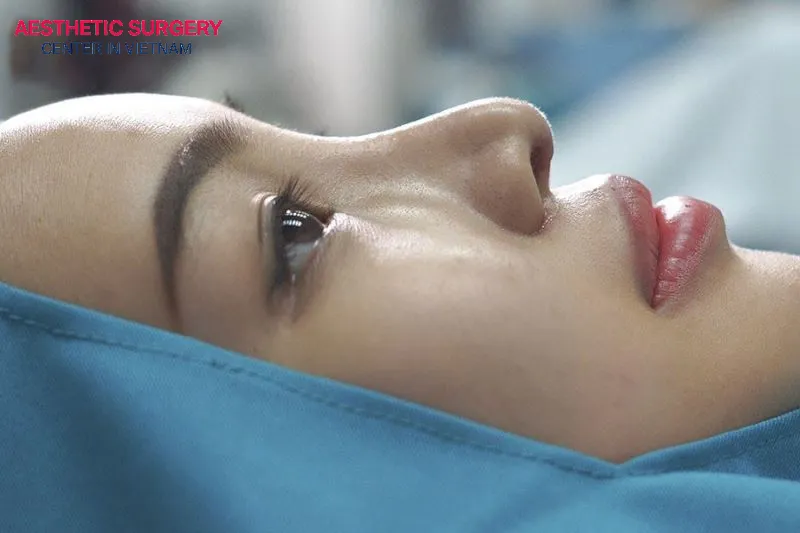
By keeping these milestones in mind, you can rest assured that you don’t need to “cut off” the outside world; just prioritize speaking less and softly during the first week for ideal recovery.
When can you resume normal facial movements?
Generally, you can comfortably resume normal facial movements about 4 to 6 weeks post-surgery. This is the period when soft tissues have bonded firmly with the new cartilage, internal wounds have healed, and the nose shape is stable enough to handle the pulling of facial muscles.
To ensure safety, the process follows these stages:
- First 2 gratuitous weeks: Maximum control over strong expressions is required. Laughing loudly, frowning, scrunching your nose, or opening your mouth too wide while eating or talking after rhinoplasty can strain sutures or cause cartilage shifting.
- Weeks 3 to 4: Gentle movements can be performed more naturally, but avoid physical activities that vibrate the facial muscles.
- After 3 months: The nasal structure reaches its highest durability. You can speak, laugh, sneeze, or perform facial exercises without worrying about deformation.

Tips for optimal recovery after rhinoplasty
Post-operative care accounts for 30% of the success of your surgery. Follow these tips to help your nose settle into form quickly:
- Elevate your head: Use 2–3 pillows to keep your head higher than your heart for the first 3–5 days to reduce swelling.
- Sleep on your back: Maintain this position for 2–4 weeks to prevent accidental pressure on the nose.
- Rest: Dedicate at least 48 hours to full recovery.
- Cold compress: Use a dedicated pack or ice wrapped in a soft cloth around the nose (avoiding the wound) for the first 48 hours.
- Warm compress: Switch to warm compresses after swelling subsides to clear bruising.
- Hygiene: Use a cotton swab with 0.9% saline (NaCl) to gently clean discharge and scabs daily.
- Keep it dry: Do not let plain water touch the nose or splint during the first week.
- Protect the splint: Only remove the splint and bandages as directed by your doctor (usually after 7–10 days).
- Nutrition: Eat lean pork, grains, and tofu for tissue regeneration. Drink pineapple or papaya juice to reduce inflammation.
- Foods to avoid: Stay away from water spinach, beef, seafood, sticky rice, spicy foods, and stimulants (alcohol, tobacco) for at least 1 month.
- Avoid wear glasses after rhinoplasty: The weight of frames can dent the bridge. Use contact lenses or tape the frames to your forehead.
- Facial precautions: Avoid sneezing through the nose (sneeze through your mouth) and do not blow your nose for 2 weeks.
- Limit exercise: No gym, swimming, or running for the first month.
>>> See more: How to sleep after rhinoplasty?

Emotional considerations when talking after rhinoplasty
Nose surgery is not just a physical change but a psychological journey. Talking after rhinoplasty in the early days can bring unexpected emotional pressures:
- Feeling “helpless”: Rhinoplasty swelling stages and splints may cause a temporary lisp or nasal voice. Advice: Accept this as temporary and keep your facial muscles relaxed.
- Sensitivity to gazes: You might worry people are staring at your bandages rather than listening to you. Advice: You have the right to decline unnecessary conversations.
- Pressure to hide emotions: Fear of crying or laughing (and thus affecting the nose) can cause internal stress. Advice: Release emotions gently through writing or music, and use texting instead of talking after rhinoplasty to avoid intense expressions.
- Invisible fear: Some fear that every word or smile will “ruin” the expensive surgery. Advice: Trust your surgeon’s technique; gentle talking will not damage the results.
- Dealing with opinions: People may comment on your nose while it is still swollen. Advice: Remember that the current look is not the final result.
In summary, talking after rhinoplasty is not a barrier to connecting with the world, provided you do so intelligently and carefully. By listening to your body and following professional advice, you will protect your beautiful new nose and ensure a smooth recovery.
















Comment on the post