


Broken nose rhinoplasty helps restore the nose after injury. It improves breathing and brings back a natural appearance. In this article, you will learn about the procedure, benefits, and rhinoplasty broken nose cost so you can prepare with confidence.
Understanding a broken nose
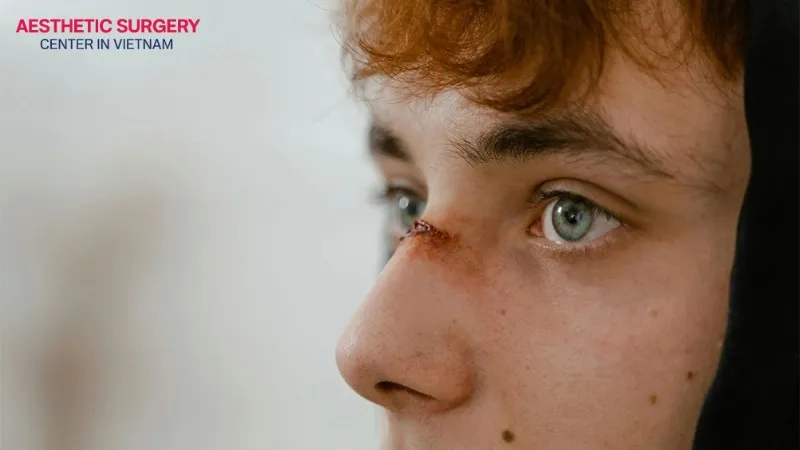
According to the Mayo Clinic, a broken nose (also called a nasal fracture) is a crack or break in one of the bones of the nose. The bridge of the nose, which is the most prominent part, is the most commonly injured area.
Signs of a broken nose
Common signs of a broken nose include:
- Pain or tenderness, especially when touched
- Swelling in and around the nose
- Nosebleeds
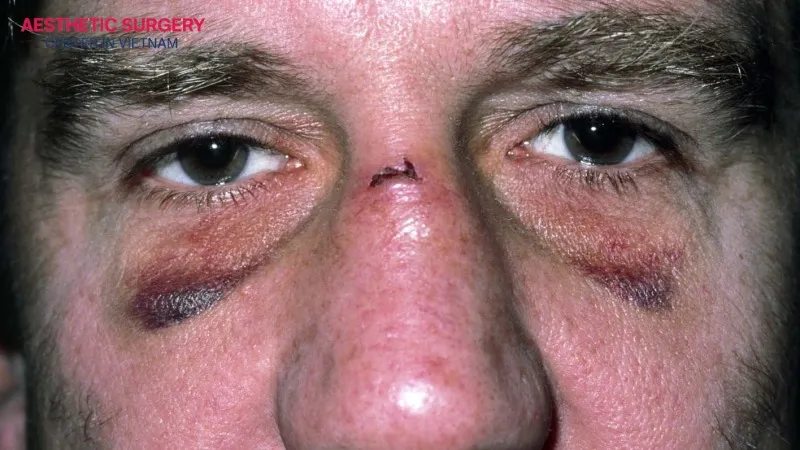
- Bruising around the nose or eyes
- A crooked or deformed appearance
- Difficulty breathing through the nose, feeling blocked
- Mucus discharge from the nose
- A cracking or crunching sound when touched, as if the bone is unstable
- A feeling of blockage on one or both sides of the nose
In general, if your nose is painful, swollen, looks misaligned, and breathing becomes difficult, it may be broken and should be checked as soon as possible.
Causes of a broken nose
A broken nose usually happens when the nose receives a strong direct impact. This force can crack or break the nasal bones and may also shift the nasal septum, which is the structure in the center of the nasal cavity.
Common causes include:
- Traffic accidents
- Being hit during fights or physical altercations
- Sports injuries such as football, basketball, baseball, or martial arts (for example, an elbow to the nose)
- Falls, especially from height or due to slipping
- Accidents during recreational activities such as horseback riding or jet skiing
In simple terms, any situation where the nose takes a strong hit can lead to a broken nose.
How is rhinoplasty performed?
Step 1: Consultation and surgical planning
Before surgery, you will meet with the surgeon for an examination and consultation. The surgeon will assess your nasal structure, facial balance, and breathing function. Instead of using computer simulations, the surgeon will draw directly on a nasal diagram to explain the planned changes, such as bridge augmentation, tip refinement, or airway improvement. This helps you better visualize the results and feel more confident before surgery.
Step 2: Anesthesia
You will be placed under general anesthesia, so you will be asleep throughout the procedure and will not feel any pain or discomfort.
This also allows the surgeon to perform the operation with greater precision and safety.
Step 3: Incision creation
Depending on the case, the surgeon will choose the most suitable technique:
- Open rhinoplasty – Often used for complex cases: A small incision is made between the nostrils, allowing better visibility of the internal structures
- Closed rhinoplasty – Often used for simpler cases: Incisions are made inside the nose, so there is no visible external scarring
Step 4: Reshaping the nose and nasal tip
After creating the incision, the surgeon will adjust the nasal bones and cartilage, which may include:
- Straightening or smoothing the nasal bridge
- Reducing width if the nose appears wide
- Correcting a deviated septum
- Adding cartilage to create a more defined and stable shape
The nasal tip requires careful refinement. The surgeon will reshape it to be more balanced, refined, and natural-looking. Whether the changes are subtle or significant, this step helps create better facial harmony.
Step 5: Closing the incision
Once the procedure is complete, the surgeon will close the incisions using fine sutures to minimize scarring and support proper healing.
Step 6: Nasal splint and aftercare
Finally, a nasal splint is applied to maintain the new shape and protect the nose during the initial healing phase. If needed, internal splints may also be placed for additional support. You will then be monitored and given detailed aftercare instructions to ensure a safe and smooth recovery.
Benefits of rhinoplasty for a broken nose
Rhinoplasty (also known as a nose job or nasal surgery) helps correct displaced bones and cartilage, restoring the normal structure and function of the nose after injury.
The benefits of broken nose rhinoplasty include:
- Restore nasal structure: After trauma, nasal bones and cartilage may heal in a misaligned position. Surgery is not only for aesthetics but mainly to reposition everything correctly. This helps the nose become more stable and prevents worsening deformities over time.
- Improved breathing: One of the most noticeable benefits is better breathing. After a fracture, the nose may develop a deviated septum or internal blockage, making it hard to breathe. After correction, you may notice:
- Easier breathing, even during physical activity
- Better sleep quality
- Reduced snoring
- No more persistent nasal congestion
- Better sinus health: When airflow improves, sinus pressure, sinus infections, and headaches can be significantly reduced. Many patients no longer need frequent medications after surgery.
- Prevention of long-term complications: If a misaligned nose is not treated early, it can lead to inflammation, facial pain, or severe nasal blockage. Early correction helps stabilize the nose, improve overall health, and prevent future complications.
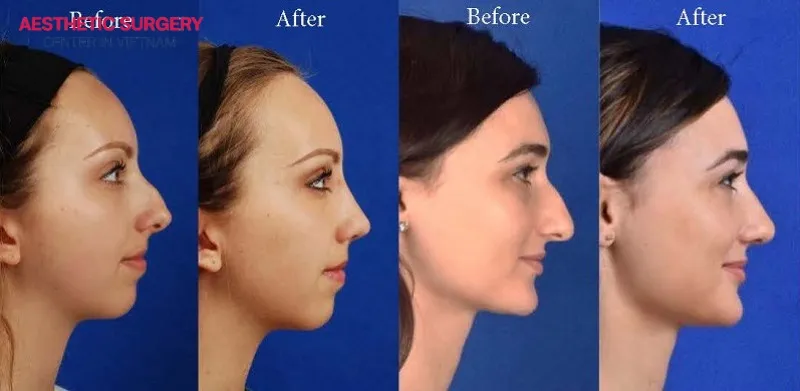
How much does a nose job cost to fix a broken nose?
According to the American Society of Plastic Surgery, the average cost of rhinoplasty in the U.S in 2025 is around $7,637. In Vietnam, the rhinoplasty broken nose cost is significantly lower, typically ranging from 10,000,000 to 100,000,000 VND, depending on the technique, facility, and surgeon’s experience.
This cost usually includes:
- Surgeon’s fee
- Anesthesia fee
- Operating room and medical staff costs
- Post-operative care, including follow-up visits and medications
Additional costs may include pre-surgery medical tests, post-surgery support items, or specialized prescriptions.
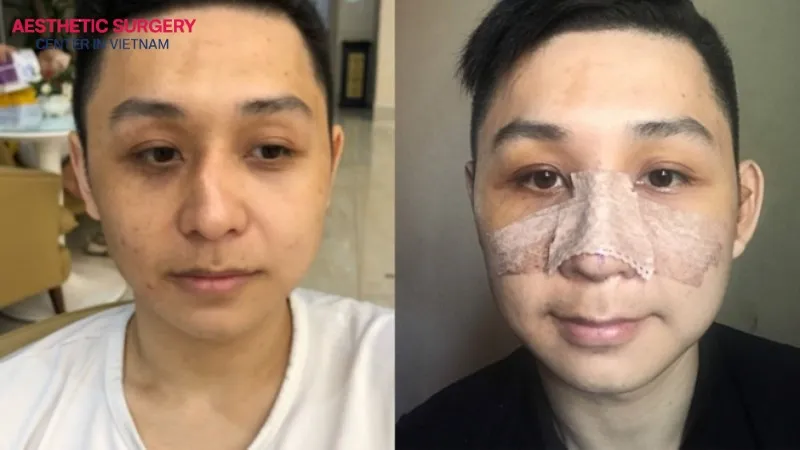
The rhinoplasty procedure
Stage 1 – Before surgery
You will have an initial consultation with the surgeon to assess the level of injury, swelling, bruising, misalignment, or nasal blockage, as well as any related injuries.
The surgeon may recommend X-rays or a CT scan to better understand the bone and cartilage structure and plan the appropriate treatment. You will also receive pre-surgery instructions, such as fasting, avoiding blood-thinning medications, and arranging support after surgery for a smoother recovery.
Stage 2 – During surgery
The procedure is performed under general anesthesia, so you will be fully asleep and feel no pain or discomfort. The surgeon will reposition the nasal bones and cartilage, making incisions inside or outside the nose if needed.
Rhinoplasty techniques may be used to restore both function and appearance, creating a balanced and natural look. If necessary, splints or nasal packing will be placed to stabilize the nose and reduce swelling. The stabilization period typically lasts about 6–8 weeks to ensure proper healing.
Stage 3 – After surgery
In the early stage, you should rest, avoid blowing your nose or any impact, and follow all post-operative care instructions.
Rhinoplasty swelling stages and bruising will gradually decrease over a few weeks, and the results will become more visible over time. Attending follow-up appointments is important so the surgeon can monitor healing and make adjustments if needed.
Full recovery may take several months, but with proper care, your nose will return to normal in both function and appearance.
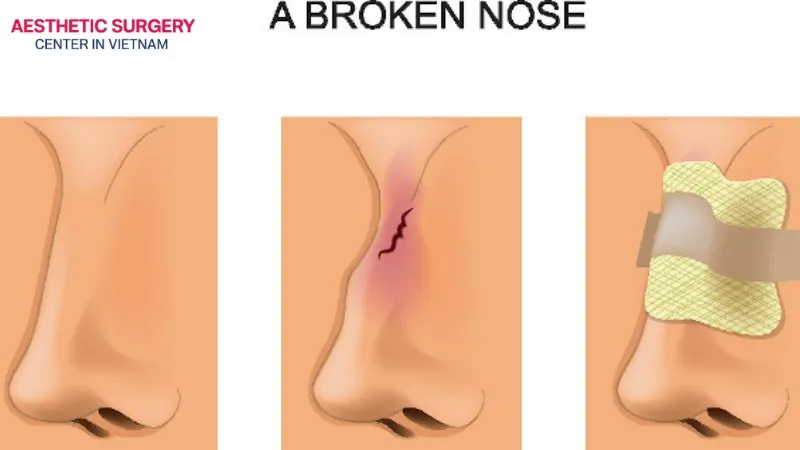
What is recovery from surgery like?
After surgery, you may experience nasal congestion, swelling, and mild discomfort. This is a normal response as your body begins to heal. Breathing may feel more difficult at first due to swelling, but it will gradually improve.
In the early stage, you should rest and avoid strenuous activities, heavy exercise, or lifting heavy objects to support proper healing.
In most cases, nasal packing is not used after surgery. Avoiding packing helps reduce pain and minimizes discharge, making the recovery process more comfortable.
Recovery from broken nose rhinoplasty can take several months. After about one month, you will notice clearer breathing and improved comfort.
However, if you experience any of the following symptoms, contact your surgeon immediately:
- Persistent bleeding
- Excessive swelling
- Difficulty breathing or abnormal breathing
- Severe headaches
These signs should be checked early to prevent complications.
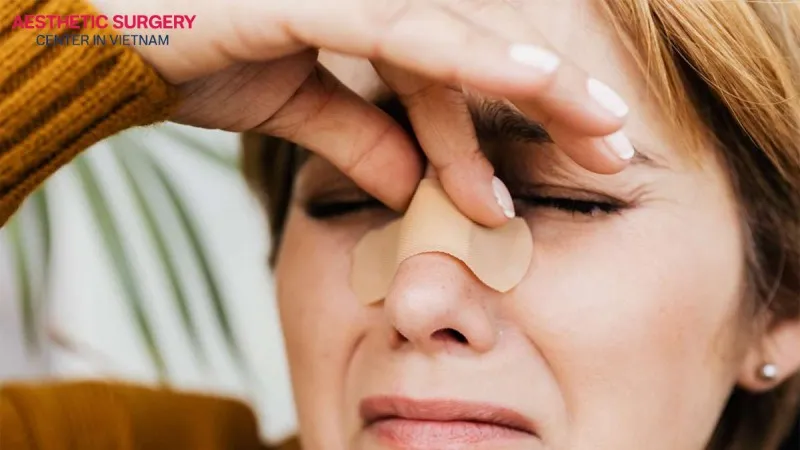
What are the side effects of a broken nose?
Broken nose rhinoplasty is generally safe, but like any surgery, it may involve some risks or side effects. These can be short-term or longer-lasting, depending on the individual.
Common side effects (mild and temporary): These are typical after surgery and usually improve on their own:
- Mild nosebleeds
- Swelling and bruising around the nose and eyes
- Pain or discomfort
- Nasal congestion or difficulty breathing
- Mild nausea from anesthesia
Possible complications to watch for: Less common but more serious conditions that require close monitoring:
- Infection
- Hematoma (blood collecting inside the nose)
- Septal perforation
- Persistent breathing difficulties
- Reduced or altered sense of smell and taste
- Thick or raised scars
- Numbness or changes in nasal sensation
- Temporary numbness in the front teeth
- Unsatisfactory aesthetic results, which may require revision rhinoplasty
Rare but serious risks
- Tissue necrosis (severe tissue damage that does not recover)
- Weakened nasal structure leading to collapse or deformity
- Implant exposure if grafts or implants are used
- Narrowed airway causing breathing problems
Important note
Most post-surgical issues are mild and will gradually improve over time. However, without proper monitoring and care, some complications may lead to long-term effects. Therefore, attending follow-up appointments and strictly following your surgeon’s aftercare instructions are essential to reduce risks and ensure a safe and smooth recovery.
How does this surgery differ from septoplasty?
Although both are nasal surgeries, their purposes and techniques are completely different:
| Criteria | Septoplasty | Rhinoplasty for a broken nose |
| Purpose | Correct a deviated septum to improve breathing and nasal function | Enhance appearance or reshape the nose; may slightly improve breathing |
| Surgical scope | Inside the nose only, does not change external appearance | Inside and/or outside the nose, changes shape, size, and proportions |
| Anesthesia | Usually local or general anesthesia; simpler and shorter | Can be general or local anesthesia; longer and more complex |
| Surgery duration | 30–60 minutes | 1.5–3 hours (depending on the extent of correction) |
| Postoperative appearance | Usually no change in appearance, no visible scars | Noticeable change in nose shape; small scars that fade, open rhinoplasty may leave a tiny scar at the columella |
| Main outcome | Improves breathing function | Improves aesthetics and may also improve function |
Broken nose rhinoplasty address in Vietnam
If you are looking for a trusted clinic for broken nose rhinoplasty in Vietnam, especially for cases caused by trauma or post-accident deformities, Aesthetic Surgery Center in Vietnam is a reliable option to consider.
The hospital offers a modern 5-star standard environment, combining aesthetic and dental services in one facility, with sterile operating rooms and advanced equipment imported from the UK, France, Korea, and Germany.
It is known for its expertise in structural rhinoplasty, an ideal solution for treating broken or damaged noses:
- Uses high-quality materials such as Surgiform ePTFE, Nano US implants, combined with autologous cartilage (septal and ear cartilage) to rebuild the nasal bridge, refine the tip, correct deviation, reduce nostril width, and create a natural S-line shape.
- Effectively addresses common issues such as a dorsal hump, depression, deviation, or a short upturned tip, restoring both aesthetics and breathing function.
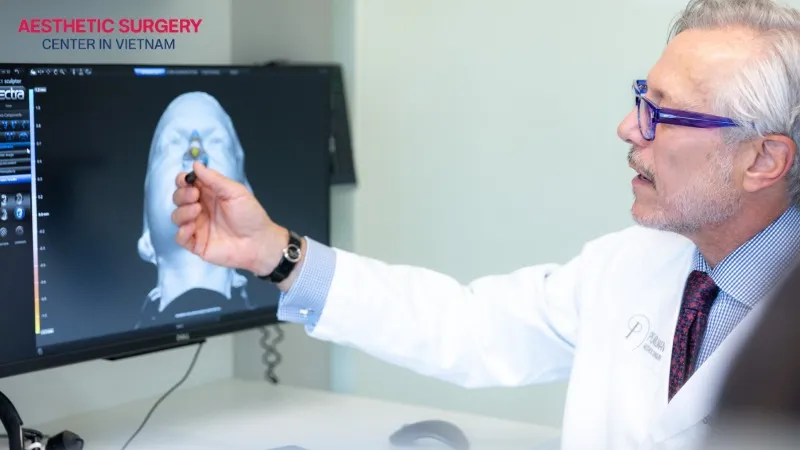
- Personalized procedures based on 3D analysis to ensure maximum safety and reduce risks such as implant visibility, contracture, or long-term complications.
The hospital also provides real before-and-after results of successful structural rhinoplasty cases, helping you better visualize expected outcomes. Contact the hotline (+84) 916 189 447 for a free consultation and to schedule your appointment today.
Broken nose rhinoplasty before after photos
Take a look at real before-and-after photos of broken nose rhinoplasty to clearly see the difference in nasal shape and recovery results:
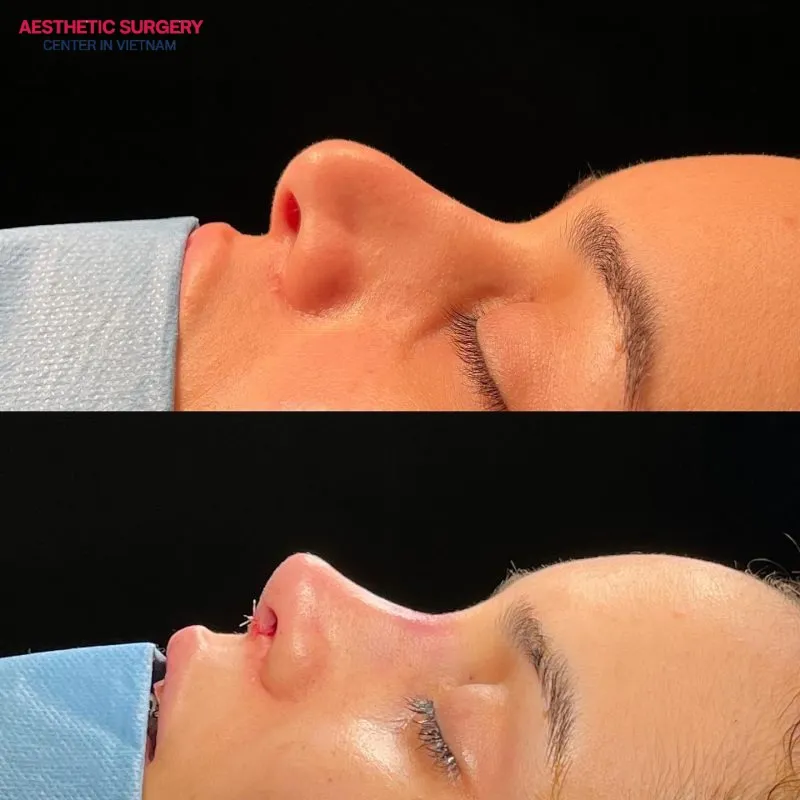
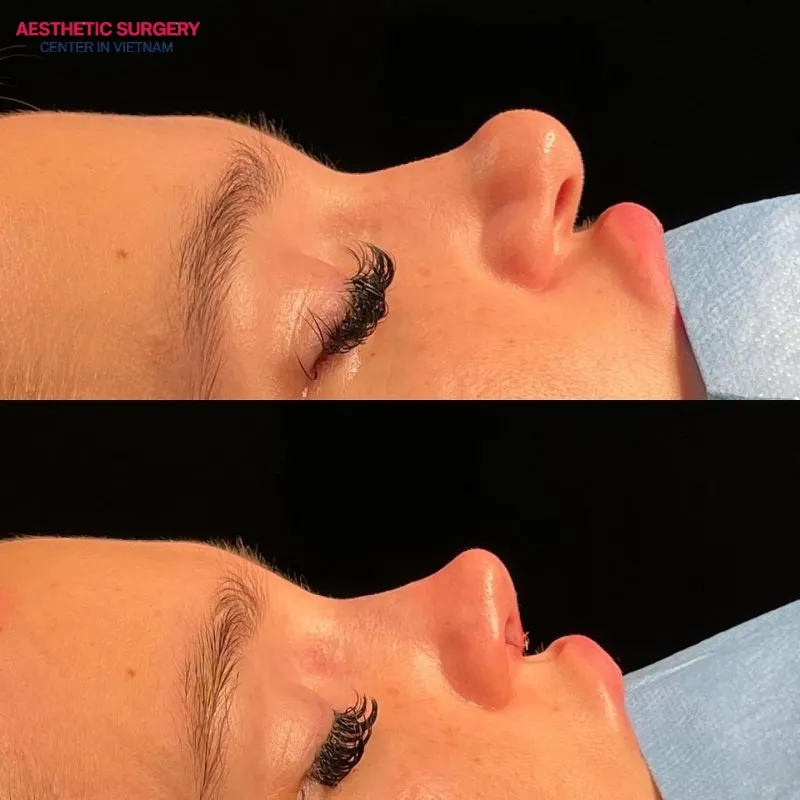
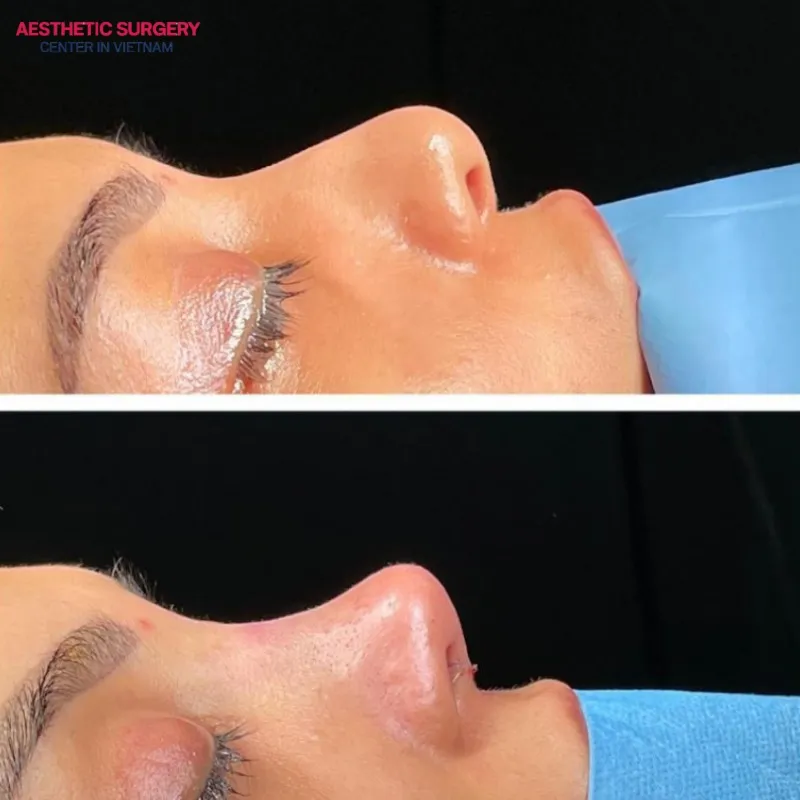
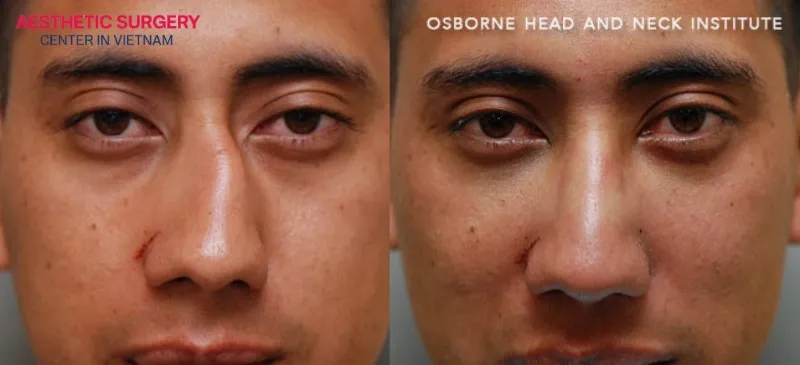
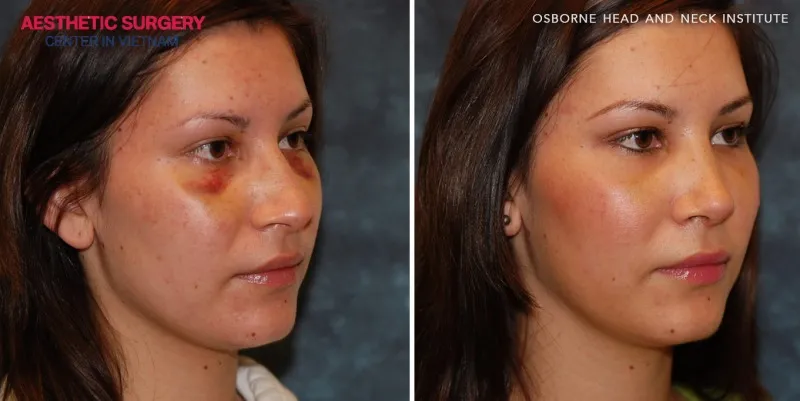
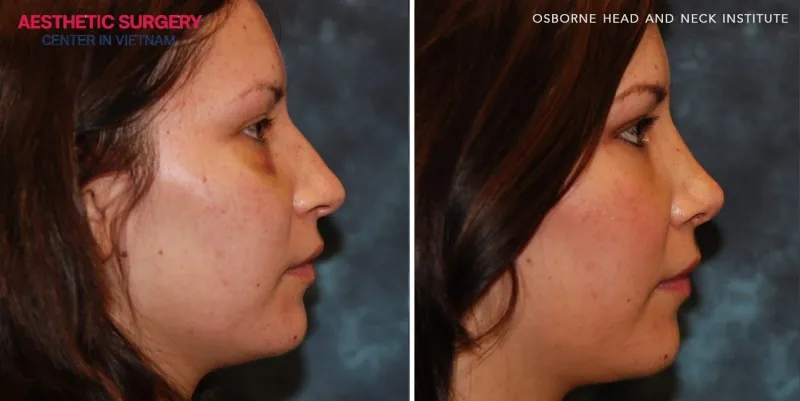
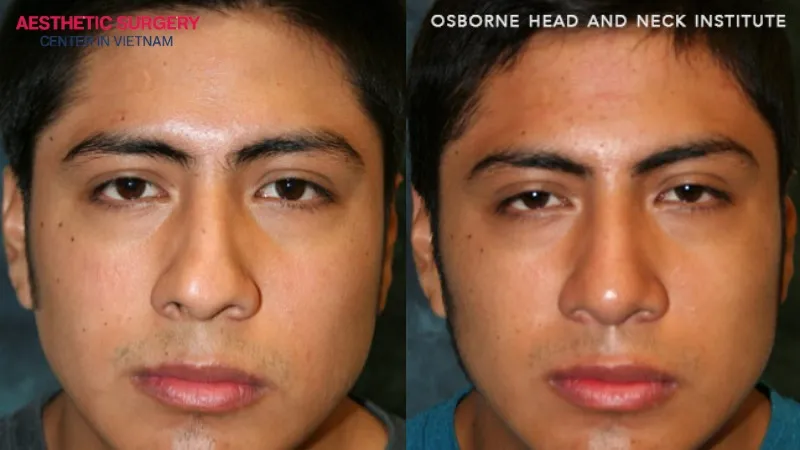
Broken nose rhinoplasty not only creates a straight, balanced nose but also improves long-term breathing function. Following aftercare instructions and attending regular follow-ups will ensure a safe, smooth recovery and long-lasting results. If you are considering this procedure, consult a qualified surgeon to choose the most suitable approach.

















Comment on the post