



Botox injections have long been one of the most popular aesthetic treatments, helping maintain a youthful appearance without surgery. However, besides the noticeable benefits, many individuals worry and ask, “can botox cause eye twitching?” Is this a serious complication or just a temporary reaction? If you share the same concern, let’s explore the details in the article below.
Can botox cause eye twitching?
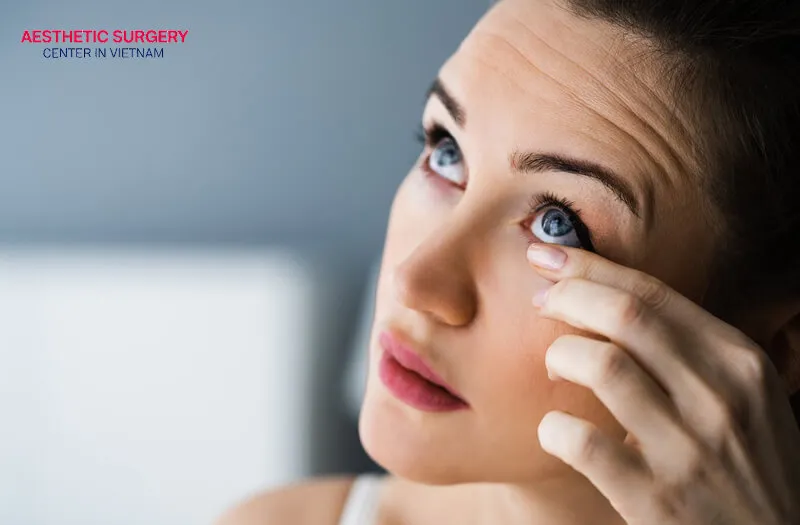
The answer to the question “can botox cause eye twitching” is yes. After botox injections, some individuals may experience eye twitching, including frequent eyelid spasms or uncontrolled blinking. However, this condition is only temporary. It usually appears within 3 to 7 days after the procedure and then gradually resolves on its own.
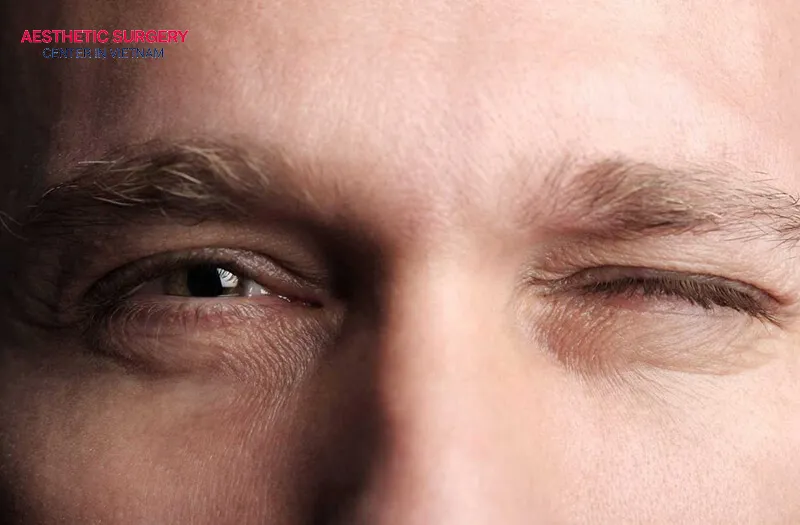
Why is my eyelid twitching after Botox?
Eyelid twitching after botox injections can make you feel worried. However, this is often the result of how the active substance interacts with the neuromuscular system. Below are some common reasons that help explain this condition.
Compensatory effect of muscle fibers
Botox relaxes the targeted muscle groups, such as the orbicularis oculi muscle to reduce crow’s feet. When these muscles are inhibited, nearby muscles or opposing muscle groups may compensate to maintain facial expressions. This sudden adjustment can cause small muscle spasms, which appear as mild eyelid twitching.
Diffusion of the active substance
After injection, botox may spread from the original injection site to surrounding areas. If the substance affects the nerves that control the eyelid elevator or the orbicularis oculi muscle unevenly, it can create unstable nerve signals, leading to temporary twitching.
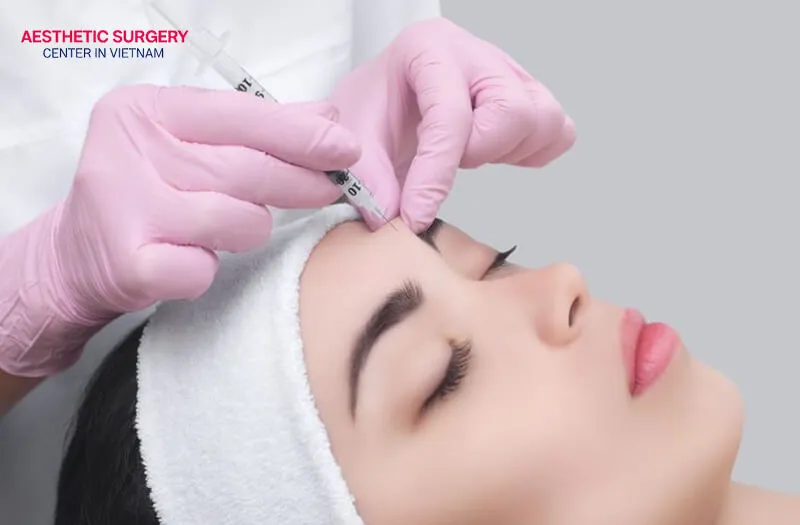
Botox absorption process
The body needs time to adapt to botulinum toxin. During the first 3 to 7 days, the drug concentration is in the initial phase of blocking nerve junctions. The transition from muscle activity to relaxation does not happen immediately. It may go through a mild stimulation phase, which can cause frequent eyelid blinking.
Common Side Effects of Botox for Eye Twitching
In addition to learning whether botox can cause eye twitching, understanding the broader range of botox side effects related to this cosmetic procedure is also important. Being aware of these signs helps you better monitor your recovery process and ensures you can seek professional advice if any unusual symptoms arise.
Eyelid drooping
This is one of the most common complications and often causes concern. It occurs when botox spreads to the levator muscle of the upper eyelid, resulting in a droopy eye after botox treatment. This causes the eyelid to sag, making the eyes look tired or difficult to open fully; however, in most cases, this condition improves on its own within 2 to 4 weeks.
Dry eyes or excessive tearing
Botox can temporarily affect the orbicularis oculi muscle, reducing the natural blinking rate. This makes the eye surface and the edges of the eyelids dry and more prone to irritation, often causing a gritty or uncomfortable sensation. In contrast, in some cases, the body may respond by producing more tears to compensate for this lack of moisture.
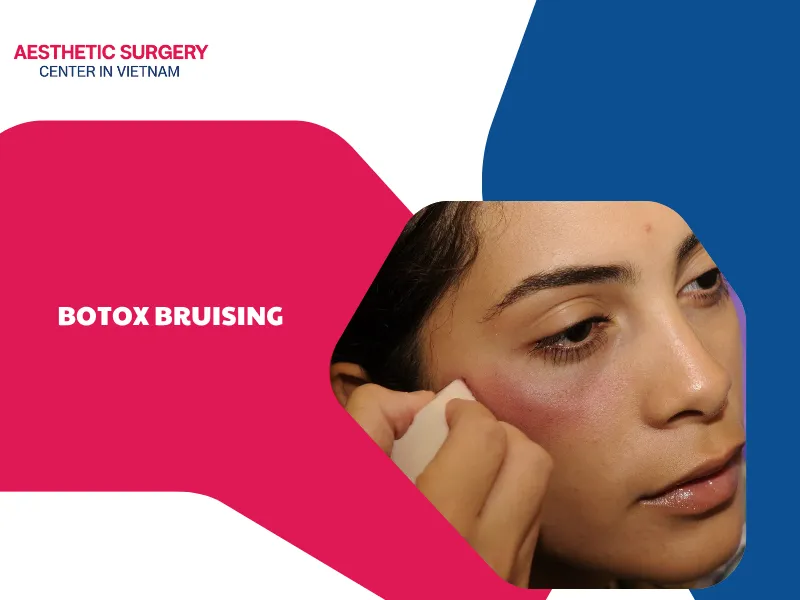
Mild swelling and bruising
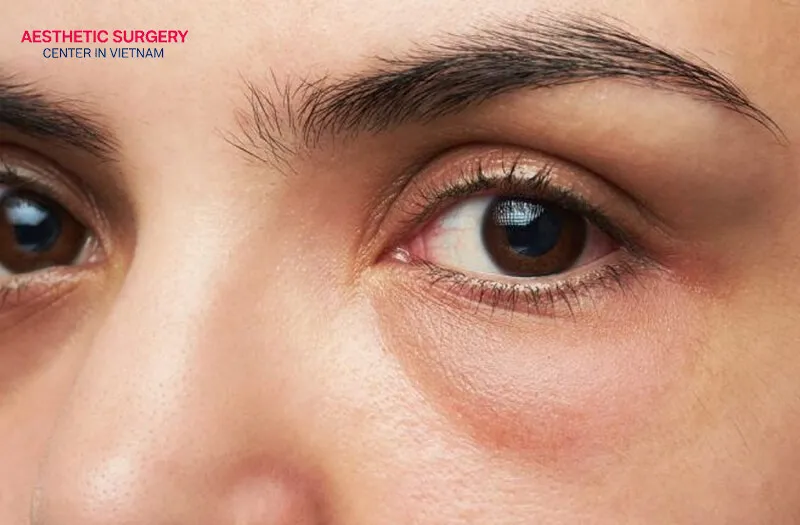
Because the skin around the eyes is very thin, minor blood vessels can be affected during the injection process, leading to mild bruising and swelling. However, with proper care, these symptoms usually subside and disappear within 5 to 7 days.
Eyebrow asymmetry
If the botox dosage is not evenly distributed on both sides, one eyebrow may appear higher or lower than the other, which can also lead to the appearance of uneven eyelids. This can make facial expressions look less natural and affect overall facial symmetry.
What to do if you experience eye twitching after botox?
When you notice eyelid twitching after botox injections, the most important thing is to stay calm. In most cases, this is only a temporary reaction of the body. However, to manage it effectively and ensure safety, you should follow the steps below.
Be patient and monitor for 2 weeks
Botox usually takes about 10 to 14 days to fully settle into the muscles. During the early stage, the muscle fibers are adjusting to the inhibited nerve transmission, which can cause mild twitching. Therefore, this discomfort will resolve on its own without medical intervention once the product has fully stabilized.
Avoid strong pressure on the eye area
- Do not massage: Avoid rubbing or massaging the eye area in an attempt to reduce twitching. This can cause botox to spread to surrounding healthy muscles, making the condition worse or leading to eyelid drooping.
- Limit excessive facial expressions: Allow your facial muscles to rest. Avoid squinting or raising your eyebrows too forcefully during the first few days.
Temporarily adjust your diet and daily habits
- Reduce caffeine: Coffee and strong tea can stimulate the nervous system and increase the frequency of muscle twitching. It is best to avoid them for 3 to 5 days.
- Get enough rest: Ensure adequate sleep and limit screen time to reduce eye strain.
- Supplement magnesium and B vitamins: Muscle twitching can sometimes become more noticeable due to micronutrient deficiencies. You can add these nutrients through food to support the nervous system.
Contact the treating surgeon
If the condition does not improve after 2 weeks, or if you experience any of the following signs, return to the clinic immediately:
- Noticeable eyelid drooping (difficulty opening the eyes fully).
- Vision problems (blurred vision or double vision).
- Persistent pain or redness at the injection site.
At this point, the surgeon may prescribe specialized eye drops if eyelid drooping is present, or administer a small additional amount of botox to the opposing muscle group to rebalance eye muscle activity.
Although the answer to the question “Can botox cause eye twitching?” is yes, this condition is only temporary. Instead of worrying too much, take time to rest and follow proper aftercare instructions to achieve the best aesthetic results. Wishing you a radiant and confident appearance.













Comment on the post