



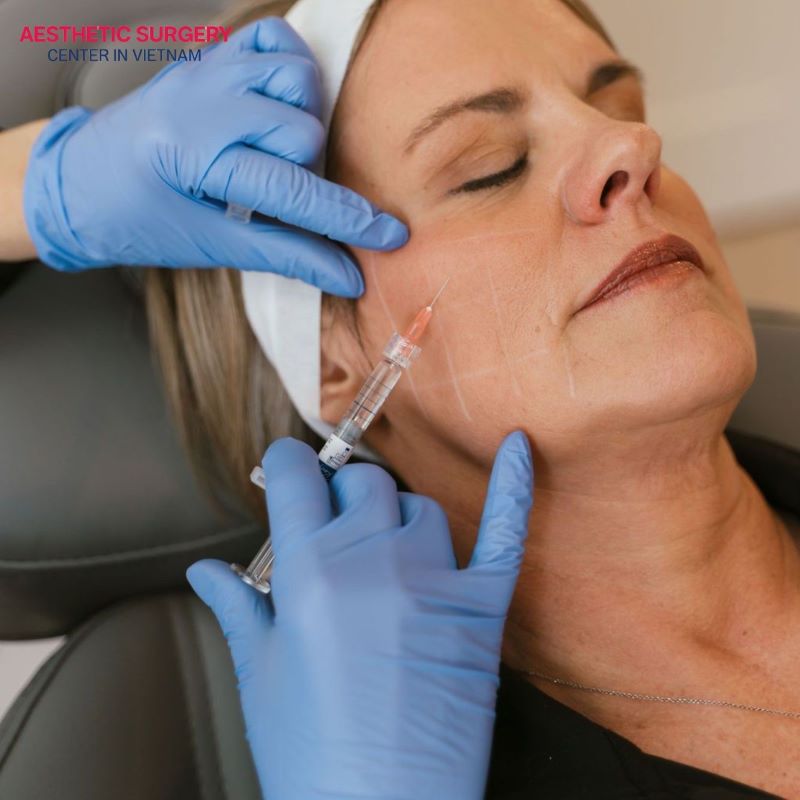
Filler injection is a popular non-surgical cosmetic treatment that helps create a fuller and more balanced face in just a few minutes. To help the filler settle into a beautiful shape and reduce the risk of complications, proper aftercare is very important. The article below will help you understand what should be avoided after filler injection so your body can recover quickly, maintain the ideal shape, and stay safe.
What to avoid after filler injections for quick healing?
To help the filler stay in the correct position, reduce the risk of unusual reactions, and achieve smooth, beautiful skin as expected, you need to strictly follow what should be avoid complications from dermal fillers. This helps the body recover faster, including the following:
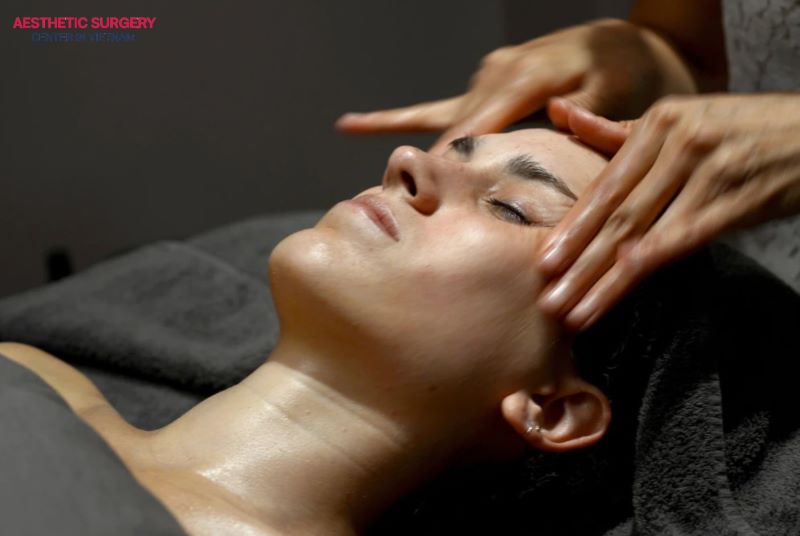
Limit saunas and massage
In the early days after filler injection, you should completely avoid high-heat areas such as saunas and hot tubs. High temperatures can soften the filler, cause it to shift from the original injection site, or dissolve faster. Facial massage also creates direct pressure on the treated area, which may cause the filler to lose shape or lead to bruising. Therefore, you should avoid these activities for about 1–2 weeks to allow the filler to stabilize safely.

Avoid touching the injection area
During the first 24–48 hours, whether you have received lip injections or a nasolabial fold filler, the treated area is still very sensitive and easy to irritate. Touching, pressing, or unconsciously placing your hands on your face can allow bacteria to enter, leading to redness, infection, or filler displacement.
If you need to cleanse the skin, wash your face gently with cool water. Avoid strong pressure and never try to adjust the filler shape at home.
No strenuous exercise
Although exercise is important for your health, after filler injection you should avoid intense activities such as heavy gym workouts or high-intensity running. These exercises increase heart rate and body temperature, which can cause prolonged swelling and pain. They can also make the filler shift from its original position.
For this reason, you should avoid heavy exercise for at least 48 hours and only return to light movements when the treated area feels stable.
Makeup
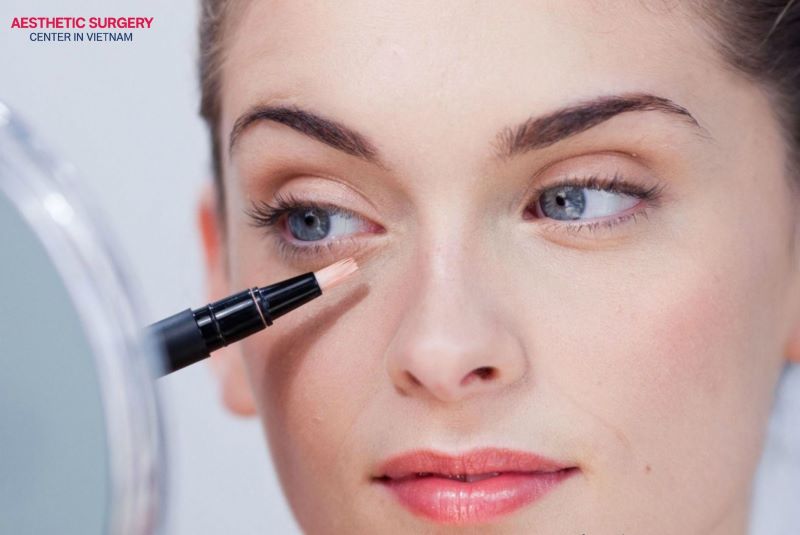
You should limit makeup for at least the first 24 hours after filler injection. Applying foundation or using brushes creates friction on the skin, which can cause the filler to shift or make swelling last longer.
In addition, some cosmetic ingredients may irritate sensitive skin. Therefore, it is best to apply makeup only when the treated area is fully stable and no longer feels sore or tender.
Avoid seafood
Seafood is a food group that easily causes irritation or increases inflammation, especially for people with sensitive skin. After filler injection, the skin and soft tissue are still in the healing process. Eating seafood may cause itching, swelling, or even redness at the injection site.
For safety, you should avoid seafood for about the first week, especially shrimp, crab, and squid.
Limit sticky rice dishes
Sticky rice dishes such as xôi, bánh chưng, and sweet sticky rice desserts are considered “heaty” foods. They can increase swelling and inflammation, which may slow down the healing process after filler injection. During early recovery, eating these foods may even cause pus formation or leave dark marks at the injection site, especially for people with sensitive skin.
To help the treated area stabilize quickly and reduce risks, you should avoid sticky rice dishes for the first 5–7 days.
Chicken and chicken eggs
Chicken and chicken eggs are rich in protein and good for the body. However, during recovery after filler injection, they may cause itching and slow down wound healing. For people with sensitive skin, eating chicken or eggs too early can lead to more swelling and delay the filler from settling into shape.
Therefore, you should avoid chicken and chicken eggs for about the first week after filler injection. Only resume when the filler has fully stabilized to ensure your safety.

Avoid water spinach
Water spinach can stimulate excessive collagen fiber growth. When your body has small wounds after filler injection, eating this vegetable may increase the risk of raised scars or dark scars. For those in the early stage of filler stabilization, eating water spinach too soon can delay the healing process.
For this reason, you should avoid water spinach for about 1–2 weeks to allow the skin to heal naturally and safely.
Avoid alcohol and beer
After filler injection, drinking alcohol or beer can cause blood vessels to dilate, making the treated area more prone to bruising and increased swelling. It also slows down the recovery process of the filler. In addition, alcoholic drinks can dehydrate the body, which affects skin moisture and filler stability in the early stage.
Therefore, you should completely avoid alcohol and beer for at least the first 48 hours. Ideally, avoid them for one full week to help the filler settle into a beautiful and natural shape.
>>> See more: How long does it take for filler to settle?
What to eat after filler injections to support the recovery process?
After filler injection, your body needs enough nutrients to help the treated area heal faster, reduce swelling, and keep the filler stable in shape. Safe, gentle foods that are rich in vitamins will support recovery and help the skin stay smooth and radiant, including:
- Increase green vegetables and fruits rich in vitamin C to boost immunity and limit inflammation.
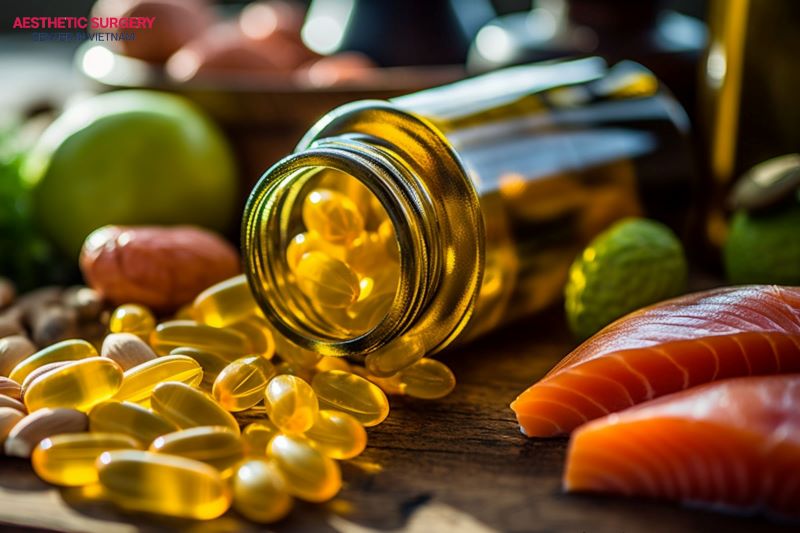
- Foods rich in Omega-3 such as salmon, mackerel, or chia seeds to soothe the skin and help the filler stabilize faster.
- Drink plenty of water and natural fruit juices to keep the skin well hydrated.
- Add yogurt or probiotic-rich foods to improve nutrient absorption and reduce internal heat.
- Choose easy-to-digest protein sources such as pork, tofu, or other light protein foods that do not cause heaviness.
How long should you avoid these things after filler injections?
After filler injection, you usually only need to avoid certain activities and foods for about 1–2 weeks to help the treated area stabilize and recover naturally. For intense activities or foods that may cause irritation, you should limit them during the first few days.
However, habits that directly affect the filler such as sauna use and massage require a longer waiting time. You should only resume these when the filler is fully stable. When the injection area is no longer swollen and there is no pain or tightness, this means the filler has started to settle into shape. At this time, you can return to light daily activities and your normal diet.
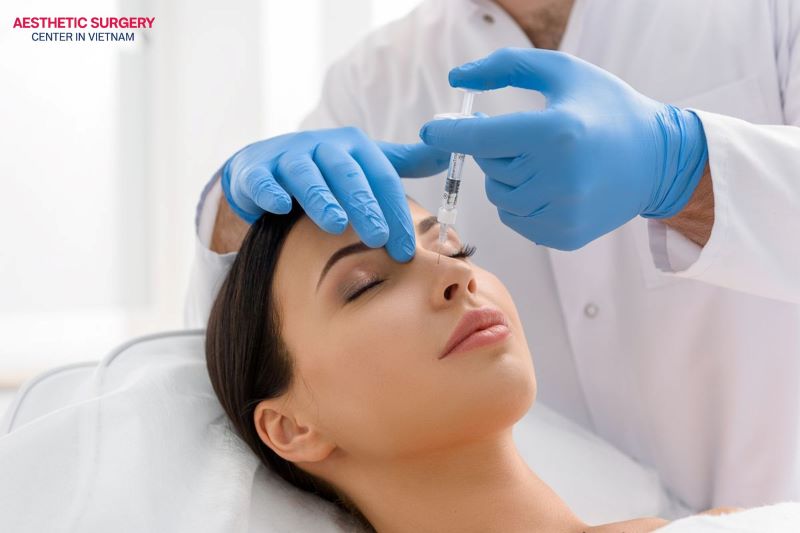
How to care for the skin after filler injections?
After filler injection, the treated skin often becomes sensitive. You need gentle care to help the filler stabilize and recover faster. Keeping the skin clean, limiting strong impact, and maintaining moisture will help the filler settle into a soft, natural shape without prolonged swelling. Here are some skin care tips after filler injection:
- Keep the skin clean and wash your face with a gentle cleanser. Avoid strong rubbing or using rough towels.
- Apply a cold compress in the first 24 hours using a cold pack wrapped in a soft cloth to reduce swelling and soothe the skin.
- Use a mild, gentle moisturizer to support faster healing and keep the skin soft.
- Limit direct sun exposure or use a gentle sunscreen with safe ingredients.
- Stop using products that contain AHA, BHA, or Retinol during the first days after filler injection.
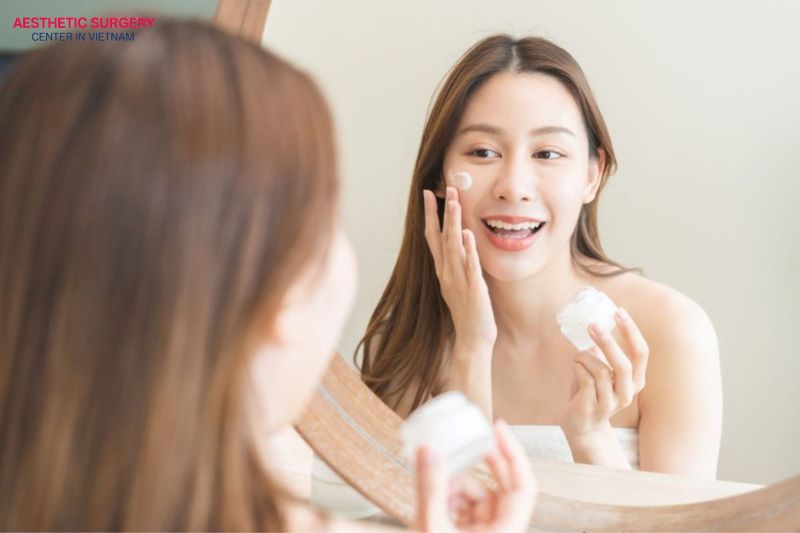
As long as you take proper skin care in the first days and keep the skin well hydrated, the filler will stabilize faster and the result will look more natural.
Hopefully, through this article, you now understand what should be avoided after filler injection, as well as how to help the filler recover quickly and settle into a beautiful, natural shape. With proper dermal fillers aftercare and gentle skin care in the first few days after treatment., you will soon achieve smooth, natural-looking skin as desired.
>>> See more: How long does it take for chin filler to heal?














Comment on the post