



Filler injections are a popular cosmetic method that can make the face look more balanced, youthful, and refreshed within minutes. Although results are visible right after injection, fillers still need time to fully integrate and take on a natural shape. So, how long does it take for filler to settle? Read the detailed article below to understand the timeline, the factors that affect settling, and the aftercare tips that help you get the best results.
How long does it take for filler to settle after injection?
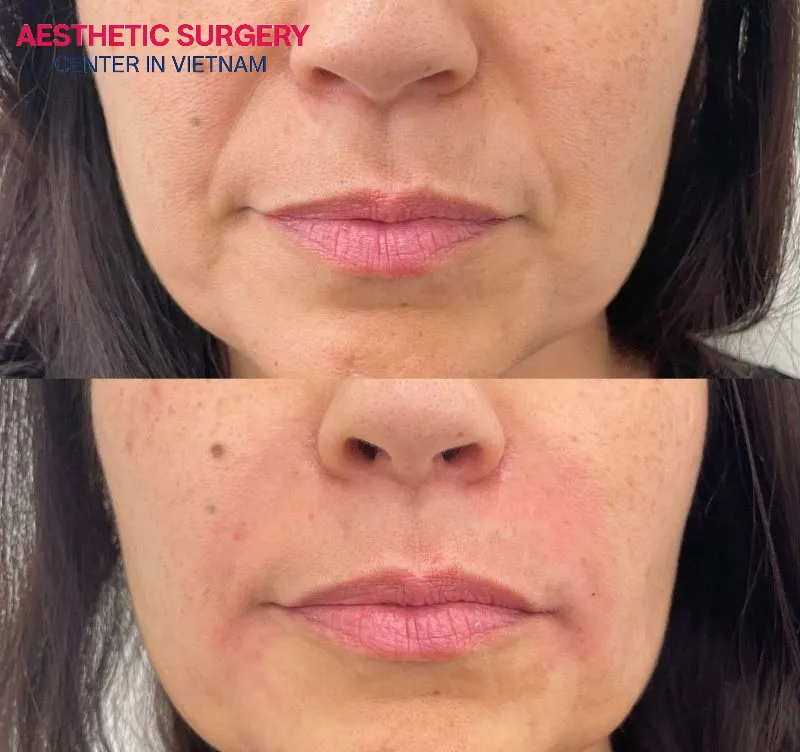
Usually, the filler to fully stabilize and take on its most natural shape, your body needs some time to allow it to blend with the skin tissue, filler settles after about 1–2 weeks, depending on factors such as the injection site, type of filler used, your body’s condition, and how well you care for the area afterward. During the first few days, the treated area may appear slightly swollen, red, or feel a bit firm. For those enhancing their smile, understanding the typical lip filler swelling stages is essential for managing expectations, as the lips are particularly prone to temporary inflammation. This is completely normal as your body gradually adapts to the filler.

After around 10 days, swelling noticeably decreases, and the filler begins to soften and settle naturally into the skin, creating a smoother and more natural look. From weeks 2 to 4, patients will see more balanced facial contours. At this stage, the filler is fully settled and delivers the best aesthetic results.
Additionally, when the procedure is performed by a skilled and experienced surgeon using precise techniques, the filler not only settles faster but also maintains a natural shape, preventing lumpiness or asymmetry throughout its duration.
Factors that influence the settling time of fillers
Aside from wondering how long it takes for filler to settle, it’s also important to understand the factors that directly affect this process. In most cases, fillers take about 1–2 weeks to achieve a natural shape, but the exact settling time can vary from person to person.
Below are the key factors that directly influence how quickly filler stabilizes:
The type of filler used
The type of filler plays a major role in determining how long it takes to settle, as not all fillers blend with the skin at the same rate. Each filler type has different compositions, densities, and mechanisms of action, for example:
- Hyaluronic acid (HA): This is the most common type of filler, known for its high compatibility with most patients. It typically settles after about 7 days. In case adjustments are needed, surgeons can safely dissolve HA using the enzyme hyaluronidase.
- Radiesse filler: Made primarily from Calcium Hydroxylapatite (CaHA), this filler has a thicker texture and helps stimulate collagen production. It usually takes 2–3 weeks to fully stabilize, but in return, its lifting and rejuvenating effects can last 12–18 months.
- Collagen-based filler: Derived from natural collagen, this filler improves skin elasticity and smooths fine lines. However, it settles more slowly, around 3–4 weeks, as it takes longer to fully integrate with the skin tissue.
- PMMA filler: This semi-permanent filler contains microspheres that form a firm structure under the skin. Due to its thicker and heavier consistency, PMMA filler needs about 3–5 weeks to settle completely, but its effects can last 2–5 years, depending on individual skin conditions.

Individual body response and metabolic rate
Each person has a different body condition and metabolism, so the time it takes for filler to settle is not the same for everyone.
For those with healthy skin, good blood circulation, and fast recovery ability, fillers usually blend into the skin quickly, with minimal swelling, and stabilize within 1–2 weeks. However, for individuals with sensitive skin or thin skin that bruises easily, the injected area may remain swollen or firm for a bit longer, requiring a few extra days for the filler to fully settle.
The injector’s technique and skill
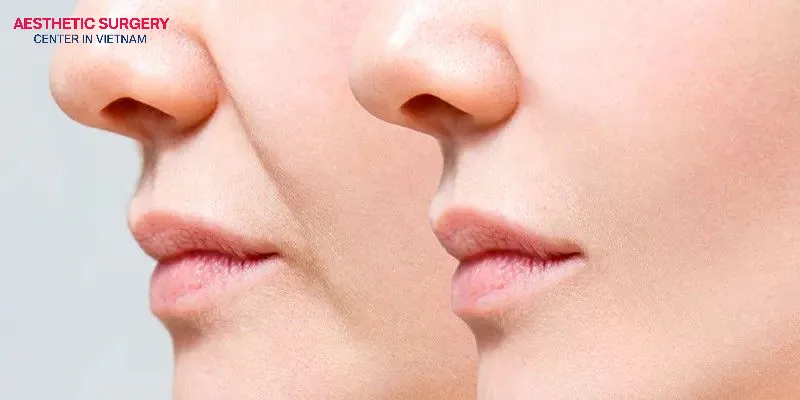
A highly skilled surgeon will precisely determine the correct depth, injection points, and amount of filler needed. This ensures the filler is evenly distributed, prevents lumpiness, and minimizes swelling or bruising after the procedure.
However, if the injection technique is incorrect, the filler may form lumps or shift out of place, making it harder for the treated area to stabilize and potentially affecting the aesthetic result.Therefore, before undergoing the procedure, you should choose a reputable clinic with licensed surgeons who have proven experience and successful filler cases to ensure safety, proper filler stability, and the beautiful results you expect.
Aftercare tips to help filler settle quickly and look its best
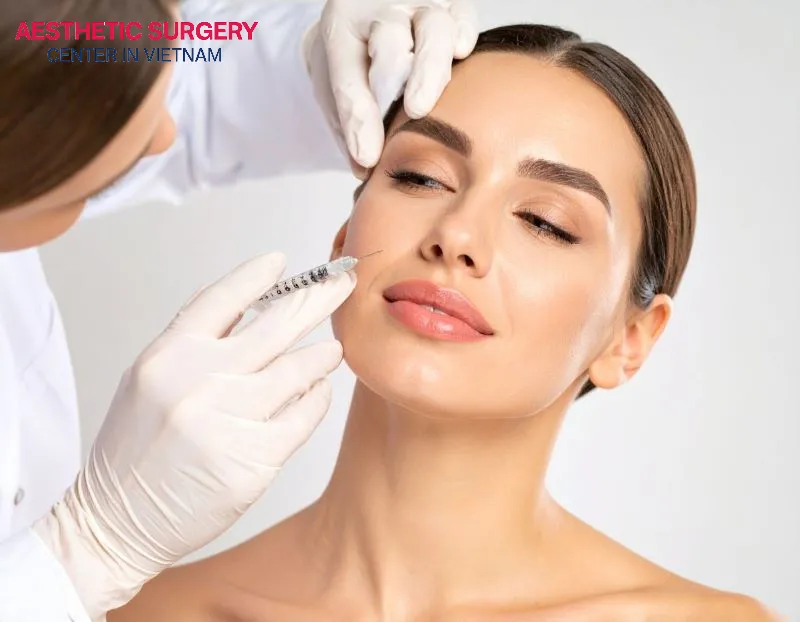
Dermal fillers aftercare plays a key role in how long it takes for the filler to settle and how well it lasts. Even small daily habits can affect your final results. Below are some care tips to help your filler settle faster, look more natural, and achieve the best possible outcome:
Things you should do after filler injections
- Stay hydrated: Since filler is mainly made of hyaluronic acid (HA), it needs moisture to stay plump and soft. Make sure to drink enough water throughout the day to help HA absorb better.
- Apply cold compresses: Gently apply a cold compress during the first 1–2 days to constrict blood vessels, which helps reduce swelling and bruising more quickly.
- Sleep with your head elevated: Keep your head slightly raised for the first 48 hours to prevent blood from pooling in your face. This helps reduce swelling and speeds up recovery.
- Maintain a healthy diet: Eat plenty of vegetables, fruits, and foods rich in vitamins C, E, and zinc to boost your immune system and support faster skin regeneration.
- Protect your skin: Avoid direct sunlight and high heat activities such as steam baths or hot showers in the first few days to prevent the filler from breaking down too soon.
- Follow your surgeon’s instructions: Take prescribed medication, use skincare products as directed, and attend follow-up appointments so your surgeon can monitor the filler’s settling process.

Things to avoid after getting dermal fillers
-
- Do not touch, press, or massage the treated area: For the first 3–5 days, the filler has not fully settled, so avoid applying pressure or strong impact to prevent it from shifting out of shape.
- Avoid makeup and skincare products: Most skincare products contain acids, so refrain from using them within the first 24 hours to prevent irritation or infection.
- Avoid intense physical activity: Refrain from heavy exercise or activities that cause excessive sweating, as they can cause the filler to move slightly and slow down the settling process.
- Avoid stimulants: Stop drinking alcohol, smoking, or using other stimulants, as they can dilate blood vessels, increase swelling and bruising, and shorten the filler’s lifespan.
- Avoid lying face down: For the first 48 hours after the injection, avoid sleeping on your side or face down to prevent the filler from shifting or becoming misshapen.

Frequently asked questions about the filler injection procedure
After getting fillers, besides wondering how long it takes for them to settle, many people still have other questions about the procedure. Below are some of the most common concerns from clients, along with detailed answers to help you feel more confident before treatment:
Does getting filler injections hurt?
The filler injection process is almost painless, as surgeons always apply a numbing cream or use local anesthesia on the treated area before performing the procedure. After the injection, you may feel slight tightness or mild discomfort in the treated area. This feeling usually disappears within 1–2 days as your body adjusts to the filler. However, if the pain or swelling persists for several days, you should contact your surgeon promptly for proper evaluation and care.
How long after filler can you wear makeup?
You should wait at least 24 hours before applying makeup to prevent bacteria from entering the injection site and causing infection or inflammation. For sensitive skin or if the treated area is still swollen, most aesthetic experts recommend waiting 2–3 days until the filler has fully settled before applying light makeup.

Can filler move after injection?
If injected with the correct technique and you strictly follow your surgeon’s aftercare instructions, the filler will stay fixed in the tissue and will not move. However, if you press or sleep on the treated area, the filler may shift slightly. That’s why it’s important to follow your surgeon’s guidelines carefully during the first few days to ensure the filler settles properly and maintains long-lasting results.
Where is it safe to get filler injections?
Choosing a reputable aesthetic clinic is key to ensuring filler stability, safety, and natural-looking results. Always look for clinics with official operating licenses, certified aesthetic surgeons with professional training, and modern, sterile equipment throughout the entire procedure.
At Aesthetic Surgery Center, filler injections are performed directly by highly qualified surgeons using FDA-approved, authentic fillers, ensuring quick stabilization, perfectly shaped results, and long-lasting effects.
>>> See more: How to choose the right clinic for botox and fillers?
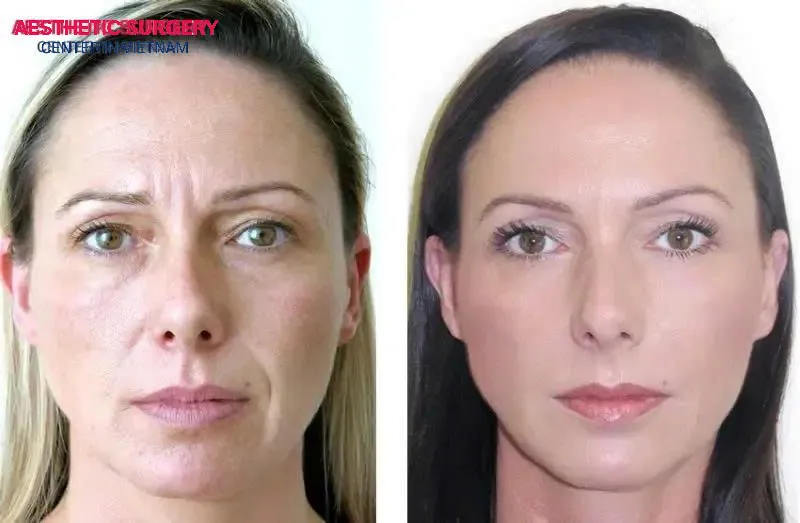
Hopefully, through this article, you’ve found the answer to the question: how long does it take for filler to settle? If you’re looking for a reputable and effective filler clinic, don’t hesitate to contact Aesthetic Surgery Center via hotline (+84) 911 582 499. Our experienced surgeons will provide thorough consultations and help you choose the most suitable filler type, so you can confidently enjoy your natural, long-lasting beauty.
>>> See more: Natural-looking results with Botox and fillers















Comment on the post