



After getting fillers, your skin may look slightly swollen, red, or mildly bruised. These are normal reactions, but they can still make many people feel uneasy. To help the filler settle properly and minimize irritation, following the right dermal fillers aftercare routine is essential. This article shares simple post-filler skincare tips to reduce swelling, limit bruising, support faster recovery, and help your results look naturally refined.
What is dermal filler?
Filler is a gel-based dermal filler, usually containing Hyaluronic Acid, that helps smooth folds and restore volume in areas lacking tissue, creating balanced and natural-looking facial contours. This substance is safe, highly compatible with the body, and gradually dissolves over time. The procedure is minimally invasive, has a short recovery period, and delivers immediate results.
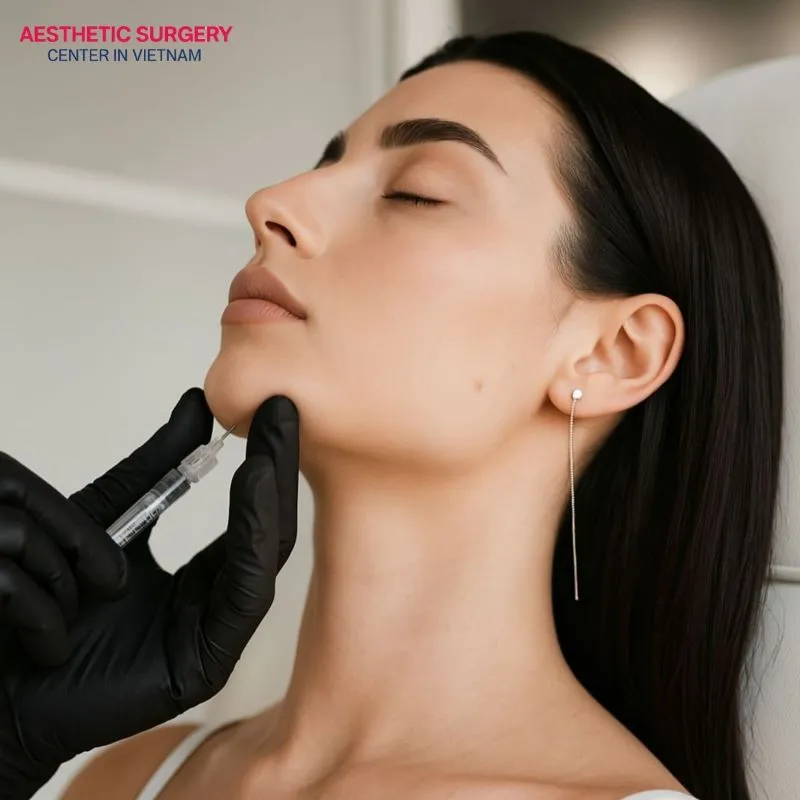
How to look after your skin after a dermal filler treatment?
After filler injections, the skin and tissue experience mild impact from the process of placing the dermal filler into the treated area. Because of this, proper aftercare is needed to reduce swelling and bruising and help the filler settle more quickly. Below are the essential post-filler skincare tips you should follow:
Stay away from blood thinners
During the first 1–2 days after filler injections, the body is more prone to bruising because the small capillaries under the skin have just been affected by the needle. For this reason, you should completely avoid anything that can thin the blood, such as aspirin, vitamin E, fish oil, and similar products. These substances can slow blood clotting, making the initial redness or bruising after lip filler and other facial injections darker and slower to fade.
If you are taking prescription medication, consult your surgeon before stopping it. For non-essential supplements, it’s best to pause them for a few days until the injection sites stabilize to reduce the risk of prolonged swelling and bruising.

Stay hydrated
To care for your skin after filler injections, staying hydrated supports overall skin health, an ingredient with strong moisture-drawing and water-retention abilities. When your body gets enough water, the filler settles more quickly and evenly, helping the treated area stay smooth and natural-looking.
Besides drinking 1.5–2 liters of water daily, you should also increase your intake of leafy greens and water-rich fruits to support better tissue recovery.
Use cold compresses
Gently applying a cold compress during the first few hours after your filler treatment can help reduce swelling and redness, as well as minimize bruising. The cold temperature temporarily constricts blood vessels, reducing blood pooling around the injection site and soothing the skin.
When using a cold compress, wrap the ice pack in a soft cloth or use a properly covered cold pack. Avoid placing ice directly on the skin, as it may cause frostbite or irritation. If the injected area remains unusually bruised or swollen after 1–2 days, contact your provider for a follow-up check.

Don’t engage in strenuous exercise
When the body engages in intense physical activity, your heart rate and blood flow increase, causing blood vessels to dilate. This can lead to more swelling, darker bruising, or even slight filler movement from its original position.
You should also avoid bending below heart level, sleeping face-down, or massaging the treated area during the initial phase. These actions can put pressure on the injection sites and affect how well the filler settles.
Refrain from alcohol
Avoid alcohol completely for at least 1–2 days if you want proper aftercare after your filler treatment. Alcohol causes blood vessels to dilate, which can increase swelling at the injection site and prolong the healing process. It also dehydrates the body, slowing down how the tissue adapts to the filler and making the treated area feel tight or more sensitive than usual.
In addition, drinking alcohol immediately after your injections may increase the risk of irritation, discomfort, or lead to results that are less refined than expected.

No heat and tanning
In the first few days after filler injections, avoid high-temperature environments such as saunas, heated rooms, or exercising in hot conditions. High heat can dilate blood vessels, prolong swelling, and slow down how quickly the filler settles.
You should also limit direct sun exposure. UV rays and heat can irritate the skin, making the treated area feel hot and sensitive. For areas like the nose, cheekbones, or smile lines, sun exposure immediately after injections can cause uneven skin tone and slow down filler stabilization.
>>> See more: Fillers for smile lines
Use mild skincare products
After filler treatment, the skin becomes more sensitive than usual, so choosing the right skincare products is essential. During the first 3–4 days, avoid harsh cleansers or products containing acids, as they may cause stinging, redness, or delay recovery.
Instead, opt for gentle moisturizers or soothing gels with safe, calming ingredients to protect the skin barrier. Keeping your skin well-hydrated helps the filler settle faster and supports a smoother, more even-looking skin surface.

Avoid travelling by air
After filler injections, avoid flying within the first 24–48 hours, as cabin pressure changes can increase swelling, cause tightness, and make the treated area uncomfortable.
The dry air on planes can also dehydrate your skin, making the injection sites more sensitive than usual. If travel is necessary, stay well-hydrated and avoid touching the treated area to prevent added pressure on the recovering tissue.
Ideally, postpone flying until the filler has fully settled to ensure optimal, safe, and long-lasting results.

Abnormal signs after filler injections
Although mild swelling or slight redness after filler injections is completely normal and usually subsides within the first few days, you should pay attention to any unusual signs that may indicate a problem at the injection site:
- Swelling or pain that does not decrease after 2–3 days, or even appears to worsen.
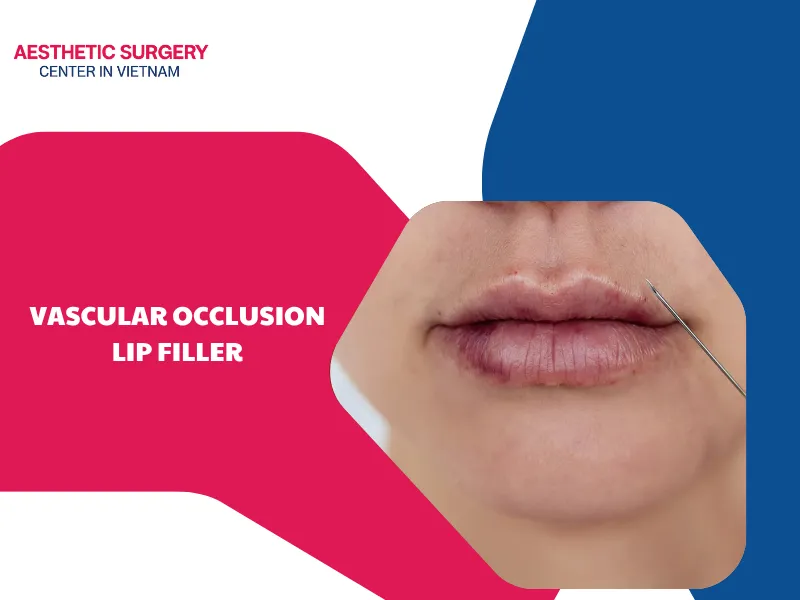
- Abnormal skin color changes, such as dark purple bruising, pale or patchy areas, which can be serious warning signs.
- Hardness or discomfort when touching the treated area that does not soften over time as expected.
- Blurred vision, headaches, or dizziness, especially after filler injections in the cheek or nose.
- Rashes, severe redness, or intense itching, which may indicate an allergic reaction.
If you experience any of these signs, contact your surgeon or the clinic immediately for evaluation and treatment to prevent complications from dermal fillers and ensure safe, satisfactory results.
Recovery time after filler injections
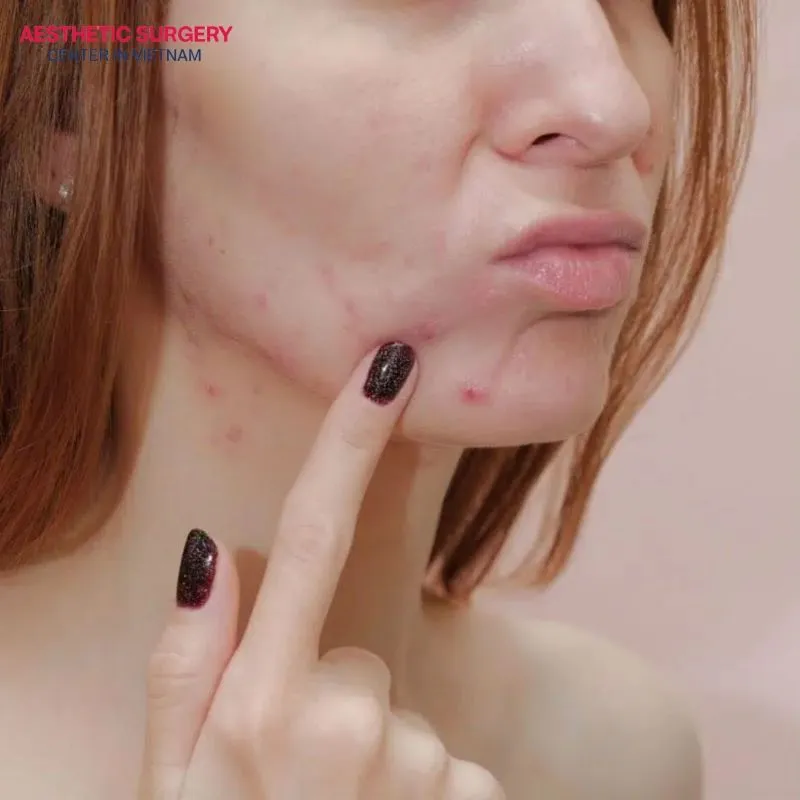
Typically, most clients only need a few days for mild swelling, redness, or tightness to subside. By around one week, the filler begins to soften and integrate well with the surrounding tissue. Therefore, about two weeks after the injection, the treated area is nearly fully settled, with natural and enhanced facial contours.
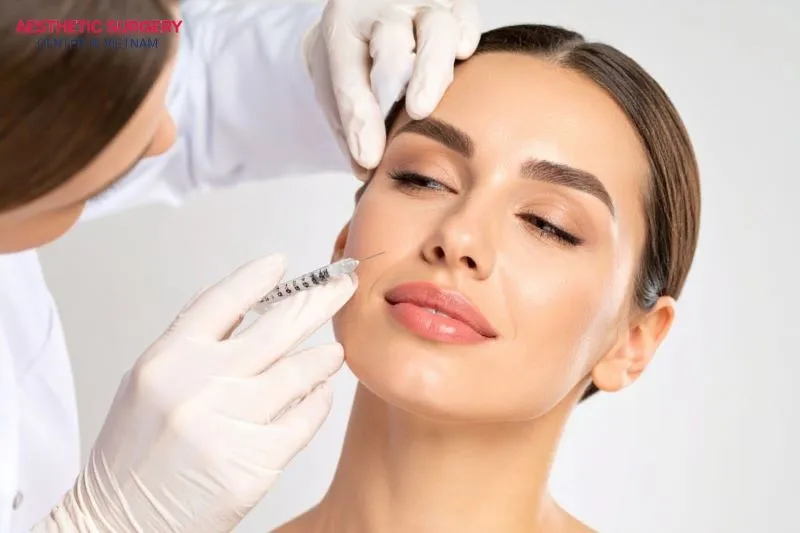
Recovery speed may vary depending on individual factors and injection sites, but this is generally when the filler reaches its final, stable form.
We hope this article helps you better understand essential dermal fillers aftercare, as well as the signs to watch for during recovery. By following these simple aftercare steps, the treated area will settle quickly, and the filler will achieve a natural, beautifully contoured result. If you notice any unusual symptoms, contact your surgeon immediately for proper support and treatment.














Comment on the post