



Botox is often regarded as a “miracle solution” for smoothing forehead wrinkles and frown lines. However, it can also be a double-edged sword if not performed by a skilled aesthetic doctor. One common side effect that significantly affects facial aesthetics is eyebrow droop after botox injections. What causes this condition, and how can it be corrected? This article will provide detailed answers.
Why did my eyebrows go down after Botox?
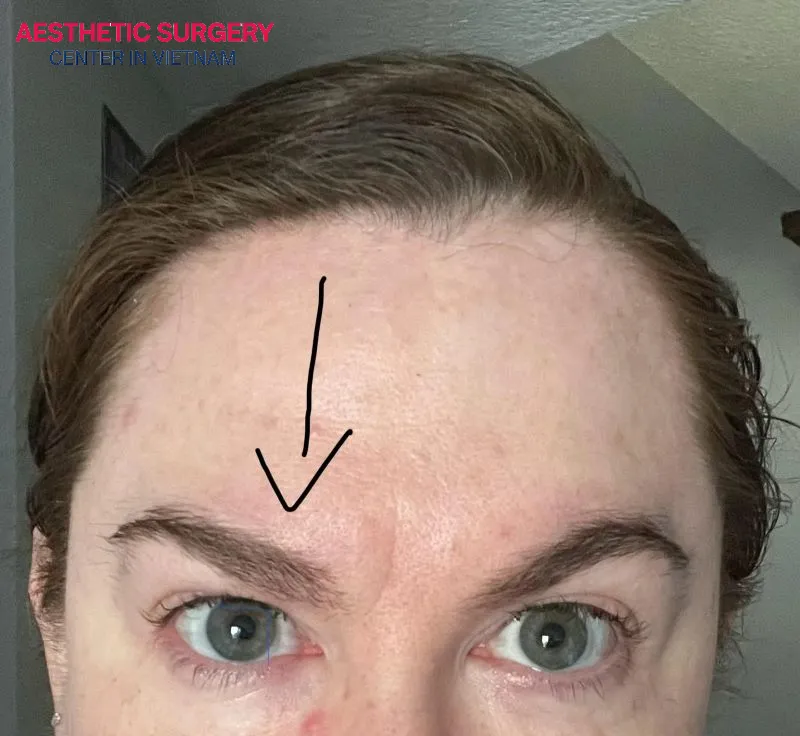
In medical terms, eyebrow droop after botox injections is known as brow ptosis. This condition usually results from excessive inhibition of the frontalis muscle, which is responsible for lifting the eyebrows. When this muscle is overly relaxed, the eyebrows can noticeably descend.
Common causes of this condition include:
- Injections placed too low or excessive dosage in the forehead: If botox is injected too low, too close to the eyebrows, or in an excessive amount, the frontalis muscle can become overly weakened or temporarily paralyzed. When the muscle can no longer support the eyebrows, gravity pulls them downward from their natural position, creating a heavy or drooping appearance over the eye area.
- Incorrect assessment of individual muscle strength: In some individuals, especially older individuals or those with naturally drooping eyelids, there is a habit of raising the forehead to help open the eyes more clearly. If botox is injected without adjusting the dosage for these cases, blocking the frontalis muscle removes this compensatory lifting effect. As a result, the eyebrows may drop immediately and partially obstruct vision.
- Diffusion of the product: After the injection, if the forehead area is rubbed, massaged, or if you lie down too soon, botox can spread from the forehead to the muscles that lift the eyelids or surround the eyes, leading to eyebrow drooping.
How soon after Botox does ptosis occur?
Eyelid ptosis usually does not occur immediately after the injection. There is a short waiting period for the product to take effect. Symptoms typically become noticeable between day 3 and day 7 after botox. If eyelid drooping appears right away, within a few hours after injection, it is more likely caused by swelling or the effect of local anesthesia. This swelling usually resolves on its own within a few days.
Ptosis caused by botox often recovers naturally within 4 to 6 weeks. In some cases, it may take up to 3 months. Recovery time depends on your metabolism, the amount of botox injected, and your body’s response.
How do you fix eyebrow droopy after Botox?
While waiting for the botox to wear off, you can apply the following methods to improve eyebrow drooping.
Temporary aesthetic solutions
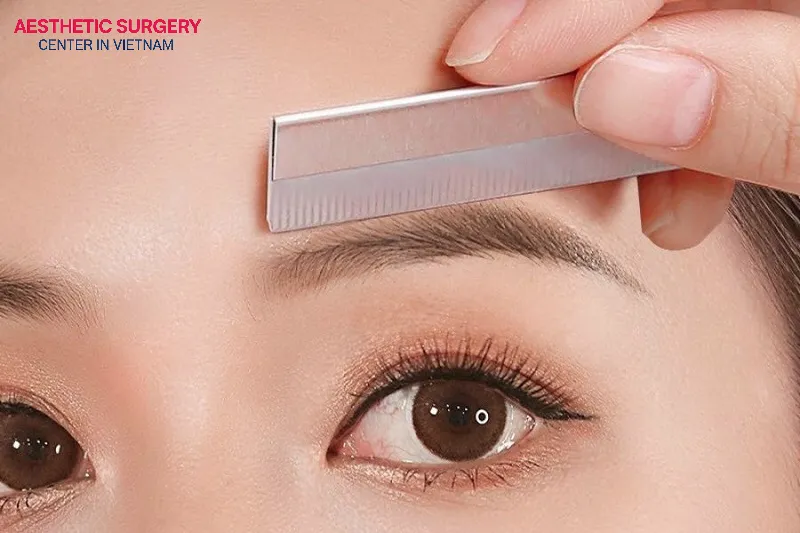
During the recovery period, you may use makeup tips to conceal the issue, such as:
- Eyebrow shaping: Trim the lower edge of the brows or draw the brows slightly higher with an arched shape to create a lifted appearance.
- Hairstyles: Choose light bangs or curtain bangs to help cover the forehead and lower-positioned eyebrows.
>>> See more: Botox hair treatment
Botox adjustment injections
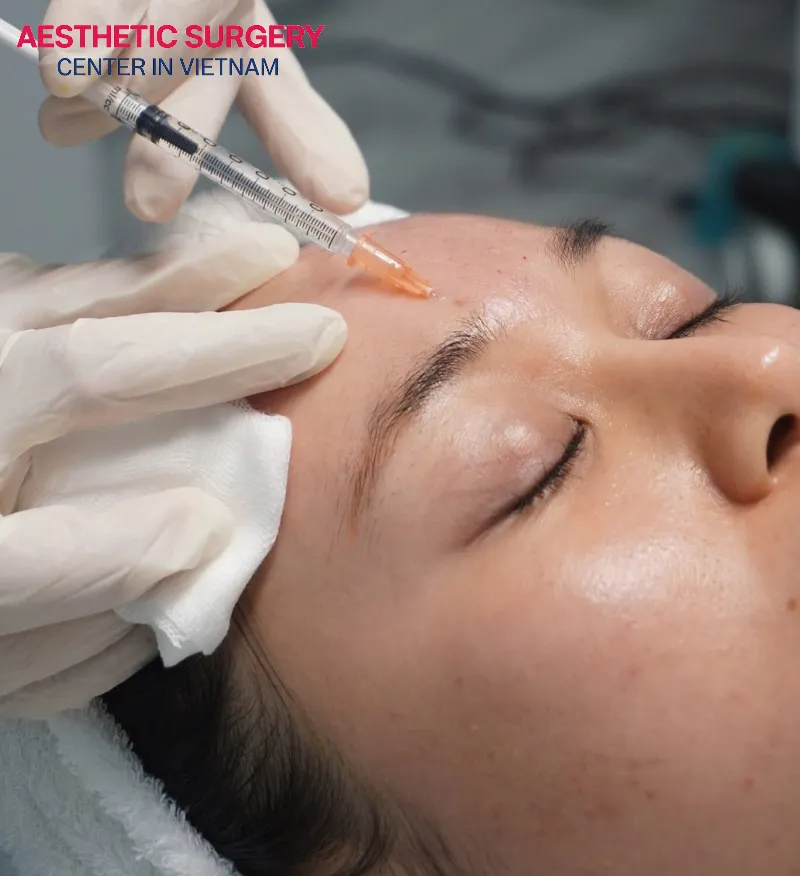
This is the most common solution when eyebrow drooping is caused by muscle imbalance. The aesthetic doctor will inject a small amount of botox into the muscles that pull the eyebrows downward, such as the outer part of the orbicularis oculi muscle or the frown muscles. When these downward-pulling muscles are relaxed, the pulling force is reduced, allowing the forehead muscles to work more effectively. As a result, the tail of the eyebrow can be gently lifted. This method is only effective if the frontalis muscle is not completely “frozen.”
Eye drops
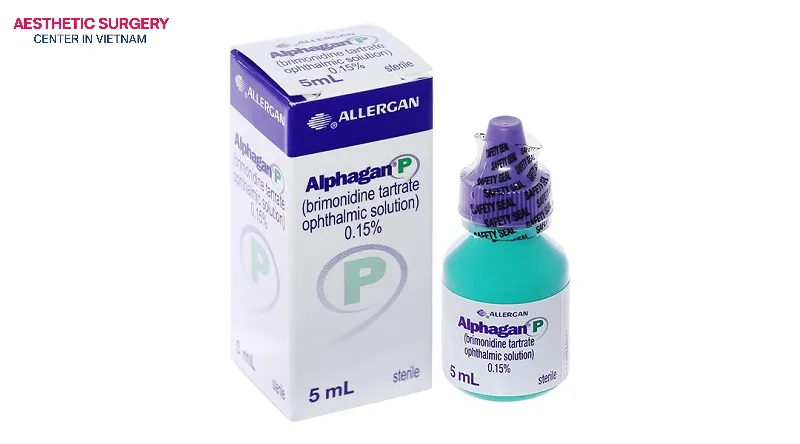
Some eye drops, such as apraclonidine 0.5%, can help support eyelid opening when drooping eyebrows place pressure on the eyelids. This medication stimulates the Müller muscle to contract, helping the eyes open wider by about 1–2 mm. While it does not lift the eyebrows, it can make the eyes look more alert and reduce the heavy feeling caused by eyebrow droop.
Muscle-stimulating massage
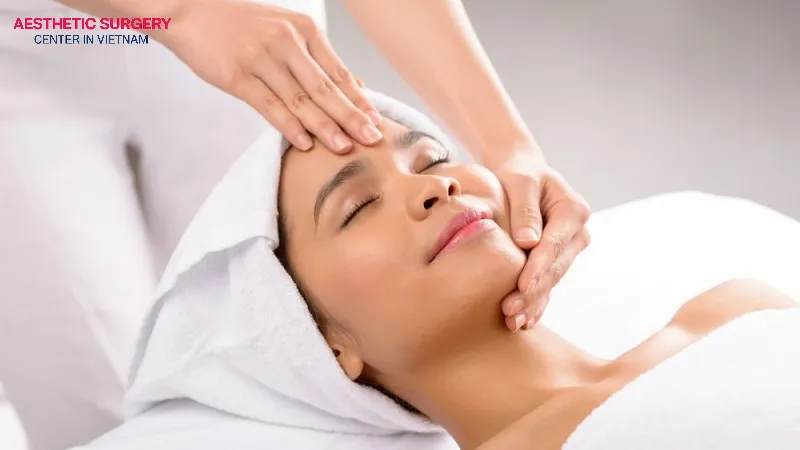
In some cases, aesthetic doctors may recommend gentle massage techniques to promote blood circulation and lightly stimulate nearby muscles. However, this method should only be applied at least 2 weeks after the injection. Performing massage too early may cause botox to spread to other areas and worsen drooping. It should also be done under medical guidance, as incorrect massage techniques can interfere with botox results during the early post-treatment period.
How to prevent eyebrow droop after botox
To prevent eyebrow droop after botox injections, it is important to follow proper preventive measures, from choosing the right aesthetic doctor to post-treatment care. Below are key tips to help reduce the risk of eyebrow droop after botox.
Choose a skilled aesthetic doctor with strong knowledge of facial muscle anatomy
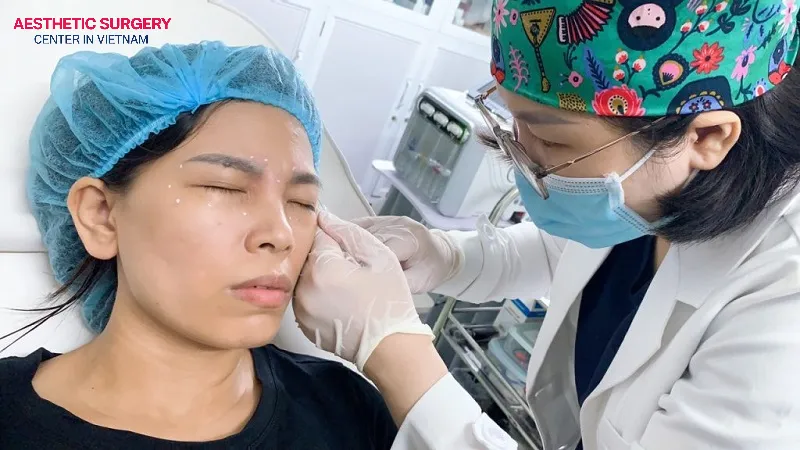
This is the most important factor and accounts for about 90% of treatment success. An experienced aesthetic doctor understands the exact location of facial muscles and avoids injecting too low near the eyebrows or too deeply into sensitive areas. They also adjust the dosage carefully to relax the forehead muscles without completely paralyzing them. In addition, the aesthetic doctor may balance muscle activity by treating muscles that pull the eyebrows downward, helping the brows maintain a natural position.
Maintain an upright position for at least 4 hours after injection
After the procedure, botox needs time to settle and bind to the targeted nerve receptors. Lying down or bending forward too soon, such as when tying shoes or doing yoga, can cause the product to migrate from the forehead to the eyelids or eyebrow-lifting muscles due to gravity. Therefore, try to sit or stand upright and keep your head elevated during the first few hours to help keep the botox in place.
Avoid touching or massaging the treated area for the first 24 hours
Many individuals habitually touch their forehead to check wrinkles or massage the face while cleansing or removing makeup. This physical pressure can unintentionally push botox into surrounding muscles. Cleanse your face very gently, avoid using facial cleansing devices, and do not wear tight hats that put pressure on the forehead immediately after the injection.

Avoid high heat and strenuous activity during the first 1–2 days
Activities that significantly increase body temperature and blood circulation, such as saunas, very hot showers, or high-intensity exercise (gym workouts, running), can cause botox to spread more quickly before it fully settles. Keeping your body cool and resting lightly helps the product remain localized at the injection site, reducing the risk of eyelid or eyebrow droop.
Discuss your aesthetic history and facial structure in detail
Before treatment, inform your aesthetic doctor if you have experienced eyebrow droop in the past or if you often raise your eyebrows to help open your eyes. Individuals with weak forehead muscles or loose forehead skin, which is more common with aging, have a higher risk of brow droop. With this information, the aesthetic doctor can adjust the technique, such as using micro-injections or lowering the dosage, to ensure maximum safety.
After sharing key information about eyebrow droop after botox injections, if you are experiencing this condition, apply the appropriate corrective measures to support recovery. Hopefully, this knowledge will help you manage eyebrow droop effectively and understand how to prevent it in the future.
>>> See more: Droopy eye after botox














Comment on the post