



Liposuction is a modern cosmetic method that quickly removes excess fat and is widely used. Along with its effectiveness, many people wonder before undergoing the procedure: ‘is liposuction painful?’ Can advanced technology reduce the pain, and how intense is it really? To find detailed answers and make the right choice, read this article carefully.
Is liposuction painful?
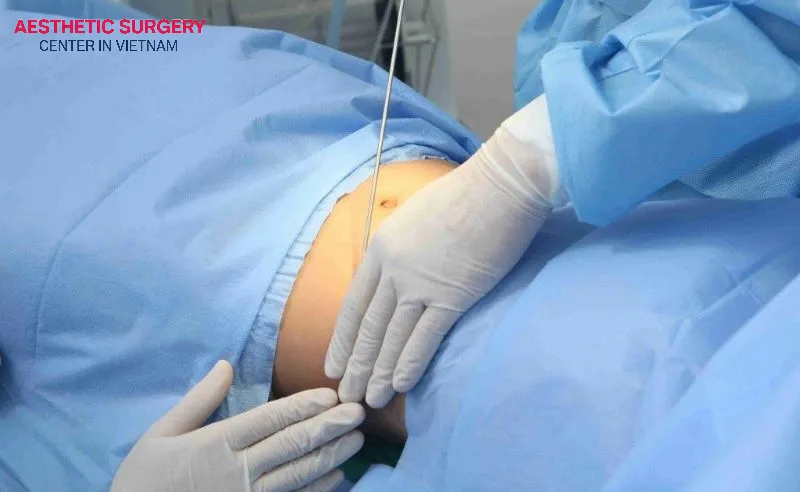
Many people wonder if liposuction is painful. Based on medical information and real experiences from clients, the sensation varies at different stages of the procedure. To understand if liposuction hurts, we need to consider two stages: during the surgery and after the surgery. Specifically:
- During the surgery: At this stage, you will not feel pain because the doctor has administered either general or local anesthesia before the procedure. Therefore, you won’t experience any pain throughout the surgery.
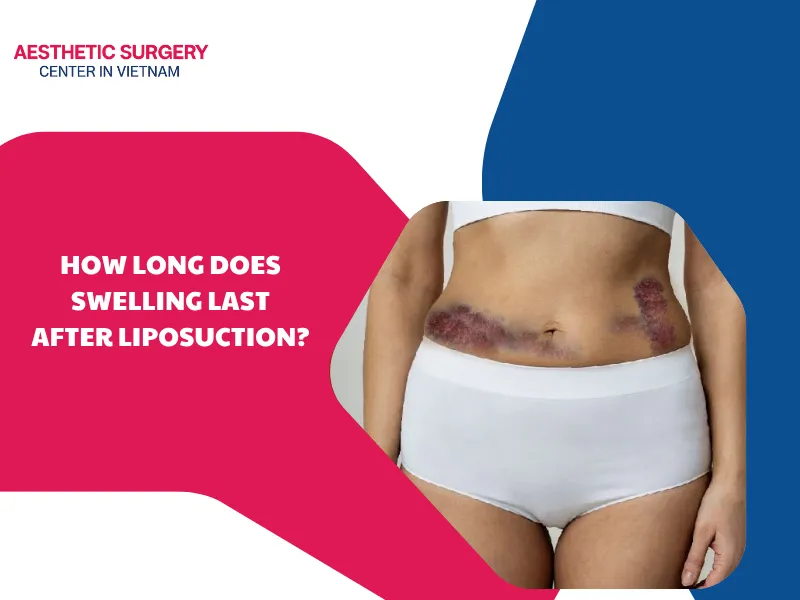
- After the surgery: Once the anesthesia wears off, you may start to feel pain, soreness, burning, or swelling in the treated area. The pain is usually mild to moderate, often described as a burning sensation or muscle soreness after intense exercise. Typically, pain peaks within the first 2–3 days and gradually subsides over 1–2 weeks. This discomfort disappears completely as your body heals.
Factors affecting pain levels during liposuction
Pain levels after liposuction vary from person to person, depending on factors such as the treatment area, the amount of fat removed, individual pain tolerance, and the surgeon’s technique. Details of these factors include:
Treatment area
Pain after liposuction can differ depending on the body area. Areas with thin skin, many nerves, or complex structures—such as the lower abdomen, arms, or chin—tend to be more sensitive and painful compared to areas with thicker fat layers. This is because tissue and nerve damage in these areas can be greater. Conversely, areas with stronger muscles or thicker fat layers may cause less prolonged soreness.
Amount of fat removed
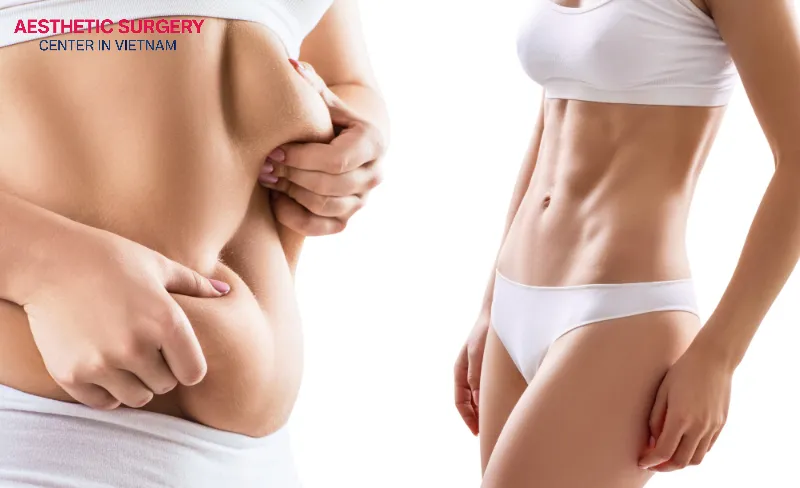
The volume of fat removed directly affects post-surgery pain. The more fat removed, the greater the damage to surrounding tissues, blood vessels, and nerves, leading to increased swelling, bruising, and soreness. Therefore, doctors usually recommend removing a moderate amount of fat (typically less than 10% of body weight) in a single session to ensure safety and minimize discomfort.
Pain tolerance
Everyone has a different pain tolerance, so the way each person experiences pain is not the same. Some people with higher pain tolerance may only feel mild soreness, while those who are more sensitive may feel more noticeable discomfort. Doctors will consider this factor to prescribe suitable pain medication and provide proper aftercare guidance.
Surgeon’s technique and experience
The surgeon’s skill and experience play a crucial role in minimizing pain for the patient. An experienced surgeon performs precise and gentle techniques, helping reduce damage to healthy tissues, blood vessels, and nerves. Choosing the right method and ensuring correct surgical steps help reduce swelling, bruising, shorten liposuction recovery time, and significantly lessen pain after the procedure.
Technology used
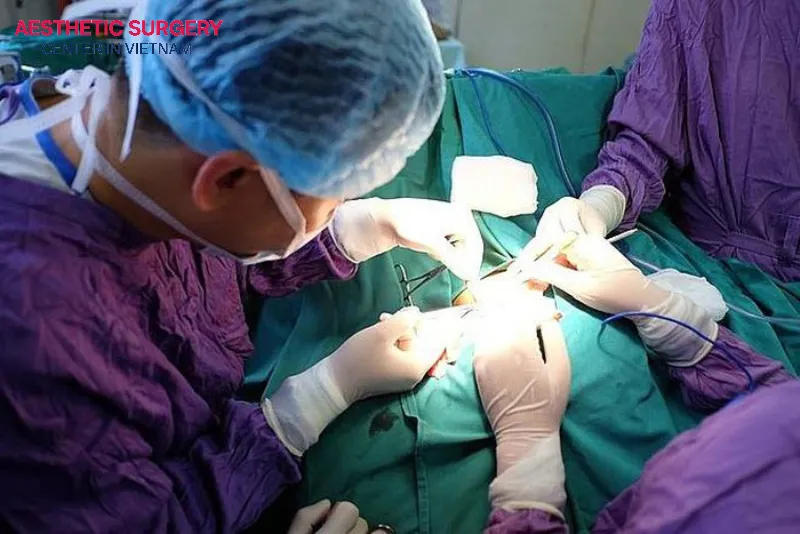
Advances in aesthetic technology have introduced less invasive liposuction methods that help reduce pain effectively. Modern techniques such as ultrasound-assisted liposuction (UAL) or laser liposuction liquefy the fat before removal, making the process smoother and minimizing damage to surrounding tissues compared with traditional methods. Choosing the right liposuction technology is an important factor in making the recovery process more comfortable.
Does abdominal liposuction affect your health?
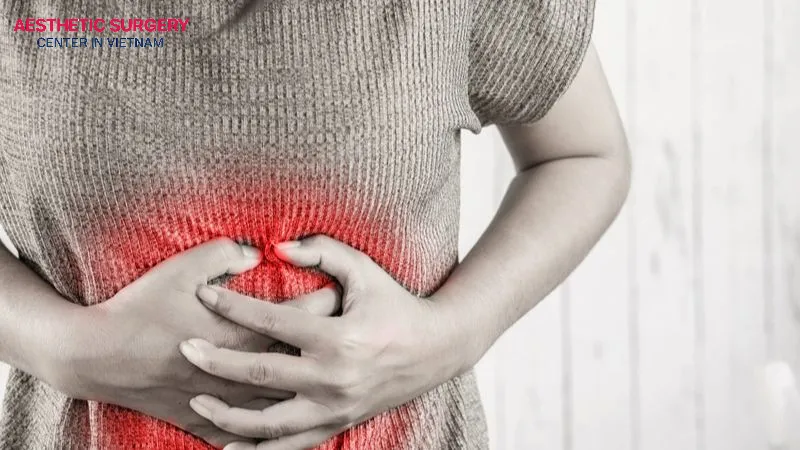
Abdominal liposuction is a cosmetic procedure that can deliver quick results, helping many people regain a slimmer waistline and feel more confident. However, because it is an invasive procedure, it still carries potential risks and may affect your health if performed incorrectly, by an unskilled surgeon, or at a low-quality facility. Details include:
- Reactions to anesthesia: Some people may experience allergies or lidocaine toxicity (the numbing agent) if used in excessive amounts.
- Infection: If the procedure is not performed in a sterile environment, the incision sites can become infected, and in severe cases may lead to skin necrosis.
- Bleeding and seroma/hematoma: These are common complications after surgery. Fluid pockets may form under the skin and often require drainage.
- Fat embolism: Small fat particles can break off, enter the bloodstream, and travel to the lungs or brain, causing blockage and potentially leading to death. This is the most dangerous complication.
- Organ perforation: If the cannula goes too deep, it can puncture internal organs.
- Heart and kidney issues: Sudden changes in bodily fluids during surgery can cause serious problems for the heart and kidneys.
- Uneven or lumpy skin: This may occur due to uneven fat removal, poor skin elasticity, or an inexperienced surgeon.
- Loss of sensation: The treated area may become temporarily or permanently numb due to nerve damage.
- Liposuciton scars: Although the incisions are small, scarring can still occur. These scars usually fade over time but do not disappear completely.
To minimize risks during liposuction
- Choose a reputable facility: Have the procedure done at a hospital or licensed aesthetic clinic with proper equipment and experienced specialists.
- Get a full health check: Make sure you are healthy enough for surgery. People with heart disease, bleeding disorders, or very high/very low BMI are usually not recommended for liposuction.
- Follow post-operative care instructions: Take care of the incisions properly and attend follow-up appointments as scheduled to monitor your recovery.
How to care for your body after abdominal liposuction
After abdominal liposuction, your body needs time to heal. Proper care helps reduce pain, minimize complications, shape a smoother waistline, and ensure a faster, safer recovery with the best aesthetic results. Below are the essential post-lipo care steps you should follow:
First 24–72 hours after liposuction
- Avoid strenuous activity; only walk lightly around your room to promote blood circulation.
- As instructed by your doctor, wear your compression garment continuously 24/24 to reduce swelling and help the skin adhere to the tissue.
- Apply cold compresses during the first 1–2 days to reduce pain and swelling. Do not place ice directly on the skin; wrap it in a thin cloth.
- Take all prescribed medications, including pain relievers, anti-inflammatory drugs, and antibiotics, exactly as directed.
- Drink plenty of water to help flush out excess fluid and fat from the body.

Weeks 1–2
- Clean the incision sites with antiseptic solution or as instructed by your doctor, and keep the abdominal area dry.
- Eat light, easy-to-digest foods such as porridge, soup, vegetables, and soft fruits. Avoid spicy foods, oily dishes, and alcohol.
- Continue wearing your compression garment for at least 20–22 hours a day, removing it only when showering.
- Walk lightly for 10–15 minutes a day to improve circulation and prevent blood clots.
- Monitor your body carefully. If you feel severe pain, notice unusual redness, or excessive discharge, contact your doctor immediately.
Weeks 3–6
- Increase protein and vitamin C intake: These nutrients help wounds heal faster and support firm, healthy skin.
- Limit salt: This helps prevent water retention and swelling.
- Light massage (if approved by your doctor): Helps reduce stiffness, uneven fat tissue, and smooth the abdomen.
- Avoid heavy gym workouts: Only practice light yoga, walking, or swimming once your doctor confirms it is safe.

Months 2–3
- Compression garment: Usually recommended for 2–3 months to help maintain the abdominal shape.
- Healthy diet: Reduce unhealthy carbs and sweets, and eat plenty of vegetables.
- Exercise: Gradually return to light abdominal exercises to strengthen muscles and maintain a toned waistline.
Things to avoid after liposuction
- Do not drink alcohol, smoke, or consume tobacco for at least 1 month.
- Do not remove the compression garment without permission.
- Avoid pressing or massaging the abdominal area forcefully.
- Avoid seafood, chicken, and sticky rice in the early recovery stage as they may cause keloid scars or itching.
This article should help answer your question about is liposuction painful, along with related information on managing discomfort. To ensure safety, effectiveness, and minimize pain, choose a reputable facility for the procedure to avoid unnecessary risks.















Comment on the post