


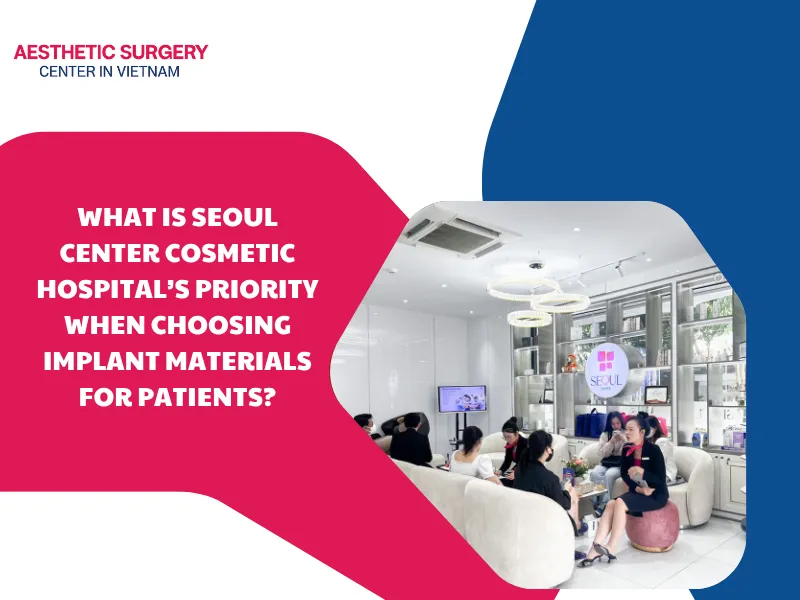
By placing patient health and safety as the top priority, Seoul Center has developed a strict implant selection protocol that prioritizes materials with the highest biological compatibility. The goal is to deliver satisfying rhinoplasty results while minimizing the risks of rejection and long-term complications. Specifically:
Prioritizing autologous rib cartilage
Seoul Center Cosmetic Hospital prioritizes the use of autologous rib cartilage in rhinoplasty procedures. This creates a clear distinction compared to around 75% of Vietnam’s beauty market, where silicone implants are still the primary choice. This approach not only helps patients achieve long-lasting durability of around 20–30 years, but also completely eliminates the risk of implant rejection.
Trusting premium biological implants from the United States
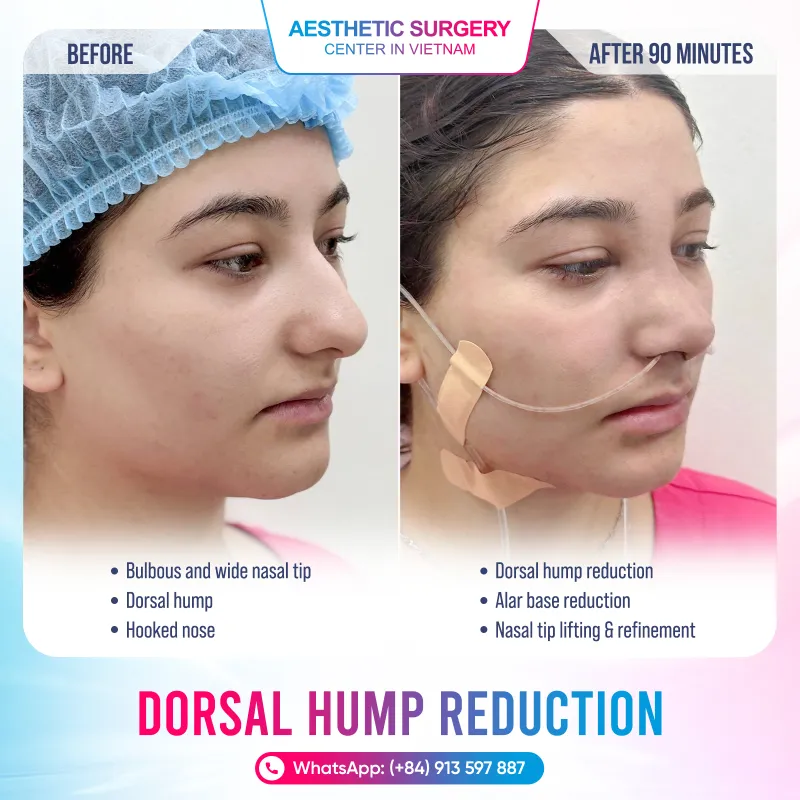
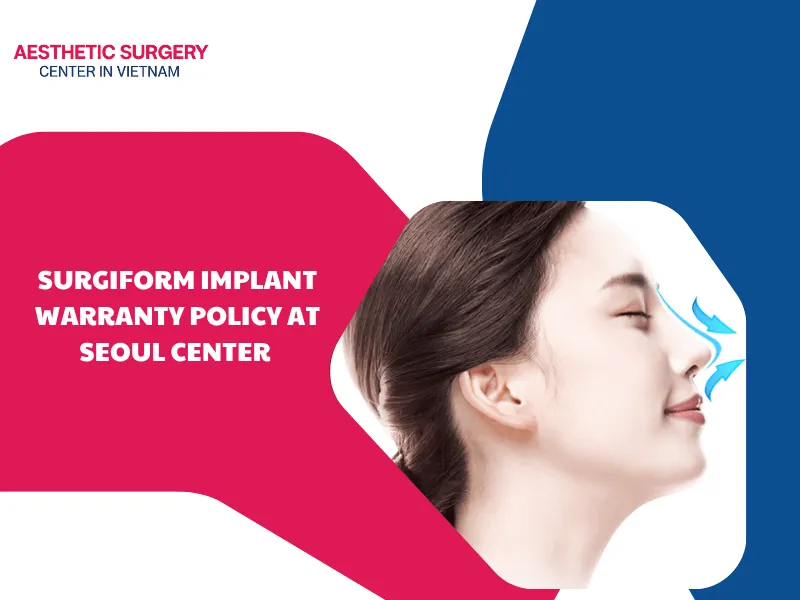
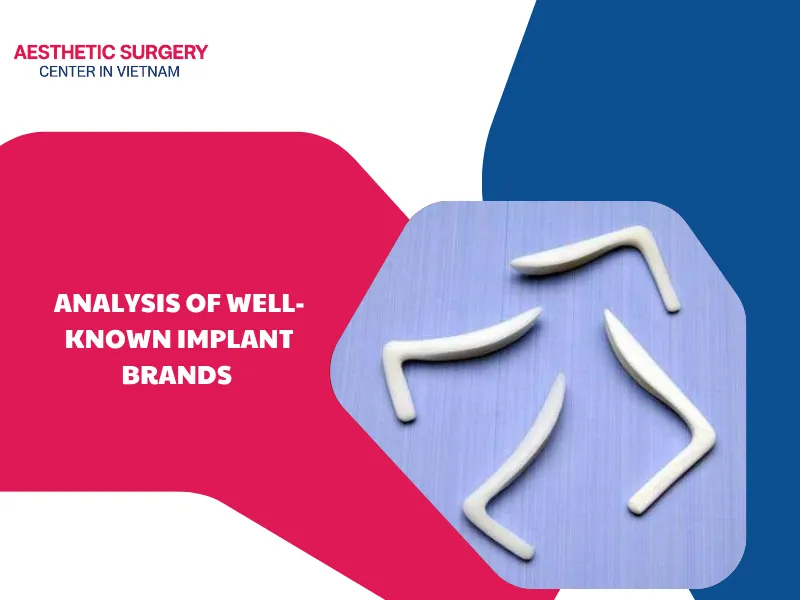
For artificial implant materials, Seoul Center Cosmetic Hospital only trusts premium biological implant lines from the United States. In special cases where additional bridge height is needed and autologous cartilage alone is not sufficient, the brand prioritizes the use of Surgiform (ePTFE). This implant line has extremely high tissue compatibility, helping prevent shrinkage and redness at the nasal tip.
Saying no to non-specialized or unverified implants
Seoul Center’s priorities are also reflected in its strict refusal to use common or non-specialized implant materials that may carry long-term complication risks for patients. At the same time, Seoul Center excludes MEDPOR implants by Stryker Corporation from standard cosmetic procedures because of their excessive rigidity and difficulty of removal.
Flexible combination of surgiform and autologous cartilage for nasal tip protection
Both autologous cartilage and Surgiform offer many outstanding advantages in modern rhinoplasty. Understanding each patient’s desire for a naturally beautiful and harmonious nose shape while maintaining long-term stability, Seoul Center prioritizes a flexible combination of these two premium materials.
The combination of Surgiform for bridge augmentation and autologous cartilage for nasal tip coverage not only creates a soft and refined nose shape, but also improves compatibility, reduces pressure on the nasal tip, and lowers the risks of redness or implant visibility after surgery.
These priorities clearly show that Seoul Center Cosmetic Hospital maintains extremely strict standards when selecting implant materials. This approach not only helps patients achieve their desired aesthetic results and maintain long-term effectiveness, but also ensures safety and minimizes the risk of future complications.











Comment on the post