



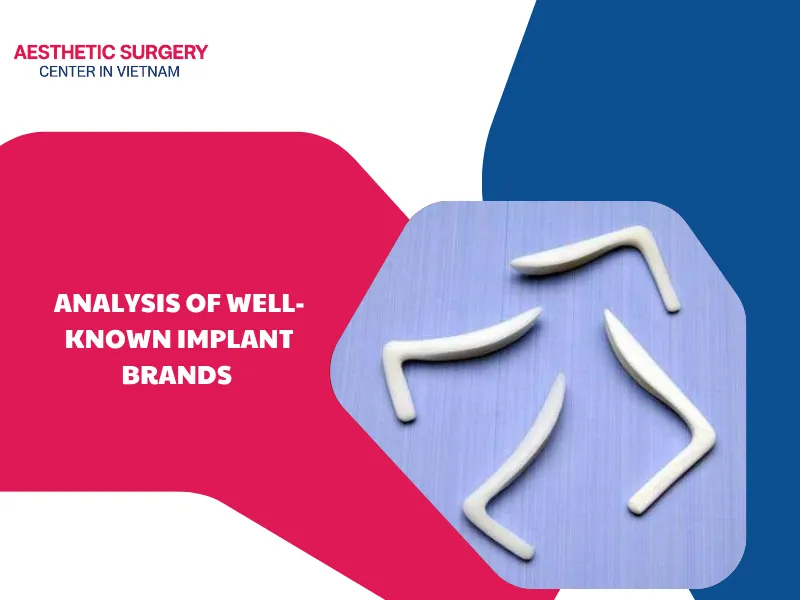
Based on the four main categories of implant materials used at Seoul Center, surgeons will evaluate and create a personalized treatment plan suitable for each patient. Specifically:
Autologous rib cartilage
Autologous rib cartilage is taken from the rib area, usually from the 6th to 8th ribs. This type of cartilage is highly valued because of its many outstanding advantages.
Suitable cases
- Applicable for all rhinoplasty procedures
- Suitable for individuals with Asian nose structures who need both bridge augmentation and nasal tip reconstruction
Advantages
- Abundant natural cartilage source with flexible shaping ability
- High structural strength and stability
- Extremely precise shape customization
- Since it is autologous cartilage, there are no risks of rejection or material-related complications
- Durability lasts around 20–30 years
Disadvantages
- Surgery time is longer, usually extended by 30–60 minutes
- Often leaves a small scar on the chest measuring around 3–5 cm
- Highest cost among implant options
- Requires a highly skilled surgeon
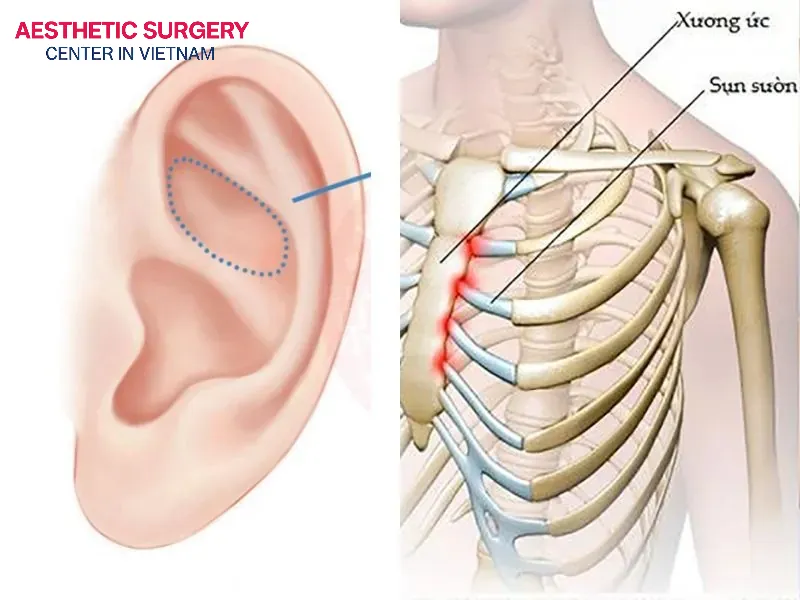
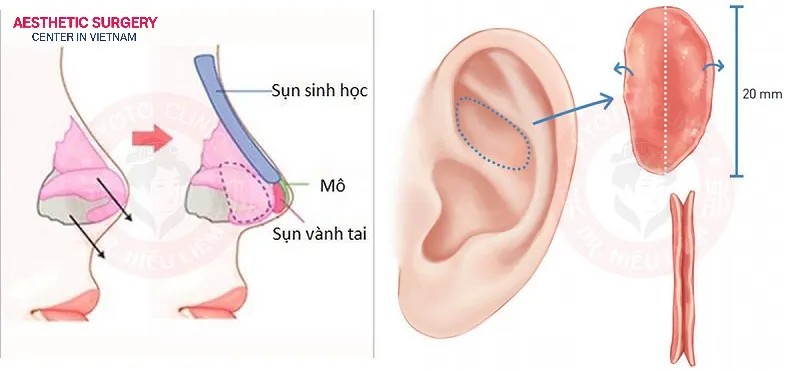
Ear cartilage / Septal cartilage
Similar to rib cartilage, ear cartilage and septal cartilage are also harvested directly from the patient’s body to reshape the nasal tip. This provides complete biological compatibility and helps maintain long-lasting results.
Suitable cases: Applied when only a small amount of cartilage is needed, such as nasal tip reconstruction, tip augmentation, or nostril narrowing procedures.
Advantages
- Less invasive than rib cartilage surgery
- Faster recovery compared to rib cartilage procedures
- Completely autologous material
- 100% biological compatibility
- Creates a completely natural feel
Disadvantages
- Limited cartilage supply
- Not sufficient for cases requiring a large volume of material
- Ear cartilage harvesting may leave a small scar
- More technically complex than silicone implants
Core-Tex
Gore-Tex (ePTFE) is a premium biological implant material made from polytetrafluoroethylene. It has a soft and porous structure and is commonly used in rhinoplasty to improve low or flat nose bridges.
Suitable cases
- Only applied for patients who need additional Gore-Tex support in the nasal bridge area when rib cartilage is not soft enough for thin nasal skin
- This combined implant technique is only performed under a surgeon’s recommendation and is not commonly used
Advantages
- Softer and more natural-feeling than silicone
- Lower risk of capsular contracture compared to silicone
- Better positional stability
- Better tissue integration than silicone implants
Disadvantages
- Very difficult to remove if complications occur
- Costs around 20–40% more than silicone
- Still considered a foreign implant material
- Few surgeons in Vietnam are highly experienced with this technique
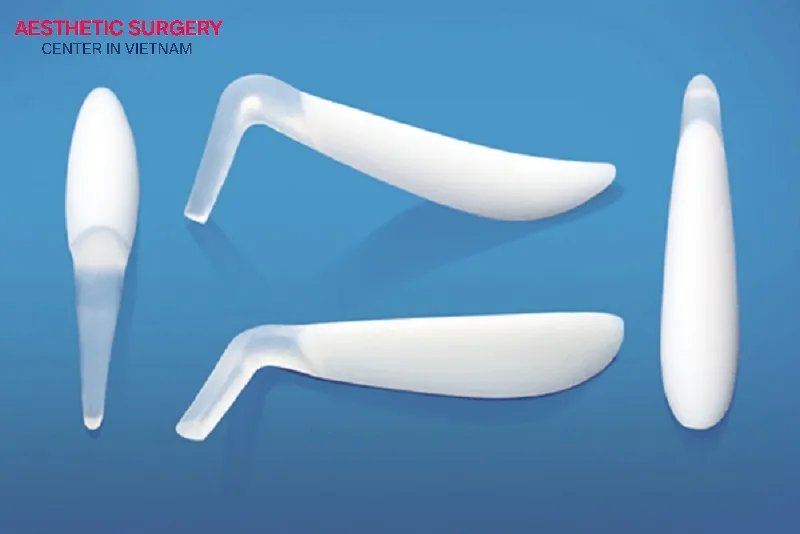
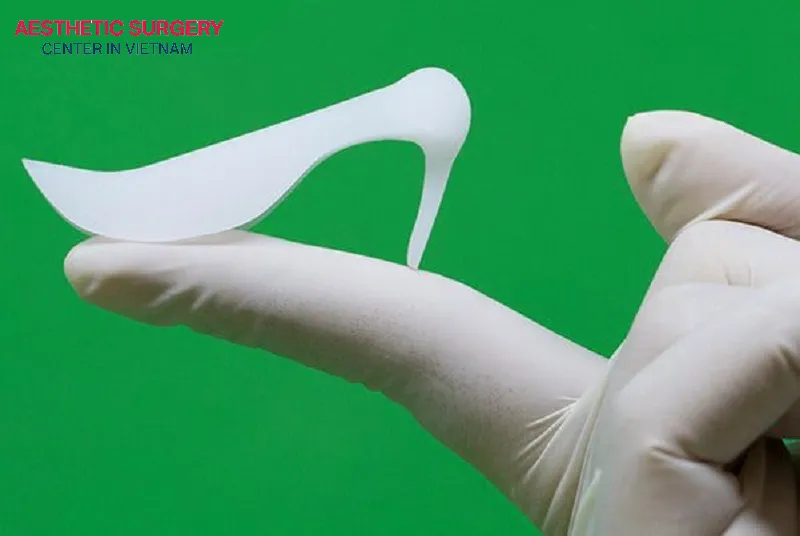
Silicone implants
Silicone implants are soft synthetic materials that are pre-shaped and have dominated the East Asian rhinoplasty market for many years.
Suitable Cases
- Used in most rhinoplasty procedures
Advantages
- Lowest cost among implant options
- Quick procedure with minimal invasiveness
- Predictable results
Disadvantages
- Risk of capsular contracture
- Implant visibility in patients with thin skin
- Risk of late-onset infection
- Higher long-term revision rate
It can be seen that each type of implant material has its own characteristics, advantages, and disadvantages. More importantly, each option is suitable for different cases. However, among the four implant methods mentioned above, Seoul Center Cosmetic Hospital always prioritizes the use of autologous cartilage for patients.















Comment on the post