


Confusion between septoplasty vs rhinoplasty is very common among individuals looking for a solution to correct nasal concerns. Although both procedures involve the nasal structure, their techniques and objectives are entirely different. If you are unsure which option best suits your needs, the information below will provide a clear understanding to help you make an informed decision.
What is septoplasty?
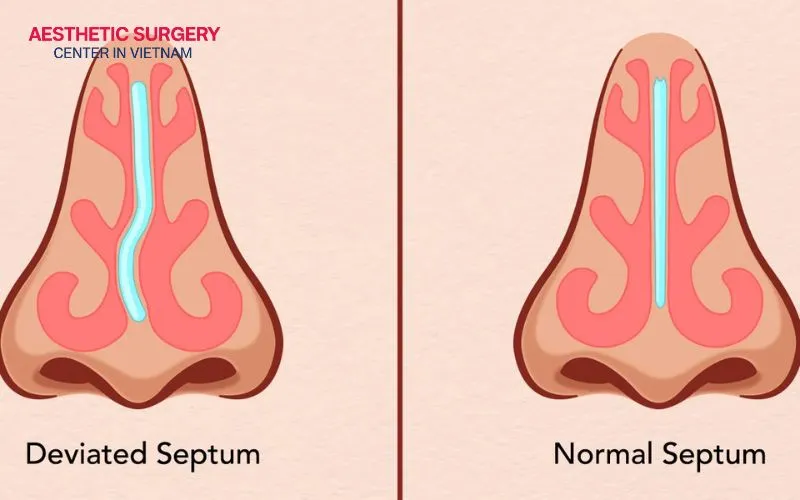
To fully understand the key differences between septoplasty vs rhinoplasty, it is important to first explore the basic definition of each procedure. Septoplasty is a surgical procedure focused entirely on restoring nasal function. Its primary goal is to correct the nasal septum, a structure made of cartilage and bone that measures approximately 7 cm in length in adults and divides the nasal cavity into two nostrils.
Under normal conditions, the nasal septum is positioned along the midline of the nose. However, due to congenital factors or injury, it may become deviated, narrowing or obstructing one or both airways. In such cases, the surgeon separates, removes, straightens, and repositions the septal cartilage back to the center, allowing air to flow more evenly and freely without altering the external appearance of the nose.
What is rhinoplasty?
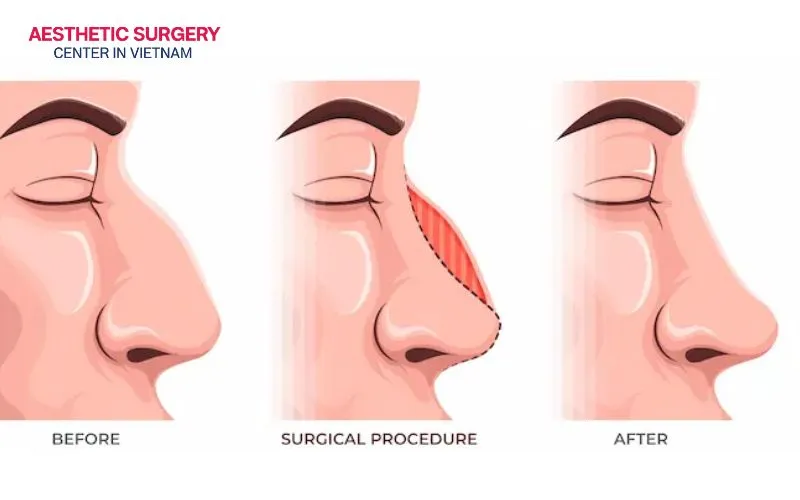
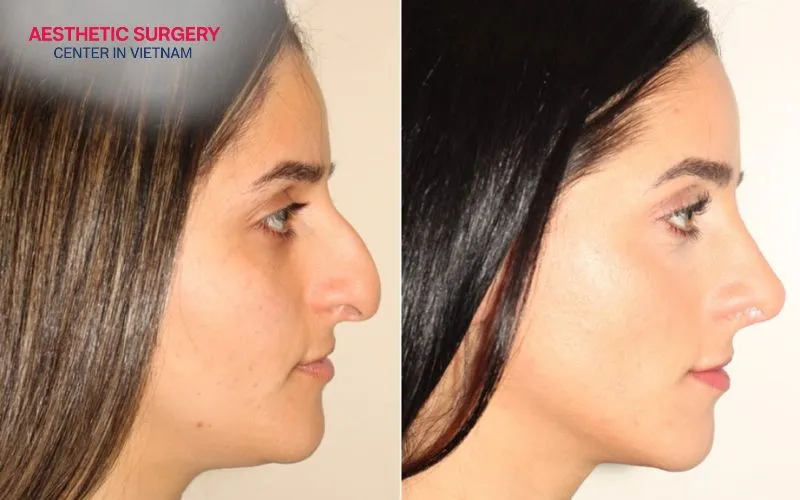
Rhinoplasty, commonly known as a nose job, is a surgical procedure that changes the shape, size, and proportions of the nose. This technique directly modifies the nasal bones, cartilage, and soft tissues to achieve the desired outcome.
While aesthetic concerns such as refining the nasal tip, reducing a dorsal hump, or narrowing the nostrils are the most common reasons individuals choose rhinoplasty, the procedure can also provide significant medical benefits. A notable example is functional rhinoplasty, a specialized branch of rhinoplasty that reconstructs structural defects affecting airflow, such as nasal valve collapse or nasal deformities resulting from trauma or accidents.
Septoplasty vs rhinoplasty: What’s the difference?
The fundamental difference between septoplasty vs rhinoplasty can be summarized by one core principle: septoplasty is performed to improve nasal function and breathing mechanics, while rhinoplasty is designed to alter the appearance of the nose.
The table below highlights the key distinctions that define these two procedures:
| Criteria | Septoplasty | Rhinoplasty |
| Purpose | Restores nasal function and breathing by correcting a deviated septum and addressing chronic nasal obstruction or related respiratory issues. | Enhances appearance by altering the shape and structure of the nose, sometimes combined with functional improvements. |
| Surgical technique | Involves internal correction of the septal cartilage and nasal bone structures. . | Involves external and/or internal modification of the nasal bones, cartilage, bridge, tip, and soft tissue covering the nose. |
| Anesthesia | Usually performed under general anesthesia or local anesthesia with sedation. | Typically requires deeper general anesthesia due to the complexity of structural modifications. |
| Surgery duration | Approximately 30–90 minutes on average. | Usually lasts between 1.5 and 4 hours. |
| Aesthetic outcome | Does not significantly change facial appearance and generally leaves no visible scars. The nasal shape is altered only when severe septal deviation has caused noticeable nasal crookedness. | Produces significant and permanent changes in nasal size, shape, and overall appearance. Any external scars generally fade over time. |
| Health insurance coverage | May be covered by health insurance when performed for medically necessary treatment. | Generally not covered by insurance, except in cases of functional reconstruction following severe trauma or injury. |
Detailed comparison of the differences between rhinoplasty and septoplasty.
Key benefits of each nose surgery
Understanding the unique benefits of each procedure can help you set realistic expectations before undergoing surgery.
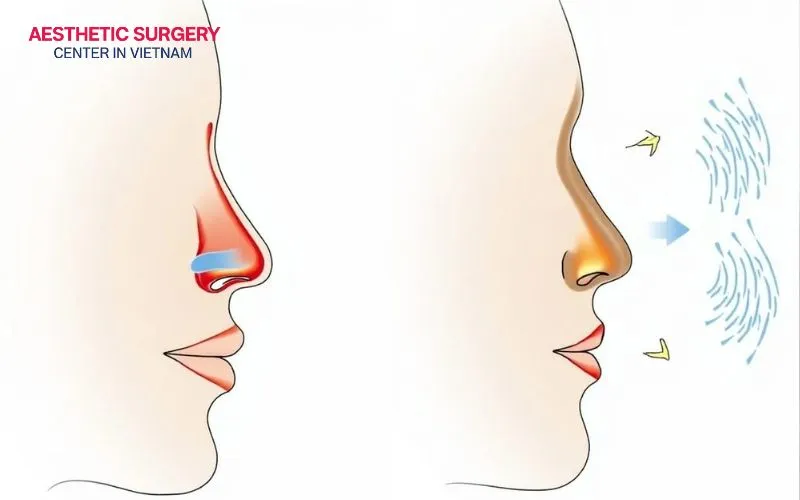
Septoplasty: Improving nasal function and breathing
A straight and properly aligned nasal septum can provide significant health benefits, especially for individuals struggling with chronic airway obstruction.
- Correcting a deviated septum helps open the nasal passages, eliminating the need to breathe through the mouth due to persistent nasal congestion.
- By improving airflow, septoplasty can significantly enhance sleep quality for both you and your partner.
- Better nasal ventilation promotes proper sinus drainage, reducing bacterial buildup and lowering the risk of recurrent sinus infections.
- Addressing septal deviation can improve your sense of smell and, consequently, your sense of taste.
- Enhanced oxygen intake following septoplasty may improve physical endurance and reduce shortness of breath during exercise and sports activities.
Rhinoplasty: Enhancing facial harmony and aesthetics
Beyond creating a more refined appearance, rhinoplasty can help individuals overcome self-consciousness and feel more confident in their daily lives.
- The procedure reshapes the nasal tip, bridge, and overall size of the nose to achieve better facial balance and harmony.
- Rhinoplasty can restore the nose after trauma or accidents that result in nasal bone fractures.
- It can correct congenital facial deformities associated with conditions such as cleft lip and cleft palate.
- The procedure helps address aesthetic concerns that may affect self-esteem and overall confidence.
Recovery process and aftercare timeline
When comparing septoplasty vs rhinoplasty, it is important to understand that successful outcomes depend on two key factors: the surgeon’s expertise and your commitment to proper post-operative care.
Septoplasty recovery
The initial recovery period after septoplasty typically lasts 1–2 weeks, although the internal cartilage and bone structures may require several months to fully stabilize.
- Symptoms during the first few days: Nasal congestion, mild headaches, ear pressure, and light pink-tinged drainage are common, especially while the nose is supported with medical packing to control bleeding.
- Wound care: You will need to perform nasal irrigation using saline solution as directed by your surgeon. If dried blood accumulates around the nostrils, you may gently clean the outer area with a cotton swab moistened with a diluted hydrogen peroxide solution, following your surgeon’s instructions.
- Lifestyle considerations: Keeping your head elevated while sleeping can help reduce swelling. Spicy foods should be avoided to minimize irritation and excessive sneezing.
- Returning to daily activities: Most patients can return to office work, walking, and light household activities within one week. However, heavy lifting and high-intensity exercise should be avoided for approximately one month.

Rhinoplasty recovery
Regarding the overall rhinoplasty recovery time, you can expect several weeks for the majority of swelling to subside, while the final nasal shape may take up to 12 months to fully settle and stabilize.
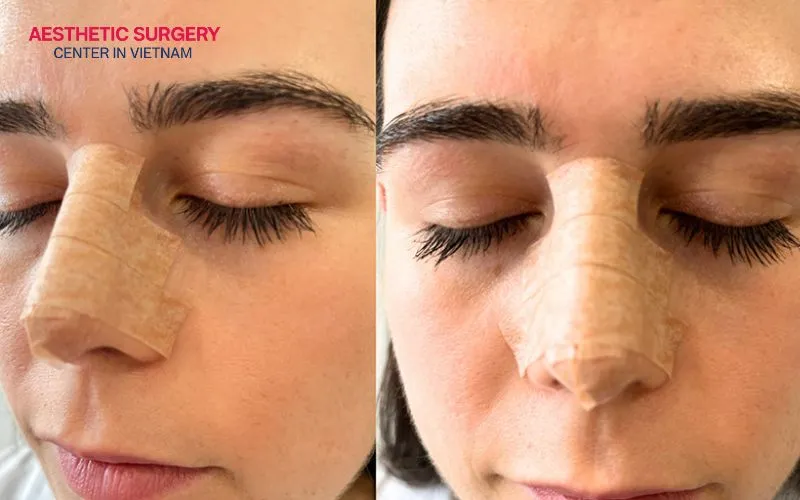
- Recovery during the first week: A nasal splint is typically worn to maintain the new shape of the nose. Swelling and rhinoplasty bruising may extend to the areas around the eyes and cheeks. Cold compresses applied around the surgical site can help reduce swelling and discomfort.
- Lifestyle considerations: Avoid any impact or pressure to the face, especially the nose. When outdoors, wear a wide-brimmed hat to protect the healing tissues from direct sun exposure.
- Returning to daily activities: Most patients can return to school or work within 1–2 weeks. Light exercise may be resumed after 4–6 weeks. Heavy lifting and high-intensity sports should be avoided for at least 6 weeks.
Potential risks and complications to consider
Any surgical procedure carries certain risks. However, these risks can be significantly reduced by choosing a qualified surgeon and a reputable medical facility equipped with modern technology and high clinical standards.
Risks and complications of septoplasty
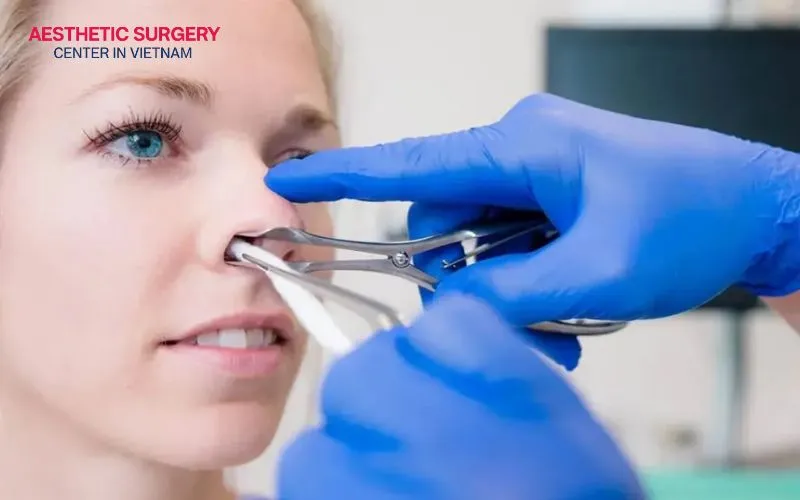
In addition to common surgical risks such as infection or adverse reactions to anesthesia, septoplasty may involve several procedure-specific complications that require careful monitoring:
- Septal cartilage injury: Although uncommon, a small perforation may develop within the nasal septum, potentially causing discomfort or a whistling sound during breathing.
- Internal blood collection (septal hematoma): If a blood clot forms and is not promptly identified and drained, it may lead to cartilage damage or tissue necrosis.
- Temporary facial numbness: Pressure or irritation affecting nearby nerves may result in temporary numbness in the upper teeth, gums, or nasal tip.
- Rare but serious complications: These may include cerebrospinal fluid leakage or toxic shock syndrome. Although extremely uncommon, both conditions require immediate medical attention and prompt treatment.
Risks and complications of of rhinoplasty
Because rhinoplasty involves comprehensive structural modification of the nose, it is important to carefully consider the potential risks and complications before undergoing the procedure, including:
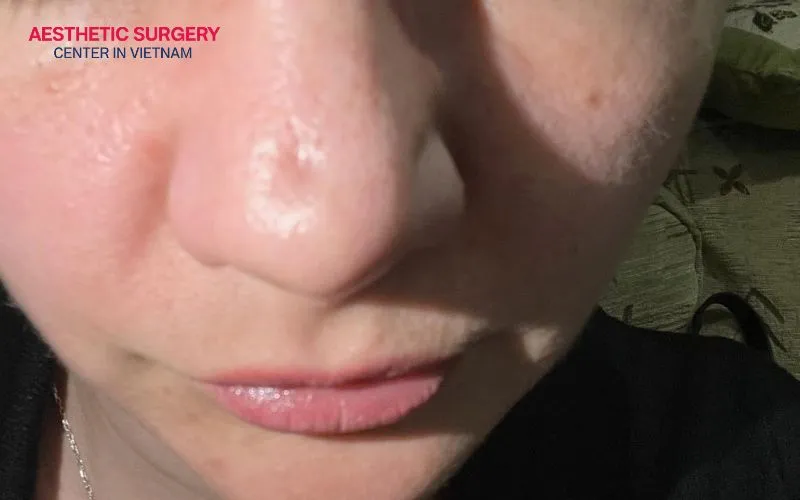
- Skin damage and visible scarring: The nasal skin may become thinner over time, leaving noticeable scars around the columella or causing permanent changes in skin pigmentation.
- Nasal asymmetry or deviation: The nose may heal in an uneven shape, shift off-center, or experience persistent rhinoplasty swelling stages that affects the final aesthetic result.
- Airway obstruction: Over-reduction of the nasal structure can weaken or collapse the nasal valve, restricting airflow and causing breathing difficulties.
- Implant-related complications: In some cases, the body may not adapt well to synthetic implants, leading to implant visibility, extrusion, or redness at the nasal tip.
Septoplasty vs rhinoplasty: How to choose the right procedure?
In reality, there is no universal standard for determining which nasal surgery is better. The right choice depends entirely on whether the procedure addresses your specific concerns and the underlying condition of your nose. The following signs can help you determine which option may be most suitable.
You may be a candidate for septoplasty if you experience:
- A deviated nasal septum that makes breathing difficult.
- Chronic nasal congestion that does not improve with medications or nasal sprays.
- Shortness of breath through one or both nostrils, leading to frequent mouth breathing.
- Recurrent nosebleeds, loud snoring, or sleep disturbances caused by reduced airflow.
- Persistent pressure or pain around the sinuses, nasal bridge, or eye area.
- A whistling sound during breathing due to restricted airflow within the nasal passages.
Rhinoplasty may be the more appropriate option if you:
- Feel dissatisfied with the size, shape, or symmetry of your nose.
- Have a prominent nasal hump, a depressed nasal bridge, or a visibly crooked nose.
- Have a bulbous nasal tip, wide nostrils, or loss of nasal tip support that affects facial balance.
- Have experienced nasal deformity or misalignment following an accident or sports-related injury.
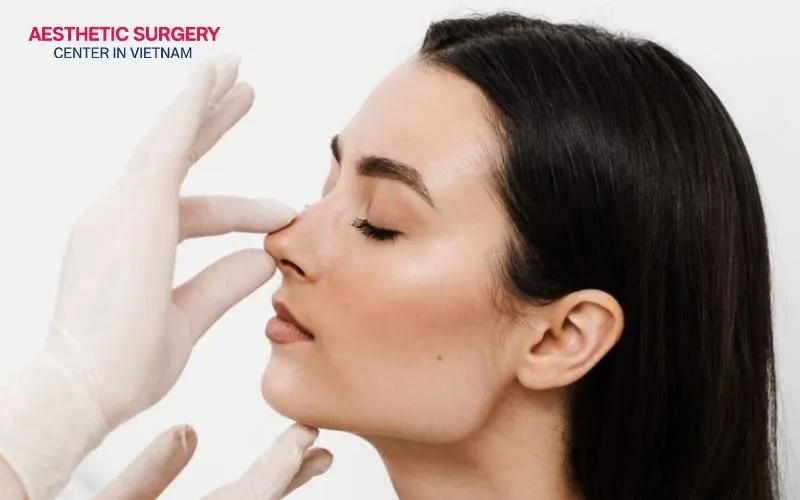
In addition, these two procedures can be performed together when a deviated septum is affecting your breathing while the external appearance of your nose does not meet your aesthetic expectations due to imbalance or asymmetry. This combined approach is known as septorhinoplasty, which integrates septoplasty with cosmetic rhinoplasty in a single procedure.
In summary, understanding the fundamental differences between septoplasty vs rhinoplasty is essential for choosing the most appropriate solution for your needs. Septoplasty is designed to correct internal structural issues that interfere with breathing, while rhinoplasty focuses on improving the shape, balance, and overall appearance of the nose. If breathing difficulties are affecting your sleep or a nasal deformity is impacting your confidence, contact Aesthetic Surgery Center in Vietnam at (+84) 916 189 447 for a personalized consultation and expert guidance on the most suitable treatment option.


















Comment on the post