



Rhinoplasty recovery time is one of the biggest concerns for many international patients choosing to enhance their appearance in Vietnam. Understanding the healing process not only helps you feel more confident but also ensures the best possible cosmetic results. Let’s explore the detailed rhinoplasty recovery process and recovery time, from the first few days after surgery until the nose shape becomes fully natural.
What is the rhinoplasty recovery time?
In general, rhinoplasty recovery time takes about 6 to 12 months for the nose to fully heal and settle into its final shape. However, most patients can return to work after around 7 to 10 days once swelling and rhinoplasty bruising have noticeably improved. Each person heals at a different pace depending on factors such as body condition, surgical technique, and post-operative care.
Factors affecting the recovery process after rhinoplasty
In reality, the rhinoplasty recovery process is different for each person because it is influenced by many factors. Understanding these factors can help you manage the healing process more effectively and reduce potential risks.
Below are the key factors that affect rhinoplasty recovery time and the stability of the final nose shape:
- Individual healing ability: Each person has a different rate of cell regeneration and swelling reduction.
- Surgical technique: Less invasive rhinoplasty methods often help wounds heal faster and reduce discomfort.
- Surgeon’s experience: A skilled surgeon can perform the procedure more precisely and minimize damage to surrounding soft tissue.
- Post-operative care: Proper wound cleaning and following prescribed medications are extremely important.
- Nutrition: A healthy diet provides essential nutrients that support immunity and speed up scar healing.
The perfect combination of professional surgical techniques and consistent aftercare can lead to the best possible results. To help you better understand the process, let’s explore the rhinoplasty recovery timeline in more detail through each stage of healing.
What is the recovery process like after rhinoplasty?
The rhinoplasty recovery process happens gradually through different stages. Each stage comes with noticeable changes and requires different care methods. Understanding this rhinoplasty recovery timeline can help you feel more prepared and confident throughout the healing journey.
First week after rhinoplasty
This is the most sensitive stage as your body begins adjusting to the structural changes inside the nose. You should spend as much time as possible resting and closely monitoring the healing process.
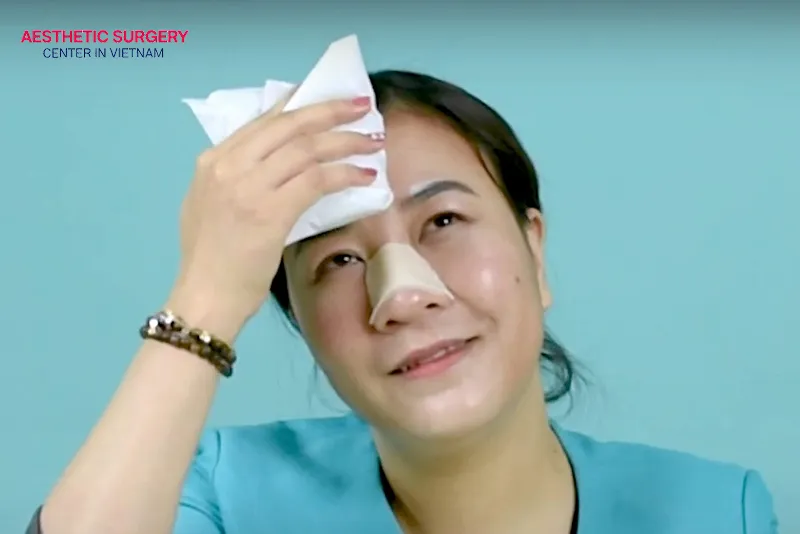
- Days 1–2: Post-surgical rest & initial healing: During the first two days, you may feel mild pain and notice some swelling around the nose. This is a completely normal reaction as the soft tissue responds to surgery. You should apply cold compresses around the nose area to help reduce discomfort and swelling. Keeping your head elevated while resting can also help prevent fluid buildup and minimize rhinoplasty swelling.
- Days 3–7: Swelling peaks & gradually decreases: By the third day, swelling and bruising may spread to the areas around the eyes and cheeks. There is no need to worry, as this is the stage when inflammation is at its peak before it slowly improves. From around day five onward, bruises usually begin turning yellow and fade more quickly. You may also find it easier to breathe as the tissues gradually start reconnecting and stabilizing.
First month after rhinoplasty: Week-by-week breakdown
After the challenging first week, your nose will begin entering the structural stabilization stage. Daily activities can gradually return to normal, but you still need to be careful during recovery.
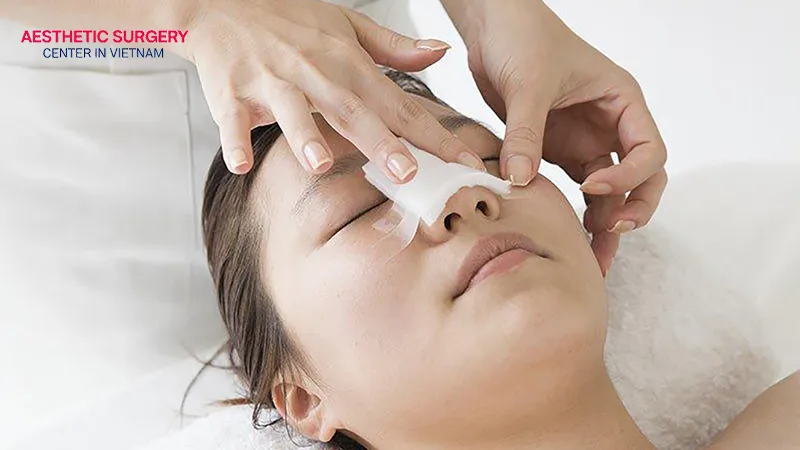
- Week 2: Visible improvements & resumption of light activities: At this stage, your surgeon will usually remove the stitches and nasal splint. The incisions have mostly healed, and the shape of the nasal bridge becomes more visible. You can return to work and resume light daily activities. However, wear glasses after rhinoplasty or applying heavy makeup should still be avoided to prevent pressure on the nose bridge.
- Week 3–4: Continued refinement: During the following weeks, the internal scar tissue continues healing and smoothing out. At this point, the nose already looks very natural, and there are usually very few visible signs of surgery. You may notice that the nasal tip feels softer, while numbness and stiffness gradually decrease. This is an important stage as the nose continues settling into its final shape according to the original surgical design.

Month-by-month changes throughout the year
The journey to achieving a perfect nose shape does not end after the first month. The healing process continues throughout the year as subtle changes beneath the skin help create a more refined and harmonious appearance.
- Months 2–3: Transitioning to a natural look: At this stage, around 90% of the swelling has usually disappeared. The nose no longer looks stiff and instead begins showing softer and more natural contours. The tissue beneath the skin becomes more stable, allowing the nose to better tolerate normal daily activities and environmental effects. You can confidently take photos and participate in social activities without worrying about visible signs of cosmetic surgery.
- Months 4–12: The final refinements: During the final months of the first year, the smallest details continue improving. The nasal tip gradually becomes more refined, while the skin over the nose becomes thinner and fits more closely around the implant or cartilage structure. Any deep internal inflammation has typically resolved completely, and the nasal structure becomes more stable and durable.
- After one year: You can fully enjoy a beautiful and long-lasting nose shape with natural-looking results.

The journey to achieving your ideal appearance requires patience and proper care throughout the rhinoplasty recovery time. We hope this article helps you feel more confident on your beauty journey in Vietnam. Don’t forget to carefully follow your surgeon’s instructions to ensure safety and achieve the best possible cosmetic results. If you have any questions, feel free to contact the Aesthetic Surgery Center in Vietnam for a detailed consultation with a specialist.














Comment on the post