


Persistent nasal congestion, a reduced sense of smell, and chronic snoring can do more than cause discomfort—they can significantly affect your quality of life. For individuals struggling with these issues, functional rhinoplasty may offer an effective solution. This procedure addresses structural problems inside the nose, helping restore proper airflow and improve olfactory function without necessarily changing the nose’s natural appearance. Learn more about the benefits, procedure, and cost of nasal airway surgery below.
What is functional rhinoplasty?
Functional rhinoplasty is a surgical procedure designed to correct structural abnormalities within the nose. Its primary goal is to restore normal breathing and improve nasal function, allowing patients to breathe more comfortably and enjoy a better quality of life.
Unlike cosmetic rhinoplasty, which focuses solely on enhancing the external appearance of the nose, nasal airway surgery aims to treat the underlying causes of breathing difficulties and other nasal function disorders. However, because the nasal framework and external shape are closely connected, surgeons can often combine functional and cosmetic goals in a single procedure, providing both improved nasal function and enhanced aesthetics when appropriate.
Commonly addressed conditions with functional rhinoplasty
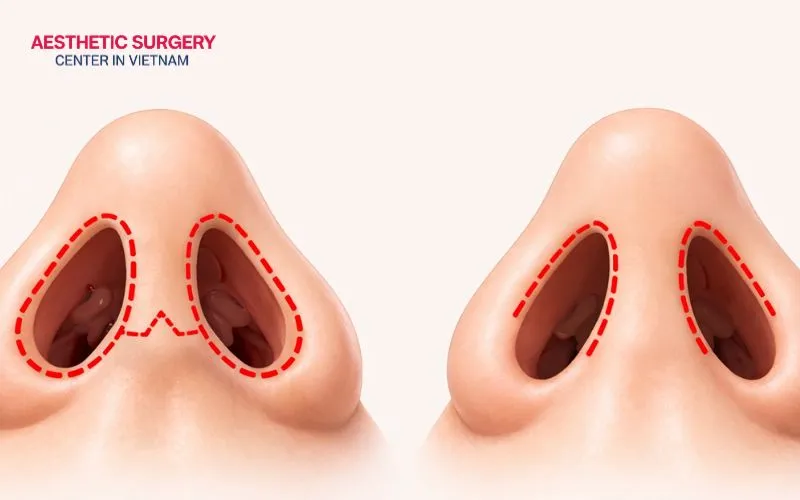
Functional rhinoplasty is designed to directly address anatomical abnormalities within the nasal cavity. Below are two of the most common conditions effectively treated through this procedure:
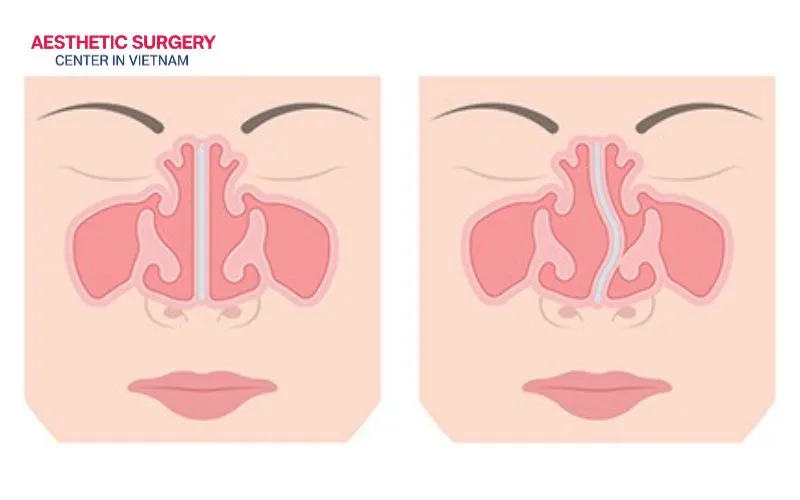
Deviated septum
The nasal septum is the cartilage-and-bone wall that separates the two nasal passages. When it becomes crooked, displaced, or fractured, airflow through the nose can be significantly restricted. This may lead to chronic nasal congestion on one side, headaches, facial pain, sinus infections, and snoring.
As part of nasal airway surgery, surgeons often perform septal correction techniques to remove obstructive tissue, straighten the septum, or use cartilage grafts to reconstruct and stabilize it. This helps restore proper airflow and improve breathing.
Nasal polyps
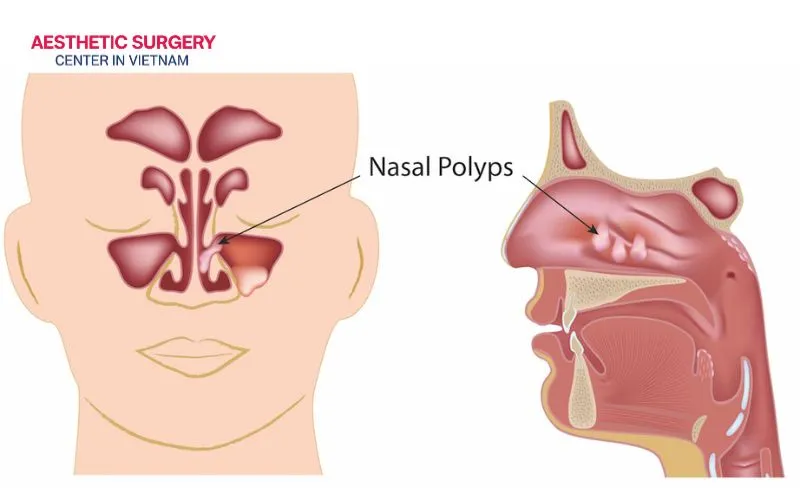
Nasal polyps are soft, noncancerous growths that develop on the lining of the nasal passages or sinuses. They are commonly associated with chronic inflammation caused by allergies or other inflammatory conditions. Although benign, large polyps can block the airway and worsen sinus-related symptoms.
During functional rhinoplasty, these polyps can be safely removed to reopen the nasal passages and improve airflow. This may also help reduce allergy-related symptoms and minimize recurrent sinus problems, particularly in individuals with seasonal allergies.
Nasal valve collapse
The internal nasal valve is the narrowest segment of the nasal airway and plays an essential role in regulating airflow resistance for efficient breathing. Nasal valve collapse occurs when the surrounding cartilage support weakens due to trauma or complications from previous rhinoplasty procedures.
To correct this condition, surgeons use advanced cartilage grafting techniques, particularly spreader grafts, to strengthen the nasal framework and widen the internal nasal valve. This improves airflow and helps the airway remain open during deep breathing.
Enlarged turbinates
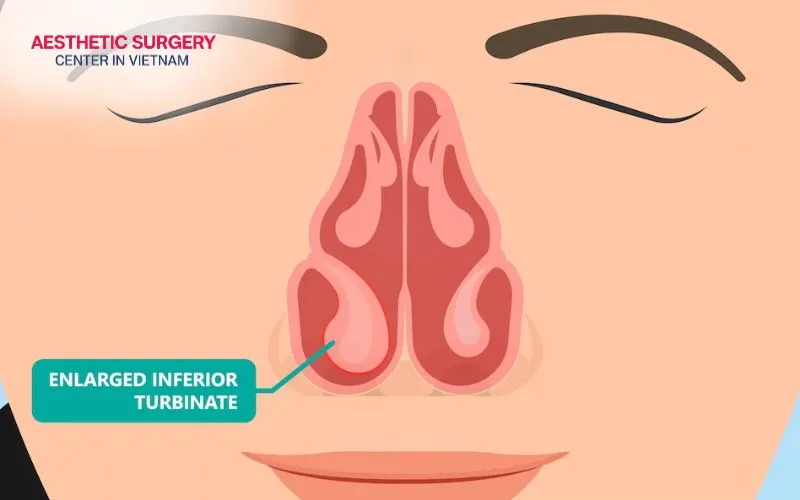
The turbinates help protect the respiratory system by filtering dust and other airborne particles while regulating the temperature and humidity of inhaled air. However, chronic irritation from allergies or inflammation can cause them to become enlarged, reducing the available space within the nasal cavity.
In these cases, turbinate reduction may be performed as part of functional rhinoplasty. Depending on the patient’s anatomy and the severity of the enlargement, surgeons may use mucosa-preserving techniques such as submucosal removal of excess bone or tissue, radiofrequency tissue reduction, or turbinate outfracture to improve airflow while maintaining normal nasal function.
Key benefits of the functional rhinoplasty
Functional rhinoplasty offers more than structural improvements to the nose—it can also enhance overall health and quality of life. Here are some of its most significant benefits:
- Restores healthy breathing: By reconstructing and reinforcing the nasal framework, the procedure improves airflow through the nasal passages, helping eliminate chronic nasal congestion and breathing difficulties.
- Provides a long-term solution: Because the surgery corrects the underlying anatomical problem, it reduces reliance on medications that only provide temporary symptom relief and delivers lasting results.
- Improves sleep quality: A clearer airway allows oxygen to flow more efficiently during sleep. This can reduce mouth breathing, snoring, and symptoms associated with sleep-disordered breathing, helping patients achieve deeper and more restorative sleep.
- Optimize physical performance: Easier nasal breathing helps increase the amount of oxygen entering the body. This improves endurance, enhances cardiovascular performance during exercise, and reduces daytime fatigue.
- Reduce sinus-related conditions: By addressing structural obstructions, the procedure supports the natural drainage of the sinuses. As a result, you may notice a significant reduction in the frequency of chronic sinus infections while eliminating headaches caused by sinus pressure.
- Restore function after trauma: For patients with nasal injuries, fractures, or damage to the nasal cartilage and bone, this procedure helps reposition and reconstruct the affected structures, restoring the nose’s original balance, symmetry, and physiological function.
- Preserve a natural appearance: The primary goal of the surgery is to correct functional issues. Unless you request cosmetic enhancements, your natural nasal shape will remain unchanged, ensuring a harmonious appearance without visible signs of surgery.

What to expect during the functional rhinoplasty procedure?
Every functional rhinoplasty procedure is customized based on the patient’s specific condition and anatomical needs. In most cases, it is performed as an outpatient surgery, meaning the procedure takes place in an accredited surgical facility and patients can typically return home the same day. The surgery usually lasts between 1.5 and 4 hours, depending on the complexity of the case.
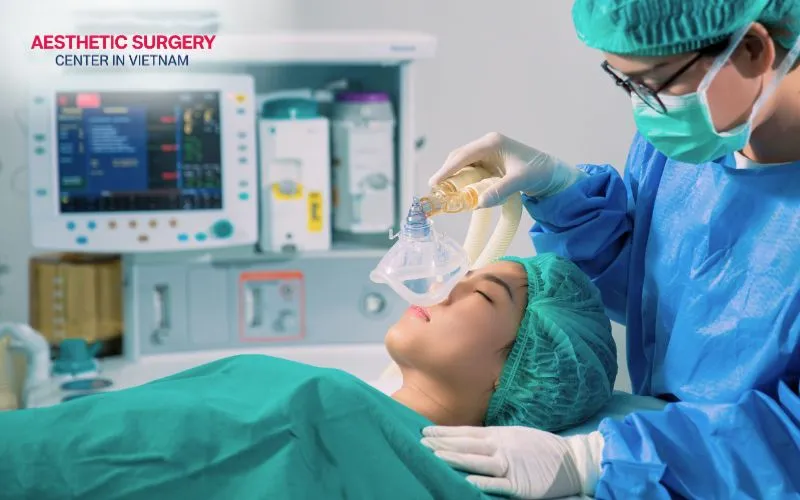
Anesthesia administration
Depending on the complexity of the surgery, your surgeon may recommend one of the following anesthesia options:
- General anesthesia: This is the most common choice. You will be completely asleep throughout the procedure and a breathing tube will be used to support your airway.
- Local anesthesia with sedation: The surgeon administers a local anesthetic to numb the nasal area while sedative medication is delivered intravenously. You will remain relaxed and drowsy but will not be fully unconscious.
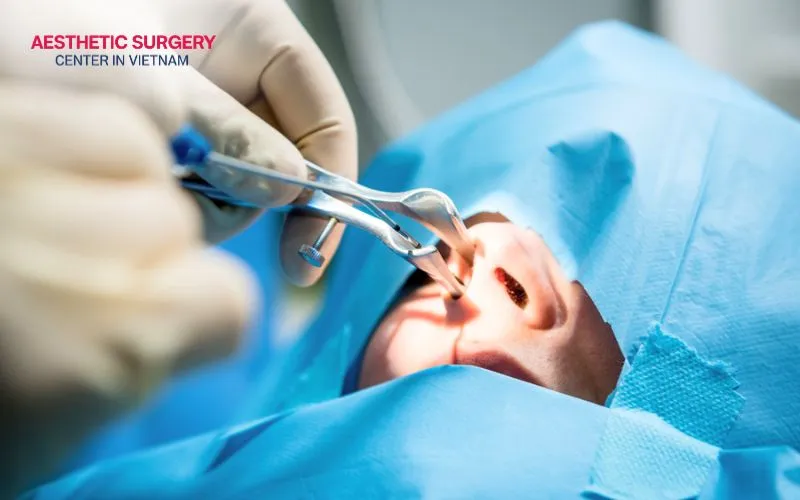
Surgical access
The surgeon creates an incision to access the underlying cartilage and bone structures of the nose. There are two main surgical approaches:
- Closed rhinoplasty: All incisions are made inside the nostrils, leaving no visible external scars. This technique is commonly used when only septal correction is required.
- Open rhinoplasty: A small incision is made across the columella, the strip of skin between the nostrils. This approach is typically used for nasal valve reconstruction or when functional and cosmetic rhinoplasty are performed together.
Cartilage and structural reconstruction
After carefully elevating the nasal lining, the surgeon reshapes and reconstructs the internal nasal structures:
- Deviated, displaced, or fractured septal cartilage and bone are straightened, trimmed, or rebuilt as needed.
- If nasal valve narrowing is present, the surgeon may harvest the patient’s own cartilage to create grafts that reinforce the nasal framework and help keep the airway open.
Closure and stabilization
- The skin and nasal lining are repositioned, and the surgeon closes the incisions using absorbable sutures, eliminating the need for suture removal.
- Nasal airway surgery does not typically require nasal packing inside the nasal cavity. Instead, soft silicone splints are placed inside the nose to support the septum and are usually removed after 5–7 days.
Recovery room
Once the procedure is complete, you will be transferred to a recovery room where medical staff closely monitor your condition as the anesthesia wears off. If you are stable and fully awake, you can usually return home the same day. However, if any unexpected health concerns arise, you may be advised to stay overnight for additional observation.
Functional rhinoplasty recovery
The speed of functional rhinoplasty recovery largely depends on whether the procedure involved functional correction alone or was combined with cosmetic nasal reshaping. A typical rhinoplasty recovery time includes:
- Days 1–3: Pain is usually mild and is often described as pressure, congestion, or a sensation similar to a sinus infection. Swelling and rhinoplasty bruising around the eyes typically peak during the first few days. Because the internal silicone splints partially block the nasal passages, you may need to breathe through your mouth during this period.
- 1 week: The surgeon will remove the silicone splints and any remaining sutures if necessary. Once the splints are removed, airflow through the nose improves immediately, and many patients notice a significant difference in their ability to breathe. For international patients traveling to undergo surgery, air travel is generally possible 7–10 days after splint removal, provided the surgeon confirms that nasal and sinus pressure has stabilized during follow-up evaluation.
- 1–2 weeks: Most bruising will have resolved, and you can confidently return to office work and other routine daily activities.
- 6 weeks to 3 months: Internal swelling within the nasal passages gradually disappears. During this stage, breathing function continues to improve and typically reaches its optimal level.
- 6–12 months: The deeper nasal structures complete the healing process. For patients who undergo nasal airway surgery combined with cosmetic rhinoplasty, this is when the final nasal shape becomes fully refined and permanently stabilized.
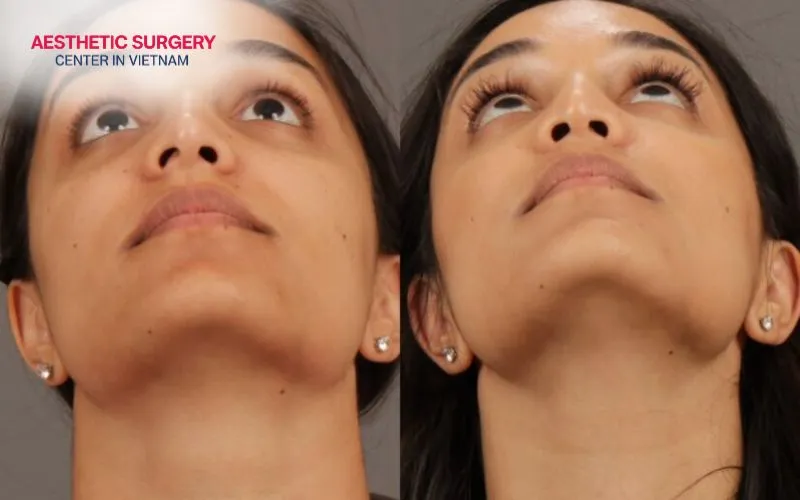
How much does functional rhinoplasty cost?
The total functional rhinoplasty cost is influenced by several factors, including the surgeon’s fee, anesthesia fee, operating room charges, medical testing, and post-operative follow-up care. In addition, revision procedures or surgeries that combine functional correction with cosmetic rhinoplasty are generally more expensive due to their increased complexity.
In the United States, the cost of functional rhinoplasty typically ranges from $15,000 to $30,000 USD. In Australia, patients can expect to pay approximately $11,000 to $20,000 USD for the procedure.
However, when undergoing treatment in Vietnam, the cost generally ranges from $1,000 to $3,600 USD. This allows patients to achieve significant savings compared to treatment in the United States or Australia while still receiving a comparable standard of medical care.
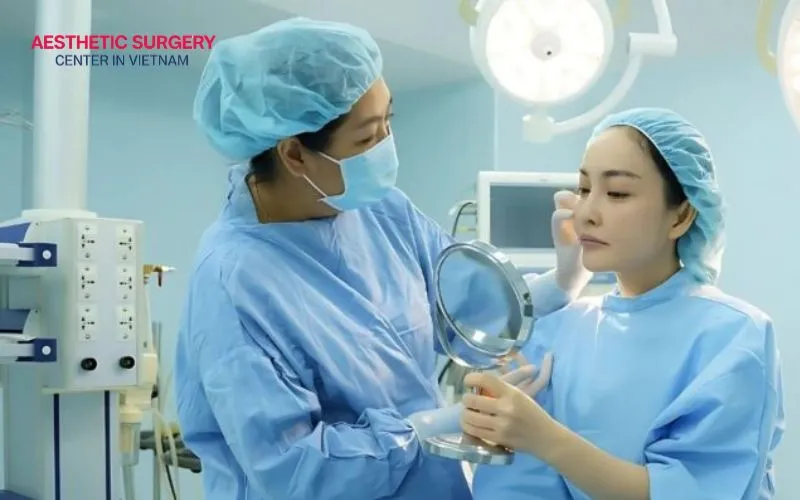
In addition to competitive pricing, nasal airway surgery services in Vietnam offer several advantages:
- Plastic surgeons in Vietnam hold internationally recognized medical qualifications, have experience performing thousands of clinical cases, and are skilled in both functional nasal reconstruction and cosmetic rhinoplasty techniques.
- Procedures are performed in licensed private hospitals equipped with advanced 3D imaging technology, modern operating rooms, and FDA-approved implant materials.
- Reputable clinics provide multilingual support teams and comprehensive services, including interpretation assistance, accommodation at 4- to 5-star hotels, and dedicated post-operative care with transparent pricing and no hidden fees.
In summary, functional rhinoplasty is a worthwhile investment for improving long-term quality of life. However, the success of the procedure depends largely on the surgeon’s understanding of nasal anatomy. Choosing an experienced specialist helps ensure that advanced surgical techniques are applied accurately and tailored to your individual needs. If you are looking for a comprehensive solution to improve nasal breathing, the team at Aesthetic Surgery Center in Vietnam is ready to assist you. Contact the hotline at (+84) 916 189 447 for a personalized consultation today.

















Comment on the post