



The hair transplant method is increasingly becoming an ideal solution for many people to address baldness, thinning hair, and excessive hair loss. However, along with the desire to regain a naturally beautiful head of hair, many still wonder, are there any hair transplant risks? In this article, let’s take a closer look at the potential risks of hair transplant and important precautions to help you make the best decision.
What is a hair transplant?
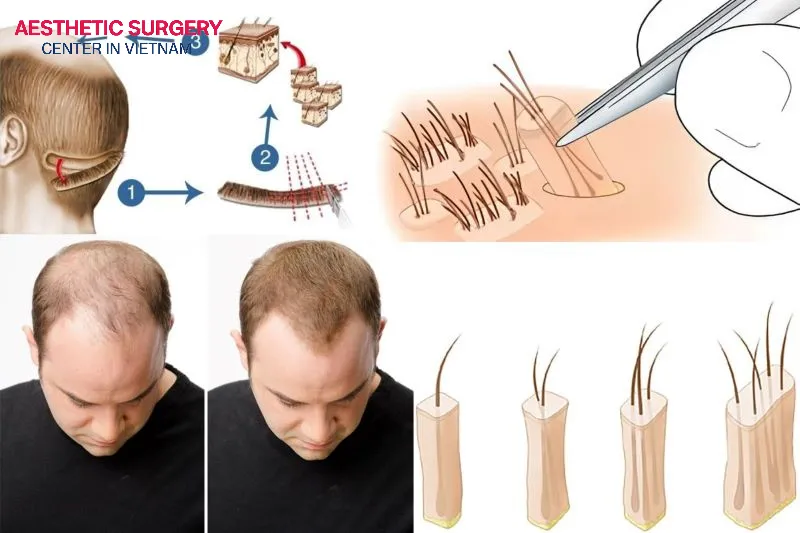
A hair transplant is a cosmetic procedure in which healthy hair follicles are taken from areas with dense hair growth and transplanted into bald or thinning areas. After transplantation, the follicles continue to grow naturally, helping to restore thicker and fuller hair. Currently, patients can choose from several advanced techniques, including the innovative stem cell hair transplant, as well as the following popular methods:
- Follicular Unit Extraction (FUE): Individual hair follicles are directly extracted using a specialized Choi implanter pen and then transplanted into the bald area. This method leaves minimal scarring, only tiny dots that are easily covered by surrounding hair, and offers a fast recovery time of about 10–14 days.
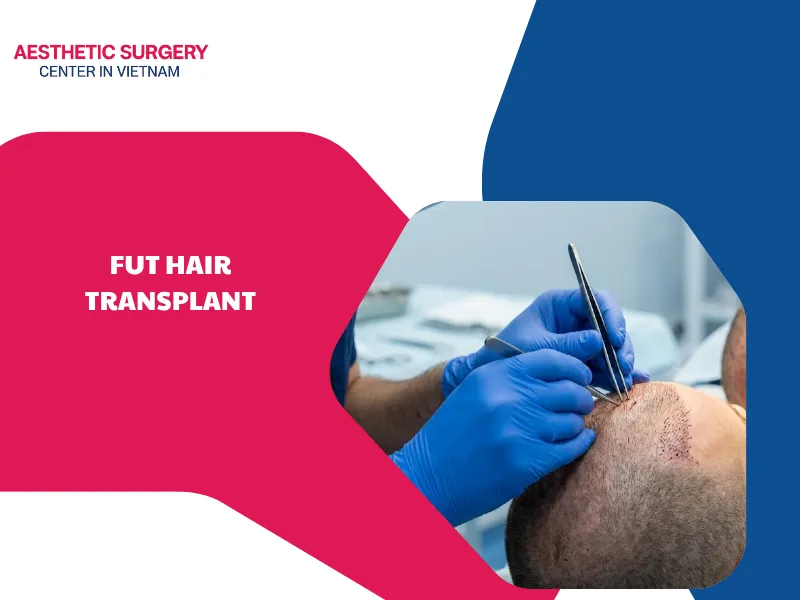
- Follicular Unit Transplantation (FUT): In the FUT method, the surgeon removes a strip of scalp measuring about 6–10 cm from the back of the head. This technique allows for the extraction of multiple follicles at once, making it effective for extensive baldness. However, it may leave a linear scar in the donor area.
Is hair transplant harmful?
A hair transplant is considered a minimally invasive procedure since it only affects the outer scalp and uses the patient’s own hair follicles. However, like any medical procedure, there are still some hair transplant risks, such as mild pain, swelling, or itching.
Therefore, the most important thing is to choose a reputable clinic and carefully follow your doctor’s post-procedure instructions to minimize any possible complications.
Hair transplant risks
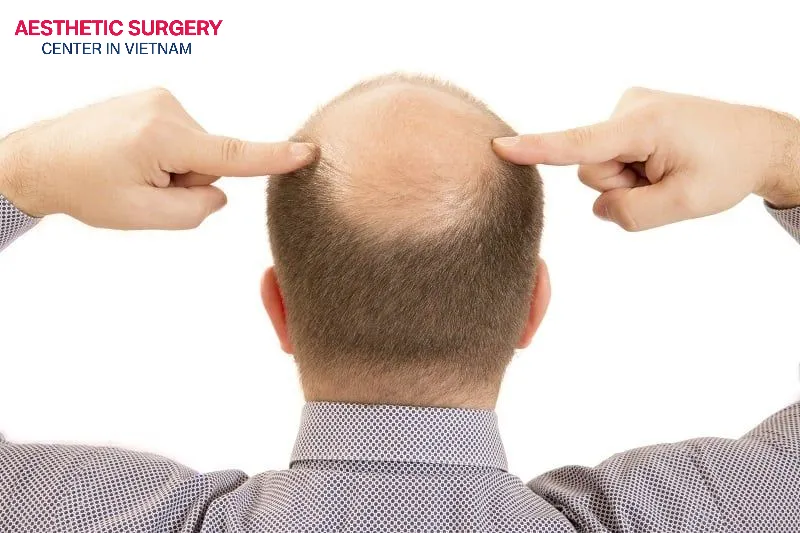
Although hair transplant is generally safe, complications cannot be completely avoided. In some cases, patients may experience follicle damage, infection, or hair shedding after the procedure.
However, these hair transplant risks are mostly manageable if the surgery is performed by a skilled and experienced doctor in a sterile medical environment.
>>> See more: Can body hair be transplanted to scalp?
Possible risks of hair transplant
These complications are usually not life-threatening but may affect the aesthetic outcome and cause discomfort during hair transplant recovery. Below are some common hair transplant risks you should be aware of:
Follicle damage
During the process of extracting or transplanting hair, some follicles may become damaged due to the surgeon’s lack of skill or the use of unsafe equipment. When hair follicles are injured, their survival rate decreases, causing the newly transplanted hair to grow unevenly, become thin, or even fail to grow at all. This issue usually becomes noticeable a few months later, when the transplanted area appears sparse.
Hair shedding in the transplanted area
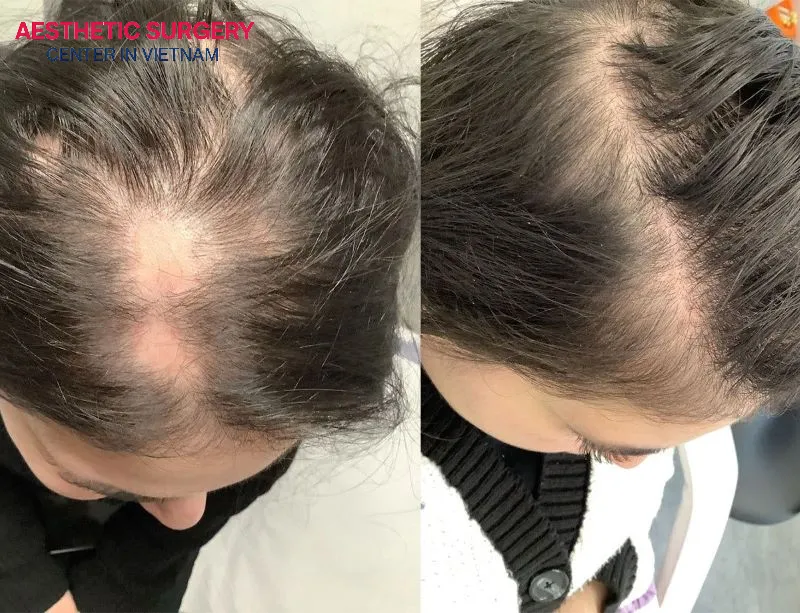
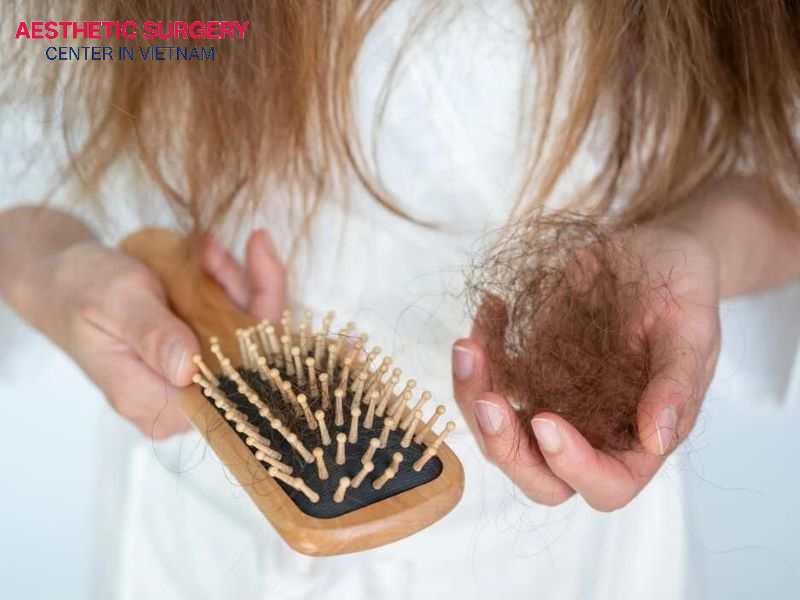
Although hair growth is expected soon after the procedure, most patients experience a period of significant hair shedding that usually begins 1–6 weeks after the transplant. This is a natural reaction of the scalp, causing weak hairs to fall out more easily than usual.
While this stage can be concerning, it is mostly temporary. After a few months, once the hair follicles stabilize, new and stronger hair will start to grow back.
Infection
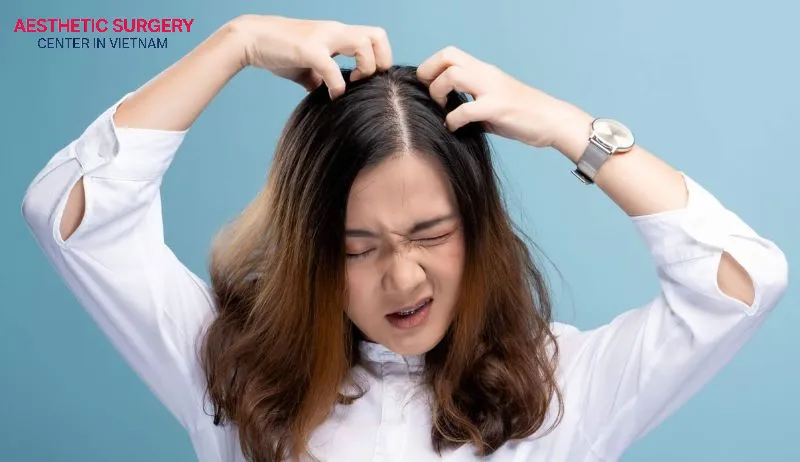
One of the rare but serious hair transplant risks is infection, which can occur if not treated promptly. The main causes are usually non-sterile surgical conditions or improper wound care after the procedure. If bacteria penetrate the scalp, you may notice an infected hair transplant follicle, which appears as a painful, red bump similar to a pimple.
Symptoms of infection include redness, swelling, discharge, or pus. In mild cases, it can be treated with antibiotics, but if the condition worsens, it may damage the hair follicles and affect the overall transplant results.
Scarring
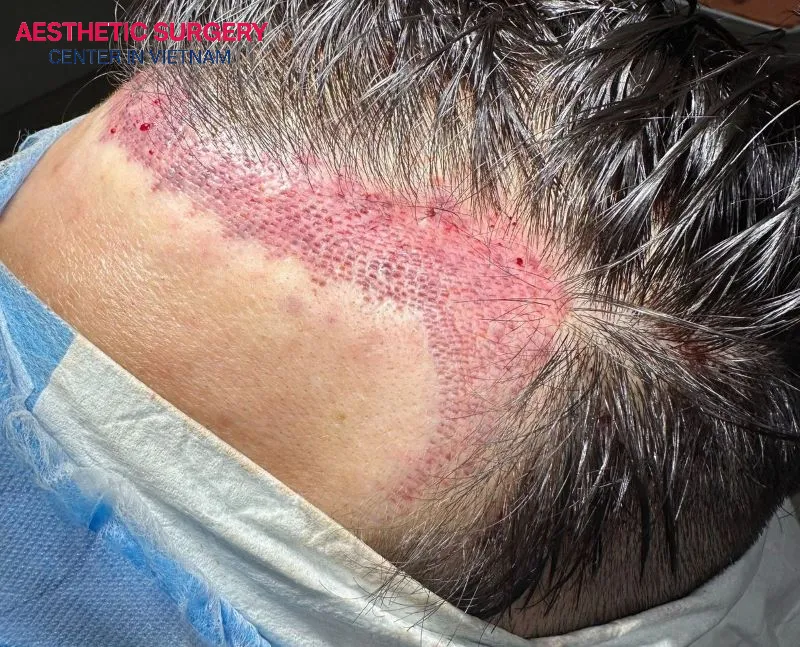
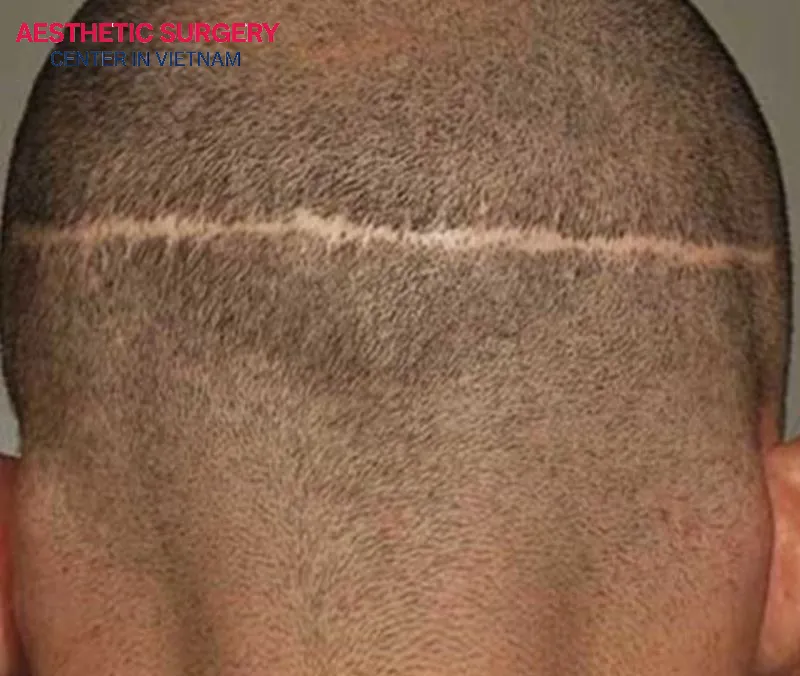
After a hair transplant, small scars may form, especially in patients who undergo the FUT technique. In this method, the surgeon removes a strip of scalp measuring about 6–10 cm to extract hair follicles, which can leave a thin linear scar at the back of the head.
Although regrown hair usually covers most of the scar, it may still be visible in people prone to keloids or those who keep their hair very short.
Temporary scalp numbness
Some patients report feeling numbness or reduced sensitivity in the scalp, especially around the donor or transplanted areas after a hair transplant. This can happen when small nerve endings under the skin are affected during the procedure. However, this condition is generally harmless and usually resolves on its own within a few weeks.
>>> See more: Is a hair transplant worth it?
Essential aftercare tips for your hair transplant
To achieve the best results, patients need to follow proper post-surgery care. Here are some important things to know, as they affect the survival rate of hair follicles and the natural outcome after the procedure.
- Keep the donor and transplanted areas clean: Wash gently with a specialized solution as instructed by your doctor, and avoid using regular shampoo or washing too hard during the first week.
- Avoid scratching or rubbing the scalp: Newly transplanted hair follicles are very fragile, so you should not scratch when it itches, rub vigorously, or let the area be bumped during daily activities.
- Do not wear tight hats or stay under the sun for too long: Wearing hats too often can block the scalp and reduce blood circulation to the follicles, while sun exposure can damage and darken the transplanted area.
- Take antibiotics and anti-inflammatory medications as prescribed: Follow the correct dosage and duration, and do not stop taking the medicine early even if symptoms improve, to prevent infection and reduce swelling.
- Attend regular follow-up appointments: Regular check-ups allow the doctor to assess your scalp condition, monitor follicle growth, and promptly address any possible hair transplant risks.
Through this article, we hope you now have a clearer understanding of the possible hair transplant risks that may occur during the procedure. Although this is considered a safe cosmetic method, achieving the best results depends on choosing a reputable clinic and a qualified specialist. Being well-informed before making your decision will help you minimize side effects and enjoy naturally thick, healthy hair as desired.
>>> See more: Hair botox treatment











Comment on the post