



Have you just undergone a hair transplant but the results are not as expected? Sparse hair growth, an unnatural hairline, or uneven scarring on the scalp may indicate a bad hair transplant. This is an unwanted risk, and the first step is to identify the causes and seek timely solutions. Below are the signs of a hair transplant gone wrong and the medically approved procedures you need to know to fix a failed surgery.
Can hair transplant gone wrong?
The answer is YES. A hair transplant is a delicate medical procedure that requires a combination of precise surgical technique and a refined aesthetic eye. Mistakes can happen if the surgeon lacks experience or the procedure is not properly managed. A bad hair transplant can lead to serious consequences, making the scalp condition worse than before. Common causes of transplant failure include:
- Low-quality clinics using outdated technology or techniques.
- Inexperienced or unskilled surgeons performing the procedure, leading to errors.
- Poor-quality or improperly administered anesthetics during surgery.
- Neglectful post-transplant care, with clinics failing to provide proper guidance for the hair transplant recovery phase.
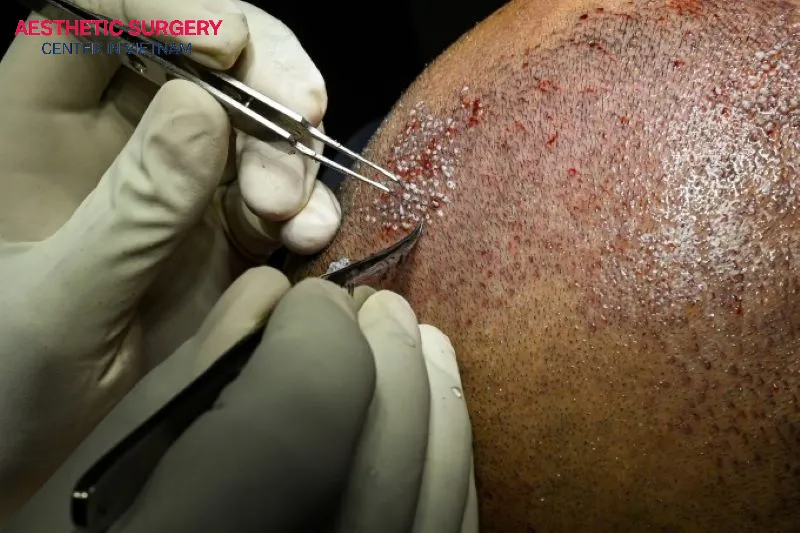
According to the International Society of Hair Restoration Surgery, illegal or unregulated clinics are the leading cause of procedures where a hair transplant gone wrong.
These low-quality clinics are often found in countries with unclear or nonexistent cosmetic regulations. They advertise heavily on high-ranking Google pages to mislead customers. Many even falsify staff or surgeon credentials to make quick profits, without concern for the consequences.
Therefore, patients must be careful when choosing a clinic. Prioritize reputable clinics with skilled surgeons, medically standardized hair transplant procedures, and modern technology support.
>>> See more: Hair plugs vs transplant
6 signs of a hair transplant gone wrong
If you suspect your hair transplant gone wrong, you can confirm it through clear signs like sparse growth, an unnatural hairline, or disorganized hair direction. Furthermore, a bumpy scalp or raised scars are indicators of a failed surgery. Unlike typical hair transplant side effects that are temporary, persistent infection or scalp necrosis are critical warning signs that require immediate medical attention. You can confirm it through six clear signs detailed below:
Sparse and uneven hair growth
This is a sign of failure in terms of quantity. Medically, the survival rate of transplanted follicles should reach 90–95%. However, in botched cases, even after 9–12 months (when the hair should have fully stabilized), you can still see the scalp clearly, with hair growing patchily. The cause is that some follicles died during extraction or implantation, preventing them from developing into healthy hair strands.
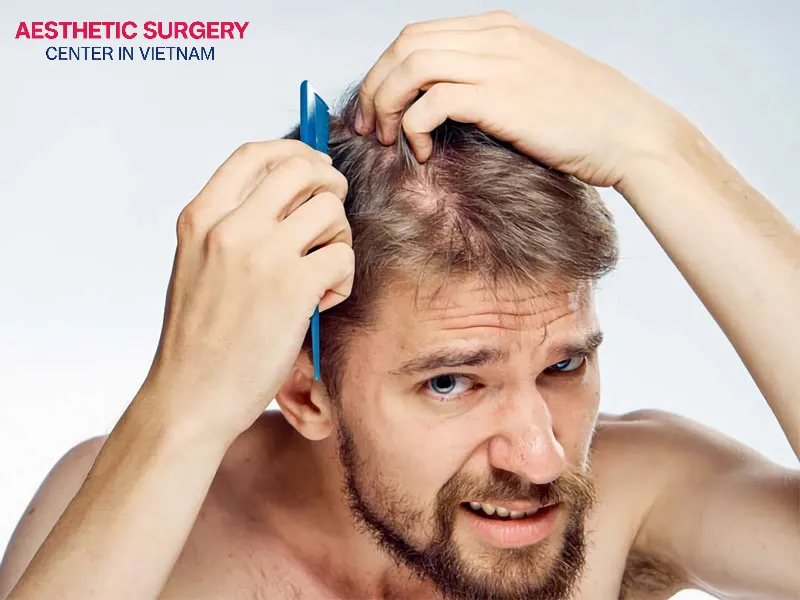
Rigid, unnatural hairline
A natural hairline has a gentle curve, with fine baby hairs in the front row and density gradually increasing toward the back. In a bad transplant, the hairline may appear too straight, too low, or perfectly rounded. The “doll hair” effect (transplanting thick clusters of hair in the front row) can make the forehead look harsh and unnatural.
Disorganized hair growth direction
If after the transplant you notice hairs growing straight up instead of lying naturally, or strands crossing chaotically, it becomes difficult to comb or style. Overall, the hair may look like a patch of wild grass.
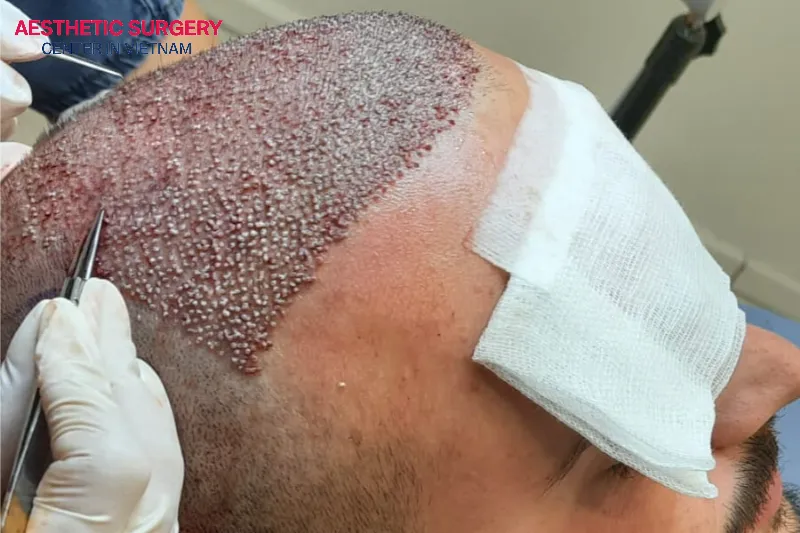
Bumpy scalp, raised or depressed scars
After healing, the transplanted scalp should be relatively smooth compared to surrounding areas. In a failed transplant, the scalp may appear bumpy, with small lumps at the follicle sites like pebbles, or even deep indentations. This results from incorrect punch sizes or improper follicle depth placement, causing hair transplant scars tissue to form permanently around the hair roots.
Patchy donor area (back of the head) resembling termite damage
Overharvesting the donor area can make the hair there too thin, revealing white patches of scalp or leaving numerous tiny white scars. From behind, the scalp may look patchy, similar to fungal damage or termite-eaten wood, significantly affecting aesthetics even if the front transplant grew well.
Prolonged infection or scalp necrosis
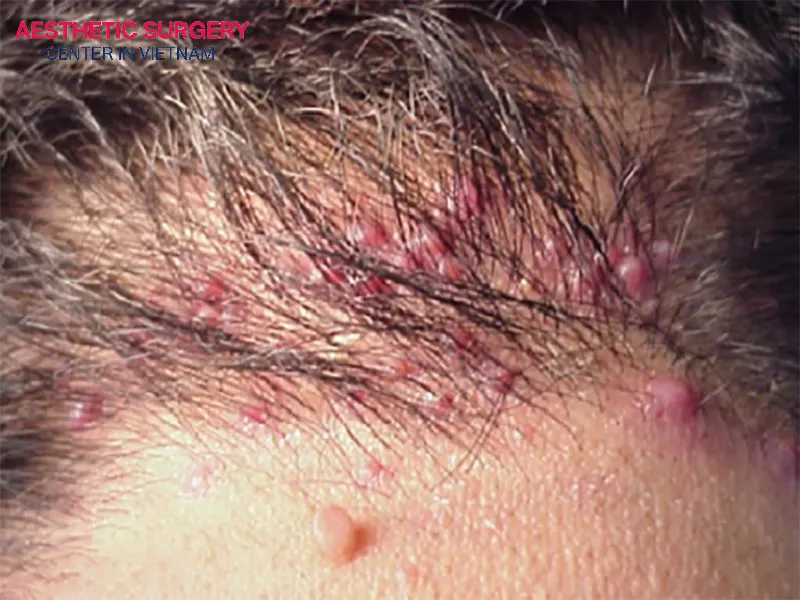
The transplanted area may remain red, swollen, painful, or pus-filled for several weeks. A common sign of a deeper issue is an infected hair transplant follicle, which can appear as a persistent, inflamed bump or “pimple” that fails to heal. In severe cases, parts of the scalp turn dark purple or black, develop deep hair transplant scabs, and fail to grow hair (necrosis). This is usually caused by poor sterilization, unhygienic equipment, or anesthesia techniques that block essential blood flow to the scalp.
Botched celebrity hair transplants
Today, illegal clinics and unlicensed hair transplant providers have caused many people to experience failed transplants due to poor-quality procedures, making their hair worse. Even celebrities are not immune to such hair transplant risks. For example, some well-known figures have unfortunately faced failed hair transplants:
Elton John
Music legend Elton John was one of the pioneers of hair transplants in the late 1970s. He described his procedure as “painful as hell” and said the results looked like “a dead squirrel glued on my head.” At that time, techniques were primitive (classic FUT with large punch holes), creating an unnatural “rice field” effect. Additionally, Elton John admitted that wearing hats immediately after surgery and abusing stimulants in his youth caused many follicles to fail. As a result, he lost all transplanted hair and had to rely on expensive wigs for the rest of his life.
Wayne Rooney
Former Manchester United star Wayne Rooney publicly underwent a hair transplant early (in 2011) and initially had great results. However, after a few years, the density on the top of his head gradually thinned again, requiring multiple touch-up transplants. This was not necessarily a technical failure but an issue with the treatment plan. Rooney had his transplant at a young age while his hereditary hair loss was still actively progressing.
Hair transplant in Turkey – BAAPS patient
Turkey is a popular medical tourism destination due to numerous clinics offering low-cost services and attractive advertisements. However, results are not always as expected. For instance, a BAAPS patient paid £1,250 for a hair transplant promising excellent results and full service but ended up with a failed procedure and permanent scarring. The cause was an unqualified, poorly trained practitioner who overharvested the donor area, causing severe damage and scar formation.
Botched hair transplant causes
According to experts, there are many reasons a hair transplant can fail. Specifically:
Overharvesting hair follicles
Taking too many follicles from the donor area is a serious mistake that can cause permanent aesthetic and biological damage. When a surgeon tries to extract too many grafts in one session or harvests them too densely to meet a quota, the back of the scalp becomes thin, showing patchy bald spots and tiny scars.
Additionally, this practice severely reduces local blood supply, depriving the remaining follicles of nutrients. This can lead to shock loss and deplete valuable donor resources needed for possible future touch-ups.
Infection
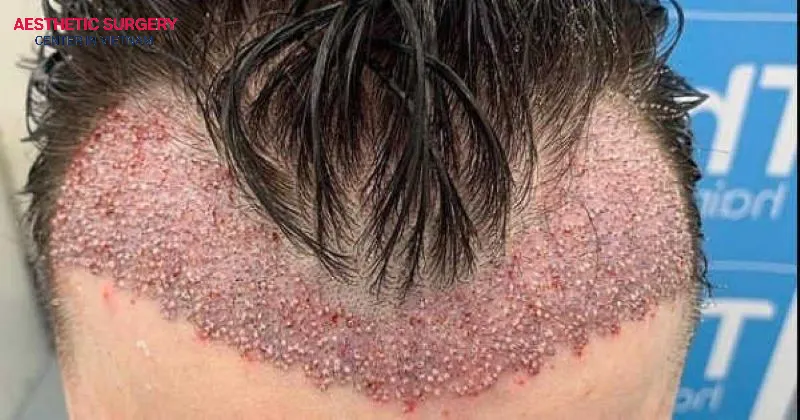
Infections usually result from an unsterile surgical environment or improper post-operative hygiene and care. When bacteria enter the open wounds in the transplant or donor area, they can cause hair transplant swelling, pus formation (folliculitis), and even tissue necrosis.
This complication not only causes pain and leaves unsightly scars but also directly kills the newly transplanted hair follicles, preventing them from taking root and growing. This significantly reduces the survival rate of the transplanted hairs and can ruin the entire outcome of the procedure.
Poor technique
A combination of low skill, lack of planning, and using substandard hair is the main reason for hair that looks “fake” and unnatural. If the technician implants at the wrong angle, direction, or depth, the hairline will appear uneven and the hairs may grow in a disorganized manner. In addition, failing to design a proper hairline can create facial imbalance. Using thin, weak, or aging follicles can also lead to transplanted hairs that lack vitality and break or fall out shortly after the procedure.
Lack of planning
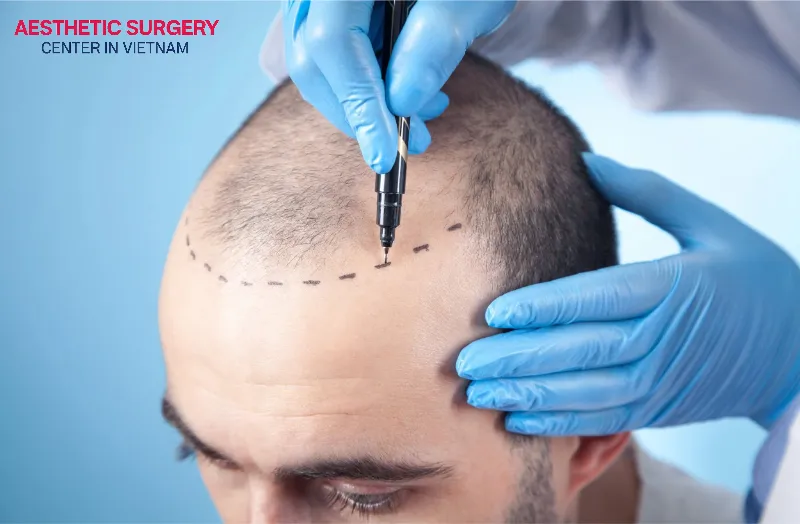
The failure of a hair transplant often stems from the absence of a well-structured surgical plan combined with the use of substandard donor hair. When the surgeon does not carefully plan the distribution of density, calculate the number of grafts needed for each area (hairline, crown), or anticipate future hair loss, the result is a messy, uneven, unnatural, and incomplete-looking hairstyle.
Poor-quality hair
If the transplanted follicles are weak, thin (miniaturized), or already in a degenerating phase, their survival rate after being moved to a new area is very low. Additionally, overly thin hairs cannot provide sufficient coverage, making the result appear “sparse” even if the correct number of grafts was used. During extraction and transplantation, if the technician damages the follicles or leaves them exposed too long (drying out or lacking nutrients), the follicles’ viability drops significantly, preventing them from growing properly once implanted.
Poor-quality donor area
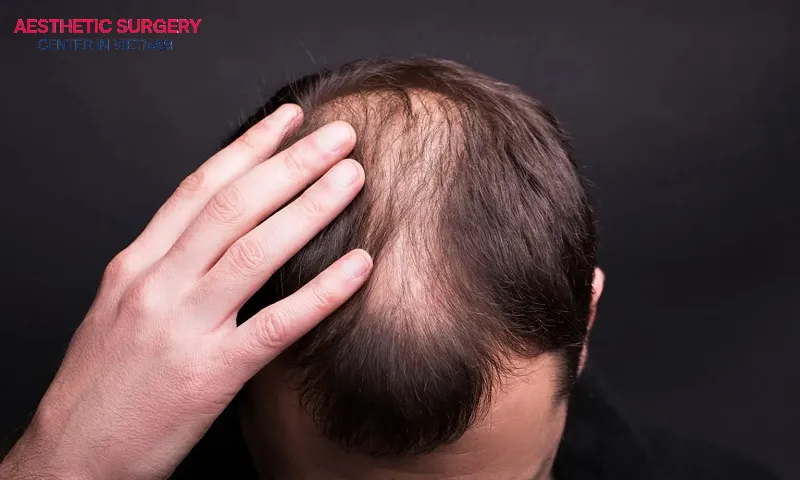
The success of a hair transplant heavily depends on the donor area. If the donor area is too sparse and lacks enough healthy hair follicles to cover a wide bald area, the transplant is more likely to fail. Additionally, overharvesting can leave the back of the head uneven, reveal scars, and create an unsightly “stubble effect.”
Lack of post-transplant care guidance
The post-operative period accounts for up to 50% of a transplant’s success, and missing or incorrect guidance can lead to serious consequences. In the first 1–2 weeks, the transplanted follicles have not fully anchored to the scalp. Without specific instructions on how to sleep after hair transplant surgery—such as keeping the head elevated to prevent friction—or proper hair washing techniques, patients may accidentally dislodge the grafts. Furthermore, drinking alcohol, smoking, or engaging in intense physical activity too soon can reduce blood flow to the scalp, significantly lowering the survival rate of the transplanted follicles.
Failed hair transplant occurrence rate
When performed correctly by a skilled surgeon, hair transplants are a safe procedure with a success rate of over 90%. From this, we can infer that the failure rate is around 5–10% when done at a reputable medical facility.
However, at unlicensed clinics or spas using unqualified technicians, the rate of dissatisfied or failed results can reach 30–50%. In addition, improper post-transplant care can also lead to failure and even cause other unwanted complications.
Overall, the main risks of a hair transplant gone wrong come from choosing the wrong facility and poor post-operative care.
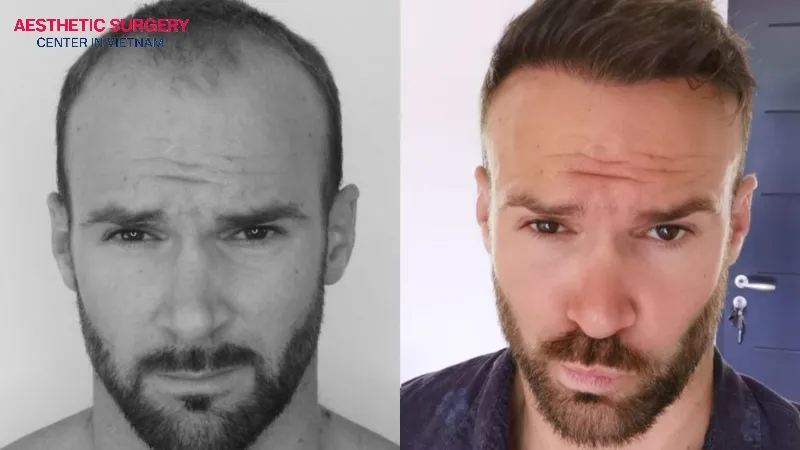
After learning about botched procedures, you now understand that surgery carries risks, including cases of a hair transplant gone wrong. To avoid the possibility of failure and increase your chances of a successful outcome, you should always go to a trusted clinic with skilled surgeons performing the procedure.













Comment on the post