



When trying to restore thick, healthy hair, many people often confuse hair plugs with autologous hair transplants. These are two completely different methods: one provides temporary results, while the other is a modern medical solution that delivers real, healthy, and thick hair. To avoid making the wrong choice, it’s important to understand the nature of hair plugs vs transplant in this article, helping you confidently select the best permanent solution for yourself.
Overview of hair plugs vs transplant
Before deciding on a hair restoration method, it’s important to understand the debate of hair plugs vs transplant. Both techniques can make your hair appear fuller and thicker, but in reality, their nature, durability, and effectiveness are completely different. Furthermore, patients should research potential hair transplant risks versus the complications associated with synthetic fibers to make the safest choice.
What are hair plugs?
Hair plugs are a cosmetic procedure designed to address baldness or hair loss by using artificial or synthetic hair strands attached directly to the scalp, rather than the patient’s real hair follicles. In this process, the doctor uses special adhesive or needles to implant the artificial hairs into the bald area, creating the appearance of a fuller head of hair quickly.
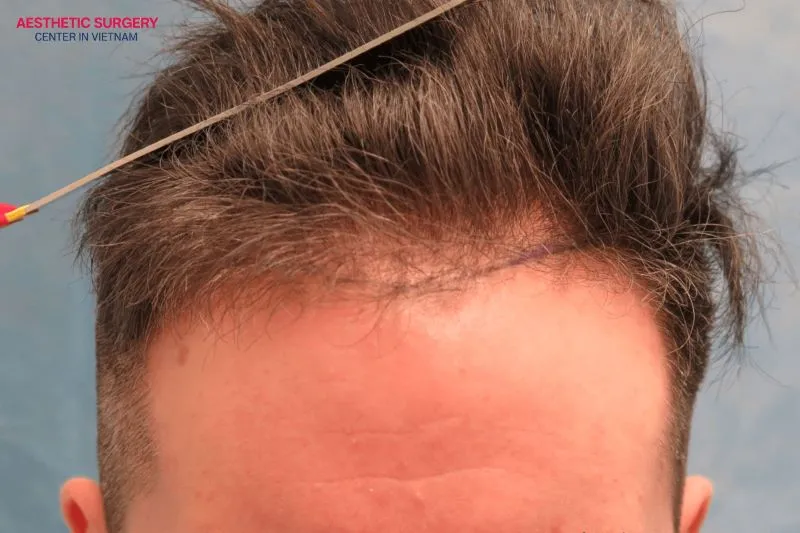
Advantages
- Provides immediate cosmetic results, making hair look thick and covering bald areas without waiting for natural hair growth.
- The procedure is usually quick and simpler compared to autologous hair transplants.
- Suitable for people who do not have enough healthy donor hair follicles for a real hair transplant.
Disadvantages
- Artificial hair is a foreign object to the body, which may trigger scalp reactions such as inflammation, follicle infection, or rejection.
- The synthetic hair will not grow and has a limited lifespan of a few years, gradually falling out over time.
- The scalp requires careful post-procedure care; harsh brushing or vigorous washing should be avoided to prevent damage.
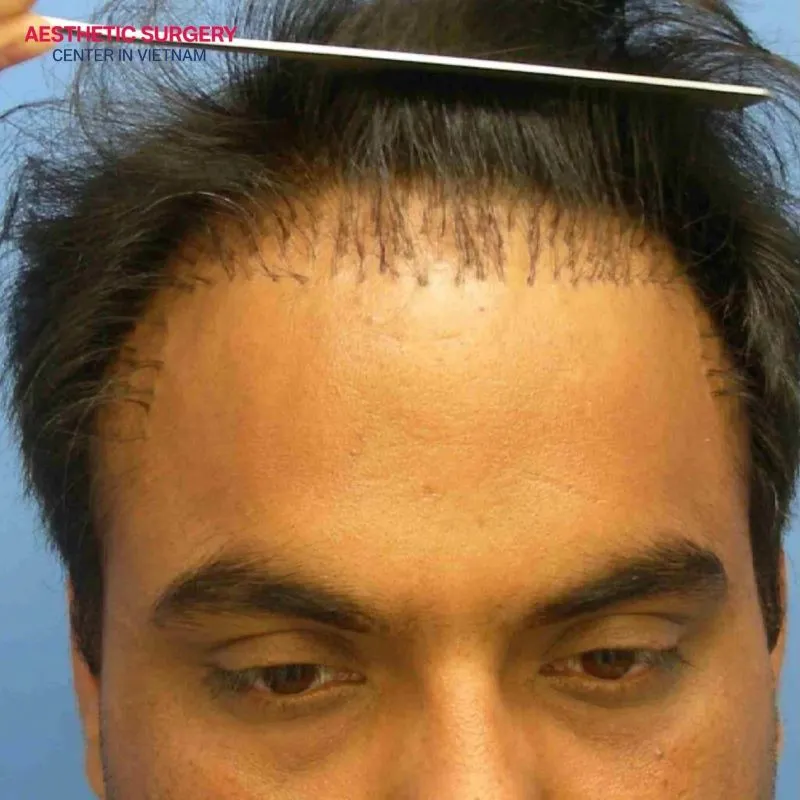
What is a hair transplant?
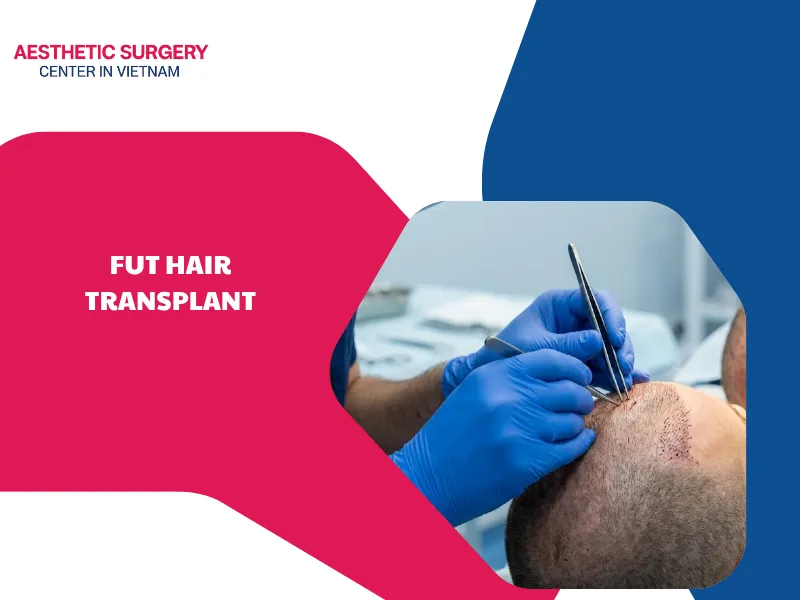
A hair transplant is a cosmetic surgical procedure that uses your own healthy hair follicles from the back of the head, temples, or other strong hair areas to transplant into bald or thinning areas.This technique allows the hair to grow long-term. When comparing hair plugs vs transplant, the latter offers high compatibility since it uses the patient’s own tissue. This is particularly effective for a men hair transplant, where the transplanted follicles gradually anchor into the scalp to produce a healthy, thicker hairline that maintains lasting results.
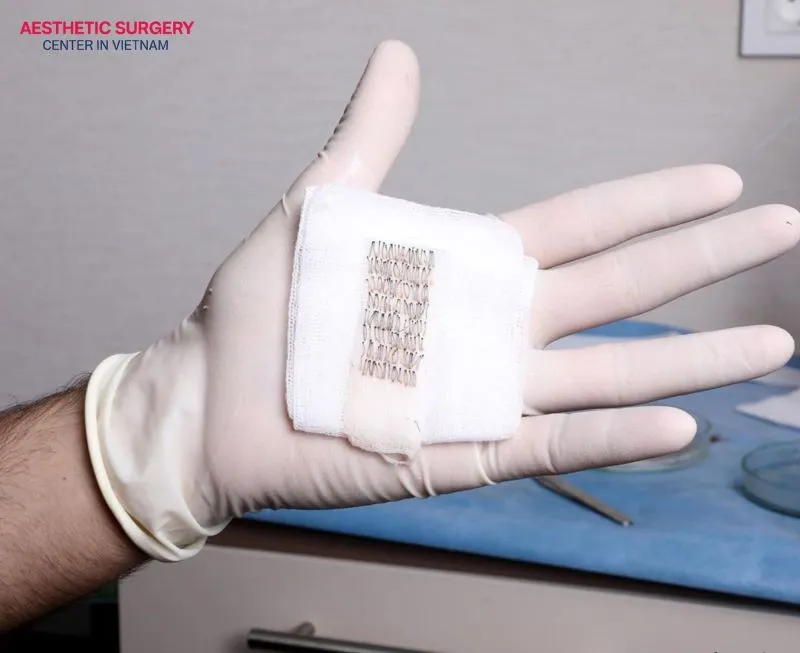
Advantages
- Uses the patient’s own hair follicles, ensuring high compatibility and no risk of rejection.
- Transplanted hair can grow long, allowing styling just like natural hair.
- Provides long-lasting results, effectively addressing baldness from mild to severe.
Disadvantages
- Generally hair transplant cost more than hair plugs.
- The procedure can take several hours, sometimes a full day.
- While complications are rare in professional settings, failing to choose a qualified surgeon can lead to a hair transplant gone wrong, resulting in unnatural hairlines or poor graft survival.
- Mild hair transplant swelling or temporary hair shedding may occur in the first 1–2 months, which is a completely normal reaction.
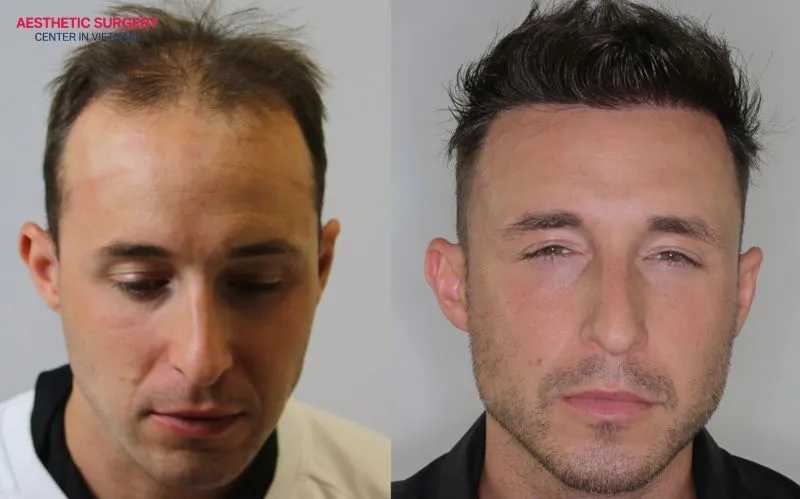
What’s the difference between hair plugs and hair transplants?
Although both hair plugs and hair transplants improve the appearance of hair, they are completely different techniques in terms of materials used, procedure, and durability. The table below provides a detailed hair plugs vs transplant comparison to help you choose the right method:
| Criteria | Hair plugs | Hair transplants |
| Material | Use synthetic or artificial hair fibers, non-growing. | Use the client’s own hair follicles, allowing hair to grow normally.. |
| Features | Attach hair directly to the scalp using adhesive and specialized needles. | Extract healthy hair follicles and transplant them to bald areas. |
| Compatibility | Low, as artificial hair is a foreign material that can cause inflammation, itching, or irritation. | High, as real hair follicles are used, reducing the risk of rejection. |
| Procedure time | Fast, taking only a few hours. | Longer, depending on the number of hair follicles to be transplanted. |
| Effectiveness | Provides instant coverage but may fall out or become dry and brittle after a few months. | New hair grows permanently, following the natural hair growth cycle. |
| Suitable candidates | For individuals seeking a quick change or lacking enough donor hair follicles. | For individuals with mild to severe hair loss, seeking thick, strong hair that grows naturally. |
| Cost | 40 to 100 million VND. | 50 to 120 million VND for individuals with mild hair loss. |
Can hair plugs be replaced by hair transplants?
In fact, autologous hair transplants can replace hair plugs, but not every case is suitable for this. Hair transplants use the patient’s own real hair follicles, providing more natural, long-lasting, and safer results compared to artificial hair. This method is ideal for those who want to restore thick, healthy hair with durable, long-term results.

However, for a hair transplant, the patient must have enough healthy donor hair follicles for the doctor to extract and implant into thinning or bald areas. Therefore, people with widespread hair loss, extensive baldness, or weak follicles may not qualify for an autologous hair transplant, making hair plugs a more suitable solution in such cases.
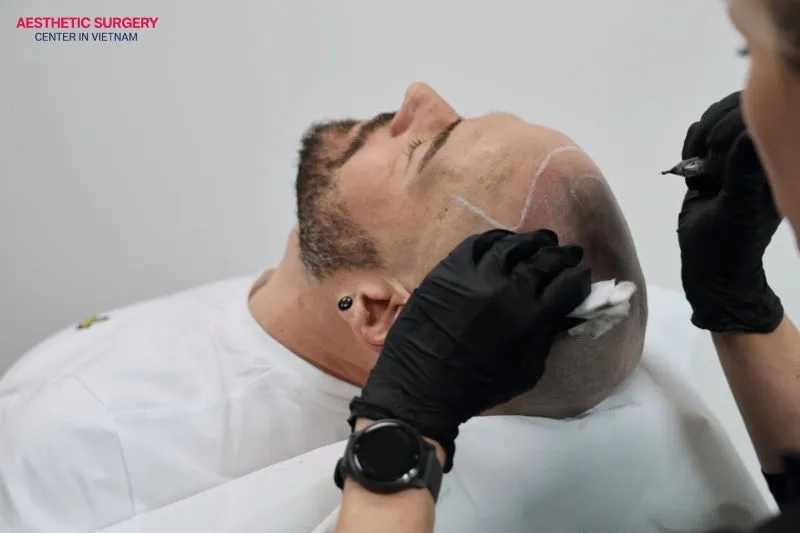
Trusted clinics for hair plugs vs transplant
If you are looking for a reputable place for hair plugs and hair transplants, Aesthetic Surgery Center in Vietnam is a choice worth considering. They specialize in hair transplant techniques, implanting individual healthy follicles into thinning or bald areas to create thick, naturally growing hair.
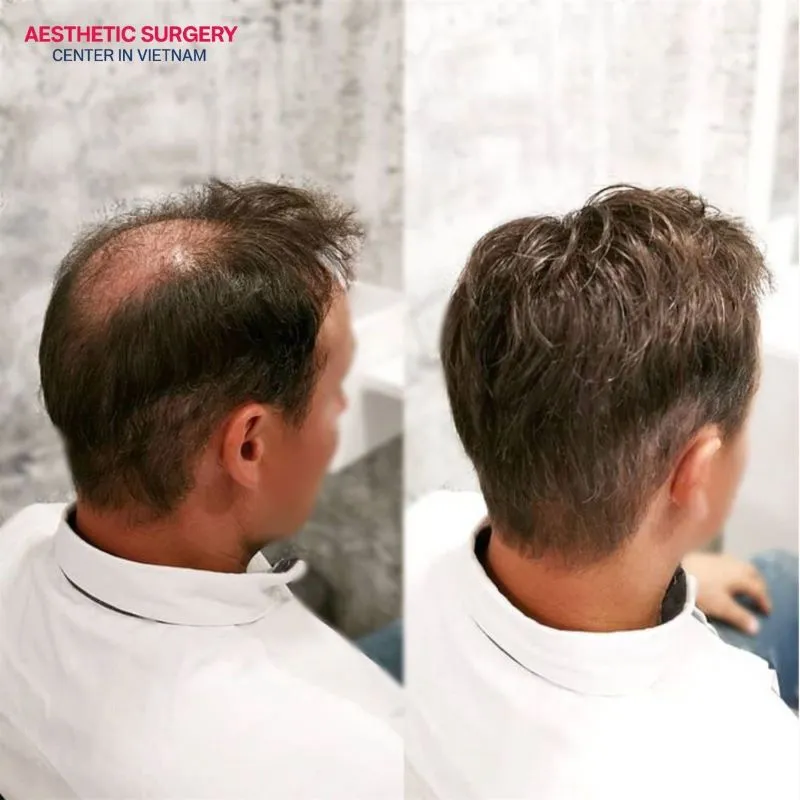
In addition, the center has a team of experienced cosmetic and hair transplant surgeons, following strict medical protocols. Aesthetic Surgery Vietnam also invests in sterile operating rooms and advanced technology to closely monitor the hair transplant recovery process. This ensures patients receive thorough examinations, allowing doctors to plan hair transplants tailored to each individual, resulting in thick, healthy, and voluminous hair over the long term.
From the article above, we hope you now understand the differences regarding hair plugs vs transplant options and can choose the method that best suits your hair condition. Whether you want temporary coverage or a long-lasting natural hair restoration, visiting a reputable clinic remains a crucial factor.













Comment on the post