


Eyelid surgery recovery requires patience and strict adherence to medical instructions. Understanding each stage of healing helps you plan your stay and daily activities more effectively. Below is a detailed medical guide for safe and proper post-treatment care.
What is the fastest way to recover from eyelid surgery?
In aesthetic plastic surgery, there is no “shortcut” to skip the body’s natural healing stages. However, the fastest way to optimize eyelid surgery recovery is to strictly follow your surgeon’s treatment plan.
This process includes taking antibiotics and anti-inflammatory medication as prescribed, applying cold compresses, and more. At the same time, maintaining a proper diet and good hygiene helps tissues regenerate quickly. This supports faster recovery from eyelid surgery and minimizes the risk of unwanted scarring.

How long does recovery from eyelid surgery take?
Eyelid surgery recovery time usually takes about 10 to 14 days for swelling and bruising to subside. However, it may take 3 to 6 months for the soft tissues to fully settle, the eyelid crease to look natural, and the scar to blend with the skin tone. This timeline also depends on individual healing, surgical technique, and environmental factors.
>>> See more: How long does eyelid surgery take to heal?
Eyelid surgery recovery timeline:
Many customers wonder how long it takes to recover from eyelid surgery. In reality, eyelid surgery recovery is a process with different stages, from mild swelling to full tissue stabilization. Below is a detailed timeline for your reference.
Week 1: The initial recovery phase
This is when the eye area is most sensitive. During the first 3–4 days, swelling, bruising, and slight fluid discharge along the incision are normal reactions.
You may feel tightness, eyelids dry, or excessive tearing. Do not worry, as your surgeon will schedule suture removal on day 5 or 7. After suture removal, the tight sensation will reduce significantly.
Week 2: Continuing recovery and adjustments
In the second week, bruising will turn light yellow or green and gradually fade. Swelling decreases by about 70–80%. At this stage, you may use concealer to cover any remaining bruising. Most patients can return to light office work.
Week 3: Healing progress
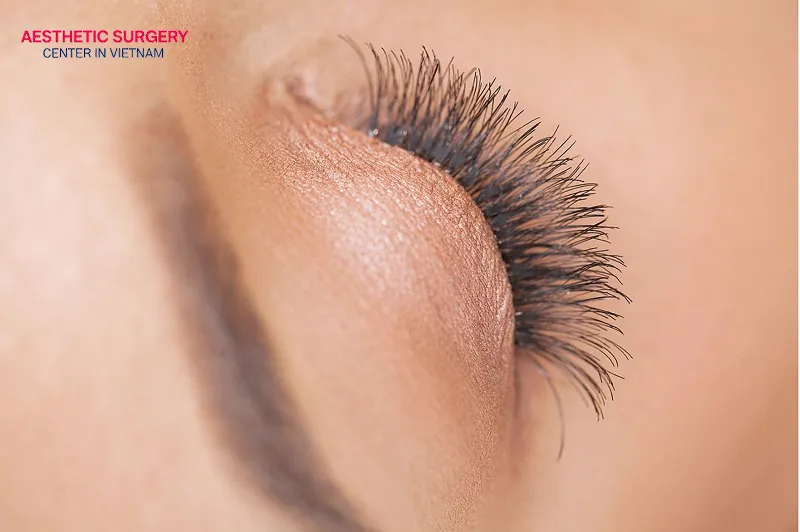
The incisions enter the collagen production phase. The incision line may appear slightly pink and feel a bit firm to the touch. The eyelid shape becomes more defined. You can start light exercises such as walking, but avoid activities that suddenly increase blood pressure.
Week 4: Resuming normal activities
Most visible post-treatment signs have disappeared. You can communicate confidently without relying on heavy makeup. Moderate physical activities can be resumed. The eyelids look quite natural, although there may still be slight swelling in the morning.
Week 5 and beyond: Long-term recovery
From week 5 to month 6, the surgical scar softens and gradually fades, blending with the natural eyelid crease. The eyelid shape becomes more refined with optimal depth. After returning home, you can resume normal activities and send follow-up photos online for your surgeon to monitor the final results.

What are the do’s during eyelid surgery recovery?
The post-treatment phase can determine up to 40% of the success of an eyelid procedure. Following the right guidelines not only shortens eyelid surgery recovery time but also helps prevent complications. Below are important things you should do during recovery from eyelid surgery.
Sun protection is essential
Ultraviolet rays can cause post-inflammatory hyperpigmentation, making the scar darker and harder to treat. Always wear large sunglasses, a wide-brim hat, and apply sunscreen suitable for the eye area when going outside.
Don’t stress your eyes
Let your eyes “rest.” Reading small text, scrolling on your phone continuously, or working long hours on a computer can overwork the eyelid muscles, cause eye strain, increase intraocular pressure, and slow down eyelid surgery recovery.

Get plenty of rest
Deep sleep is essential for cell regeneration. During sleep, the body releases growth hormones that help heal tissues after surgery. Make sure to get 7–8 hours of sleep each night in a cool and quiet environment.
Skip strenuous activities
Avoid heavy workouts, weightlifting, swimming, or bending positions for at least the first 3–4 weeks. These activities increase blood flow to the head and face, which may lead to bleeding, suture disruption, or hematoma in the eyelid area.
Keep recovery relaxing
Did you know? Stress can release cortisol, weaken the immune system, and prolong healing time. Listen to music, podcasts, or audiobooks instead of activities that require intense visual focus to keep your mind relaxed.

Stop smoking
You must completely avoid smoking (including e-cigarettes) for at least 4 weeks before and after surgery. Nicotine can constrict blood vessels, reducing oxygen and nutrients to the surgical tissues. This increases the risk of infection and tissue damage around the incision.
Limit you watching TV after eyelid surgery?
When watching TV or staring at digital screens, the blink rate decreases significantly. This causes tears to evaporate quickly, leading to dry eyes, irritation, and discomfort in the sensitive incision area.
How long do I need to sleep sitting up after eyelid surgery?
You do not need to literally sleep sitting up, but keeping your head elevated (about 30–45 degrees) is required for at least the first 1 to 2 weeks. You can use 2–3 soft pillows or a neck pillow for support. This helps improve lymphatic drainage and prevents fluid buildup around the eyes, reducing swelling significantly the next morning.

What signs of complications should I look for?
Although eyelid surgery is a safe minor procedure, you should contact your surgeon or the nearest medical facility immediately if you notice the following warning signs:
Prolonged bleeding or hematoma
A small amount of pinkish fluid in the first 24 hours is normal. However, if you see continuous bright red bleeding that does not stop even with light pressure, it may indicate inadequate hemostasis.
More serious is a hematoma under the skin, shown by sudden severe swelling on one side, tightness, deep bruising, and pressure on the eyeball. This is a medical emergency and requires immediate treatment to avoid damage to the optic nerve.
Infection at the incision site
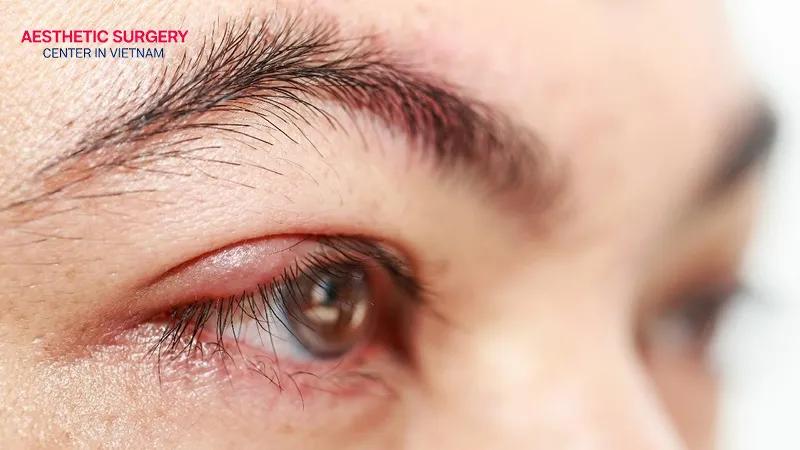
Signs of infection usually appear from day 3 to day 5 after surgery. Watch for increasing redness, swelling, and a spreading burning sensation instead of gradual improvement.
If the incision produces yellow or green pus with a bad odor, along with fever or swollen lymph nodes, you need to contact your surgeon for proper antibiotics or advanced wound care.
Vision changes and eye-related symptoms
Any change in vision is a warning sign. If you experience sudden blurred vision, double vision, or deep pain inside the eye socket, seek medical care immediately. Some cases may also have severe dry eyes, causing a gritty and irritated sensation.
Eyelid closure complication
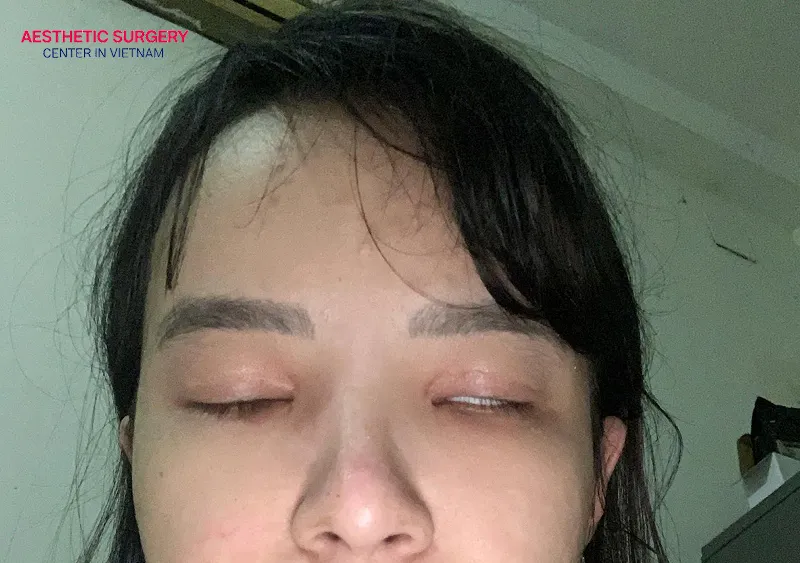
This condition occurs when the eyelids cannot fully close due to excessive removal of skin or muscle during surgery, or severe swelling, which can sometimes result in uneven eyelids. If your eyes remain slightly open during sleep, the cornea can be exposed, leading to dryness and potential corneal damage.
In the early stage, this may be due to swelling. If it persists after swelling subsides, corrective surgery may be needed.
Hypertrophic or unattractive scarring
Although incisions are usually well hidden in the natural crease, due to individual healing or improper care, a scar after eyelid surgery can become raised, firm, or hyperpigmented. If after 4–6 weeks the area is still red, itchy, and visible on the skin surface, you should consult your surgeon about laser or scar injection treatments to improve the skin.
We hope these detailed guidelines on eyelid surgery recovery help you have a smoother and more confident journey. If you notice any unusual signs or simply want to ensure your recovery is on track, do not hesitate to contact your surgeon for timely advice. Wishing you a confident and satisfying new look.













Comment on the post