



Dermal fillers are a popular solution many people choose to achieve plump cheeks and facial harmony. However, some unfortunate cases end up experiencing the issue of having too much filler in cheeks. This causes several adverse effects, such as making the face look puffy and widened, restricting facial expressions, and more. What causes this condition? How can it be fixed? Read this article for the accurate answers.
What do overfilled cheeks look like? Recognizing the signs of excessive cheek filler
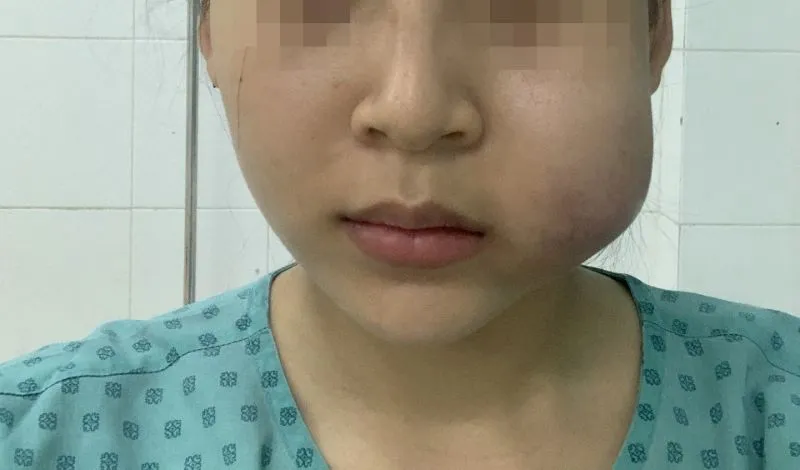
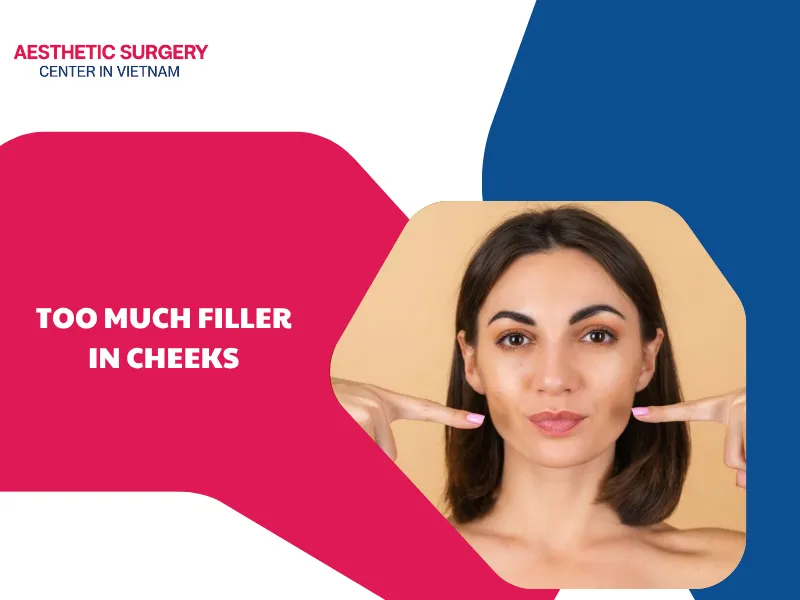
When injected with too much filler, the cheeks lose their natural harmony and become overly inflated, a condition commonly referred to by professionals as “pillow face”. Visually, the cheeks appear swollen, taut, and broadened, completely obscuring the face’s inherent structural contours, such as the cheekbones or jawline.
Particularly, the excess cheek filler volume becomes most apparent during facial muscle movements. When smiling or speaking, the cheeks are pushed upward in a stiff, unnatural way. This compression causes the eyes to look smaller and squished, while deepening or distorting the nasolabial folds (smile lines).
Functional and aesthetic risks of excessive filler injection
Injecting an excessive amount of filler not only diminishes original beauty but also leads to a series of complex complications, directly affecting both the anatomical structure and the natural movement of facial muscles. Below are the typical risks of injecting too much filler in cheeks:
Pillow face effect
The “puffy face” or “Pillow Face” effect is one of the most common risks of overusing fillers in the cheek area. Instead of creating a gentle and elegant projection for the cheekbones, a large volume of filler will cause this entire area to become swollen and taut, much like an overstuffed pillow. This condition completely obscures the natural underlying bone structure, stripping the face of its inherent softness and replacing it with a heavy, puffy, and unnatural appearance.
Midface widening
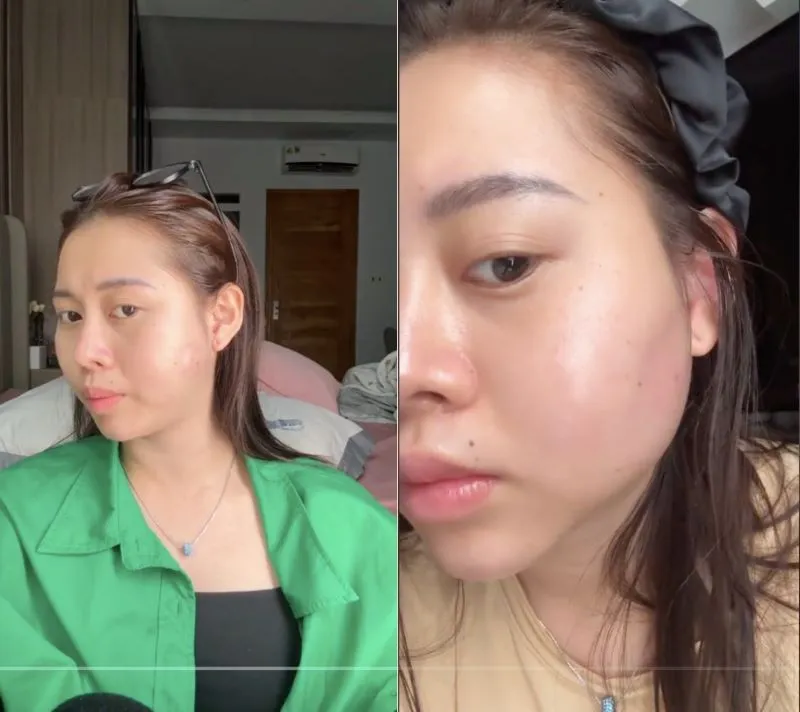
When filler is injected into the cheeks exceeding the volume capacity that the skin tissue can hold, it tends to spread to adjacent areas, resulting in the horizontal expansion of the midface. This disrupts the original slender structure, making the overall face look wide and bulky, and sometimes causing the loss of a natural V-line or oval shape. This abnormal increase in size in the central area not only causes an aged appearance but also makes the face look heavy and less refined.
Restricted facial expressions
From a functional standpoint, a massive volume of filler residing under the skin creates a physical barrier that hinders the flexible movement of facial muscle groups. Consequently, when you smile, speak, or express emotions, the muscles cannot contract and relax naturally, leading to a stiff and awkward state often referred to as a “frozen smile.” Furthermore, the excess filler mass can push upward during movement, compressing the eye area and causing the eyes to squint unnaturally, thereby destroying the face’s ability to communicate flexible expressions.
Filler migration
Filler migration is a highly probable medical risk when the cheek area is “overloaded” with filler. Because the fat and muscle tissues in the cheeks only have a finite capacity to accommodate it, the excess filler cannot remain fixed at the initial injection site. Under the influence of gravity and the continuous daily pulling of facial muscles, the filler will gradually slide down to lower areas such as the nasolabial folds or the jawline. This unnatural displacement not only creates lumpy, asymmetrical masses under the skin but also makes sagging even worse than it was before the injection.

Distorted facial proportions
Medical aesthetics always adheres to certain “golden ratios,” but injecting an excessive amount of filler into the cheeks completely disrupts this delicate harmony. When the cheek area becomes overly enlarged and unnaturally prominent, it creates a visual imbalance with other facial features. For instance, it can make the nose appear flatter, the chin look recessed, or give the eyes a more sunken appearance. This proportional distortion completely contradicts the initial goal of rejuvenation, transforming a once-refined face into one that is unnatural and disproportionate.
How to fix the issue of having too much filler in cheeks?
Addressing the consequences of a filler overdose requires delicate, safe, and technically precise intervention. Depending on the degree of swelling, the type of filler used, and the client’s desires, aesthetic doctors will prescribe different treatment plans. Below are the common solutions:
Start with a conservative approach
Instead of rushing into immediate invasive procedures, doctors often prioritize a “slow but sure” solution. Closely monitoring the condition of the skin tissue and assessing the degree of natural swelling or inflammation versus the actual presence of excess filler volume before deciding to intervene will help minimize the risk of collateral damage and protect your original skin structure.
Focus on facial harmony
The core goal of the correction process is not merely to deflate the “overloaded” cheek area, but to recalibrate the face’s “golden ratio.” The doctor will conduct a comprehensive assessment—from the forehead, nose, and chin to the jawline—to provide a balancing regimen. This ensures that after the excess filler is treated, your face will appear elegant and harmonious, rather than suddenly sunken or sagging.
Choose an experienced injector
Correcting overfilled cheeks is always complex and requires a much higher level of technical skill compared to initial injections. Therefore, it is imperative that you seek out highly experienced dermatologists or plastic surgeons with a profound understanding of facial anatomy. This ensures they can accurately address the flawed area without causing risky complications.
Spacing out treatments
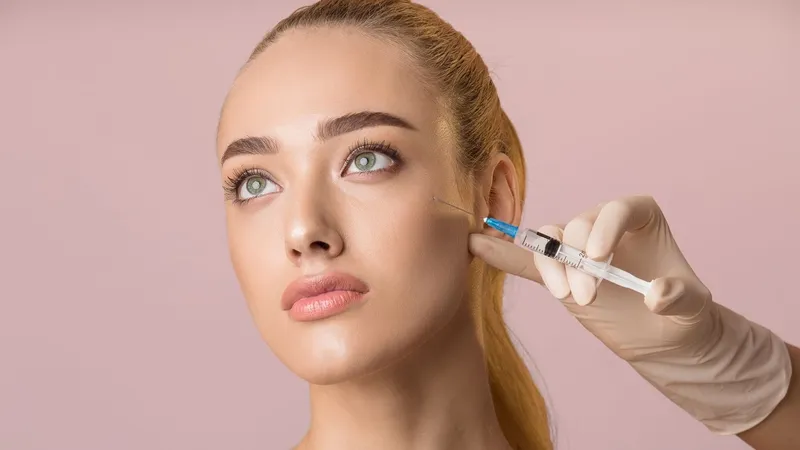
If the corrective protocol for having too much dermal filler in cheeks requires multiple dissolving sessions or a combination of restorative treatments, do not rush to cram everything into a single appointment. Your skin and muscle tissues need time—typically 1 to 2 weeks—to rest, eliminate excess fluid, and recover their elasticity. Proper spacing allows the doctor to accurately assess the extent of the filler’s dissolution, ensuring precise next steps in your subsequent appointments.
Using the appropriate type of filler
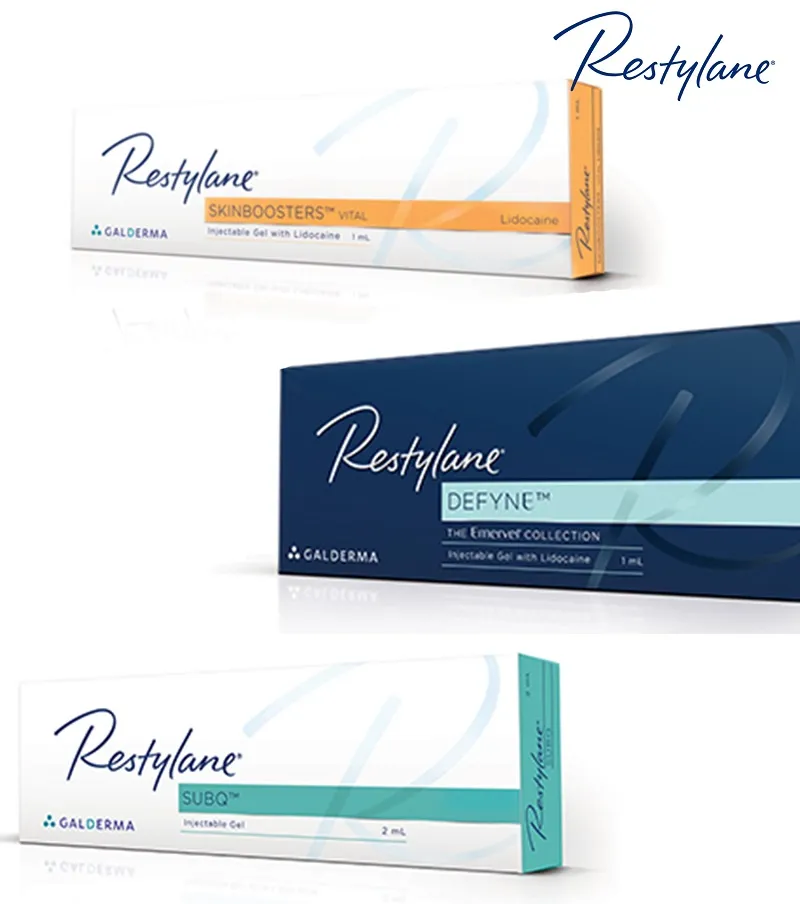
After completely dissolving the previous filler, if you want to safely and effectively recreate a plump cheek contour, you need to use the right type of filler. The cheekbone area requires fillers with high particle cohesion that are firm enough to lift and support the muscles without migrating or distorting. A thorough consultation with your doctor at this step will help you avoid repeating the “pillow face” disaster once again.
Letting the filler dissolve naturally
If the excess filler is not too severe, causes no pain, and does not affect facial muscle movements, waiting is an absolutely safe solution. Most Hyaluronic Acid (HA)-based fillers currently on the market are naturally biodegradable and will be gradually eliminated by the body’s excretory system within 9 to 18 months.
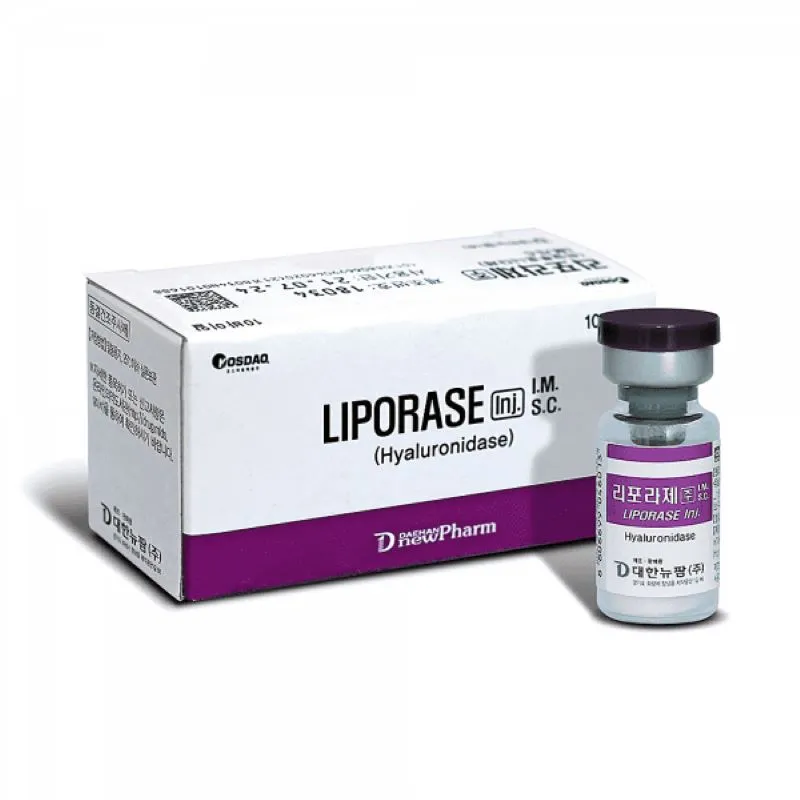
Hyaluronidase (Filler-dissolving enzyme)
This is considered the gold standard and the fastest solution for cases of HA filler over-injection. Hyaluronidase is a specific enzyme injected directly into the cheek area by a doctor to break down the cross-links of Hyaluronic Acid. This process helps dissolve the excess filler mass in just 24 to 48 hours, restoring a smooth surface and the original appearance of the cheeks.
Adjustment by adding filler
It may sound counterintuitive to continue injecting when the cheeks are already full, but in some cases of slight facial structural imbalance, doctors can utilize a camouflage technique. This involves injecting a very small amount of filler into adjacent hollow areas such as filler temple, nasolabial fold filler, or jawline. As a result, the overall face will regain visual harmony, diverting attention away from the swollen cheeks without necessarily requiring filler dissolving injections.
Massage and lymphatic drainage
For recently injected cases within the first few days, when the filler has not yet completely settled and integrated into the muscle tissue, doctors can directly perform specialized medical massages. This molding method, combined with lymphatic drainage techniques, will help distribute the filler evenly, resolve mild lumps, and accelerate the body’s natural swelling reduction process.
The risks associated with having too much filler in cheeks are something no one wants to experience, but fortunately, this is completely correctable in aesthetic medicine. Whichever solution you pursue, please remember to choose a skilled and highly experienced aesthetic doctor at a reputable clinic. Do not attempt to massage the area improperly on your own or try to add more filler at low-quality facilities, as this can make the distortion even worse. Book a consultation with our experts today to restore your elegant, soft cheeks and regain your natural confidence.













Comment on the post