



Botox injections are currently the most popular non-surgical beauty treatment due to their effectiveness and quick procedure time. However, some clients experience botox bruising after the treatment. This is known to be the most common side effect, occurring even when performed by highly skilled doctors.This article will help you understand the causes, remedies, and prevention strategies to ensure optimal results and safety when getting botox.
Does botox cause bruising?
In reality, botox bruising is a completely normal and quite common side effect, occurring in approximately 15-20% of clients. The extent of bruising depends on your skin thickness, the practitioner’s technique, and whether you are taking blood-thinning medications or supplements.
However, there is no need for excessive concern. These bruises are temporary, do not affect the wrinkle-reducing efficacy of the botox, and typically fade completely within 5 to 7 days with proper care and cold compresses.
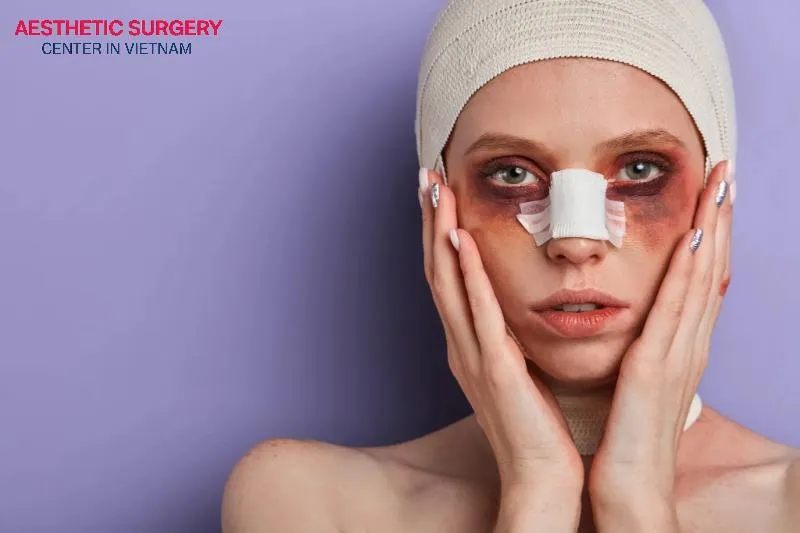
Causes of bruising after botox injections
The primary cause of bruising after botox is the needle impacting the dense network of small capillaries just beneath the skin’s surface. Other contributing factors include:
- Physical impact of the needle: This is the most common cause. As the needle penetrates the skin to deliver botox into the muscle, it may accidentally nick small blood vessels, causing blood to leak into the surrounding tissue.
- Injection site characteristics: Areas with a high density of blood vessels and thin skin such as the area around the eyes carry a higher risk of bruising compared to thicker skin areas like the forehead or the glabella (between the eyebrows).
- Use of blood thinners: If you take medications like Aspirin and Ibuprofen, or supplements such as fish oil, Vitamin E, and ginseng before your treatment, your blood will take longer to clot, making bruises more likely to form and spread.
- Alcohol consumption: Alcohol dilates blood vessels and increases blood flow. Drinking alcohol shortly before or after your injection significantly increases the risk of bruising.
- Technique and experience: An expert practitioner understands facial anatomy, knows how to avoid major vessels, and applies the appropriate pressure to minimize tissue trauma.
- Individual physiology: Some individuals naturally have fragile vessel walls or highly sensitive skin, making them more prone to bruising regardless of the injection technique.
- Strenuous activity post-injection: High-intensity exercise or bending over immediately after treatment increases blood pressure and flow to the face, which can trigger subcutaneous bleeding at the injection sites.
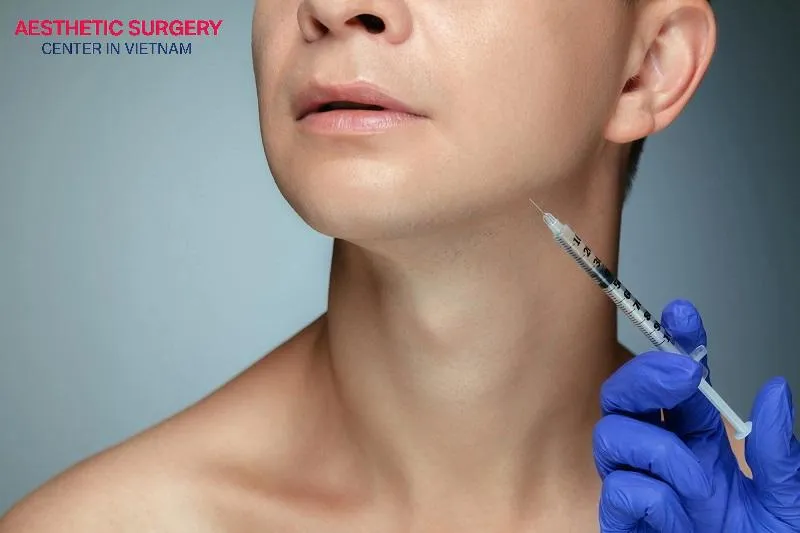
How to prevent botox bruising?
Preventing bruising doesn’t just start at the clinic; it actually begins about a week before your appointment. By managing your diet, pausing blood-thinning substances, and following your doctor’s instructions, you can stabilize your blood vessels, thereby minimizing unwanted botox side effects and shortening your skin’s recovery time. Detailed prevention methods are listed below:
Consult with an expert
Before deciding to get botox, you should have a face-to-face consultation with a highly qualified doctor or aesthetic specialist. The expert will assess your skin condition, medical history, and any medications you are taking to create the most suitable injection plan. This is also the time for the doctor to identify “sensitive” areas on your face to adjust their technique, helping to minimize the risk of hitting blood vessels and ensuring the most natural aesthetic results.

Medications to avoid
You need to stop using blood-thinning medications at least 7 to 10 days before your treatment to prevent botox bruising. Common medications such as Aspirin, Ibuprofen, Naproxen, or other anticoagulants make it harder for blood to clot at the injection site, increasing the likelihood of extensive bruising.
Additionally, you should temporarily pause supplements like Vitamin E, fish oil (Omega-3), ginseng, and ginkgo biloba, as they all possess blood-vessel-dilating properties.
Avoid alcohol
Alcohol and alcoholic beverages are considered natural vasodilators, which increase blood flow under the skin and make small blood vessels more vulnerable to external impact. Consuming alcohol within 24 to 48 hours before and after your injection significantly increases the risk of bruising and swelling. Therefore, for the smoothest beauty results, you should strictly alcohol after botox drinks to keep your vascular system in its most stable state.
Stop using retinoids
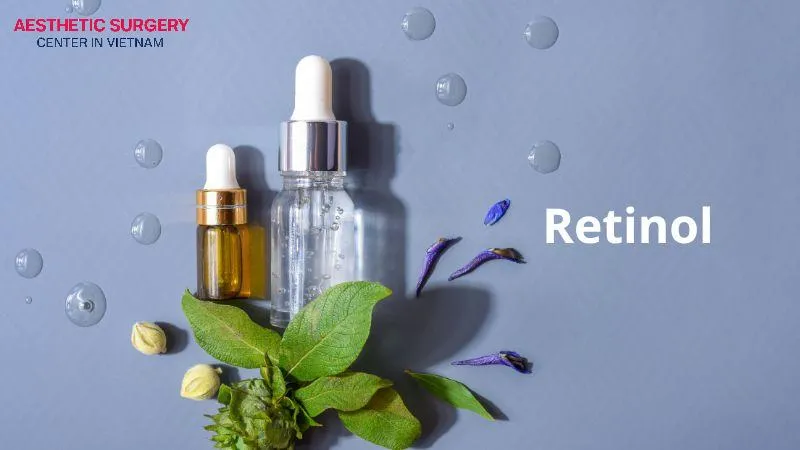
While Retinoids (Retinol, Tretinoin) are “miracle” skincare ingredients, they can make the skin temporarily more sensitive and fragile. Using high-concentration Retinoids right before your appointment can increase local inflammatory responses when the needle is inserted.
Experts usually recommend pausing these specialized products about 2–3 days before your session to ensure a healthy skin barrier, helping the injection sites heal faster and reducing irritation alongside potential bruising.
Take arnica supplements before the injection
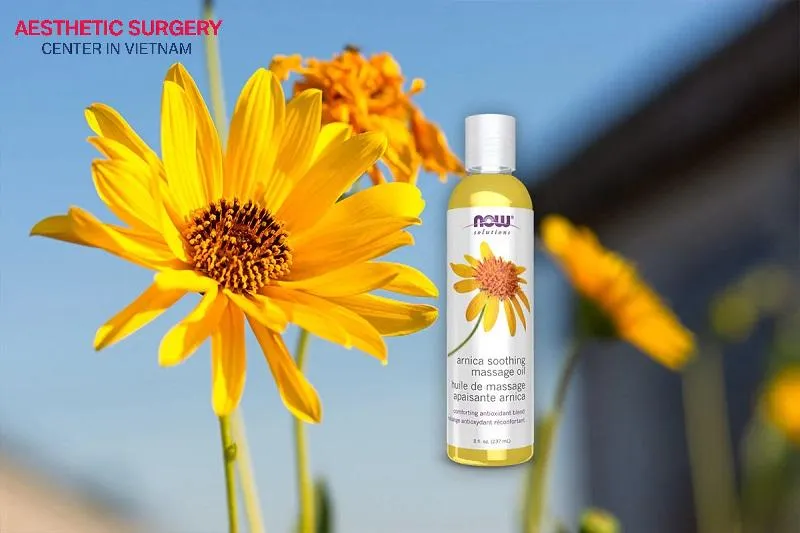
Arnica Montana is a well-known herbal remedy in the aesthetic world for its ability to effectively reduce swelling and dissipate bruising. Taking low-dose Arnica tablets or applying a cream extracted from this flower a few days before and after your botox session can support normal blood clotting and help any bruises fade more quickly. This is a safe supportive measure recommended by many doctors to optimize the experience for clients who are prone to botox bruising.
What does getting botox feel like? Does it hurt?
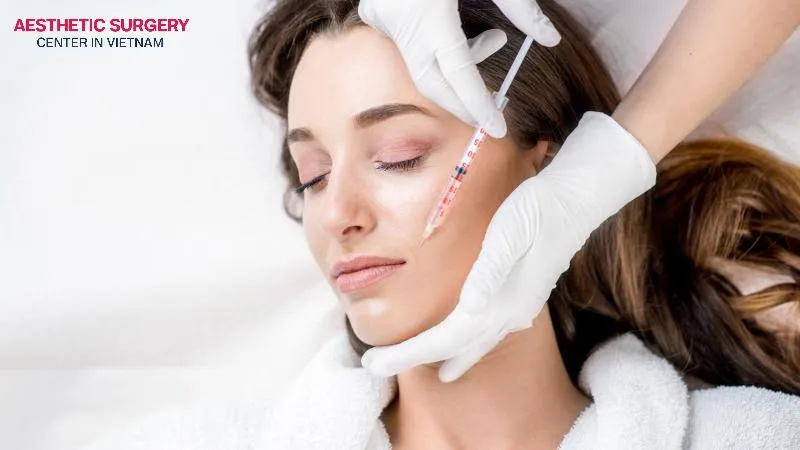
The actual sensation of getting botox is much gentler than many people imagine, often described as a quick, fleeting “ant bite”. Because doctors use specialized ultra-fine needles, any discomfort is minimal; you may only feel a slight pinch or a brief sense of pressure as the active ingredient is injected into the muscle.
To ensure maximum comfort, the procedure at aesthetic clinics typically includes local numbing cream or cold compresses on the treatment area beforehand, which temporarily desensitizes the injection sites.
The entire process takes only 5 to 10 minutes. Afterward, you can return to your normal activities immediately, feeling completely comfortable once the procedure is finished.
Post-botox care: What should you keep in mind?
After completing your botox treatment, proper at-home skincare plays a decisive role in achieving the best aesthetic results and minimizing unwanted side effects. To ensure the botox settles correctly and maximizes its wrinkle-reducing effects, you should strictly follow these important guidelines:
Do not lie down for at least 4 hours
Lying down too soon, especially on your stomach or side immediately after a botox injection can cause the active ingredients to migrate to neighboring muscles. This not only reduces the effectiveness at the target site but also increases the risk of unintended complications, such as drooping eyelids or facial muscle asymmetry.
Use ocumend gel pads
OcuMend gel pads are an advanced supportive solution frequently recommended by doctors following facial aesthetic procedures. Infused with high-dose Arnica and fast-absorption technology, these pads instantly soothe the skin, reduce swelling, and effectively help clear bruising. Using OcuMend immediately after your injection will help the treated area recover faster and look more natural.
Take arnica supplements
Maintaining an Arnica supplement regimen as directed by your doctor after botox will enhance your body’s natural recovery process. This active ingredient significantly reduces subcutaneous bleeding at the injection sites, thereby shortening the time it takes for bruises to fade.
Apply a cold compress
Using a cold compress is a simple yet highly effective way to provide immediate relief from swelling and mild pain after your injection. The low temperature causes blood vessels to constrict, which limits blood leakage into the surrounding tissues and prevents bruising. For the best results, use a dedicated cold pack wrapped in a thin cloth and apply it gently to the area for 10-15 minutes at a time. This ensures effectiveness while protecting your skin from ice burn.
Elevate your head while sleeping
On the first night following your botox treatment, it is recommended to use extra pillows to keep your head elevated above your heart while you sleep. This position helps reduce blood pressure in the facial area, minimizing swelling and ensuring that the botox stays exactly where it was injected. It’s a small tip, but it goes a long way in helping you wake up with a refreshed face and avoiding any complications related to product migration.

Avoid blood-thinning medications
You should continue to avoid medications such as Aspirin and Ibuprofen, as well as supplements like fish oil and vitamin E, for at least 24 hours after your injection. These substances can interfere with blood clotting; using them too soon may cause minor injection sites to bleed again, making bruises appear darker and take longer to fade.
Avoid strenuous exercise
High-intensity physical activities such as running, gym workouts, or yoga should be paused for 24 hours following the procedure. Vigorous exercise increases your heart rate and blood pressure, which accelerates blood flow to the face. This can lead to increased swelling and may dilute the botox at the injection site before it has fully settled into the muscle.
Do not massage the treated area for 12 hours
It is crucial that you do not massage, apply firm pressure, or use facial cleansing brushes on the treated area for at least the first 12 hours. Even when applying moisturizer or makeup, you must be extremely gentle—use upward strokes or light tapping motions to ensure the active ingredients under the skin do not shift.
Can skincare or facial treatments help reduce bruising? Does botox bruising fade faster?
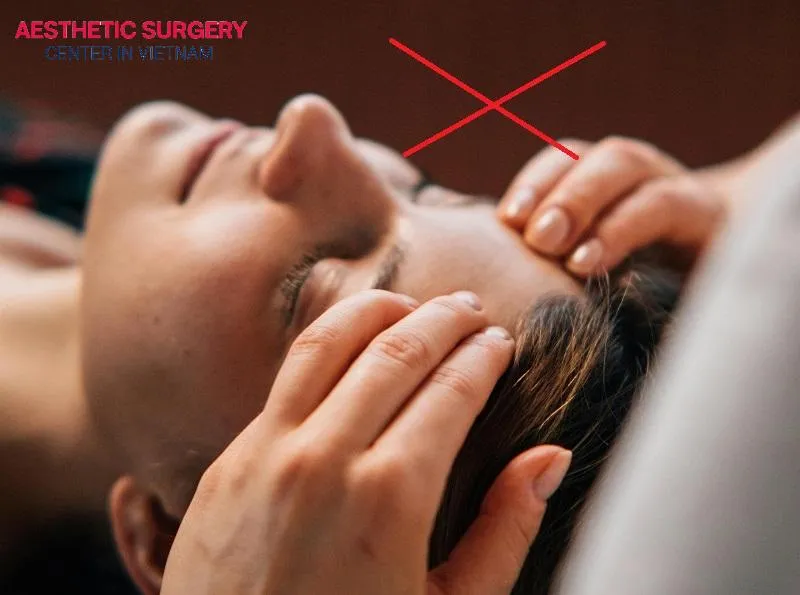
In reality, undergoing intensive skincare treatments immediately after botox injections is not recommended and can actually worsen bruising if done incorrectly.
During the first 24 hours, facial massage techniques or steam treatments can increase blood circulation. This may cause the botox to migrate, leading to unintended aesthetic results.
However, after about 2-3 days once the injection sites have stabilized, you can apply gentle at-home care to help bruises fade faster. Using creams containing ingredients such as Vitamin K, Arnica, or Bromelain is highly effective, as they promote the breakdown of bruised blood and support blood vessel recovery.
Additionally, keeping the skin well-hydrated with products containing Vitamin B5 or Ceramides helps maintain healthy skin cells. This accelerates the natural regeneration process and quickly fades any post-injection marks.
How long does botox bruising last?
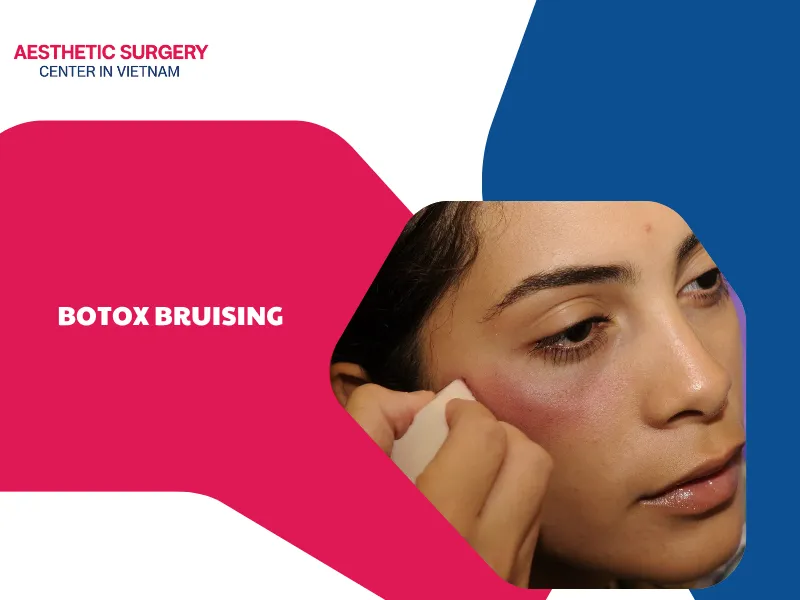
Typically, bruising after botox is temporary and will completely resolve on its own within 5 to 7 days. During the first 1–2 days, the bruise may appear dark red or bluish-purple. It then gradually transitions to light yellow or green before fading away entirely as part of the body’s natural healing process.
For individuals with sensitive skin or those taking blood-thinning medications, this period may last a bit longer, roughly 10 to 14 days. However, you can easily use concealer to cover these pigmentations after the first 24 hours without affecting the final aesthetic results.

If the bruising shows no signs of improvement after two weeks or is accompanied by persistent pain, you should return to your doctor for a specific evaluation.
We hope the information above has helped ease your concerns regarding post-botox bruising. In reality, this is a normal side effect that will quickly disappear if you follow proper aftercare instructions. Be patient with your body, treat your skin gently, and don’t hesitate to contact your doctor if you notice any unusual signs. Wishing you a youthful, confident, and radiant look soon!













Comment on the post