


A brow lift is a popular procedure to correct drooping eyebrows and enhance the appearance of the forehead and eyes. However, this procedure can still carry certain brow lift complications that affect facial aesthetics. Read the article below to better understand these complications and make informed, safe decisions for your cosmetic treatment.
What is a brow lift?
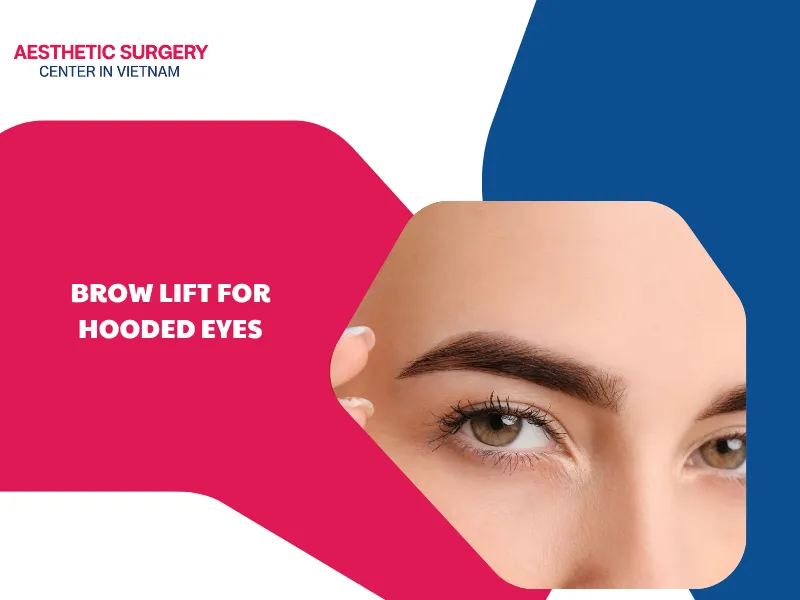
A brow lift is a cosmetic procedure that raises the eyebrows and forehead, reducing horizontal forehead wrinkles. It also corrects drooping eyebrows, giving the face a more youthful and refreshed appearance.
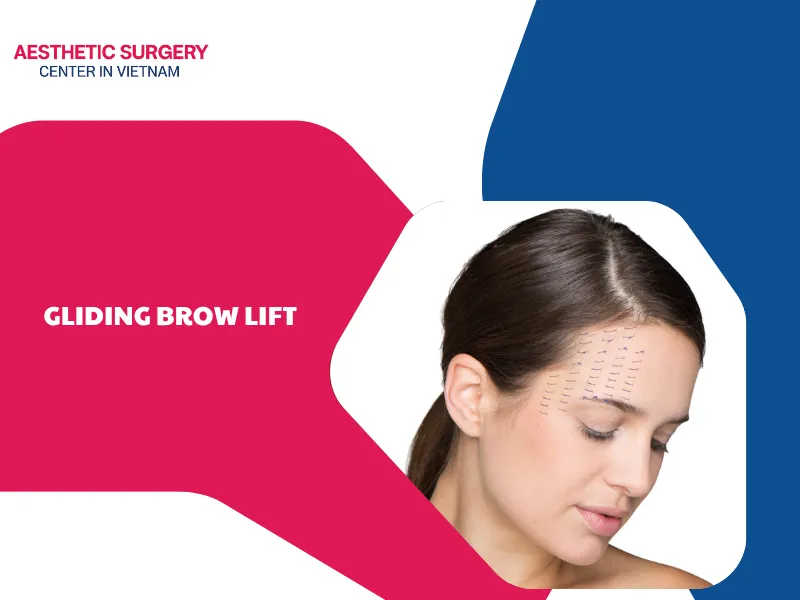
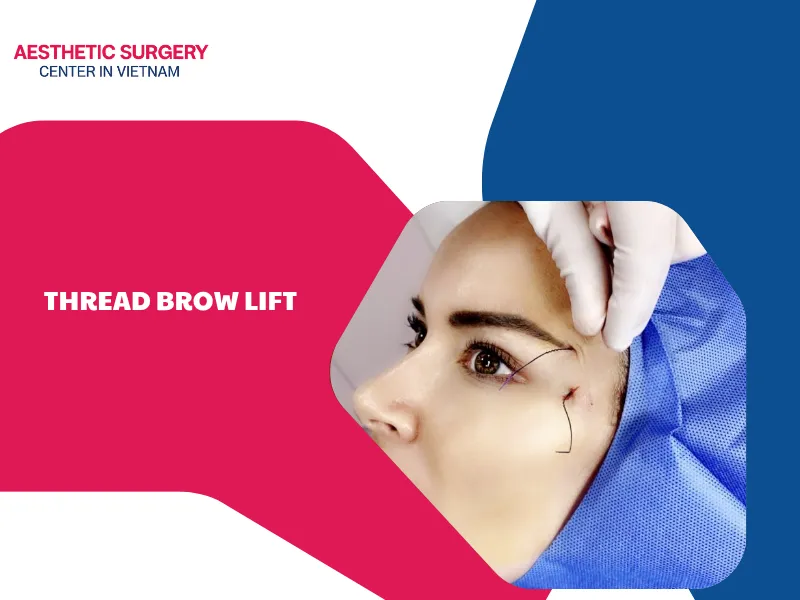
During the procedure, the surgeon stretches the forehead skin, adjusts the position of the muscles, and removes excess skin if necessary to create a more balanced look around the forehead and eyes. Additionally, the brow lift procedure is also known by several other names, such as:
- Endoscopic brow lift: This procedure uses a specialized endoscope. The surgeon makes small incisions behind the hairline on the forehead, then inserts the endoscope to observe and adjust the underlying tissue and muscles.
- Traditional brow lift: This technique involves a longer incision along the hairline, especially in the temple area. The surgeon stretches the tissues and muscles across the entire forehead and brow region.
Potential complications of a brow lift
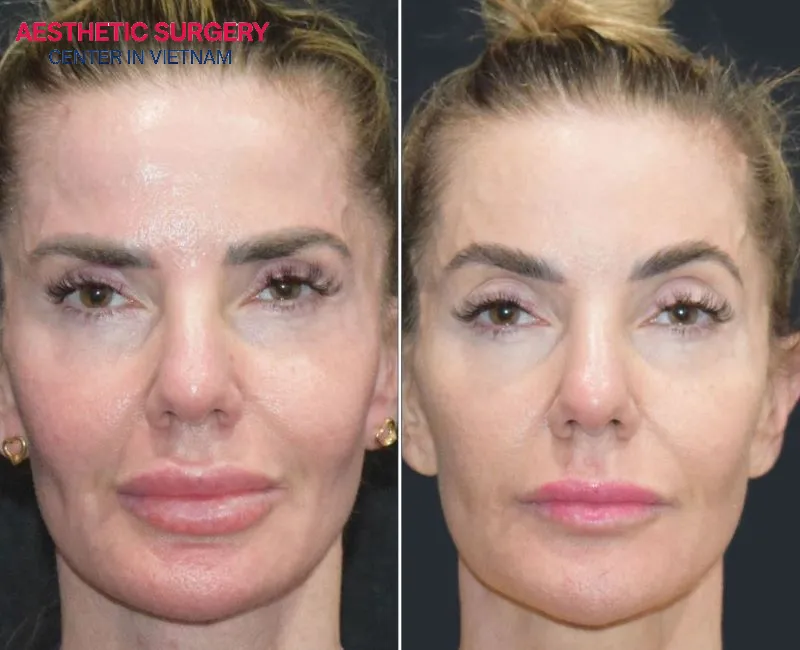
After a brow lift, most patients recover very well when the procedure is performed correctly and postoperative care is properly followed. However, some cases may experience brow lift complications that you should be aware of, including:
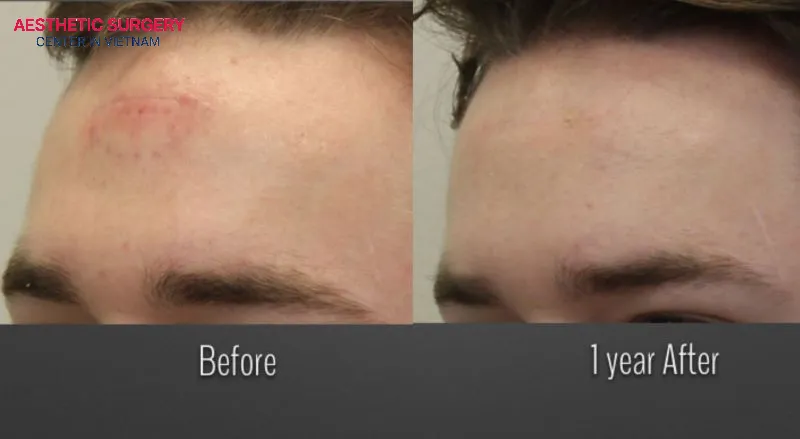
Keloid scars
For individuals prone to keloid or hypertrophic scarring, this complication is more likely when incisions are made near the eyebrow line. Besides genetic factors, improper suturing by the surgeon or inadequate postoperative care by the patient can also lead to scar formation, affecting the aesthetic outcome.
Loss of sensation
One common brow lift complication is numbness or loss of sensation in the forehead, temple, or scalp area. This usually occurs because nerves are affected during the incision and tissue separation. However, this condition typically lasts from a few weeks to several months and gradually improves over time.
Bruising and fluid accumulation
After a brow lift, the body may react by forming bruises or fluid buildup under the skin at the surgical site. This can result from blood vessels being damaged during the procedure or from vigorous movement or impact on the wound, causing more pronounced bruising than usual.
Asymmetrical eyebrows
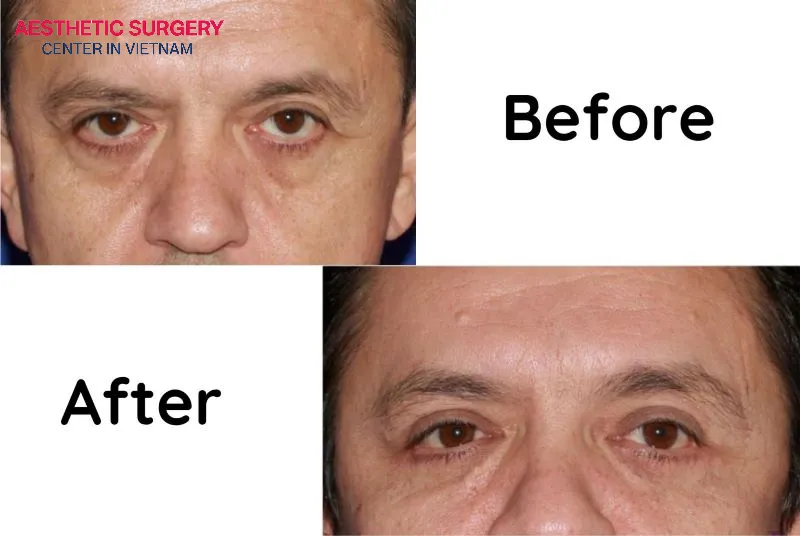
Eyebrow asymmetry can occur due to inaccurate surgical technique, errors in the initial markings, or the patient’s individual anatomy. This results in uneven eyebrow height, which not only affects overall facial expression but can also make the face appear less harmonious and less approachable.
Swelling
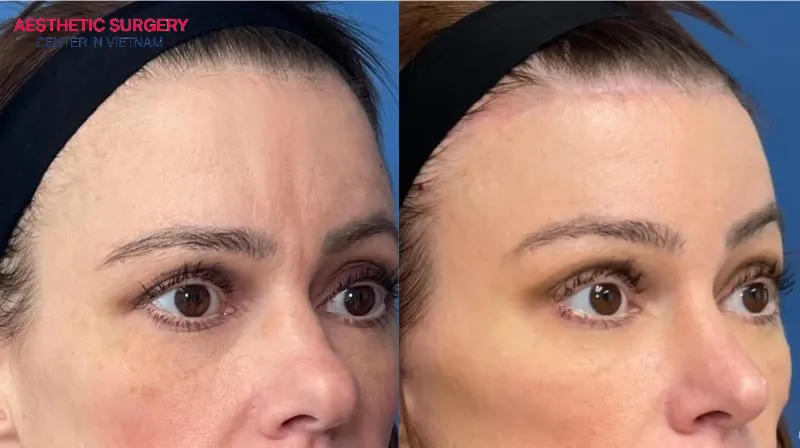
Swelling is a normal response after any surgical procedure and usually subsides within the first 1–2 weeks. However, if swelling persists abnormally and is accompanied by redness and severe pain, it may indicate an infection at the surgical site or an unusual reaction to the sutures.
>>> See more: How long does swelling last after a brow lift?
Nerve injury
A rare but serious brow lift complication is nerve damage in the forehead or temple area. If this occurs, patients may have difficulty frowning, raising their eyebrows, or may experience prolonged loss of sensation. This not only affects motor function but also has a significant impact on facial appearance.
Hair loss
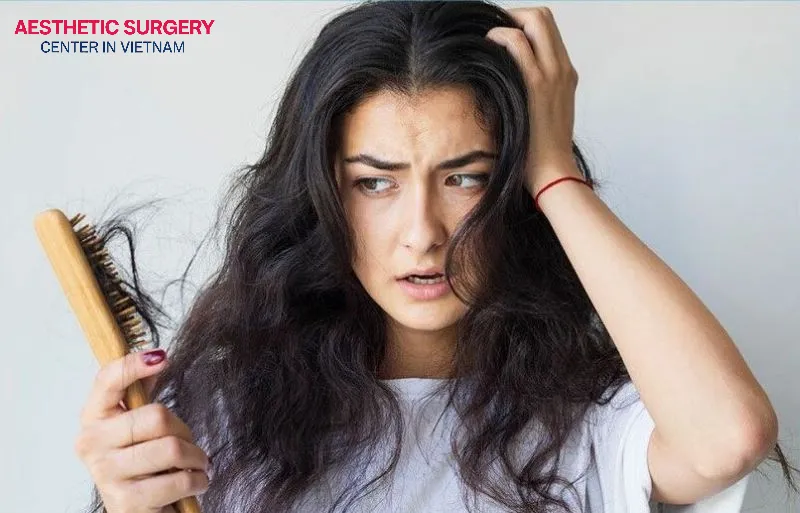
After surgery, some patients may experience hair loss around the incision line, especially with techniques that require longer cuts. The hair follicles in the incision area can be damaged, leading to thinning and patchy hair loss near the wound. However, this usually improves within a few months as the follicles recover, and the hair typically grows back normally.
Causes of complications during a brow lift
Before surgery, the surgeon will discuss the potential risks of a brow lift. In reality, brow lift complications can result from various factors, including surgical technique, individual anatomy, and postoperative care.
Below are some common causes identified by studies:
- Improper surgical technique: If the surgeon’s markings are inaccurate, tissue dissection is too shallow or too deep, or suturing is uneven, it can lead to fluid accumulation and asymmetrical eyebrows.
- Nerve damage: Careless manipulation in the forehead or temple area can injure sensory nerve branches, causing temporary loss of sensation in the surgical area.
- Postoperative care: Strong impacts, poor hygiene, or removing compression dressings prematurely can result in infection, hematoma, or even pus-filled scars.
- Reaction to sutures or medications: Allergic reactions to sutures, medications, or implanted materials can make the wound difficult to heal and lead to swelling or inflammation.
How to fix a botched brow lift
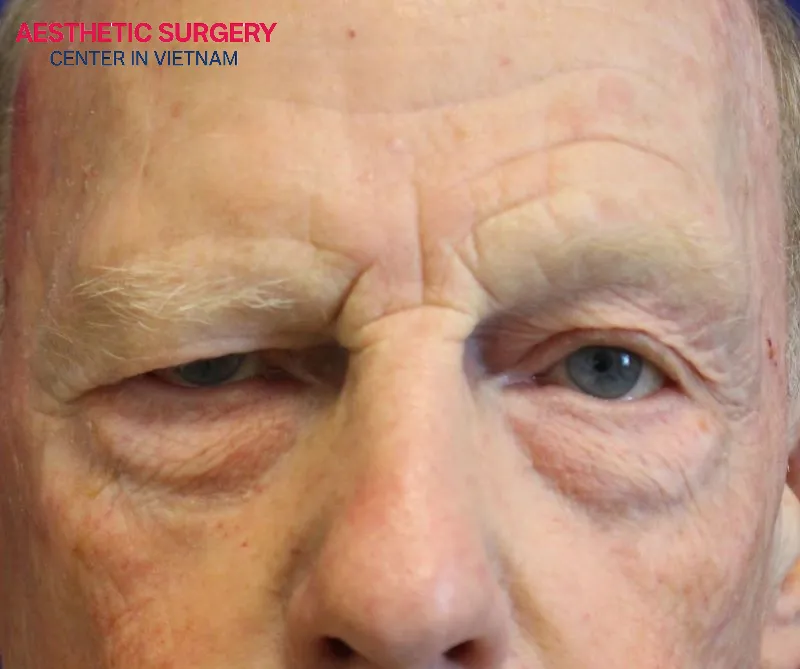
In some cases, a brow lift may not achieve the desired results, or complications may cause asymmetrical eyebrows. In such situations, corrective procedures can help restore a more aesthetically balanced appearance. Below are some commonly applied solutions:
- Follow-up and assessment: The first step after a problematic brow lift is for the patient to visit a reputable plastic surgeon for examination and to identify the cause of the unsatisfactory result.
- Corrective surgery: In cases of asymmetrical eyebrows, hypertrophic scars, or overly tight skin, the surgeon may perform corrective surgery to reposition the brows and adjust the affected tissue.
- Scar treatment: For keloid, hypertrophic, or unsightly scars, patients can undergo laser therapy, steroid injections, or chemical peels under the guidance of a specialist.
- Sensory recovery: If complications involve nerve damage, the surgeon may recommend nerve supplements, physical therapy, or extended rest to gradually restore sensation.
Preventive measures to avoid complications
To minimize risks and brow lift complications, you need to prepare carefully and follow these important guidelines:
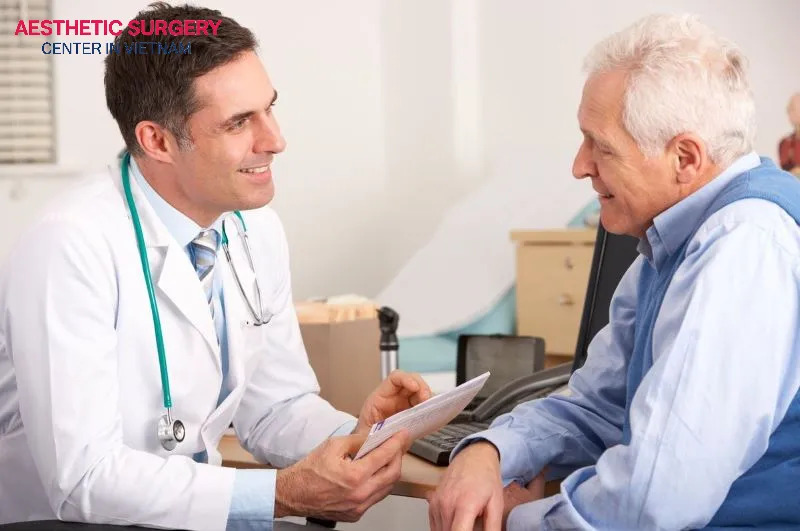
- Performed by an experienced surgeon: The surgeon’s skill and anatomical knowledge determine the brow lift results and minimize damage to tissues and nerves.
- General health check: Ensure the patient is in good health and eligible for the brow lift procedure.
- Proper postoperative care: Follow the surgeon’s instructions carefully, use compression or fixation tape as advised, and keep the incision site clean while avoiding excessive contact or impact.
- Regular follow-up: The surgeon will monitor the healing process and can promptly detect and address any complications.
- Choose a reputable facility: Opt for a hospital or aesthetic clinic with modern equipment and sterile operating rooms that meet medical standards..
If you are looking for a reputable place for a brow lift that minimizes complications, Aesthetic Surgery Center is a trustworthy choice. With a team of experienced plastic surgeons who have in-depth expertise in forehead and temple procedures, Aesthetic Surgery Center is committed to delivering natural, satisfying aesthetic results for every client..
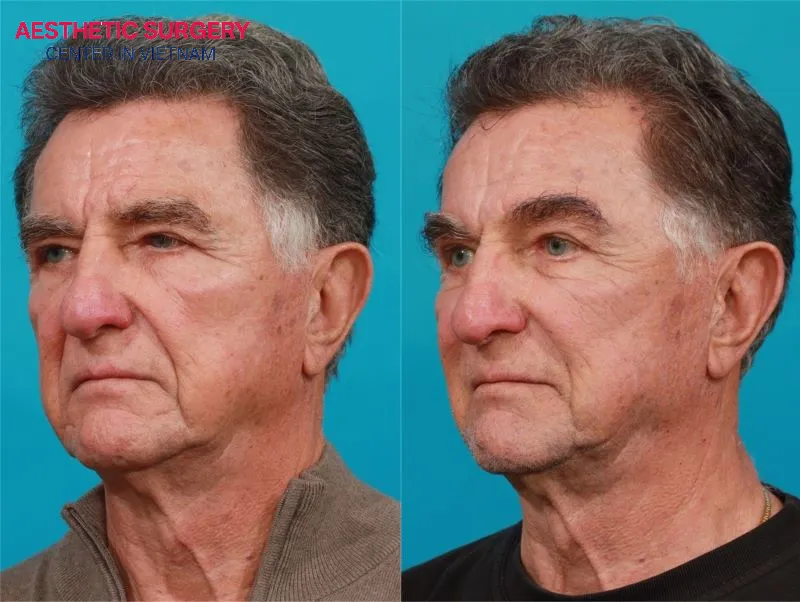
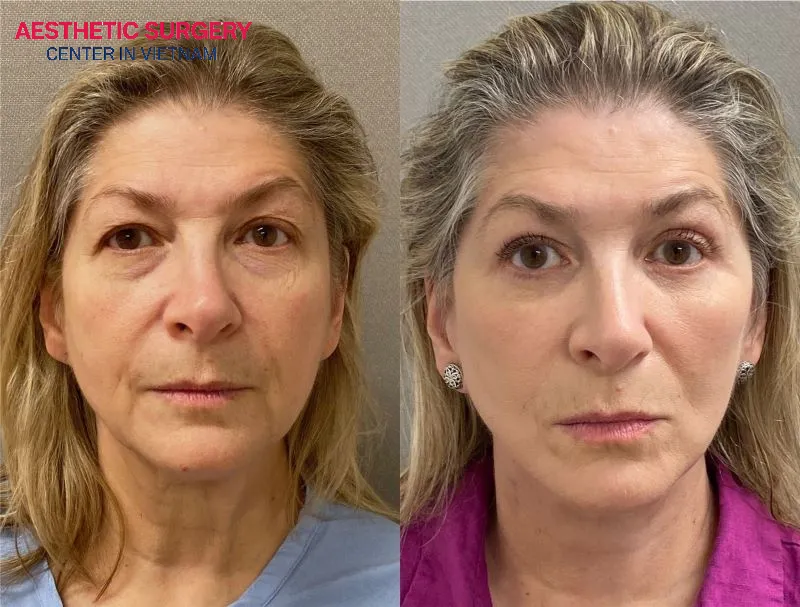
We hope this article has helped you understand the causes of brow lift complications, as well as effective ways to prevent and address them. Choosing a reputable clinic and experienced surgeon can significantly reduce risks. If you are still unsure about whether to undergo a brow lift, contact Aesthetic Surgery Center at hotline (+84) 911 582 499 for direct consultation and to find the most suitable solution for you.











Comment on the post