


After a brow lift, it’s common to experience some swelling, which can make many people feel concerned. In fact, this is a completely natural response of the body. However, if you don’t understand the cause and how to care for it properly, the healing process may be prolonged. In this article, Aesthetic Surgery Center in Vietnam will explain how long does swelling last after a brow lift, the factors that can affect recovery, and proper aftercare tips to help you regain a natural, refreshed look more quickly.
What is a brow lift?
A brow lift is a cosmetic procedure designed to remove excess skin and fat while repositioning sagging brows caused by aging. This technique helps open up the eyes, making them look brighter, larger, and more balanced with the rest of the face. It is ideal for individuals with droopy eyelids, excess skin around the eyes, or those seeking a comprehensive rejuvenation through a brow lift with blepharoplasty. By addressing both the brow line and the eyelids simultaneously, patients can achieve a significantly more youthful and refreshed appearance.
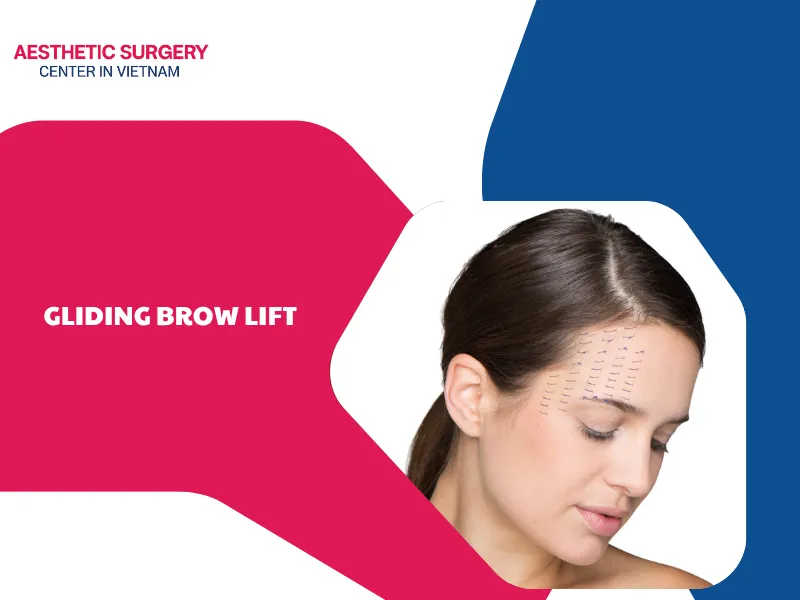
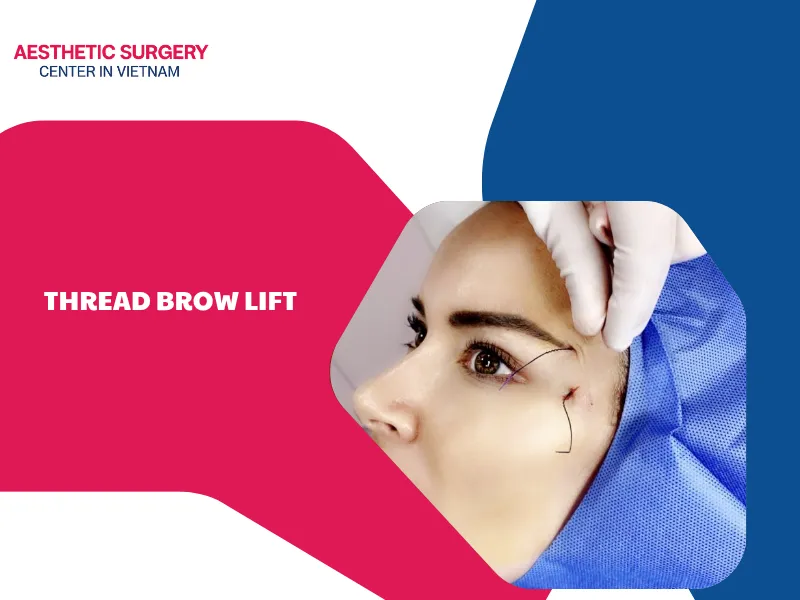
There are two common types of brow lift procedures: the traditional brow lift and the endoscopic brow lift.
- In a traditional brow lift, the surgeon makes a small incision just above or below the eyebrow, removes excess skin and fat, then sutures the area to lift and reshape the brow line.
- In an endoscopic brow lift, the surgeon uses an endoscopic device and makes several tiny incisions hidden within the hairline. The forehead tissue and brow are then gently lifted, allowing for a natural, scar-concealed result.
Is swelling after a brow lift dangerous?
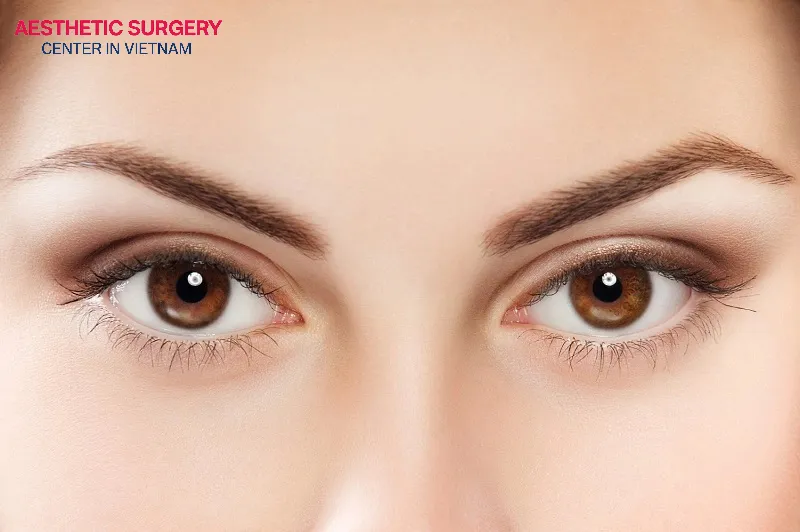
Swelling after a brow lift is a normal reaction and not dangerous. After surgery, you may experience mild swelling, slight pain, or a feeling of tightness in the forehead area — all of which are natural responses during the healing process. At this stage, you should limit movement of your forehead and brows to help the incision heal properly and maintain the brow shape.
However, if swelling lasts for more than two weeks without improvement, or if you notice unusual symptoms such as persistent pain after brow lift surgery, uneven brows, numbness around the forehead or eyes, chest pain, shortness of breath, or irregular heartbeat, you should visit a medical facility or your plastic surgeon immediately for evaluation and timely treatment to prevent serious complications.
>>> See more: How long after a brow lift can I get my eyebrows tattooed?
How long does it take for the swelling to go down after a brow lift?
Typically, the swelling will gradually subside within 1–2 weeks, and you’ll start to see a noticeable improvement in your brow shape. However, it may take a few more weeks for the final results to fully stabilize. The recovery time can vary depending on each person’s body condition and how well postoperative care is followed.
Swelling after a brow lift is a completely normal physiological response. In the first few days, you may notice slight swelling or unevenness between the brows, this is only a temporary side effect and nothing to worry about.

Factors affecting the duration of swelling after a brow lift
After a procedure, the speed of swelling reduction and recovery depends on each person’s body condition and several other factors. Those with good healing ability usually recover faster, while people with sensitive skin or poor reaction to medication may experience swelling for a longer period.
In addition, the surgeon’s skill and surgical technique play a crucial role. When performed by an experienced surgeon using precise and minimally invasive methods, the tissues experience less trauma, which helps reduce swelling and shortens recovery time significantly.
Postoperative care also greatly affects the final result. You should keep the surgical area clean and dry, avoid intense physical activity, and stay away from foods that may cause inflammation, scarring, or darkening such as seafood or beef. During the first 48 hours, gently applying cold compresses can help minimize swelling and discomfort, allowing the healing process to progress faster and more safely.

>>> See more: Brow lift with blepharoplasty
How to properly care for yourself after a brow lift
To achieve the desired aesthetic results and support faster healing, proper aftercare following a brow lift is extremely important. Following these essential guidelines will help you protect your brow shape and significantly minimize the risk of common brow lift complications, such as swelling, scarring, or asymmetry.
Rest and exercise reasonably
After a brow lift, you should take time to rest and adjust your daily activities properly. Sleep on your back with your head elevated to help reduce swelling, and avoid strenuous activities such as bending over, lifting heavy objects, intense workouts, swimming, or direct water exposure during the first few weeks. Following these guidelines helps minimize swelling and discomfort, protect the surgical area from impact, and ensure your brow shape remains stable for the best aesthetic results.

Establish a proper diet and dietary restrictions
After a brow lift, maintain a healthy, well-balanced diet to support the healing process. Incorporate foods rich in vitamins and protein from easily digestible sources such as vegetables, fresh fruits, fish, tofu, and lean meat to strengthen the immune system, promote skin regeneration, and help wounds heal faster.
Additionally, avoid foods that may cause keloid scars, dark marks, or irritation, such as chicken, eggs, and seafood, for at least 2–4 weeks to ensure the brow area heals evenly and achieves the best aesthetic results.

With the information above, you now have the answer to the question “How long does swelling last after a brow lift?”. Aesthetic Surgery Center In Vietnam hopes these insights help you better understand the recovery process and take proper care to achieve naturally defined, balanced, and beautiful brows.














Comment on the post