



Blepharoplasty is a cosmetic solution chosen by many women to achieve beautiful, attractive double eyelids and enhance the overall facial appearance. However, many patients worry about pain during the procedure and wonder, “does blepharoplasty require general anesthesia?” Read the article below for a detailed answer. This will help you choose the most suitable option between local anesthesia and general anesthesia.
Does blepharoplasty require general anesthesia?
Blepharoplasty usually does not require general anesthesia, but the final choice depends on the procedure and the patient’s condition. Today, the procedure is usually performed using local anesthesia only. This method involves injecting a local anesthetic into the eyelid area being treated. It numbs the sensory nerves and helps reduce pain throughout the procedure.
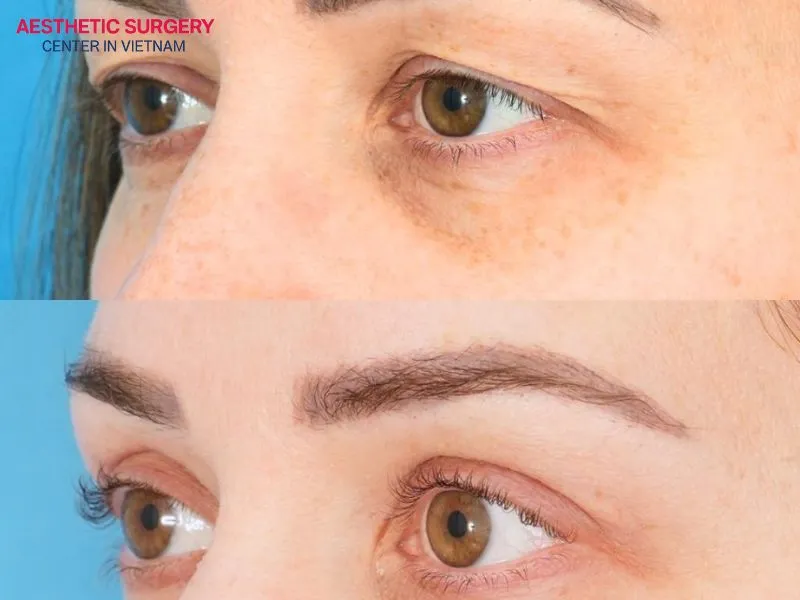
In addition, overusing general anesthesia for a minor procedure like blepharoplasty can cause negative effects. It may affect health and aesthetic results. Based on medical analysis, below are some reasons why general anesthesia should not be used for eyelid surgery:
- Increased medical risks: General anesthesia always carries higher potential risks compared to local anesthesia. It may cause adverse reactions to anesthetic drugs and affect the respiratory or cardiovascular system.
- Higher surgical costs: General anesthesia must be performed by a qualified anesthesiologist and requires specialized medical equipment. As a result, the total eyelid surgery cost is higher than procedures using local anesthesia only.
- Longer recovery time: After general anesthesia, patients often experience nausea, dizziness, and fatigue. They also need to stay in the hospital longer for monitoring until the anesthetic wears off. In contrast, with local anesthesia, patients remain fully awake and can go home immediately after the procedure.
Factors influencing the choice of anesthesia
Once the question of whether blepharoplasty requires general anesthesia is answered, the decision between local anesthesia and general anesthesia should be based on strict medical criteria. Below are five important factors that help surgeons and patients make a safe and appropriate choice.
Procedure complexity
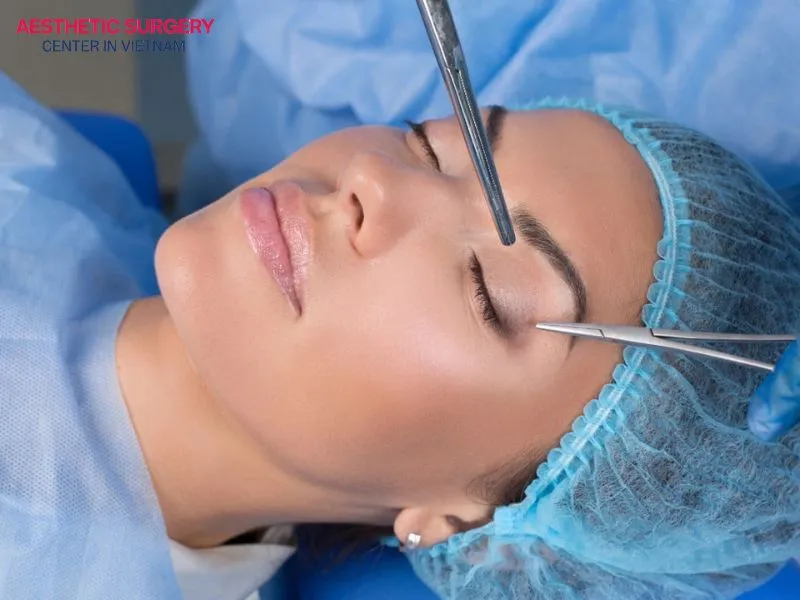
- Upper eyelid surgery or simple revisions: Local anesthesia combined with mild sedation is the optimal option. This method is enough to eliminate pain while keeping the patient awake. It allows the patient to open and close the eyes, helping the surgeon adjust the eyelid crease evenly and accurately.
- Lower eyelid surgery or combined procedures: These require a high level of precision. Therefore, general anesthesia is often preferred to ensure the patient remains completely still and to prevent any involuntary movements that could cause risks during surgery.

Overall health and underlying medical conditions
For patients with cardiovascular or respiratory conditions, anesthesia choice must be individualized and carefully evaluated by the medical team. This helps ensure adequate oxygen supply during surgery when needed. In addition, local anesthetics often contain epinephrine. This ingredient can increase heart rate and blood pressure as a side effect. Therefore, for patients with respiratory-related conditions who wish to undergo blepharoplasty, general anesthesia may be the preferred option.
Patient anxiety levels
For patients who experience high anxiety, prolonged tension can raise blood pressure and heart rate. This may lead to increased bleeding and more severe swelling after surgery. In such cases, surgeons may recommend local anesthesia with sedation. This approach helps patients relax completely and avoid pain during the procedure.
Estimated surgery duration
Simple blepharoplasty procedures are usually quick, lasting about 30–60 minutes. In these cases, patients rarely feel discomfort during the procedure. However, if the surgery is more complex or combined with other cosmetic procedures, the operating time may be longer, ranging from 2 to 3 hours. Therefore, general anesthesia is a suitable option to ensure patient comfort and allow the surgeon to maintain focus, while also reducing the need for repeated local anesthetic injections.
>>> See more: Does eyelid tape work?
What kind of anesthesia is used for eyelid blepharoplasty?
Blepharoplasty today commonly uses three anesthesia methods, depending on the surgeon’s recommendation and the patient’s preferences. These include:
Local anesthesia
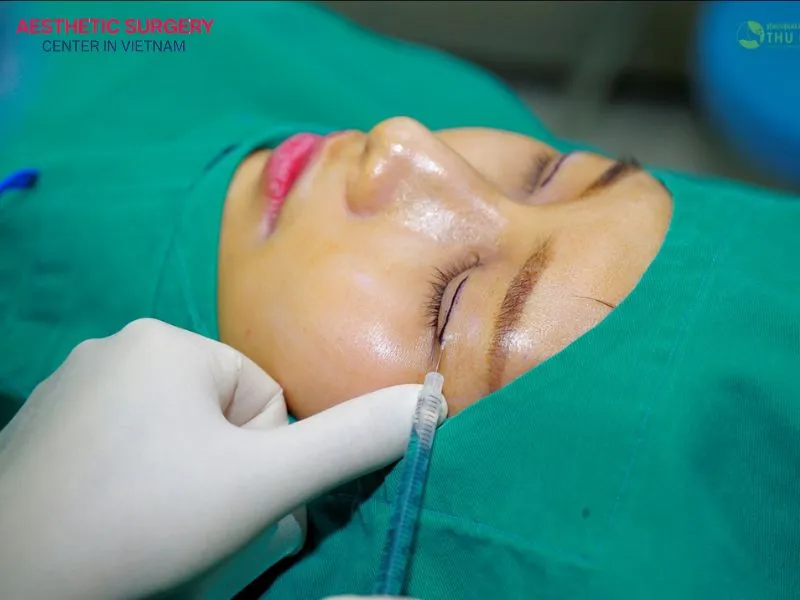
This is the most common method and is suitable for simple eyelid surgery cases. With this technique, the surgeon injects a local anesthetic directly into the eyelid area being treated. It is usually lidocaine combined with epinephrine to control bleeding and enhance pain relief.
The anesthetic numbs the eyelid area, so you will not feel pain. However, you may still notice physical sensations such as pressure, gentle pulling, or the movement of surgical instruments.
In addition, because you remain awake throughout the procedure, you can cooperate with the surgeon by opening and closing your eyes or looking up and down when asked. This helps the surgeon adjust the eyelid crease evenly and reduces the risk of eyelid retraction or drooping after the incision is closed.
Local anesthesia combined with sedation
This method is used to manage both pain and psychological discomfort. In addition to injecting local anesthetic into the eye area, the surgeon administers sedative medication through an intravenous line.
This approach places you in a deeply relaxed, drowsy state, somewhere between awake and asleep during the minor procedure. However, you can still breathe on your own without machine support. After waking up, you usually do not remember the sounds of surgical tools or the surgeon’s actions in the operating room.
The benefit of local anesthesia combined with sedation is that it reduces anxiety and tension while still maintaining enough reflex response. The surgeon can gently wake you when needed to check the eyelid crease, and you can easily fall back into a short, light sleep afterward.
General anesthesia
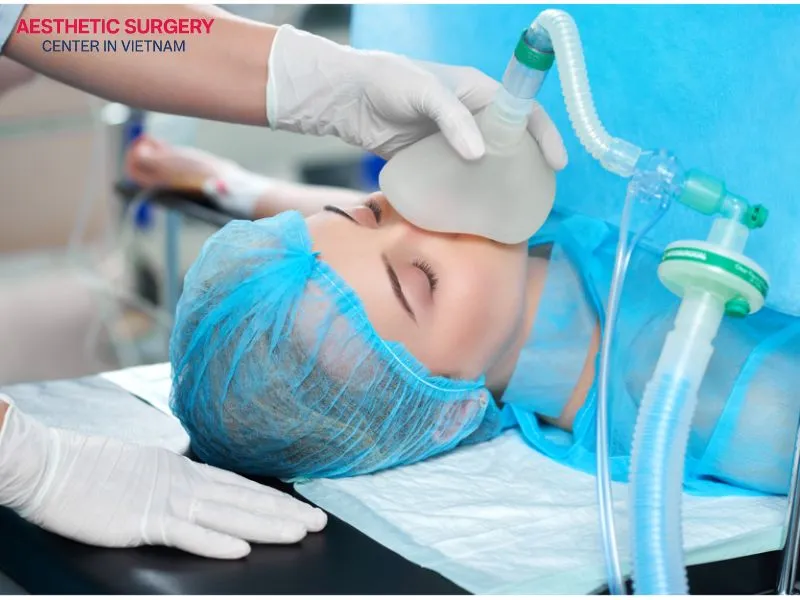
General anesthesia causes you to fall into a deep sleep and completely lose consciousness throughout the procedure. This method must be performed in a hospital setting under close monitoring by an anesthesiologist and requires anesthesiology monitoring and airway support.
Once the anesthetic is administered, you will have no awareness or pain sensation. You will remain asleep and only wake up after the surgery is completed, then be transferred to a recovery room.
Because this method involves certain risks, it requires agreement among all parties, including the operating surgeon, the anesthesiologist, and the patient. surgeons also advise that general anesthesia should only be used for revision surgeries or complex eyelid reconstruction cases.
From the information shared above, you likely now have a comprehensive understanding of the anesthesia options for eyelid surgery and a clear answer to the question, “does blepharoplasty require general anesthesia?” However, to ensure safety and achieve the best results, it is important to choose reputable clinics with highly qualified and experienced surgeons who can ensure you have a safe and successful eyelid surgery experience while achieving beautiful, natural-looking eyelids.
>>> See more: Can you put neosporin on your eyelid?
















Comment on the post