



After a hair transplant, the scalp often shows mild redness or slight tightness, which is a completely normal reaction. However, if you notice unusual symptoms such as prolonged pain and swelling, white pus at the hair follicles, or the transplanted area feeling hot and irritated, it may indicate an infected hair transplant follicle. This article will help you understand the signs, causes, and treatment options for infected follicles, so you can maintain healthy, even hair growth.
Signs of an infected hair transplant follicle
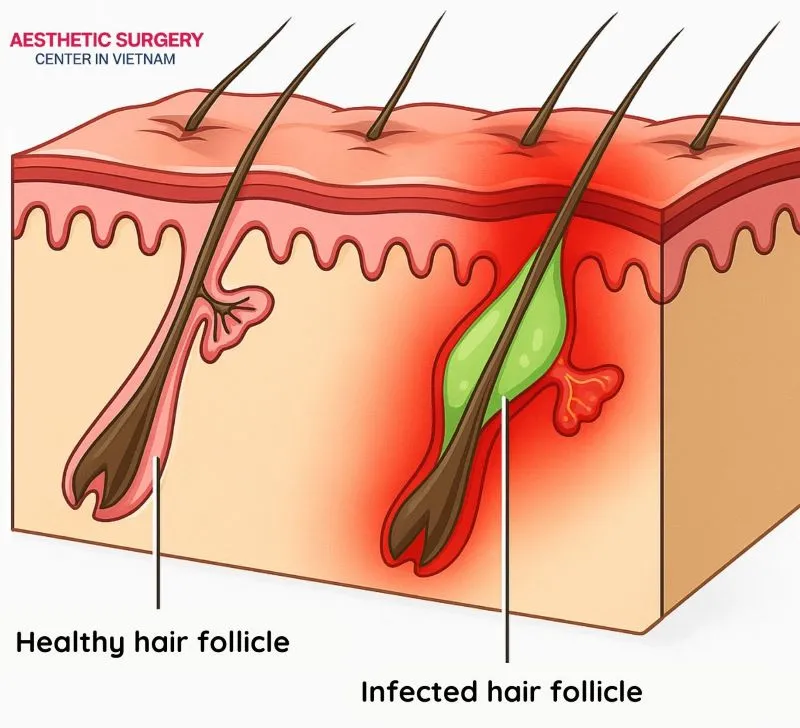
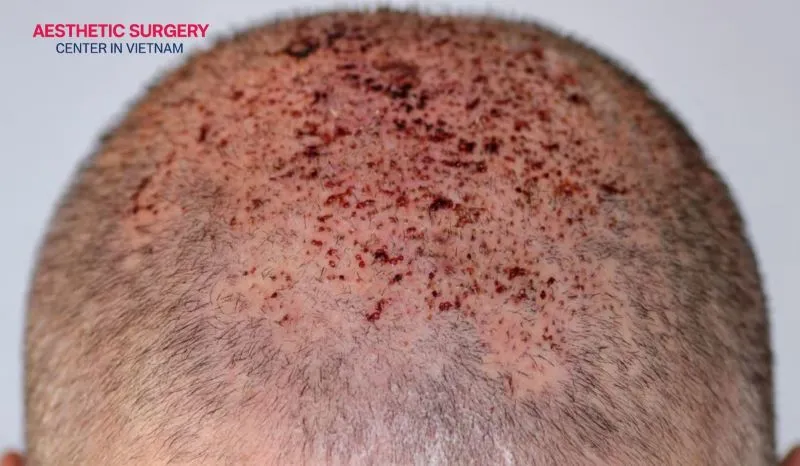
After a hair transplant, slight redness or mild tightness on the scalp is completely normal. However, since this procedure is invasive, improper care can easily lead to follicle infections. To detect and address problems early, here are the common signs of infected hair transplant follicles you should watch for:
- Unusual red swelling at the transplanted area, with the redness spreading, becoming darker, and accompanied by a burning sensation.
- Persistent and increasing pain, instead of decreasing after 2–3 days as in normal recovery.
- White, green, or pus-like discharge around the transplanted follicles, sometimes with a slight odor.
- General fatigue, fever above 38°C, or feeling cold even in a warm environment.
- Excessive hair shedding shortly after the transplant, hair falling out in clusters, with swelling and redness in the transplanted area.
- Delayed healing, with the transplanted area taking longer to recover than usual.
>>> See more: Hair transplant female celebrities
Causes of infected hair transplant follicles
The condition of infected hair transplant follicles often arises from many different factors, including hygiene, the technique used, and each person’s ability to recover. Below are the common causes:
- Improper scalp hygiene after the hair transplant, allowing bacteria to easily penetrate the still-open transplant sites.
- Frequently touching the transplanted area with hands, scratching, picking scabs, or wearing a hat when the scalp hasn’t healed, letting bacteria from hands and sweat cause infection.
- Non-sterile tools or hair transplant environment, and the surgeon’s technique not following proper medical standards.
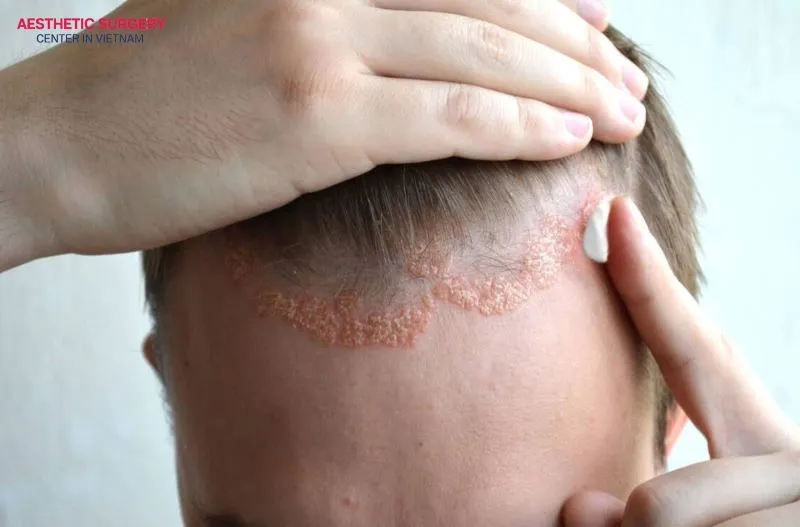
- People with weak constitutions or who have skin conditions such as dermatitis or folliculitis are more prone to infections during recovery.
- Not following proper post-transplant care instructions, such as washing the scalp incorrectly, using low-quality products, or exercising too soon.
How to treat infected hair follicles after a hair transplant?
Once the cause of infection is identified, proper treatment is extremely important to prevent the spread and protect the survival rate of your grafts. If you notice a painful or red infected hair transplant follicle. While some hair transplant side effects like mild redness are common, a full infection requires immediate care. Here are some commonly applied treatment measures you can refer to:
- Clean the scalp with a specialized solution as directed by your surgeon to remove bacteria and limit inflammation.
- Use antibiotics or anti-inflammatory medication as prescribed; do not buy or use medication without a medical consultation.
- Apply gentle cold compresses to reduce redness and hair transplant swelling, avoiding direct contact of water with the newly transplanted area.
- Stop activities that cause sweating, such as intense exercise, wearing tight hats, or staying in hot environments.
- Schedule a follow-up appointment immediately if there is significant pus, persistent pain, or fever. The surgeon may prescribe antibiotics, as these are signs of a severe infection.

How to prevent folliculitis after a hair transplant?
To reduce the risk of infection after a hair transplant, proper scalp care and protection are crucial during the hair transplant recovery period. Here are effective preventive measures you should follow:
- Choose a reputable clinic with highly skilled surgeons and sterile, standard-compliant operating rooms to minimize the risk of infection from the start.
- Keep the scalp clean and wash it according to your surgeon’s instructions using specialized solutions to prevent dirt and bacteria buildup.
- Avoid touching, scratching, or picking hair transplant scabs, as this can allow bacteria to enter the open transplanted area.
- Do not use unfamiliar or low-quality products during the early stages. Prioritize gentle, low-irritation products to prevent irritation.
- Attend regular follow-up appointments so your surgeon can monitor the healing process and address any signs of infection promptly.
>>> See more: How does hair transplant work?
Reputable and safe hair transplant clinics
No patient wants to experience a hair transplant gone wrong, which is why choosing a clinic that is reputable, safe, and meets strict medical standards is vital. Aesthetic Surgery Center is a place you can trust. Here, the entire hair transplant process is performed by a team of experienced cosmetic surgeons who have successfully carried out hundreds of procedures, achieving high follicle survival rates and natural recovery.
The operating rooms at Aesthetic Surgery Center are designed to meet medical standards, ensuring a sterile and safe environment for both patients and surgeons. Every instrument is thoroughly sterilized following medical protocols, minimizing the hair transplant risks of infection.
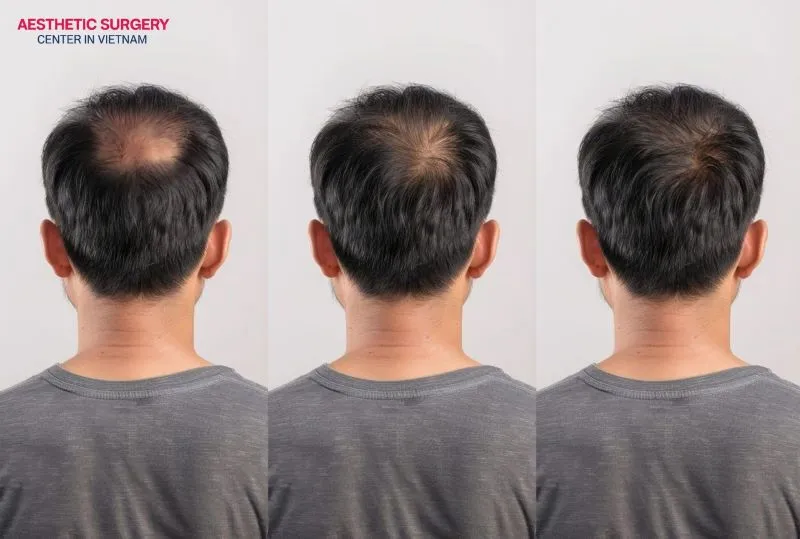
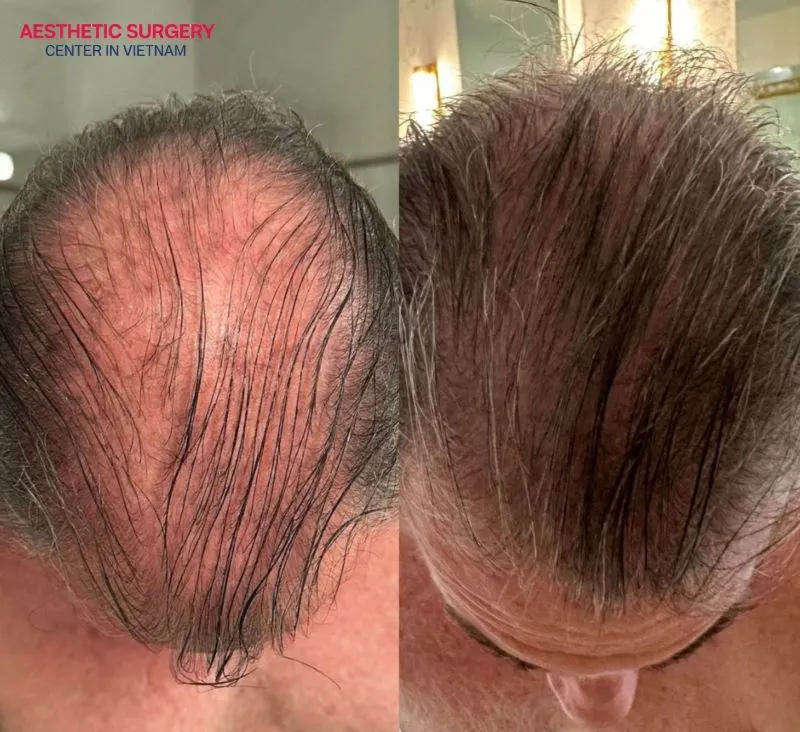
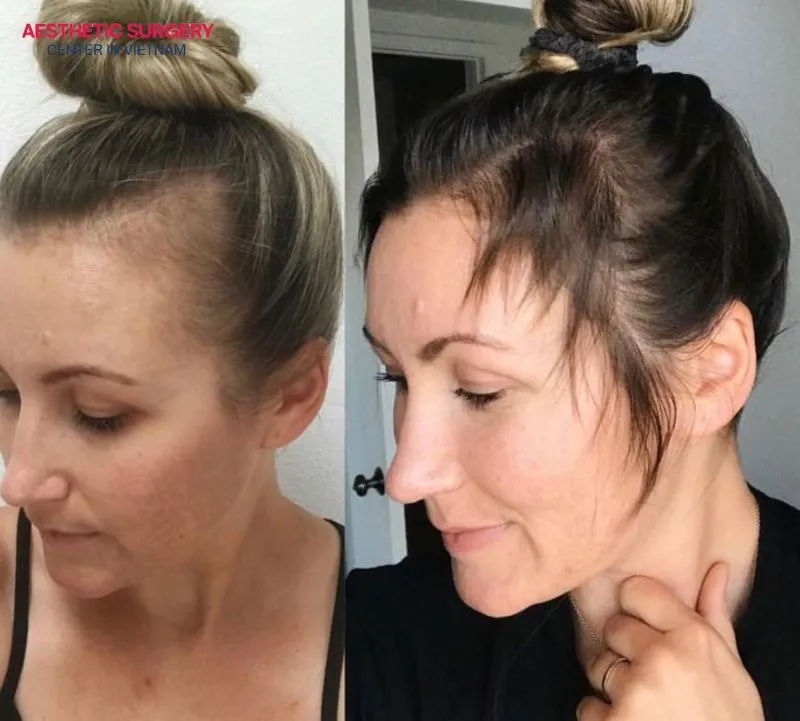
Aesthetic Surgery Center always has a clear warranty policy, committing to monitor and support patients throughout the recovery and hair growth process, ensuring that patients achieve the desired hair transplant results.
Through this article, we hope you now have a clear understanding of the signs, treatment methods for infected hair transplant follicles, and ways to prevent this complication. Closely monitoring your scalp during the recovery period and choosing a reputable hair transplant clinic will help minimize risks, ensure healthy follicle development, and achieve the desired aesthetic results.
>>> See more: Hair transplant clinic in Ho Chi Minh city










Comment on the post