



A hair transplant is a popular solution to restore thinning or balding hair, offering natural results and long-lasting effects. However, before the procedure, many patients wonder, “How long does a hair transplant take?” To better understand the duration and the hair transplant process, you can read the detailed guide below.
How long does a hair transplant take?
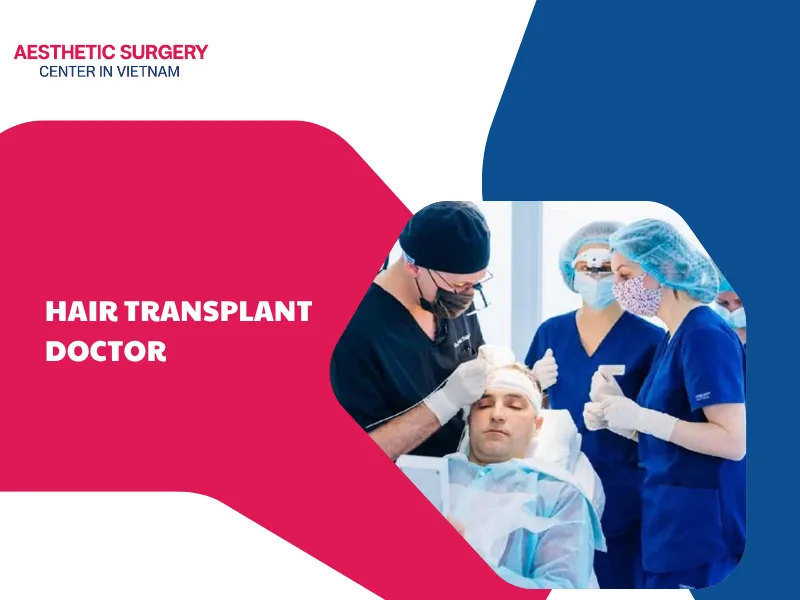
Typically, a hair transplant procedure takes about 4–8 hours, but the duration can vary depending on the extent of hair loss and the number of grafts needed. For cases requiring large-area density restoration or full hairline reconstruction, the procedure may take longer.
During the process, patients receive local anesthesia, so they remain comfortable and can relax, watch movies, or use their phones while the surgeon works.
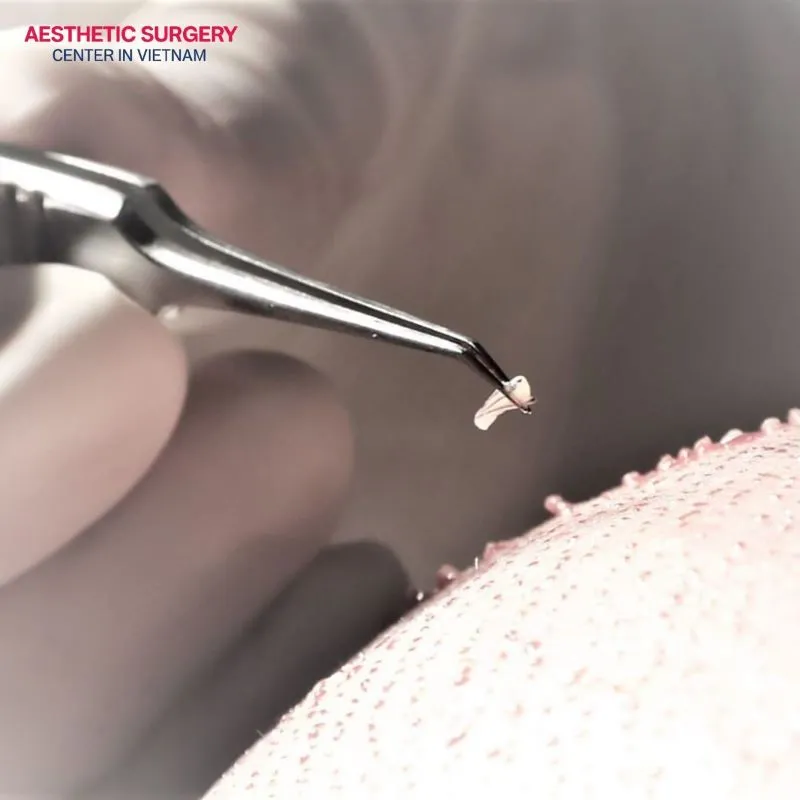
5 factors that affect hair transplant duration
Here are 5 key factors that directly influence the duration of your hair transplant procedure and the total time you need to spend at the clinic:
Unexpected events during surgery
During a hair transplant, some unexpected situations may occur, extending the procedure beyond the initial estimate. These cases are not very common but can happen if the scalp is highly sensitive, it is challenging to restore dense hair, or the patient feels uncomfortable, tense, and moves frequently, which can interrupt the surgery.
Therefore, choose a reputable clinic where experienced surgeons perform the procedure. Skilled surgeons can help minimize unexpected issues and manage the placement of grafts to reduce the visibility of hair transplant scars.
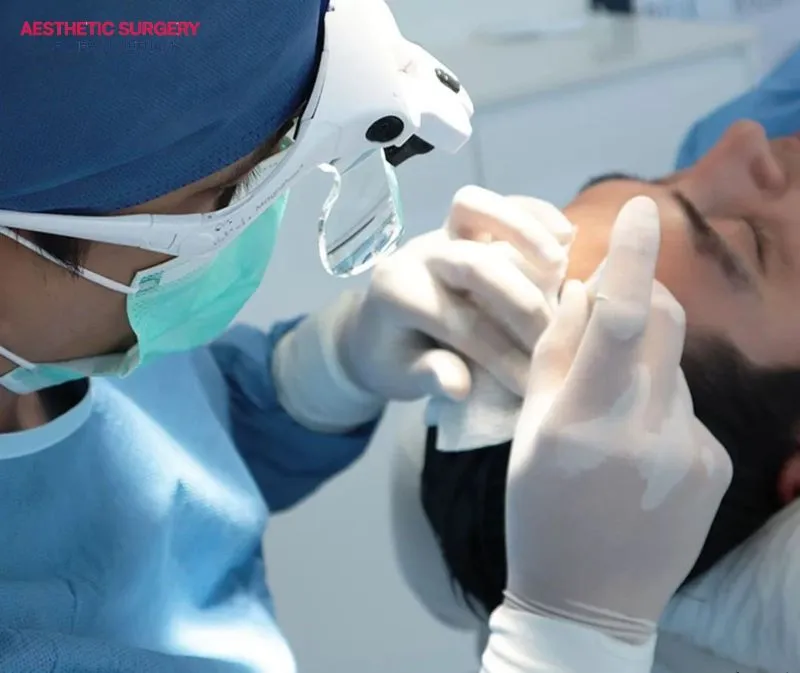
Number of grafts needed
The number of grafts required directly affects the total duration of the procedure. If you need many grafts to cover a large balding area, the surgeon will spend more time on harvesting and carefully implanting each graft in the correct position. However, for cases needing only a small number of grafts to lightly fill the hairline or a small thinning area, the procedure will take much less time.
To help you better understand how long a hair transplant takes, the table below estimates the number of grafts and the corresponding procedure time based on the level of hair loss:
| Level of Hair Loss | Number of Grafts | Estimated Procedure Time |
| 1 | Less than 500 grafts | 1-3 hours |
| 2 | 500 – 1.000 grafts | About 4 hours |
| 3 | 1.000 – 1.500 grafts | 4 – 5 hours |
| 4 | 1.200 – 2.000 grafts | 5 – 6 hours |
| 5 | 1.800 – 2.200 grafts | 6 – 7 hours |
| 6-7 | Over 2.200 grafts | 7 – 8 hours or more |
Hair transplant method
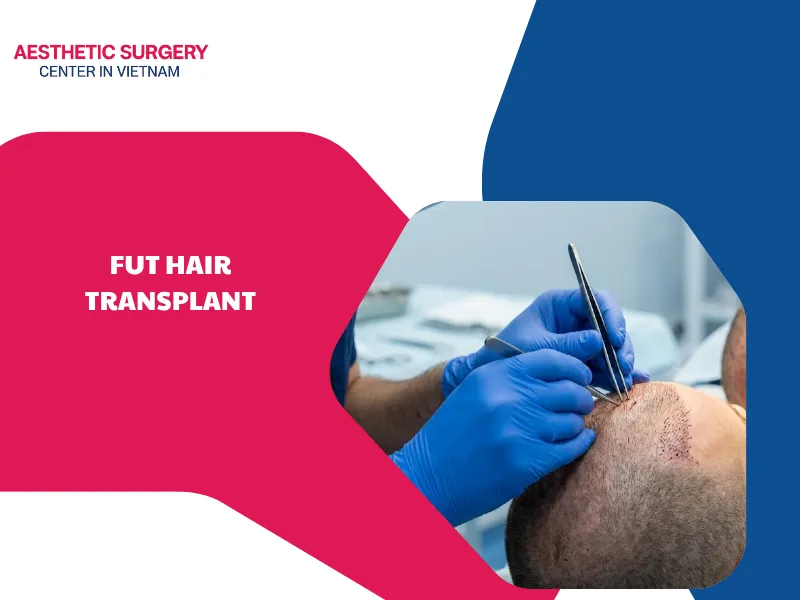
Currently, the two popular hair transplant methods are FUE and FUT. The FUE technique usually takes longer than FUT. Regardless of the method, following post-op instructions is the best way to avoid hair transplant side effects like infection or inflammation. As a result, an FUE transplant typically takes about 5–7 hours, while FUT usually takes 4–6 hours to complete.
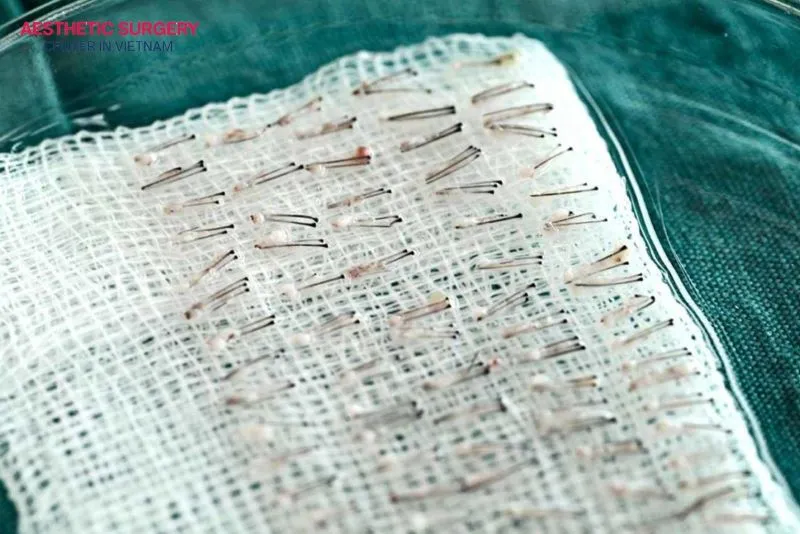
Patient’s hair loss level
If you have severe hair loss, large balding areas, or significant hairline recession, the transplant will take longer than cases with mild thinning or early-stage baldness. The more extensive the hair loss, the more grafts are needed, and the harvesting and implantation processes will take additional hours to ensure even, natural density.
Preparation and recovery
Some clinics require patients to arrive earlier for pre-procedure preparation. The surgeon will examine your hair, design the hairline, and perform cleaning and local anesthesia to ensure the procedure goes smoothly. After the transplant, you will be monitored for a while to check for any issues such as dizziness or bleeding. At this stage, your specialist will also provide crucial post-operative guidance, including how to sleep after hair transplant surgery to protect the newly implanted grafts. Sleeping with your head elevated at a 45-degree angle for the first few nights is essential to reduce swelling and prevent the grafts from rubbing against your pillow.
Therefore, although the transplant itself may last several hours, you should allow extra time—sometimes an entire day—for the full hair transplant process.
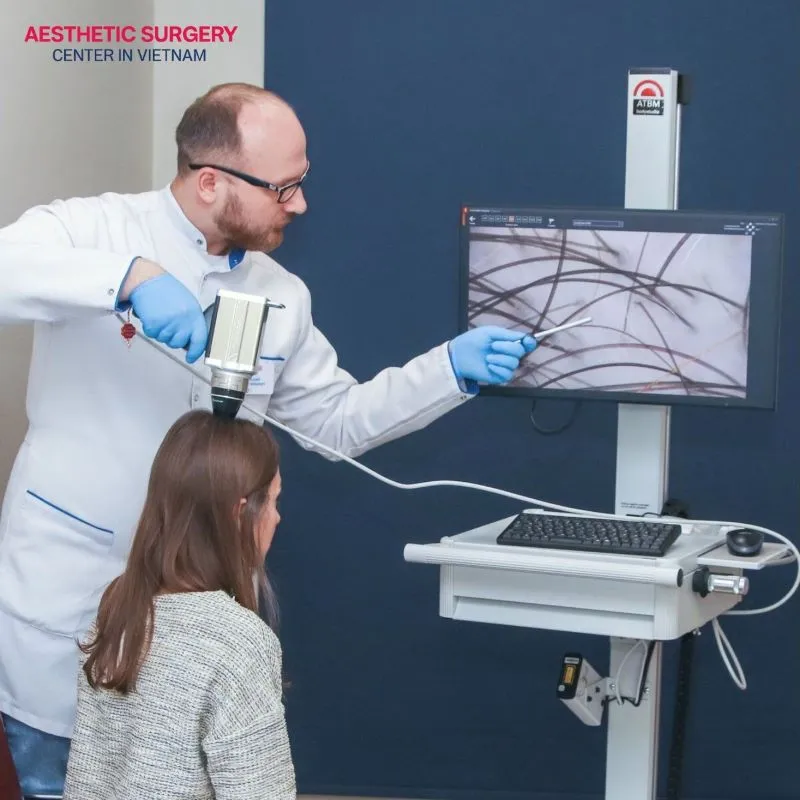
How long does it take for hair to grow after a transplant?
After a hair transplant, your new hair goes through several stages before fully growing. Typically, the transplanted hair may shed slightly within the first 2–4 weeks. This is a normal reaction as the follicles adjust and enter a new growth phase.
From the 2nd to 3rd month, new hairs start to grow, though they are usually thin and sparse. From the 4th month onward, hair becomes thicker, darker, and grows more evenly across the transplanted area.
The most noticeable results usually appear after 9–12 months, when hair density stabilizes and the strands become as strong as natural hair. Those with good genetics or proper hair care may see faster growth than expected.
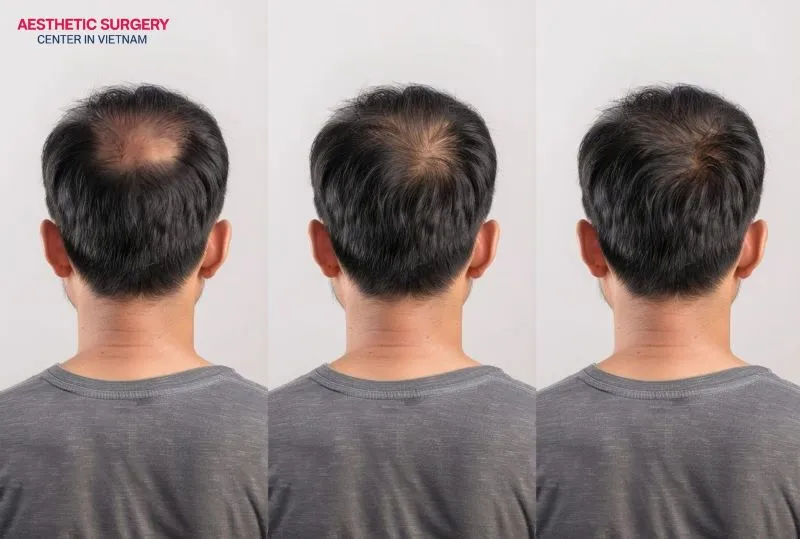
Hair growth stages after a transplant
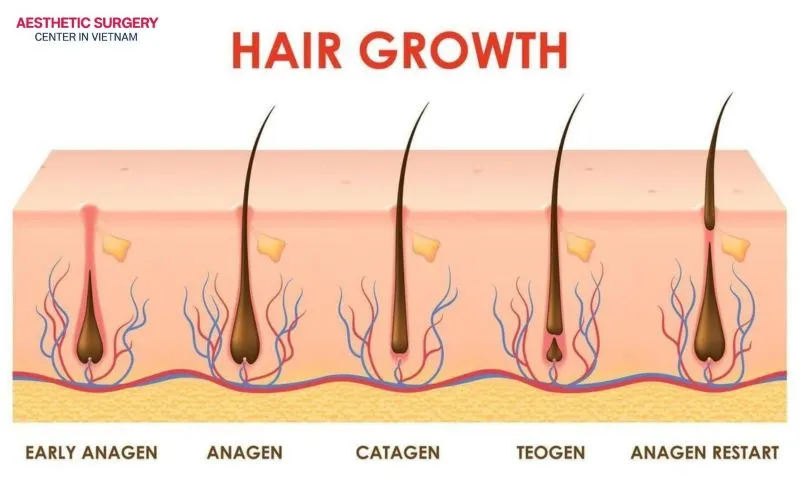
After a hair transplant, the follicles grow according to the natural hair growth cycle. Here are the 4 stages of hair growth to help you understand which phase your transplanted hair is in:
Anagen
The Anagen phase is the first and most important stage of the hair growth cycle. During this phase, cells in the hair follicle divide rapidly, producing new hair and helping it grow day by day. This is the period when hair grows most actively, accounting for 80–90% of the hair on the scalp.
For transplanted hair, the Anagen phase usually becomes noticeable after 2–3 months, as the follicles stabilize and start growing naturally. Hair gradually becomes thicker and healthier over time.
Catagen
After the growth phase, hair enters the Catagen phase, a short transitional stage lasting about 2–3 weeks. During this period, the hair shaft gradually detaches from its blood supply in the follicle, temporarily halting growth. Hair shrinks slightly and rests within the follicle, preparing for the next resting stage.
This is a completely normal process for transplanted hair, and sometimes the Catagen phase may appear earlier as follicles adapt before entering a stronger growth cycle.
Telogen
After 2–3 weeks of the Catagen phase, hair enters the Telogen phase, which usually lasts about 3 months. During this time, new hair forms beneath the old hair, preparing to replace it. This is why you may notice some shedding when combing or washing your hair—this is completely normal and part of the natural hair cycle.
For transplanted hair, the Telogen phase can sometimes make people think the grafts are failing, but in reality, it is just a transitional stage before the new hair grows thicker and stronger.
Exogen
The Exogen phase is the final stage of the hair growth cycle, when old hair completely detaches and falls out. Shedding typically occurs during washing or light brushing. At this stage, new hair is ready to grow and push out the old hair, starting a new growth cycle. Losing 50–100 hairs per day is normal and not a sign of a hair loss disorder.

Should you get a hair transplant?
You should consider a hair transplant if your hair is thinning or balding noticeably, affecting your appearance and confidence. Unlike hair growth medications or temporary treatments, a transplant uses your own hair follicles, so the new hair grows thick, healthy, and naturally, just like your original hair.
If you have tried various methods without success or want to quickly achieve a fuller, healthier hair, you can visit Aesthetic Surgery Center for an examination and proper assessment of your scalp before the procedure.
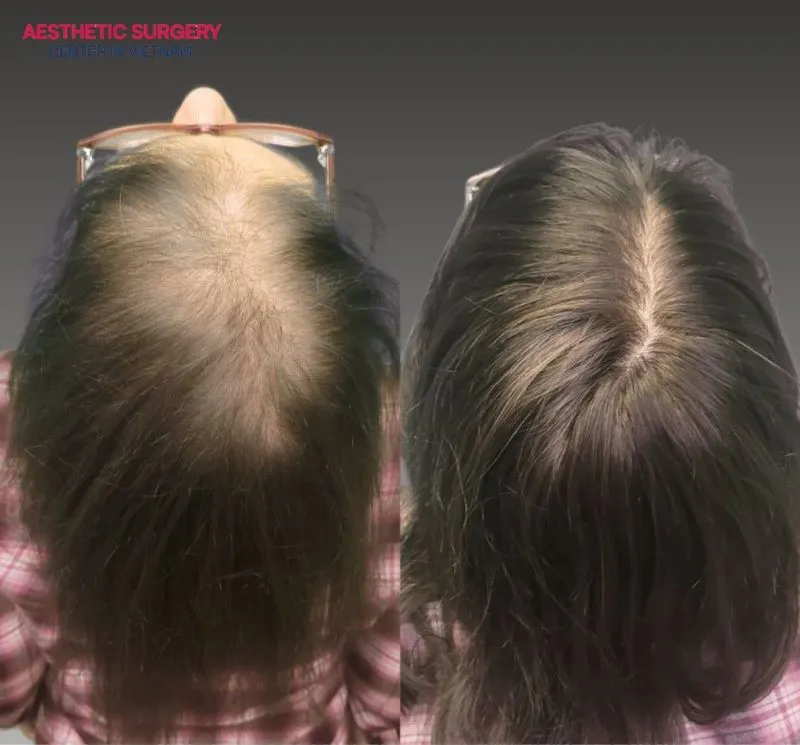
At Aesthetic Surgery Center, specialist surgeons design a hairline that suits your face, choose the most suitable transplant method, and perform the procedure in a sterile environment. Every step is carefully controlled to maximize graft survival and ensure hair grows evenly and thick over time.
Additionally, the center closely monitors your hair transplant recovery, provides detailed care instructions, and offers a clear warranty policy, giving every patient peace of mind until their new hair is fully developed.
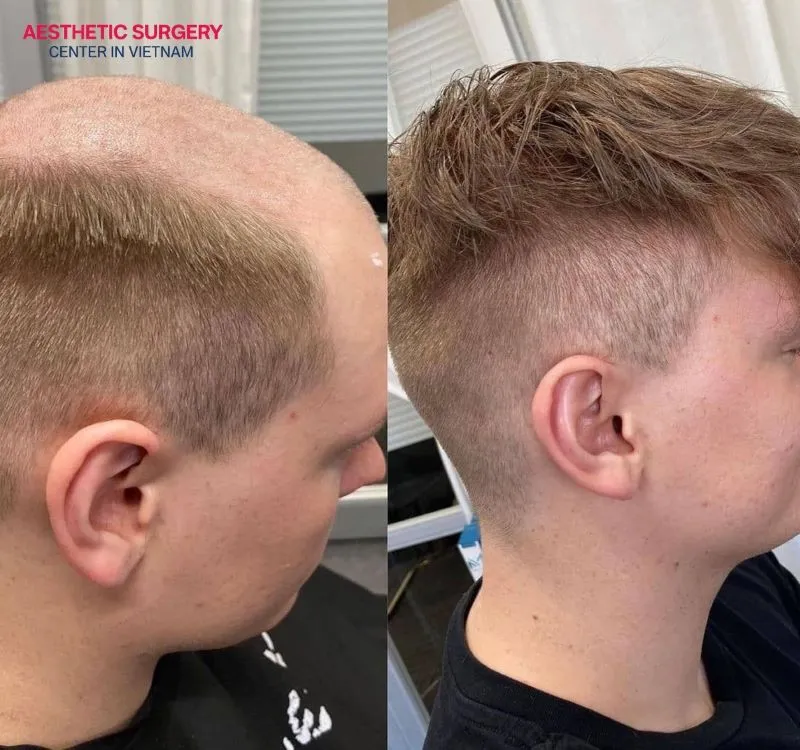
We hope this article has helped you understand how long does a hair transplant take and the factors that affect the procedure and recovery process. If you still have questions or want detailed advice about your hair condition, don’t hesitate to contact Aesthetic Surgery Center at hotline (+84) 911 582 499 for professional support, helping you achieve a thick, beautiful head of hair quickly.













Comment on the post