



Reconstructive breast surgery is not only an advanced cosmetic reconstruction technique but also a journey to regain confidence for breast cancer patients. Restoring the shape of the breasts helps women heal emotionally and enjoy life more fully. Let’s explore the available methods and important considerations in the article below.
What is reconstructive breast surgery?
Reconstructive breast surgery is the process of rebuilding the breast after surgery to remove a cancerous tumor. This technique uses autologous tissue or breast implants to restore the natural shape and size of the breast. It is a major advancement in medical aesthetics that helps patients overcome both physical and emotional pain. Breast reconstruction is not intended to treat disease but focuses on aesthetic improvement and psychological recovery.
This procedure can be performed at the same time as the mastectomy or at a later stage. Depending on the patient’s health condition and personal preferences, the surgeon will recommend the most suitable surgical method.
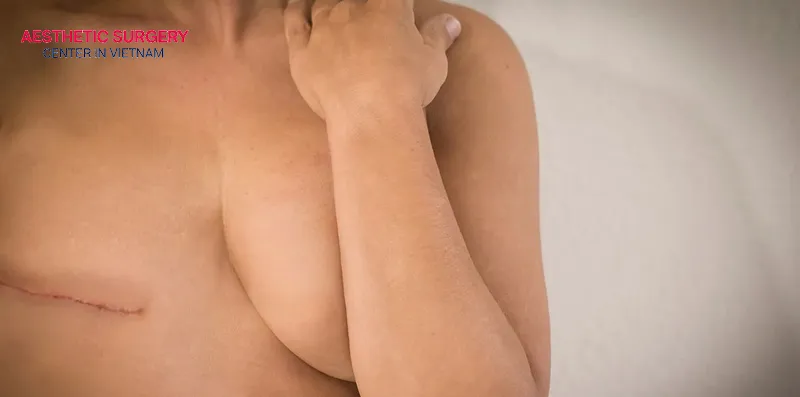
Reconstructive breast surgery helps create breasts that are soft, balanced, and naturally shaped like real breasts. This plays an important role in restoring confidence and feminine beauty for women. At the same time, this cosmetic procedure also helps patients feel more comfortable choosing clothing and returning to daily life.
What are the types of breast reconstruction surgery?
Reconstructive breast surgery offers many flexible options for each patient. Depending on the health condition, body structure, and personal preferences, the surgeon will recommend the most suitable method.
Flap reconstruction
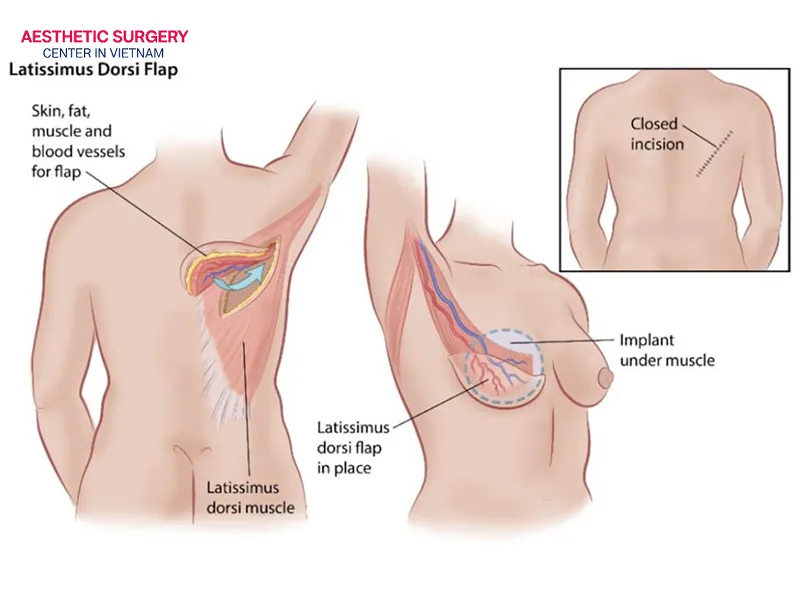
Flap reconstruction is a method that uses the patient’s own tissue. The surgeon removes fat, skin, and sometimes muscle from areas such as the abdomen, back, or buttocks. This tissue is then transferred to the chest area to create a new breast shape. The main advantage of this technique is that it creates a soft breast with a natural droop. The reconstructed breast can also change in size naturally with body weight changes. However, the surgery and recovery process usually require more time.
Implant reconstruction
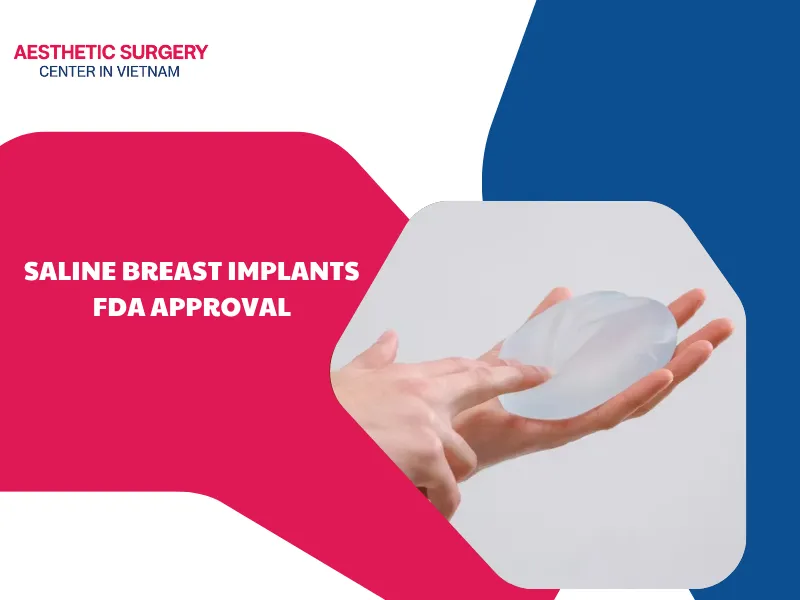
Implant reconstruction uses breast implants to restore breast volume. Silicone gel and saline implants are widely used because of their safety and effectiveness. This procedure has a shorter operating time and a faster recovery process.
The surgeon may place a tissue expander to stretch the skin before inserting the permanent implant. This technique is an ideal option for patients who do not have enough autologous fat tissue. However, reconstructed breasts with implants may feel less natural and require long-term follow-up care.
Oncoplastic reconstruction after lumpectomy
Oncoplastic reconstruction is a breast-conserving technique performed immediately after tumor removal surgery. This method combines cancer treatment with cosmetic reconstruction. The surgeon rearranges the remaining healthy breast tissue to fill the area affected by the tumor.
This technique helps maintain the natural breast contour and prevents breast deformity. To ensure symmetry, the surgeon may also perform breast reduction on the opposite breast. This minimally invasive solution helps restore confidence and reduce emotional stress.
How do I know what type of reconstructive breast surgery to get?
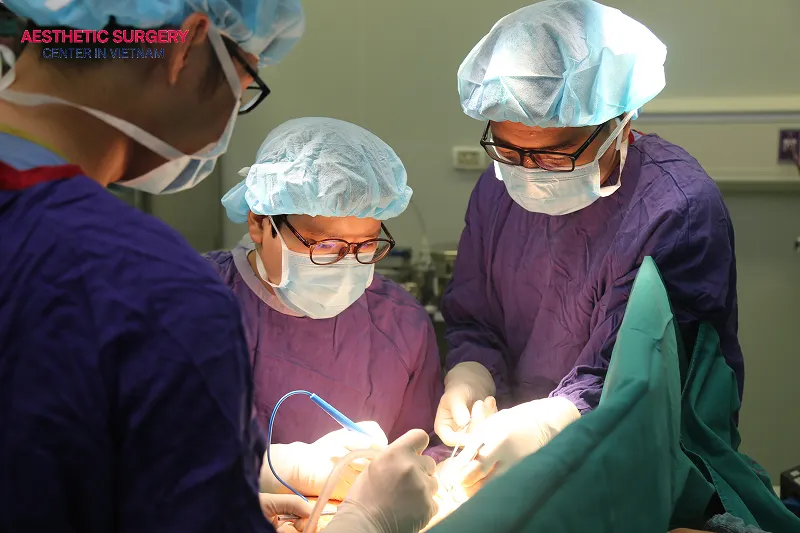
Choosing the right reconstructive breast surgery method depends on many personal and medical factors. This decision should be made after an in-depth consultation with a plastic surgeon and an oncologist.
The cosmetic specialist will conduct a comprehensive evaluation of your overall health, body shape, and available fat tissue. If your body has enough excess tissue in the abdomen or back, flap reconstruction can provide the most natural-looking breasts.
On the other hand, if you have a slim body shape, implant-based reconstruction is often the safest and most suitable option. You should also consider your desired recovery time and your ability to tolerate medical procedures.
Be open about your expectations and wishes with your surgeon to create a surgical plan that delivers the best possible results.

What are the benefits of reconstructive breast surgery?
Reconstructive breast surgery offers many outstanding aesthetic and psychological benefits for breast cancer patients.
- Restores the natural shape, volume, and symmetry of the breasts.
- Helps women overcome insecurity and regain confidence and feminine charm.
- Provides greater comfort when wearing favorite outfits, especially swimwear.
- Eliminates the inconvenience of using padded bras or external breast prostheses.
- Acts as an emotional healing therapy after a long and difficult treatment journey.
These remarkable benefits help women improve their overall quality of life. It is a strong foundation that allows patients to confidently embrace a more fulfilling new beginning.
What are the risks or complications of reconstructive breast surgery?
Although reconstructive breast surgery offers many significant benefits, it still carries certain medical risks. Below are some possible complications that patients should be aware of:
- Surgical site infection, bleeding, or fluid buildup in the treated area.
- Formation of keloid scars, hypertrophic scars, or slow wound healing.
- Risk of partial tissue or autologous flap necrosis after reconstruction.
- Capsular contracture around the breast implant, which may cause pain and breast deformity.
- Reduced or complete loss of sensation in the nipple and breast skin area.
- Implant-related issues such as leakage, rupture, or implant displacement.
To ensure maximum safety, patients should strictly follow all post-operative care instructions provided by their specialist.
Recovery tips after reconstructive breast surgery
The recovery process after reconstructive breast surgery plays a key role in maintaining long-term aesthetic results. To help the body heal quickly and stabilize the breast shape, you should follow a proper post-operative care routine. Below are the most important recovery tips recommended by cosmetic experts:
- Get plenty of rest and avoid raising your arms high or lifting heavy objects for at least the first four weeks.
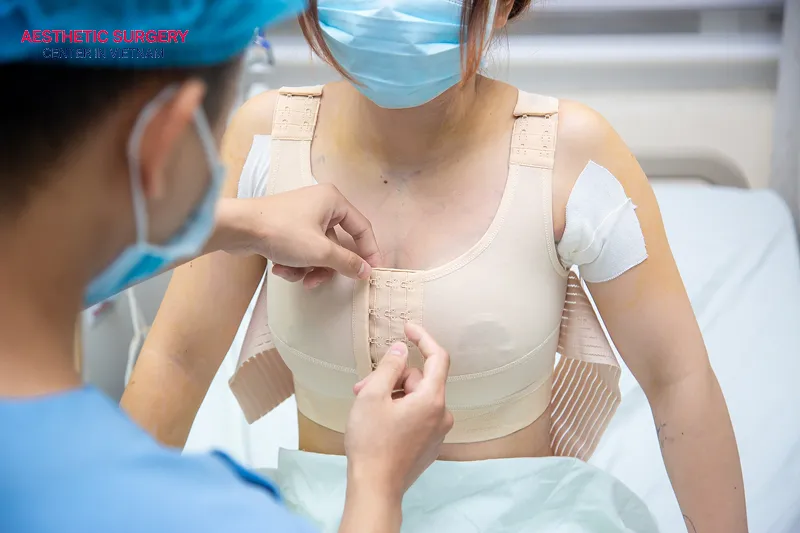
- Always wear a specialized support bra to help support the breasts and reduce pressure on the surgical area.
- Strictly follow your surgeon’s instructions when taking pain relief medication and antibiotics.
- Keep the surgical area clean and dry, and change dressings regularly to reduce the risk of infection.
- Add foods rich in protein, vitamin C, and zinc to support tissue regeneration and breast reduction scar healing.
- Sleep on your back and use elevated pillows to improve blood circulation and reduce breast swelling.
- Perform gentle movement exercises as instructed to prevent stiffness in the shoulders and arms.
Following these breast reduction recovery tips consistently will help you achieve breasts that look soft and natural as soon as possible. Always listen to your body and contact your surgeon immediately if you notice any unusual symptoms.
Will health insurance pay for breast reconstruction?
One of the biggest concerns for patients considering reconstructive breast surgery is the cost and insurance coverage. The good news is that many insurance programs today provide financial support for this procedure.
Most international insurance plans consider reconstructive breast surgery a medically necessary treatment. Covered services often include breast reconstruction and corrective procedures to create breast symmetry. However, the level of coverage depends entirely on the terms and conditions of your insurance policy. You should contact your insurance provider directly for the most accurate information. The medical team will also assist you in preparing all necessary documents for the insurance claim process.
>>> See more: Does insurance cover breast reduction?
Can a nipple be reconstructed?
After the breast reconstruction process is completed and recovery is stable, patients can undergo nipple reconstruction. The cosmetic surgeon may use small local skin flaps or autologous tissue to create a naturally projected nipple shape. After that, 3D medical tattooing techniques can be applied to create a realistic color for the new areola.
This procedure is usually performed several months later, once the reconstructed breasts become softer and settle into their final shape. Similar to reconstructive breast surgery, nipple reconstruction costs may also be partially covered by health insurance. This is the final step that helps patients complete their appearance, overcome insecurity, and regain confidence in their bodies.
Reconstructive breast surgery is a remarkable achievement of modern aesthetic medicine that helps women fully restore their confidence. This journey not only rebuilds physical beauty but also opens the door to a happier new chapter in life. Hopefully, this article has provided you with useful knowledge about advanced reconstruction techniques. Contact a team of specialists today to receive guidance on the most suitable treatment plan.













Comment on the post