


A lower facelift is an effective cosmetic solution for reshaping the jawline and removing loose, sagging skin around the neck. This procedure not only helps reduce visible signs of aging but also restores a younger, sharper appearance to the face. If you are looking to regain a brighter, more youthful look, this specialized cosmetic treatment is worth considering. Learn more about it in the article below.
What is a lower facelift?
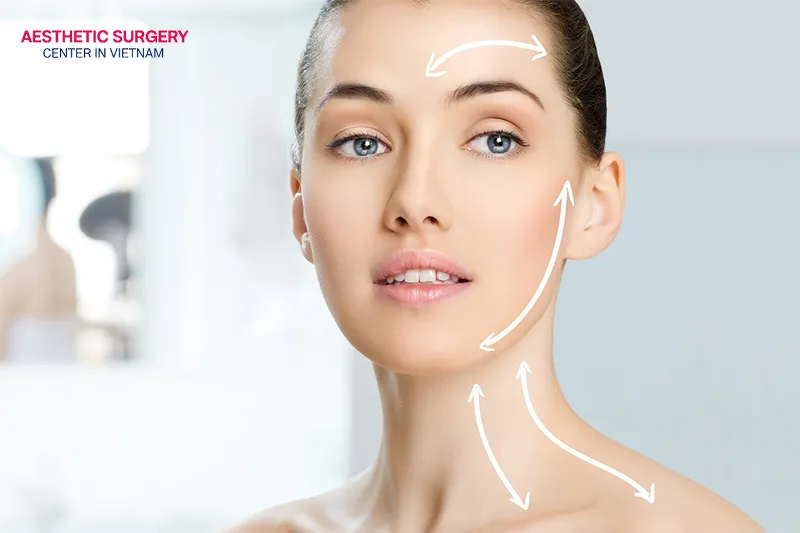
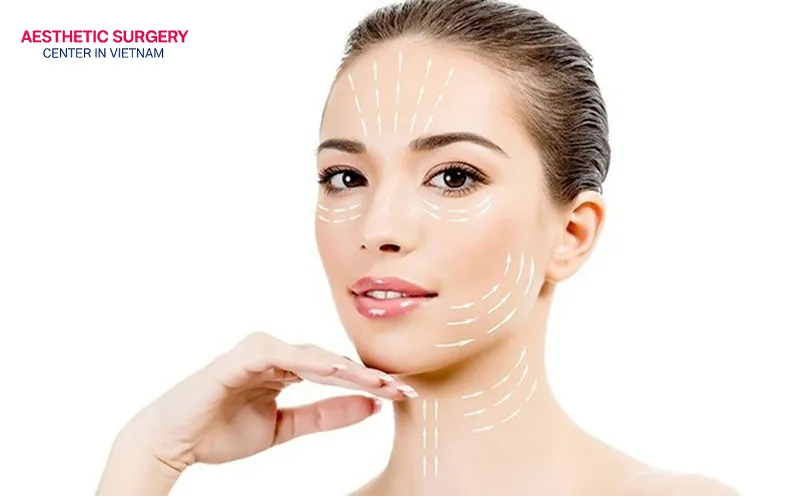
A lower facelift is a cosmetic surgical procedure designed to address signs of aging in the lower third of the face. This method focuses on tightening loose facial muscles and removing excess skin around the jawline, lower cheeks, and neck.
Unlike surface-level treatments, this technique often works on the SMAS layer (superficial musculoaponeurotic system) to support and lift the soft tissue structure. As a result, it helps reduce deep smile lines and sagging cheeks. The outcome is a slimmer, more defined jawline and smoother neck skin, giving the face a naturally younger and more refined appearance.
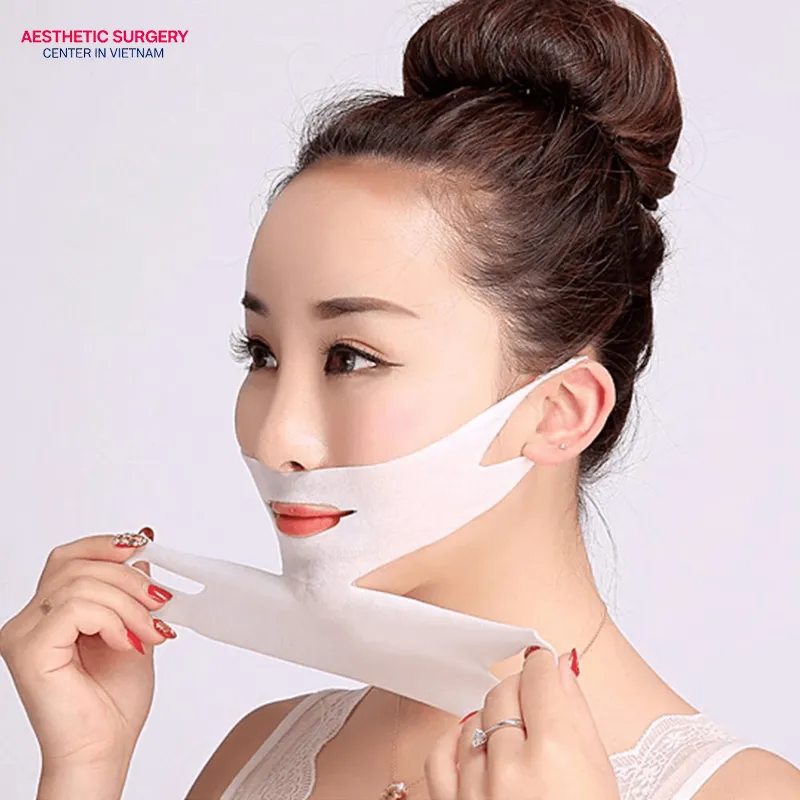
Who are good candidates for a lower facelift?
Identifying the right candidates is essential to ensure safety and achieve the desired aesthetic results. Not everyone needs surgical intervention, so a lower facelift is usually recommended for individuals with moderate to severe signs of aging.
Below are the ideal candidates for this facelift procedure. Check if you may be ready to restore a younger-looking appearance.
- Individuals with severe sagging skin around the jawline and neck: As the skin ages, collagen breaks down and causes sagging, leading to jowls or a double chin. Surgery removes the excess skin and restores a firmer, more defined contour.
- Individuals with deep smile lines: Deep wrinkles around the mouth are often difficult to improve with fillers alone. Lifting the SMAS layer helps tighten the central facial area and soften these lines in a natural way.
- Individuals with loss of jawline definition: When fat and skin shift downward over time, the jawline becomes less defined. Surgery helps reshape the lower face and create a sharper, more refined appearance.
- Individuals in good health and non-smokers: A stable health condition is important for proper healing and recovery. Not smoking is essential to reduce the risk of circulation problems and post-surgical scarring.
- Individuals with realistic expectations: A lower facelift can make you look younger than your actual age, but it cannot completely change your appearance. Those who understand the limits of cosmetic surgery are often more satisfied with the results.
Pros and cons of lower facelift surgery
Understanding both the benefits and limitations of an advanced cosmetic procedure is an important step before surgery. A lower facelift can create a noticeable improvement in appearance, but it also requires careful health evaluation and preparation.
Pros
Below are the key advantages that make this procedure a gold standard in facial rejuvenation today:
- Effectively corrects sagging skin and excess fat around the cheeks and chin, creating a slimmer and more defined facial contour.
- Targets the deeper SMAS layer, allowing longer-lasting rejuvenation results that can remain effective for many years rather than providing only temporary improvement.
- Reduces deep smile lines and restores a sharper jawline, helping the face look 10 to 15 years younger.
Cons
Along with its benefits, you should also consider the following limitations so you can prepare both mentally and financially:
- Since it is a surgical procedure, patients may face risks such as infection, facelift scar, or nerve damage if the surgery is not performed properly.
- The recovery period is longer compared to non-surgical treatments, requiring you to take a break from work for at least 1 to 2 weeks.
- The initial cost is relatively high, and the procedure must be performed by a highly skilled and experienced surgeon to ensure safety.
How long before you see the results of a lower facelift?
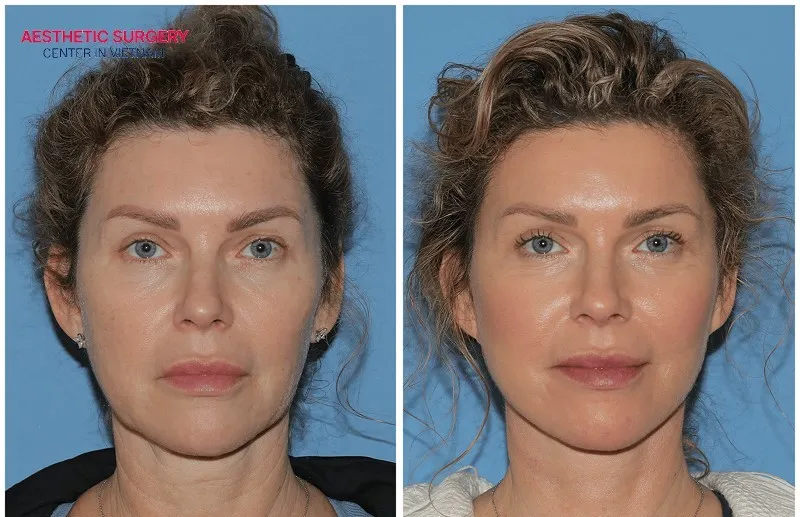
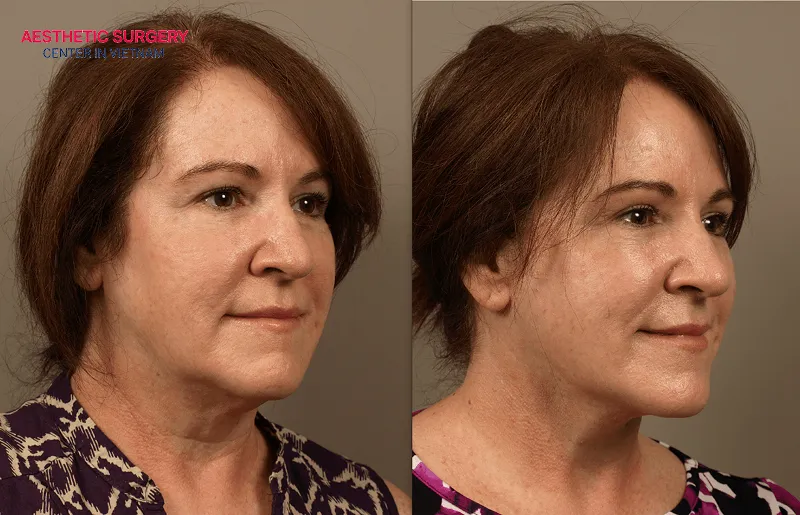
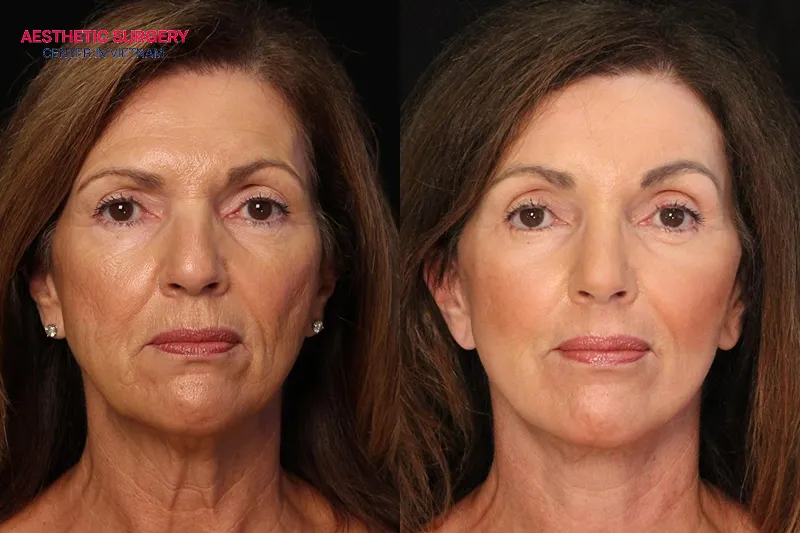
The results of a lower facelift usually become more noticeable after about 2 to 4 weeks, once swelling and bruising begin to subside. At this stage, the facial contours appear more refined, and the skin starts to adapt to the new underlying structure.
However, for the soft tissues to fully settle and the scars to fade, it may take around 3 to 6 months. This is when the face reaches its most natural-looking result, with smoother skin and a sharper jawline. Facelift recovery may vary depending on individual healing and aftercare.
Recovery time of a lower facelift
The recovery process after a lower facelift happens in stages, allowing the body to gradually adjust to the new facial structure. Below is the typical timeline and important care instructions to support healing:
- First 7–10 days: This is the stage when swelling and bruising are most noticeable around the jawline and neck. You need complete rest, regular cold compresses, and should take medication exactly as prescribed by your surgeon.
- Week 2 to week 4: Bruising gradually fades, stitches are usually removed, and you may return to light work. Avoid intense physical activities or bending your head too low to prevent pressure on the treated area.
- After 1 to 3 months: The feeling of tightness improves, soft tissues become more stable, and scars begin to fade. It is important to use sunscreen and protect the skin carefully when going outside to support the healing process.
How much does a lower facelift cost?
The cost of a lower facelift in Vietnam typically ranges from $2,500 to $5,000, depending on the clinic or hospital. This price is considered highly competitive and can help you save significantly compared to having the procedure done in Europe or North America.
However, the actual cost may vary based on personal needs and the complexity of each case. Below are the key factors that directly affect the total price:
- Surgeon’s expertise: Highly experienced and reputable surgeons usually charge higher fees to ensure better safety and optimal aesthetic results.
- Level of aging: Severe skin laxity or a large amount of excess fat may require more advanced surgical techniques, which can increase the cost.
- Facility standards: International-standard cosmetic hospitals with sterile operating rooms and advanced medical equipment often have higher pricing.
- Additional services: The total cost may include post-surgery care packages, medications, or recovery support treatments after the procedure.
A lower facelift can be the key to restoring your confidence with a more defined facial contour and smoother, youthful-looking skin. Although this procedure requires an investment of time and cost, the long-lasting aesthetic results can make it worthwhile. Are you ready to achieve a sharper jawline? Are you ready to achieve a more defined jawline? Contact us today via hotline (+84) 911 582 499 to schedule a personalized consultation.
















Comment on the post