



Mini deep plane facelift is a modern solution that helps reduce signs of facial aging in a natural way without leaving visible cosmetic traces. In addition, this method is specially designed for patients with sagging skin in the lower face and neck area. Therefore, many women prefer and choose this method to improve their appearance. Let’s explore the detailed medical procedure and the outstanding benefits of this solution in the article below.
What is a mini deep plane facelift?
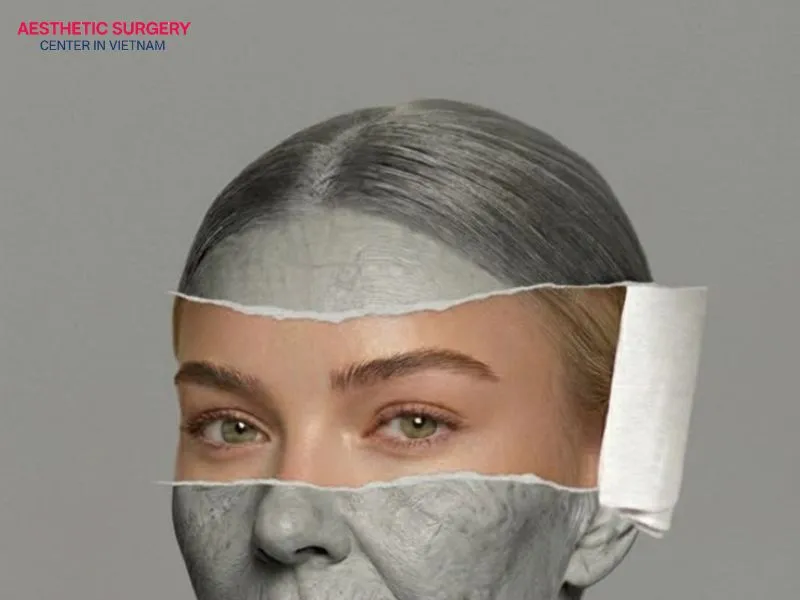
Mini deep plane facelift is a full-layer facelift technique that focuses on reshaping and lifting the jawline area as well as sagging neck zones. During the facelift procedure, the surgeon performs deep dissection to reposition and lift the entire soft tissue structure of the lower face and neck in a vertical direction. This technique helps restore youthful facial contours and maintain long-lasting results over time without causing tightness, stiffness, or an unnatural appearance.
Ideal candidates for deep plane mini lift
The mini deep plane facelift technique is specially designed to deliver optimal rejuvenation results for patients with good overall health, non-smokers, and typically aged 40 and above. This surgical method is an ideal medical indication for individuals with the following characteristics:
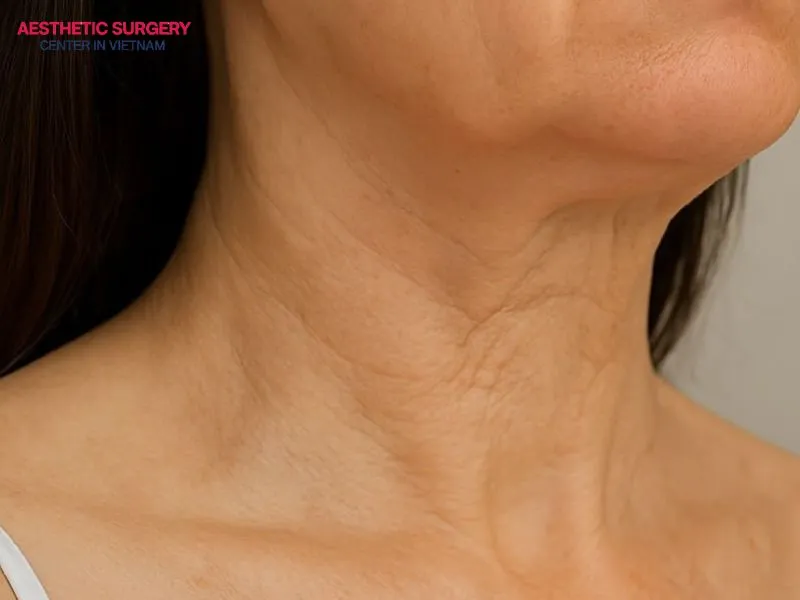
- Mild to moderate sagging in the lower face: Presence of facial wrinkles, sagging cheek fat that blurs the jawline, and early signs of neck laxity.
- Good skin elasticity: The skin still maintains its natural structure, has not undergone deep invasive procedures before, and retains good ability to contract.
- No severe mid-face sagging: No excessive drooping in the cheek area and no deep or pronounced nasolabial folds.
- Desire for long-term aesthetic improvement: Individuals seeking long-lasting, comprehensive rejuvenation results that non-invasive lifting treatments cannot fully achieve.
To determine whether your facial structure is fully suitable for this technique, it is recommended to schedule a direct consultation with a specialist for assessment and a personalized treatment plan.
How is a deep plane mini facelift different?
To help you gain a comprehensive overview and choose the most optimal rejuvenation solution, below is a detailed comparison between the mini deep plane facelift technique and traditional facelift methods based on specialized medical criteria.
| Compare standards | Traditional facelift | Mini deep plane facelift |
| Intervention depth | The procedure is primarily performed on the superficial layer, affecting the skin and a portion of the upper SMAS layer. | The procedure involves deep intervention beneath the SMAS layer, synchronously moving muscle mass, fat tissue, ligaments, and facial skin in a deep plane facelift. |
| Lifting mechanism | Mechanical stretching and excision of excess skin, combined with suturing of the SMAS layer. This can easily cause tensile stress on the skin surface. | Completely release the facial ligaments (zygomatic ligament, mandibular ligament) to lift and shift the entire muscle mass upwards. |
| Aesthetic results | It improves wrinkles to a certain extent, but sometimes makes the face look stiff, tight, and unnatural. | Remove the double chin gently. Natural facial expressions, with no visible signs of cosmetic surgery. |
| Maintenance time | The effects are often short-lived, as superficial muscle tissue tends to sag again after a few years. | The results are long-lasting, potentially lasting from 10 to 15 years or more. |
| Recovery time | Shallow wounds heal quickly, but the compressed sutured tissues can cause mild, persistent soreness and discomfort. | Initially, it takes time for deep scar tissue to stabilize, but thanks to modern techniques, swelling and bruising will heal quickly. |
Comparison table between mini deep plane facelift and traditional facelift methods
Procedure details of mini deep plane facelift
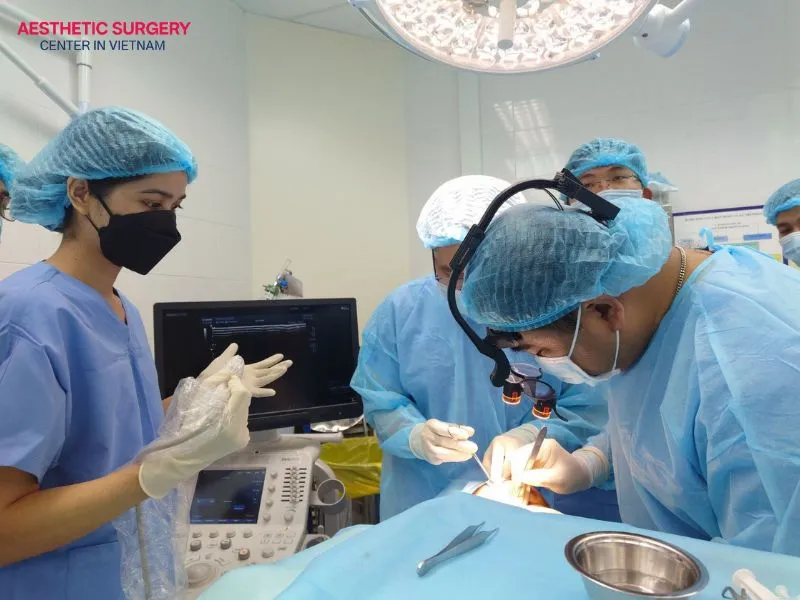
The deep plane mini facelift procedure is performed in a closed sterile environment that meets medical standards, ensuring absolute safety and privacy for patients through the following steps:
- Step 1 – Sedation: Instead of full general anesthesia, intravenous sedation is used. This minimally invasive technique effectively controls pain while reducing the risks associated with deep anesthesia, allowing faster recovery after surgery.
- Step 2 – Incision creation: The surgeon makes a short, carefully curved incision following the natural folds around the ear area. This step requires high precision to minimize the risk of visible scarring after surgery.
- Step 3 – Surgical dissection: Deep dissection is performed beneath the SMAS layer. The sagging cheek and jawline muscles are lifted and repositioned to a more youthful position. After reshaping, excess loose skin is carefully removed.
- Step 4 – Aesthetic closure: Ultra-fine medical sutures are used to carefully close the incision without creating tension on the skin surface, completing the facial rejuvenation process.
How much does a deep plane mini facelift cost?
In Vietnam, the price of a mini deep plane facelift surgery typically ranges from 40,000,000 VND to 80,000,000 VND. This is considered a reasonable cost for a deep-layer rejuvenation solution using advanced technology, delivering significant visible improvements and long-lasting results.
However, the total cost of the procedure is directly influenced by the following medical factors:
- Surgeon’s expertise: The mini deep plane facelift requires high precision in every step. Therefore, highly experienced specialist surgeons usually have higher professional fees.
- Degree of aging and facial structure: Depending on the level of sagging and the complexity of each case, the cost will vary for each patient.
- Medical facility safety standards: The price also includes a fully sterile operating room system, safe intravenous sedation technology, high-quality microsurgical sutures, as well as professional post-operative care and warranty services.

Recovery time after deep plane mini lift
Thanks to a surgical approach that follows natural anatomical structures, the recovery process after a mini deep plane facelift is relatively short. Below is a detailed facelift recovery timeline you should follow:
Phase 1 – First 1 to 3 days
During this stage, the lower face may show mild to moderate swelling, possibly accompanied by bruising or a slight aching sensation.
At this time, you should sleep on your back with your head elevated using a soft pillow to improve circulation and reduce swelling. On the first day after surgery, you need to return to the clinic for bandage removal and hair cleansing. From the second day, you will switch to a facial compression band, which must be worn continuously for 24 hours except during hygiene care, and follow your surgeon’s instructions regarding stitch removal.
First week phase
At this stage, bruising gradually fades and overall recovery improves. By day 5, most patients feel well enough to resume light office work.
For care, you still need to wear the facial compression band continuously for 24 hours to stabilize the facial structure. If going out or returning to work, light makeup can be used to discreetly cover any remaining bruising along the jawline.

Weeks 2–3 stage
From the second week onward, swelling is reduced by about 80%, and the surgical incision behind the ear has also healed. Around day 10 to day 14, the facial appearance already looks very natural and refined.
At this stage, you can confidently return to work and daily activities. You only need to continue wearing the facial compression band at night while sleeping to maintain the facial shape. Avoid intense exercise or any strong impact on the face.
Weeks 4–6 stage
From week 4 onward, all deep scar structures beneath the SMAS layer have stabilized, swelling is almost gone, and the results of the mini deep plane facelift become clearly visible.
In terms of care, you can comfortably return to high-intensity exercise such as gym workouts and running. This is the ideal time to confidently appear with a youthful, radiant, and fully natural look.

In summary, the mini deep plane facelift is an advanced breakthrough in rejuvenation technology that helps reshape and improve sagging facial skin in a natural way through deep structural intervention. With a minimally invasive procedure and a fast recovery period, this is an optimal solution to preserve youthfulness without visible cosmetic traces. If you are looking for a fresher and more vibrant appearance, contact Aesthetic Surgery Center in Vietnam for consultation with experienced surgeons and to experience the deep plane mini facelift service at a special price.






















Comment on the post