



Neck lift scars are often one of the biggest concerns for patients considering surgery to rejuvenate the neck and remove loose, sagging skin folds. In reality, any surgical procedure that removes excess skin and tightens underlying muscles will create scar tissue. However, by understanding how scars form, how they heal, and how to manage them properly, you can significantly improve the appearance of your incision lines. Learn more in the article below.
Do neck lifts leave scars?
Any surgical neck lift procedure that involves incisions will leave some degree of scarring. However, with modern techniques, neck lift scars can be concealed very effectively.
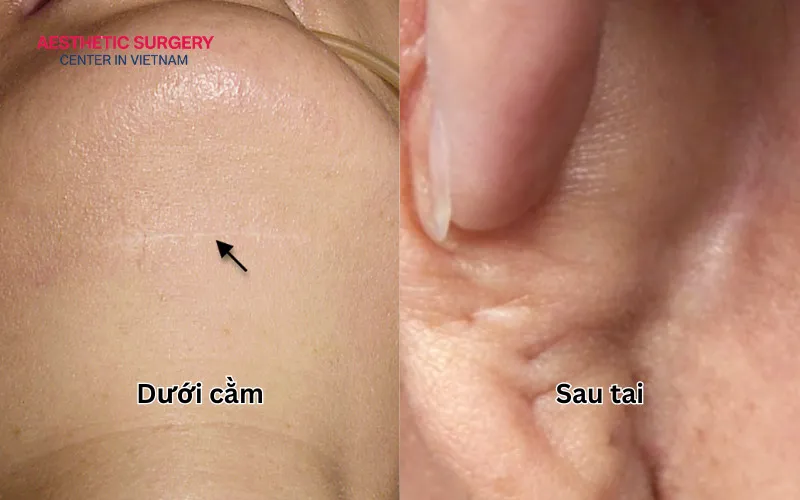
In most cases, surgeons place incisions along the natural creases behind the ears, within the hairline, or discreetly beneath the chin, depending on the severity of skin laxity and the patient’s aesthetic goals.
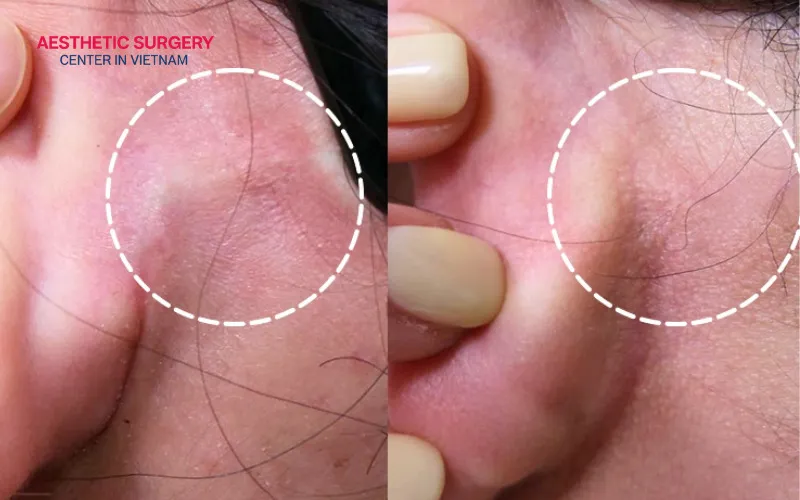
During the early healing phase, a neck lift scar may appear red and noticeable. However, it typically fades and settles as the tissues adapt to their new contours over the course of a year. The final appearance of the scar also depends on skin elasticity, age, the surgeon’s skill, and, most importantly, adherence to a proper post-operative care routine.
Causes of neck lift scars
The appearance of neck lift scars is largely influenced by the surgical technique used and the skill of the surgeon. Key factors include:
- Surgical technique: The length and appearance of a neck lift scar depend on the procedure performed. A traditional neck lift, often recommended for advanced aging concerns, requires longer incisions around the ears and may result in more extensive scarring. In contrast, an endoscopic or minimally invasive neck lift typically involves a small incision beneath the chin, reducing visible signs of surgery.
- Excessive tension on the skin: This is one of the leading causes of botched neck lift scars. If the wound is closed under excessive tension, the skin edges can be pulled too tightly, increasing the risk of widened scars, skin distortion, or raised scarring.
- Tissue handling and suturing technique: Gentle tissue manipulation, minimal trauma during dissection, and the use of fine cosmetic sutures help support optimal healing. Modern techniques that align incisions with the skin’s natural creases can significantly reduce the risk of developing noticeable neck lift scars.
Where are neck lift scars located? Are they easy to see?
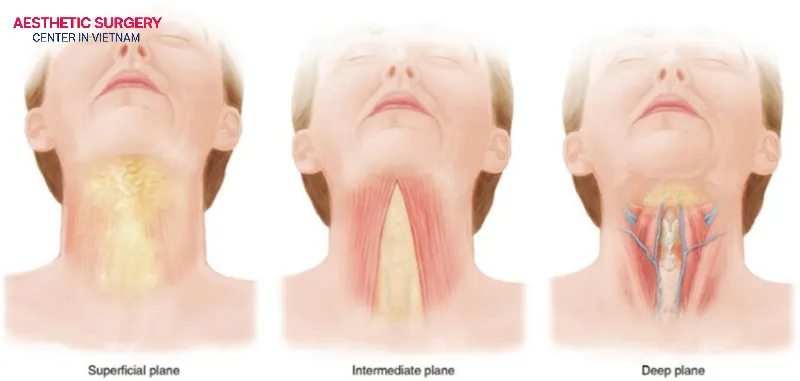
Neck lift scars are usually carefully hidden within the natural crease under the chin, behind the ears, or along the hairline. As a result, they are almost invisible to others.
To achieve this, surgeons carefully plan and determine the incision sites based on the patient’s degree of aging. The incisions are strategically placed into natural anatomical folds instead of being exposed on visible skin areas.
The key factor that determines the aesthetic outcome of neck lift scars is not their length, but their placement. After about one year, the incision lines become flat, smooth, and blend with the surrounding skin tone, merging naturally with the ear–chin area.
This natural blending allows patients to feel confident wearing different hairstyles or clothing that reveals the neck area.
Factors that affect scar formation
After the incision is closed, whether a neck lift scar becomes faint or develops into a visible scar depends on both internal and external factors, including:
- Genetic predisposition: Each person’s immune system and genetics influence collagen production. Individuals prone to keloid scarring have a higher risk of developing raised or thickened neck scars, even when the surgery is performed carefully.
- Skin quality and age: Younger skin tends to have a stronger inflammatory and regenerative response, which can sometimes lead to thicker scar formation. In contrast, older skin heals more slowly due to reduced collagen levels, but the resulting scar is often thinner and flatter once stabilized.
- Neck movement and environmental exposure: The neck is a highly mobile area, constantly involved in movements such as bending, extending, and turning. Excessive movement too soon after surgery can stimulate scar thickening. In addition, direct exposure to UV rays can cause hyperpigmentation, making the scar appear darker.
- Post-operative care: The patient’s commitment to proper aftercare—such as wound hygiene, dietary adjustments, timely use of scar treatments, and medical-grade scar therapies—plays a significant role in improving scar appearance.
- Lifestyle habits and smoking: Smoking is strongly associated with poorer scar outcomes. Nicotine causes blood vessel constriction, reducing blood flow to the skin. This limits oxygen and nutrient delivery to the incision site, slowing healing and increasing the risk of more visible scars.

The healing process of neck lift scar
Neck lift scars typically take 6–12 months to fully heal and blend into the surrounding skin, even though the incision may close and stabilize within the first 2–4 weeks. Closely monitoring this timeline helps patients build a proper post-operative care routine and minimize the risk of complications that can lead to botched neck lift scar.
More specifically, the healing process of the scar goes through 4 stages, which are summarized in the neck lift recovery time table below:
| Stage | Scar condition and appearance | Care instructions |
| First 2 weeks | The neck area is swollen, slightly bruised, and feels tight. The surgical incision is still fresh and appears light pink to bright red. | Clean the sutures, change dressings, and wear the compression/support band as instructed by the surgeon to reduce tension and pressure on the healing skin edges. |
| 2–3 months | The incision has fully closed and bruising has resolved. The scar becomes lighter in color but may appear slightly raised or firm as the body continues collagen production for healing. | Begin using specialized scar treatment creams combined with broad-spectrum sunscreen to reduce the risk of hypertrophic scarring. |
| 3–6 months | The neck muscles stabilize, and the jawline–ear contour becomes more defined. The scar gradually shrinks into a thin line and blends into the surrounding skin structure. | Continue protecting the scar from sunlight to prevent hyperpigmentation and darkening. |
| 6 months – 1 year | The scar tissue matures and becomes permanently stable. Red and pink tones completely fade, leaving a smooth surface that blends naturally into the skin. | The scar fades significantly and is very difficult to notice during normal face-to-face interactions. |
Neck lift scar recovery timeline table
How do I prevent neck lift scars?
Although neck lift scars are an inevitable part of surgery, the final appearance of the incision is largely within your control. In addition to the surgeon’s technique, a proper post-operative care routine is the key to supporting recovery and helping a neck lift scar fade more quickly.
To achieve a smooth, naturally contoured neck after surgery, consider the following scar prevention and management tips:
- Choose an experienced board-certified surgeon: This is the most important step in ensuring precise incision placement and minimizing tissue trauma.
- Protect the incision from sun exposure: Ultraviolet rays can stimulate melanin production, leading to post-inflammatory hyperpigmentation that makes scars appear darker and more noticeable. Apply a broad-spectrum sunscreen with a high SPF and keep the area covered with protective clothing or a wide-brimmed hat when outdoors.
- Use silicone-based scar treatments: Once the incision has fully closed, silicone gels or silicone sheets can help maintain optimal hydration and regulate collagen production, making the scar softer and less visible over time.
- Limit strenuous activities to reduce tension on the neck: During the first 10–14 days, prioritize rest, keep your head elevated while sleeping, choose soft foods, and avoid excessive neck bending, turning, stretching, or heavy lifting to prevent unnecessary stress on the incision line.

- Massage the scar area as directed: Once the skin has completely healed, gentle scar massage performed according to your surgeon’s instructions can help improve local blood circulation and reduce tightness around the neck.
- Avoid smoking and maintain a healthy lifestyle: Nicotine restricts the delivery of oxygen and nutrients to healing tissues, increasing the risk of delayed healing, skin damage, and more noticeable neck lift scar. In addition, drink at least 2 liters of water daily and consume a balanced diet rich in protein and vitamins to support tissue repair while avoiding foods that may excessively stimulate collagen production.
- Maintain proper wound hygiene and prevent infection: Keeping the incision clean and dry while taking prescribed medications as directed helps reduce the risk of infection and minimizes inflammatory responses that may contribute to botched neck lift scars.
- Consider advanced aesthetic treatments: For individuals with a higher risk of visible scarring, treatments such as fractional laser therapy or microneedling may be recommended by a qualified physician to improve skin texture and help a neck lift scar blend more naturally with the surrounding skin.
Overall, neck lift scars are an unavoidable part of neck rejuvenation surgery, but they can be concealed effectively through carefully placed incisions, often beneath the chin. By choosing a highly skilled surgeon and following a diligent post-operative care routine, you can achieve a smoother, more refined neck contour while minimizing the risk of developing botched neck lift scar.


















Comment on the post