



Although facelift surgery can deliver significant improvements in facial appearance, not every procedure achieves the desired outcome. For patients who experience an unnatural, overly tight look, facial asymmetry, or rapid skin sagging due to poor surgical technique, a facelift revision becomes an essential corrective solution to restore facial harmony and address these concerns. The article below provides detailed information about the revision process, safety considerations, and important expert recommendations to help you achieve the most natural-looking results possible.
What is a facelift revision?
A facelift revision is an advanced cosmetic surgical procedure performed for the second or third time to correct complications, technical errors, or unsatisfactory outcomes from a previous facelift. Unlike an initial facelift, this reconstructive procedure is far more complex because the surgeon must address scar tissue beneath the skin, facial muscle structures that were improperly manipulated, or skin that was excessively tightened, resulting in an unnatural appearance. For this reason, revision facelift is considered a highly demanding procedure that requires exceptional diagnostic skills and precision throughout every stage of surgery.
To achieve a successful revision facelift, the expertise and experience of a board-certified plastic surgeon play a critical role. Only specialists with a deep understanding of facial anatomy and extensive experience managing tissue changes following previous surgery can perform facelift revision safely and effectively.
Common reasons for a revision facelift
Although facelift surgery is intended to create a more youthful appearance, technical errors or limitations of a previous procedure may lead some patients to seek a facelift revision. Below are the most common reasons specialists recommend corrective facelift surgery:
- The previous facelift was performed more than 10 years ago, and the skin has gradually begun to sag again due to the natural aging process.
- The skin was pulled too tightly, resulting in a stiff appearance, visible scarring, or distortion of the hairline and mouth area.
- Scar contracture around the ears has caused the earlobes to be pulled forward, creating an unnatural appearance.
- Depressions, folds, skin puckering, wrinkles, or uneven contours developed after the facelift procedure.
- The facial result appears asymmetrical, with noticeable differences between the two sides of the face.
- The previous surgery used outdated techniques and failed to adequately correct deep tissue and muscle laxity.
How soon after my original facelift can I have a revision?
For facial contour correction procedures, undergoing surgery too early before the tissues have fully stabilized can be a serious medical mistake. Cosmetic surgery experts generally recommend waiting at least 6 to 12 months after the initial facelift before considering a facelift revision.
This waiting period is necessary to allow the connective tissues and blood vessels beneath the skin to heal completely. Performing revision surgery too soon, while the tissues are still recovering and the final results have not fully developed, can increase the risk of tissue damage, infection, and a more complex corrective procedure.
Although 6 to 12 months is the general guideline, the exact timing for revision facelift depends on several clinical factors, including:
- The extent of tissue damage and the technique used in the previous surgery: If the initial procedure involved extensive manipulation of the SMAS layer, caused significant tissue trauma, or resulted in complex scar formation, the waiting period may need to extend beyond 12 months to ensure safe healing.
- The patient’s healing rate and individual biology: Individuals with good overall health and strong blood circulation often experience faster scar maturation and tissue recovery. In contrast, patients prone to hypertrophic or keloid scarring may require a longer observation period.
- The nature of the issue being corrected: In cases involving severe technical errors, structural deformities, or tissue compromise, a surgeon may recommend earlier intervention to protect the patient’s health and prevent further complications.
How many facelifts can I get?
From a medical standpoint, there is no strict limit on how many times a person can undergo facelift surgery throughout their lifetime. However, according to plastic surgery experts, most patients typically undergo no more than 2 to 3 procedures. This is because each surgery inevitably causes certain changes to the skin structure and the underlying microvascular system.
In reality, the ability to undergo repeat facelift procedures depends on several important factors:
- Skin elasticity: If the skin still maintains good fibroblast activity and elasticity, additional surgery is more feasible.
- Scar tissue and vascular condition: After each surgery, scar tissue tends to increase and the blood supply to the skin may be reduced, which raises the risk of complications in future procedures.
- Overall health condition: Natural aging and underlying medical conditions can significantly affect anesthesia tolerance and the healing process.
Considerations for revision facelift
Facelift revision is generally more complex than the initial procedure. To ensure safety and achieve the expected aesthetic outcome, the following principles should be carefully considered:
- Choose an experienced surgeon: The surgeon must be highly skilled in evaluating remaining skin elasticity and the degree of scar fibrosis, in order to design precise dissection and avoid excessive tightening that could distort facial features.
- Proper wound hygiene: Keep the surgical area clean and dry. Only use saline solution for gentle cleaning of incision lines as directed by medical professionals to prevent infection.
- Maintain a supine sleeping position: Sleep on your back with the head elevated for the first 3 to 5 days to improve circulation and reduce swelling. Avoid side sleeping or pressure on the face.
- Limit facial movements: For the first 1 to 2 weeks, avoid wide smiling, opening the mouth too much, or chewing hard foods to minimize tension on healing tissues. Also avoid steam, massage, or any pressure on the face.
- Dietary restrictions: To support proper healing, patients are often advised to avoid foods that may increase facelift scar, inflammation, or irritation such as beef, water spinach, sticky rice, seafood, chicken, and stimulants for about one month.

How much is facelift revision cost?
Currently, the cost of a facelift revision surgery typically ranges from 15,000,000 VND to 150,000,000 VND. The exact price is not fixed and depends on the surgical technique, the facial areas that need correction, and the degree of skin aging or tissue damage. Specifically:
- Severity of the previous failed surgery: Cases requiring correction of severe complications, complex scar tissue removal, or full SMAS layer reconstruction will have significantly higher costs than minor adjustments.
- Surgeon’s expertise: Revision procedures require highly experienced plastic surgeons to ensure safety, which increases the overall cost.
- Facility quality: Sterile operating rooms that meet medical standards, advanced endoscopic face lift technology, and post-operative care services all influence the total revision facelift cost.
Will insurance cover a revision facelift?
Facelift revision is not classified as a medically necessary treatment. It is an elective cosmetic procedure performed voluntarily to improve appearance and correct aesthetic concerns. Therefore, current health insurance policies do not cover the cost of this surgery.
If the cost is too high and creates financial pressure, it is not recommended to choose low-cost, unsafe facilities. Instead, a better option is to select reputable hospitals or aesthetic centers that offer flexible payment plans, such as 0% installment payments or staged billing.
This approach helps you maintain high medical quality from experienced surgeons while also managing your financial burden more comfortably.
Recovery time after revision facelift
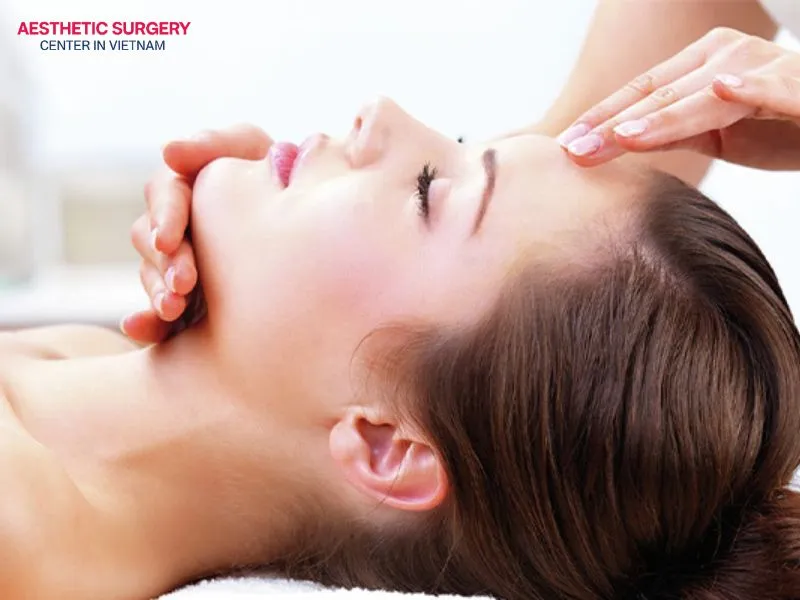
Most patients who undergo facelift revision typically need around two weeks to recover enough to return to work and daily activities. During the facelift recovery period, normal post-surgical reactions such as swelling, soreness, and tightness in the facial area are expected, and these are usually most noticeable during the first few days.
However, surgeons also note that swelling after a revision facelift may last longer compared to the first facelift procedure. To help shorten recovery time, patients should strictly follow the surgery’s instructions, take prescribed medications properly, use cold compresses as recommended, and adhere to the post-operative care plan.

Overall, facelift revision surgery helps improve aesthetic imperfections from a previous procedure and reconstruct facial contours so the face appears more youthful and natural. Due to the complexity of the technique, choosing a reputable facelift center is essential to ensure maximum safety. Do not let aesthetic complications affect your confidence. Contact Aesthetic Surgery Center in Vietnam to be directly examined by leading specialists and receive a comprehensive, medically standard revision plan.



















Comment on the post