


After a facelift procedure, proper care and strict precautions are essential to help the wounds heal quickly, achieve the desired results, and minimize unwanted complications. Detailed care instructions based on each recovery stage are as follows:
First 24 hours
- Keep your head elevated at a 30–40 degree angle while lying down to reduce swelling in the treated area.
- Apply cold compresses to the treated area for 20 minutes, rest for 20 minutes, then continue repeating the process.
- Do not use a straw when drinking water and avoid rinsing your mouth too forcefully.
- Eat soft or liquid foods such as porridge, soup, or smoothies to minimize jaw movement.
- Do not remove the bandage on your own.
- Attend follow-up appointments according to the surgeon’s schedule.
Days 2–7 after the facelift
- Continue applying cold compresses, then gradually reduce the frequency after day 3.
- Wash your face gently with clean water and pat the skin dry carefully. Avoid rubbing or massaging the treated area.
- Do not apply makeup on the facelift area.
- Avoid intense physical activity, sudden bending movements, or lifting heavy objects.
- Avoid alcohol and salty foods to prevent swelling.
- Get enough sleep, as the body recovers most effectively during sleep.
Days 7–14
- Return for suture removal if non-absorbable sutures were used.
- Light makeup coverage may be applied from days 8–10.
- Perform gentle cheek massage only according to the surgeon’s instructions. Do not massage on your own.
- Avoid gym workouts or high-intensity exercise.
- Use sunscreen with SPF 50+ daily, even when staying indoors.
From month 1–3
- Continue using SPF 50+ sunscreen daily to protect the skin from UV rays and prevent prolonged swelling.
- Avoid steam rooms and high-temperature environments, as they may cause blood vessel dilation and swelling.
- Do not undergo any additional cosmetic procedures during the first 3 months.
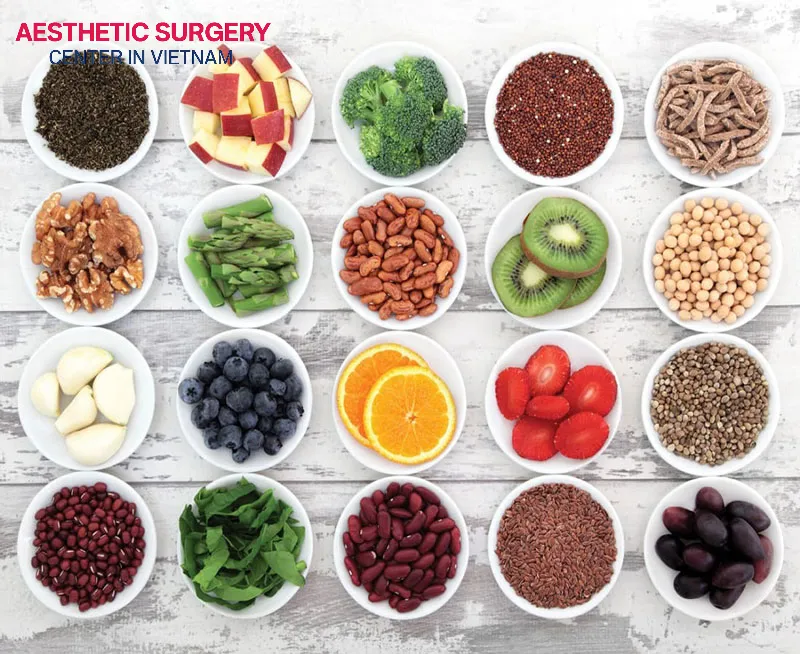
- Increase intake of protein-rich foods and vitamin C to support wound healing.
General Notes: After a facelift, avoid foods that may cause swelling, pus formation, scarring, or delayed healing, such as beef, chicken, seafood, sticky rice dishes, water spinach, spicy foods, and stimulants.
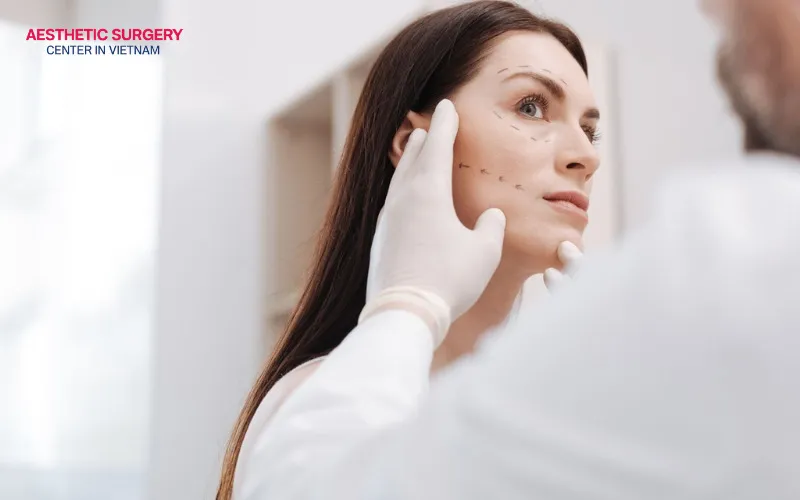
Please note that in the following abnormal cases, you should contact the aesthetic clinic immediately for timely treatment:
- A fever above 38.5°C that persists for a prolonged period.
- Sudden increase in pain after the third day instead of gradual improvement.
- Yellow or green discharge coming from the wound.
- The lower eyelid is pulled downward, exposing the white part of the eye.
- Unusual weakness or paralysis on one side of the face.










Comment on the post