


Tattoos that once held special significance may no longer align with your current career, lifestyle, or personal direction. If you decide to take them off, choosing a safe method is essential, laser tattoo removal is currently recognized as the ideal, safe medical solution. Thanks to its selective targeting mechanism, this technology protects the surrounding skin from unnecessary damage. Read on to explore the mechanism, procedure, and essential tips for restoring your natural skin.
How does laser tattoo removal work?
Understanding the mechanism of laser energy as it interacts with the skin layers will provide peace of mind and clarify how this procedure achieves outstanding clearance without scarring. At its core, this technology combines optical physics with the human body’s natural elimination pathways.
The scientific basis of tattoo ink fragmentation
Laser tattoo removal operates on the principles of selective photothermolysis and the photoacoustic effect. A laser beam of an appropriate wavelength penetrates the skin surface and is selectively absorbed only by the tattoo pigment particles situated in the dermis, leaving adjacent healthy tissues unharmed.
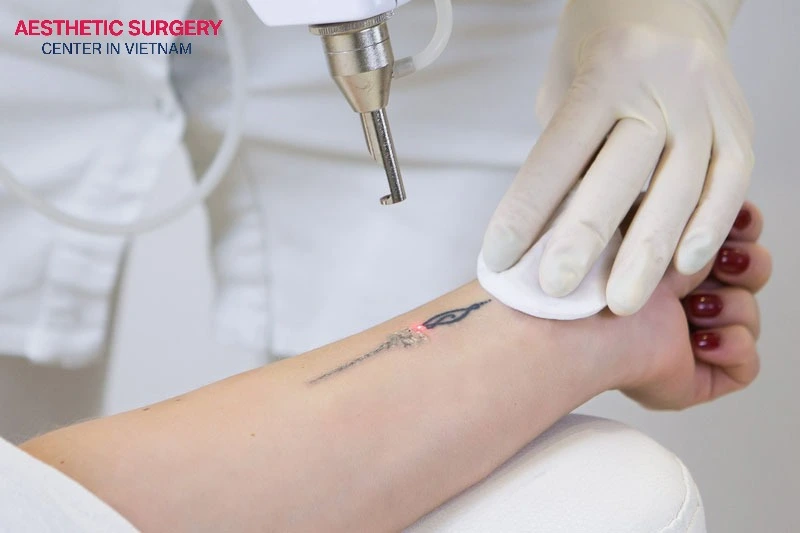
Upon absorbing intense energy within an ultra-short pulse duration, the temperature within the ink particles spikes rapidly, creating acoustic shockwaves that shatter the pigment into microscopic granules. Subsequently, the body’s macrophage system recognizes and clears these pigment fragments through the lymphatic network over time.
Types of lasers used for tattoo removal
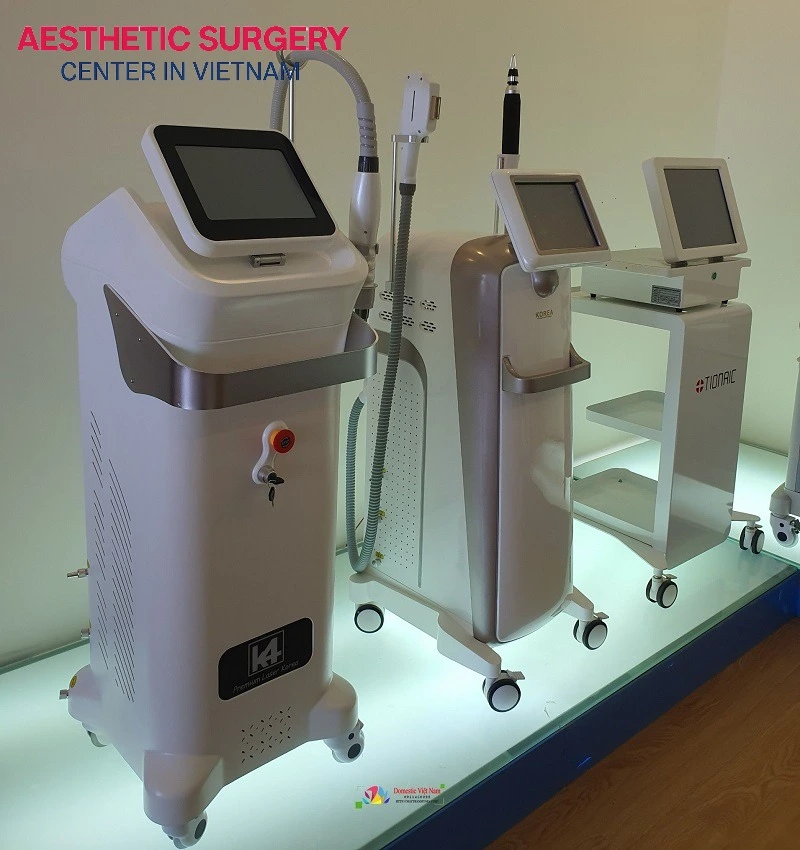
To translate these principles into clinical practice, dermatologists select systems with wavelengths and pulse widths calibrated to specific ink pigments and patient skin tones. Common, effective platforms include: Q-Switched Nd:YAG laser, Picosecond laser, Q-Switched Alexandrite laser, and Q-Switched Ruby laser.
>>> See more: Picosure laser
What to expect during the laser tattoo removal process
Beyond the underlying technology, the physical sensations during treatment and the necessary healing timeline are primary considerations before beginning sessions.
Does laser tattoo removal hurt?
Many people worry about the level of discomfort, but the sensation is commonly compared to a small rubber band snapping against the skin. Prior to treatment, practitioners apply a topical anesthetic cream combined with an integrated cold-air cooling device to minimize discomfort, keeping the procedure well within tolerable limits.
How many sessions are required for complete clearance?
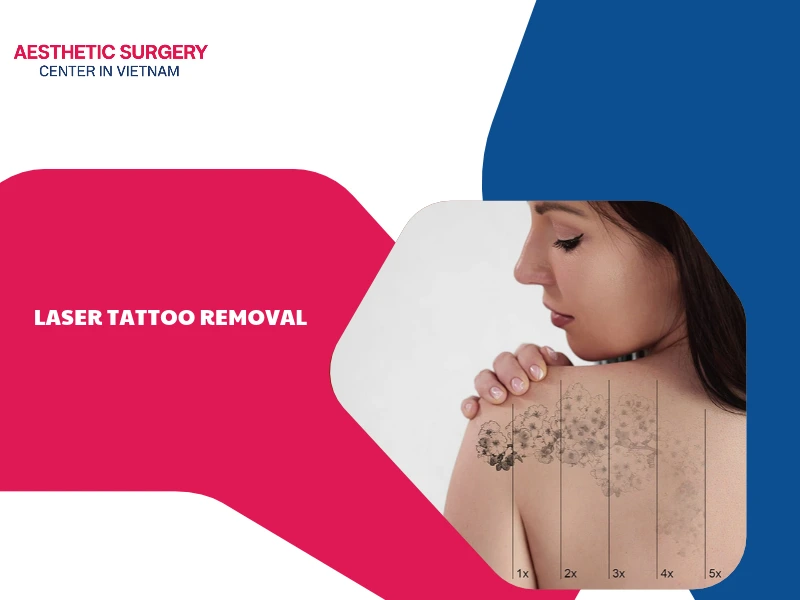
Tattoo removal cannot be accomplished in a single visit; it requires a treatment course typically spanning 4 to 8 sessions (or more), depending on ink chemistry, depth, and individual metabolic clearance rates. Each session is spaced approximately 6 to 8 weeks apart to allow the skin tissue sufficient time to heal and clear fragmented ink particles.
Potential side effects and safety considerations
Understanding normal skin reactions alongside clinical safety guidelines helps you manage recovery proactively and minimize unexpected complications.
Common side effects of laser tattoo removal
Following exposure to concentrated thermal pulses, the skin naturally exhibits transient reactions. Treated areas typically develop localized erythema, mild edema, a sunburn-like stinging sensation, or superficial micro-blisters. These reactions are benign and resolve on their own within 3 to 7 days.
Can laser tattoo removal cause permanent scarring?
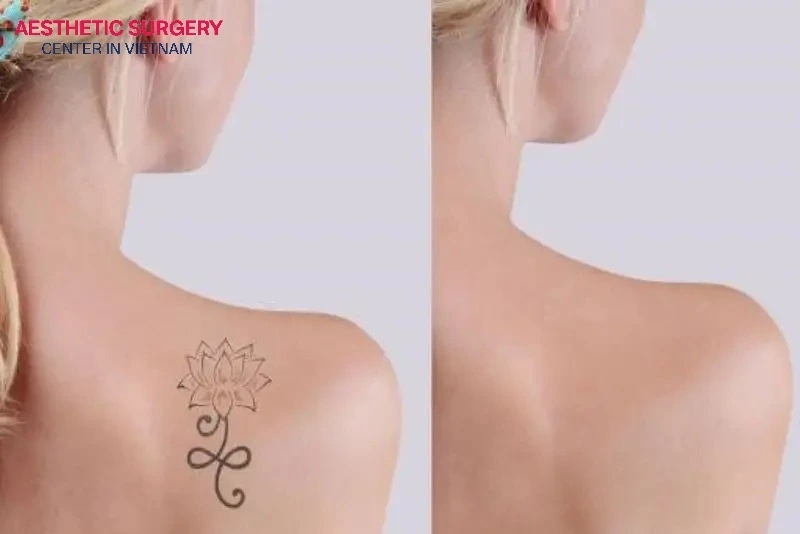
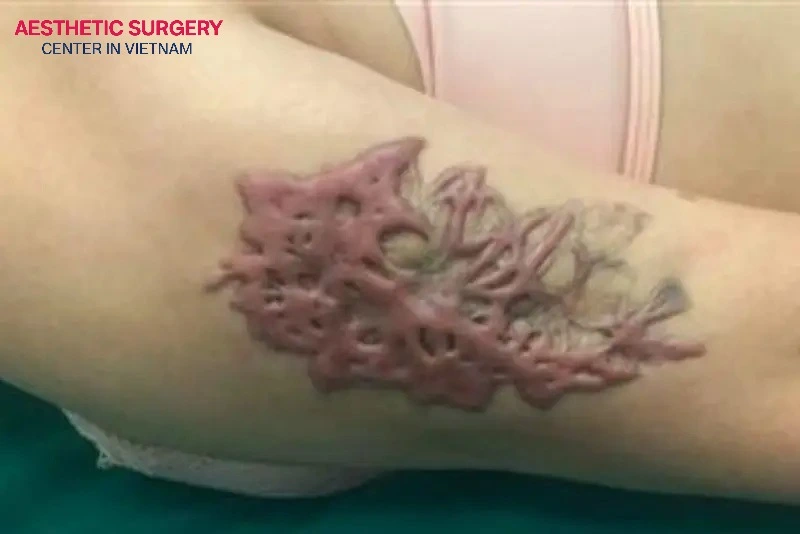
From a clinical standpoint, modern laser tattoo removal does not cause permanent scarring when calibrated to appropriate wavelengths and fluences. Scarring occurs primarily when excessive energy settings are applied or when post-treatment care is compromised—such as picking at scabs or allowing secondary infections to develop.
Proper aftercare for optimal recovery after laser tattoo removal
After undergoing laser tattoo removal, meticulous aftercare is essential to ensure proper wound healing and prevent complications such as hyperpigmentation or scarring. Following post-procedure instructions through each healing phase helps the skin regenerate smoothly.
Immediate post-treatment care
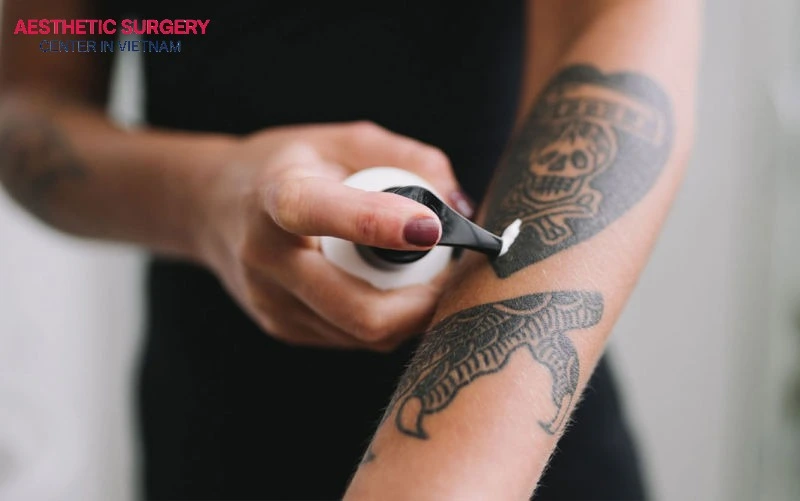
During the initial 48 hours, priorities center on cooling the tissue and maintaining hygiene to prevent infection. Apply intermittent cold compresses, cleanse gently with sterile saline, apply prescribed restorative or antibacterial ointments, and avoid friction or popping micro-blisters.
Long-term skin recovery and protection
Once the treated area forms a light crust and begins re-epithelialization, the main focus shifts to preventing post-inflammatory hyperpigmentation and reinforcing the skin barrier. Protect the area with broad-spectrum SPF 50+ sunscreen daily, moisturize consistently, and allow scabs to slough off naturally without manual peeling.
Comparison with alternative tattoo removal methods
Various mechanical and chemical modalities were historically utilized, but they present substantial drawbacks regarding aesthetics and skin safety.
Surgical excision and dermabrasion
These traditional invasive approaches physically excise or abrade ink-bearing skin tissue, causing extensive trauma. While they remove pigment quickly, they almost invariably leave hypertrophic or atrophic scars and require prolonged recovery periods.
Why topical tattoo removal creams are ineffective?
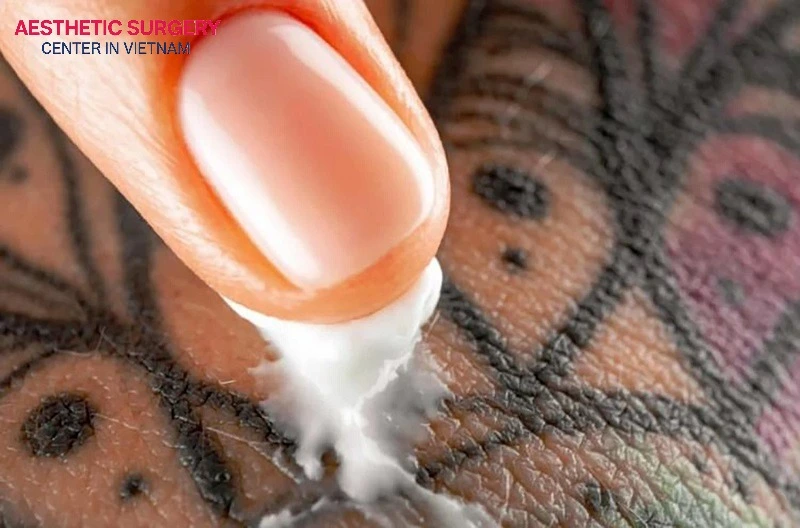
Tattoo ink resides deep within the dermal layer, whereas topical creams only penetrate the superficial epidermis. As a result, these creams cannot break down ink particles and frequently cause chemical burns, contact dermatitis, and irregular patchy scarring.
Frequently asked questions about laser tattoo removal
Reviewing common clinical questions before starting helps establish realistic expectations and prepare for the process.
Can laser remove all ink colors?
Photothermal response depends on the pigment composition and optical contrast of each ink color. Dark pigments such as black, blue-black, and red absorb laser energy efficiently and clear readily. In contrast, brighter shades like yellow, white, and lime green require specialized wavelengths and generally demand more sessions to achieve noticeable fading.
Is laser tattoo removal safe for all skin types?
Differences in natural epidermal melanin density dictate safety margins and device calibration. Laser tattoo removal is safe across all skin types when operated by qualified specialists who match the appropriate wavelength to the patient’s Fitzpatrick skin profile.
Laser tattoo removal stands as a safe and reliable method for clearing unwanted ink and restoring natural skin without scarring. Achieving the best outcome relies not only on advanced technology, but also on the practitioner’s technique and consistent post-treatment care. Choosing a licensed, accredited medical aesthetic clinic ensures your tattoo removal process remains smooth, safe, and clinically effective.
>>> See more: Laser pore size refinement treatment












Comment on the post