


When deciding how to eliminate stubborn fat, many individuals find themselves weighing liposuction vs coolsculpting. Although both treatments aim to create a slimmer, more sculpted figure, they differ significantly in procedure, cost, and recovery time. The article below breaks down each aspect in detail, helping you choose the most suitable option with confidence.
What is liposuction?
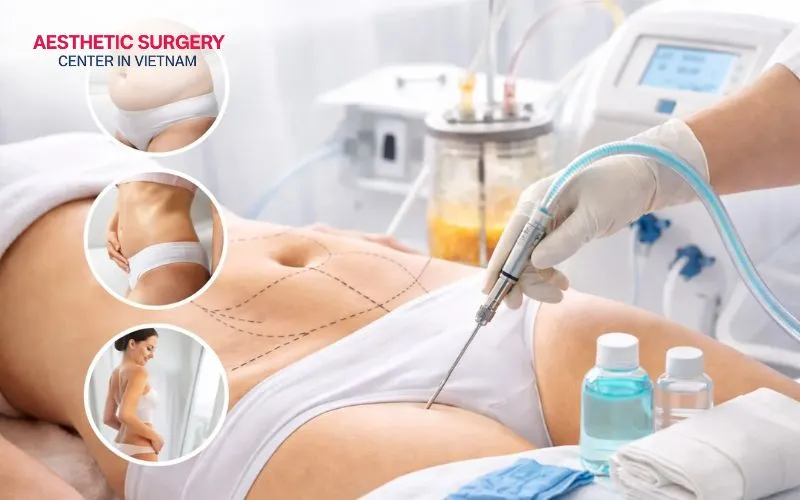
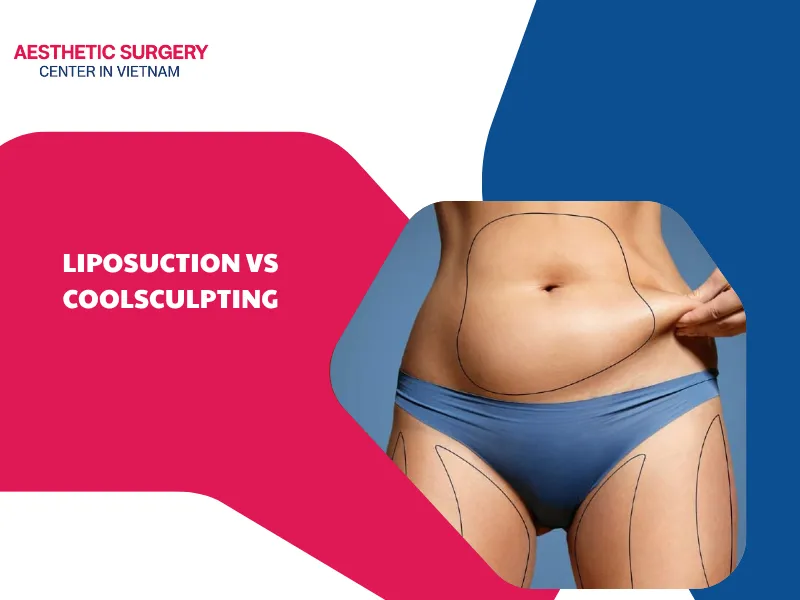
Liposuction is an invasive cosmetic surgical procedure that uses a specialized vacuum suction system to remove excess fat deposits from the body. This procedure is commonly recommended by surgeons for areas that tend to accumulate stubborn fat, such as the abdomen, hips, thighs, buttocks, upper arms, and neck.
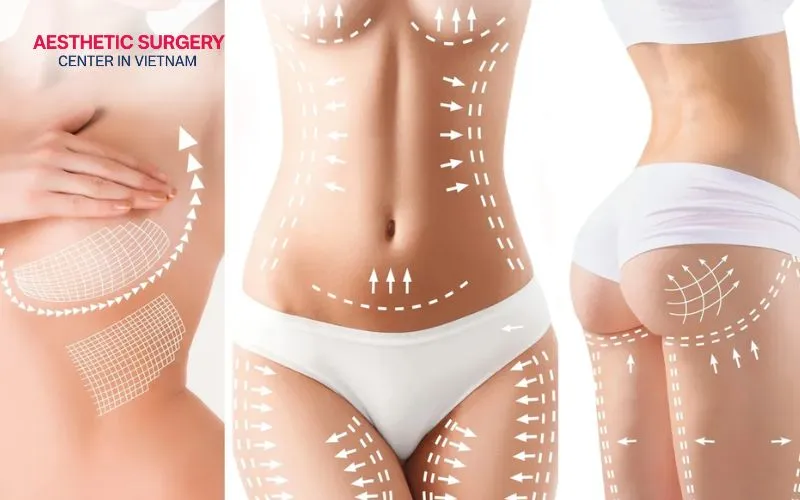
In addition to removing unwanted fat, liposuction can sculpt and reshape the body’s contours with precision. This advanced body contouring process helps create a slimmer, firmer appearance and achieve more balanced body proportions as desired.
What is coolsculpting?
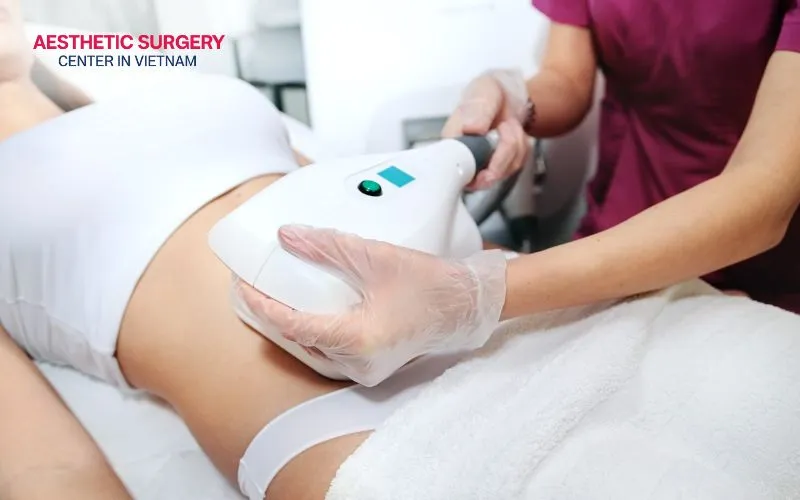
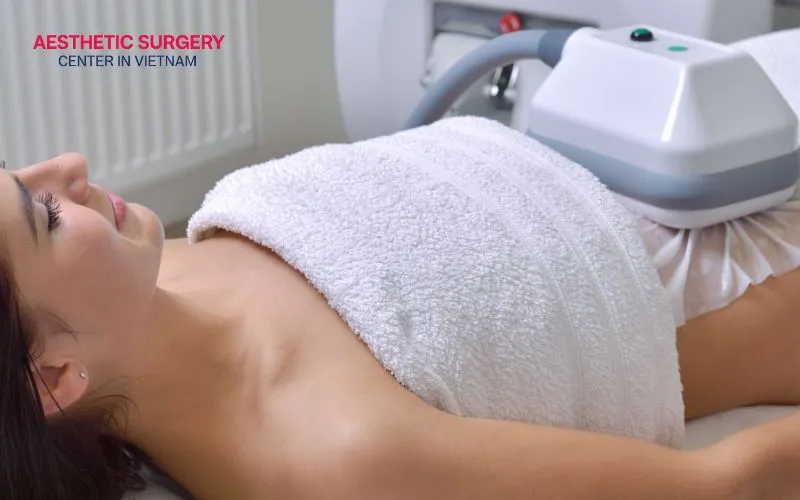
In addition to surgical fat reduction procedures, you can choose a non-surgical option like CoolSculpting for a gentler approach to fat removal. Commonly known in the medical field as cryolipolysis, this non-invasive body contouring treatment was officially approved by the U.S. Food and Drug Administration (FDA) in 2010.
Using a specialized device that precisely targets fat-prone areas, this technology lowers the temperature of fat tissue to a level that destroys fat cells. This process triggers the body’s natural fat elimination cycle without damaging the skin’s surface or the surrounding connective tissues.
Benefits of liposuction vs coolsculpting
When comparing these two treatments, it is easy to see that each offers unique advantages for meeting different body contouring goals.
Specifically, liposuction remains a leading option for fat removal thanks to the following benefits:
- Immediate results after a single treatment: By directly accessing and removing excess fat cells through a cannula combined with specialized vacuum suction, liposuction can deliver a dramatic improvement in body shape as soon as you leave the operating room.
- Effective removal of large fat deposits: Liposuction allows surgeons to target deep layers of long-standing fat accumulation, removing a significant volume of excess fat to reduce body measurements quickly and effectively.
- High level of safety during the procedure: Before surgery, a specialized solution is infused into the treatment area to separate fat tissue and constrict blood vessels. This helps minimize bleeding and supports a smoother procedure.
In contrast, coolsculpting is a non-surgical fat reduction treatment that requires little to no downtime and offers several valuable benefits:
- Completely non-invasive with no recovery period: Because the procedure does not involve incisions, cannulas, or anesthesia, it leaves no open wounds. Once the treatment session is complete, you can return to work and resume your normal daily activities without the need for extended recovery.
- Protects surrounding tissues: CoolSculpting selectively targets fat cells that are sensitive to cold temperatures. The treatment freezes these cells until they crystallize and break down naturally, without damaging the skin, blood vessels, or nearby tissues.
- Natural fat elimination: After being destroyed, the fat cells are gradually identified and removed by the lymphatic system over the following weeks or months. This gentle process allows the body to slim down gradually and achieve a natural-looking contour.
Who is the best candidate?
Choosing between liposuction vs coolsculpting should not be based on preference alone. Instead, the decision should depend on your body condition, the volume of excess fat, and your treatment goals. To determine which option is right for you, consider the following criteria.
Best candidates for coolsculpting treatment
This treatment is most suitable for individuals who meet the following conditions:
- Have localized fat deposits in areas that are difficult to slim down despite diet and exercise, such as the abdomen, hips, thighs, back, upper arms, bra fat, under-buttock fat, double chin, or jawline.
- Maintain a healthy body shape and overall good health, with a body mass index (BMI) of 30 or below.
- Have good skin elasticity in the treatment area, with minimal skin laxity or advanced signs of aging.
- Understand that the treatment provides mild to moderate improvement for a more refined body contour rather than a dramatic, transformative change.
Best candidates for liposuction procedure
The ideal candidates for liposuction typically have the following characteristics:
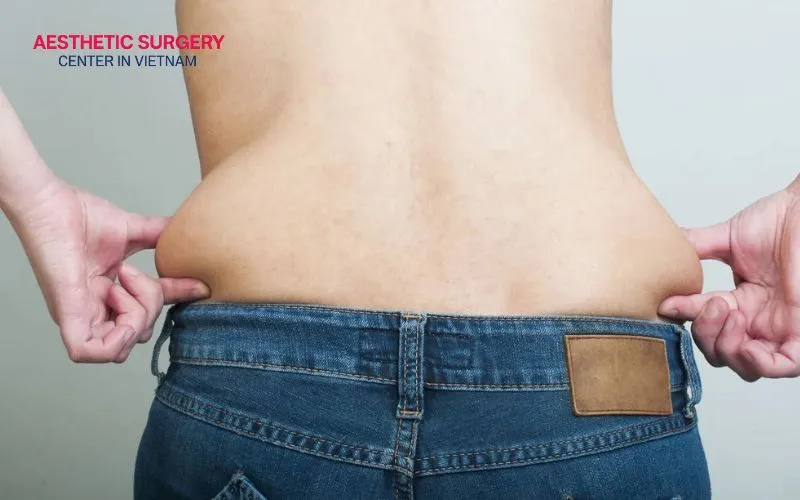
- Individuals who feel self-conscious about large fat deposits in multiple areas of the body that have remained resistant to consistent dieting and exercise efforts.
- Individuals with a stable body weight who are approximately 5–7 kg (11–15 lbs) away from their ideal weight.
- Individuals with firm, elastic skin that can naturally conform to the new body contours after fat removal. If the skin is significantly loose or sagging, liposuction may worsen the appearance of skin laxity.
- Individuals in good overall health and free from uncontrolled chronic medical conditions such as heart disease, high blood pressure, diabetes, or bleeding disorders.
- Non-smokers or individuals who are willing to completely stop smoking for several weeks before and after surgery.
Detailed implementation procedures for each method
Although both treatments aim to eliminate stubborn fat deposits, the procedures involved in liposuction vs coolsculpting are completely different.
Liposuction
Liposuction requires a high level of precision from experienced surgeons and is typically performed through the following four medical-standard steps:
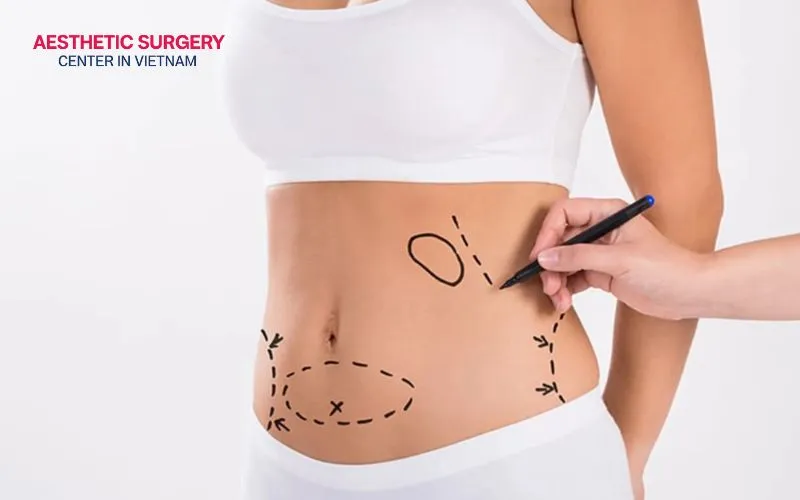
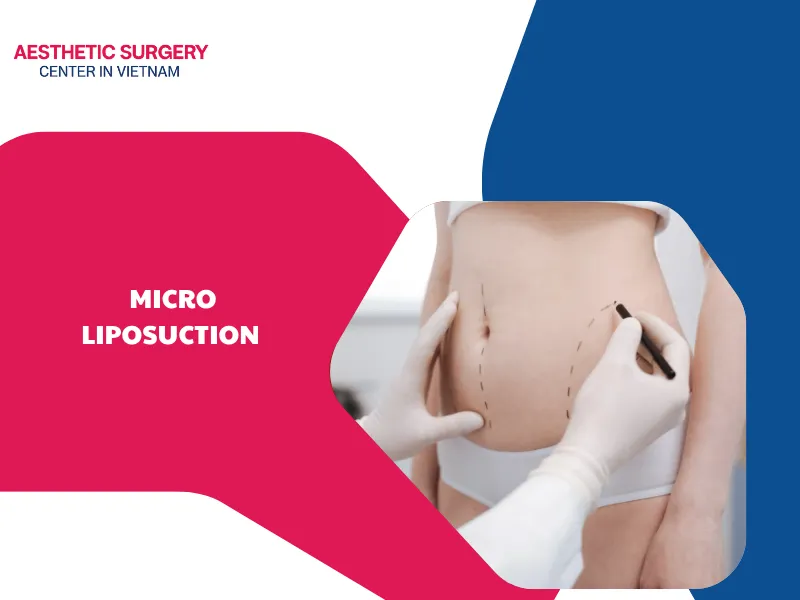
- Step 1 – Marking the treatment areas and administering anesthesia: The surgeon carefully measures and marks the areas where fat will be removed. An appropriate form of anesthesia is then administered, such as local anesthesia, epidural anesthesia, or general anesthesia.
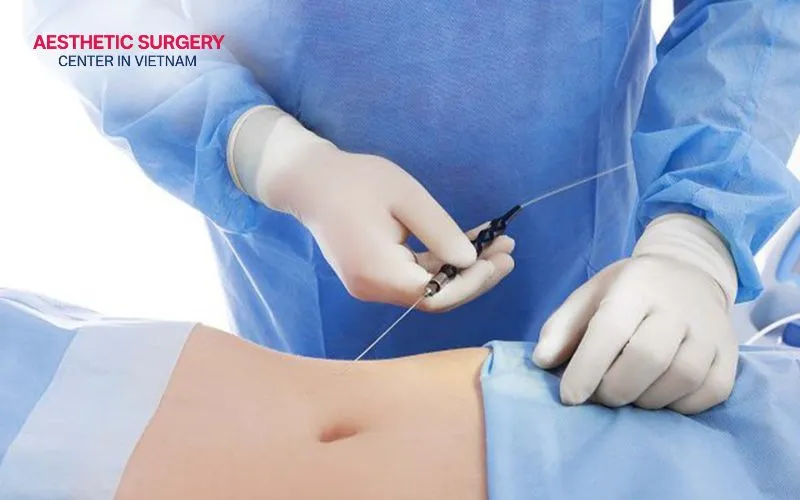
- Step 2 – Infiltration of a specialized solution: Small incisions are made to inject a specialized solution into the treatment area. This solution contains anesthetic and vasoconstrictive agents that help separate fat tissue while minimizing blood loss and postoperative bruising.
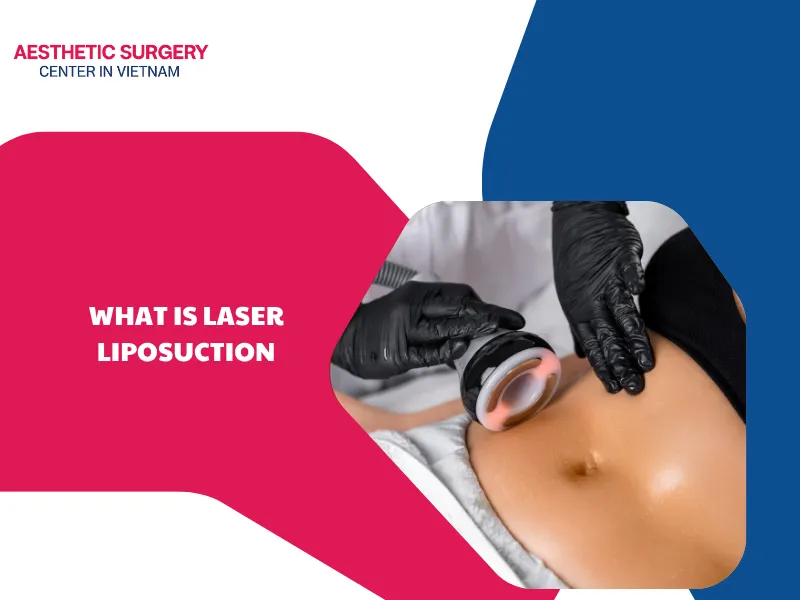
- Step 3 – Fat liquefaction and fat removal: The surgeon uses advanced technologies such as ultrasound energy, laser energy, or Body-Jet technology to break down fat cells. A specialized cannula is then inserted to loosen the fat deposits and connect to a vacuum suction system, allowing the liquefied fat to be directly removed from the body.
- Step 4 – Closing the incisions: After the desired amount of fat has been removed, the surgeon places drainage tubes if necessary, closes the small incisions with cosmetic sutures, and applies dressings to the treated area.
Coolsculpting
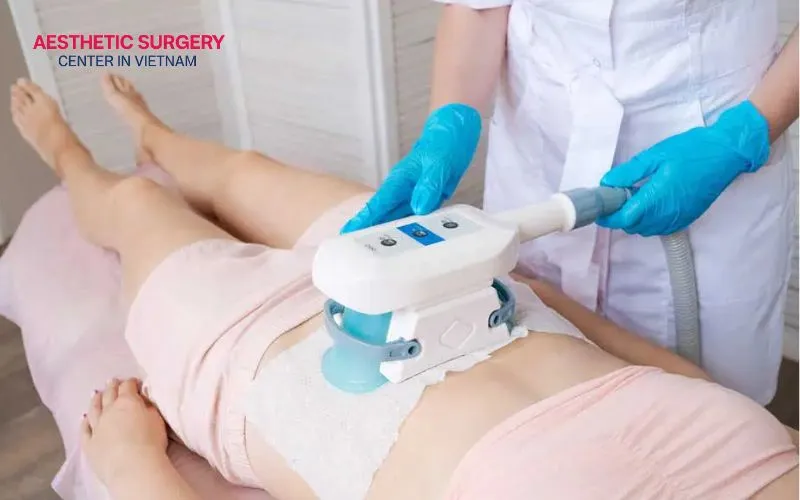
In contrast to surgery, coolsculpting is a completely non-invasive body contouring treatment that follows a simplified three-step process:
- Step 1 – Preparing the treatment area: The specialist cleanses the treatment area and applies a protective gel pad to the targeted fat deposits. This helps protect the skin from the freezing temperatures used during the procedure.
- Step 2 – Applying controlled cooling and vacuum pressure: The CoolSculpting applicator is placed directly on the skin, where vacuum suction gently draws and holds the fat bulge within the device. At this stage, you may experience mild pulling, tingling, or intense cold sensations during the first few minutes.
- Step 3 – Fat freezing and relaxation: As the device cools the targeted tissue to approximately 4°C (39°F), the initial discomfort gradually subsides as the area becomes numb. During the following 30 minutes to 2 hours, you can simply relax, watch a movie, or read a book while the fat-freezing process is completed.
Liposuction vs coolsculpting: Which method is more cost-effective?
To determine which option offers better value between liposuction vs coolsculpting, you need to consider the relationship between the number of treatment areas and the number of sessions required to achieve your aesthetic goals.
- Coolsculpting is priced based on the number of treatment areas and treatment sessions. If you only need to address a few localized fat deposits, such as a double chin or love handles, with a minimal number of sessions, it can be a worthwhile investment. However, if multiple areas require treatment or repeated sessions are needed, the overall cost of CoolSculpting can increase significantly.
- Although liposuction requires a higher upfront investment due to the complexity of the surgical procedure, it often provides greater long-term value. With a single treatment, a substantial amount of excess fat can be removed directly, delivering a dramatic body transformation and reducing the need for additional procedures.
Recovery and results of liposuction vs coolsculpting
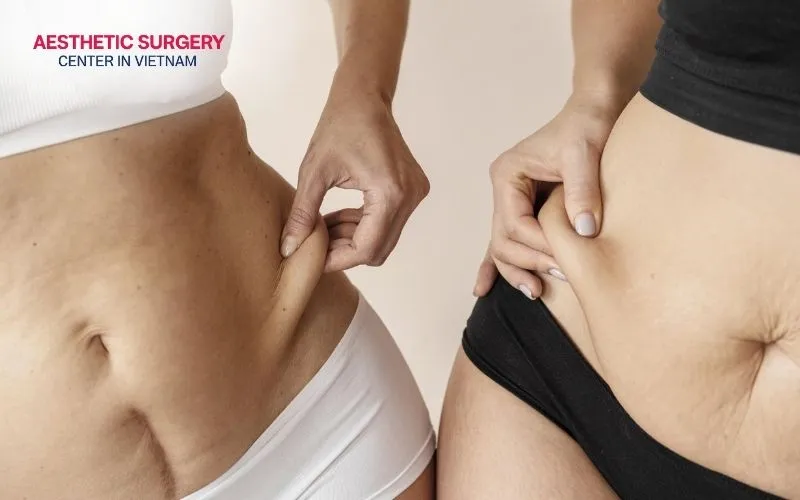
In addition to cost, carefully evaluating the recovery period and aesthetic outcomes of liposuction recovery time vs coolsculpting can help you better plan your work schedule and daily activities.
Coolsculpting stands out for its convenience due to its non-invasive nature, allowing you to maintain your normal routine with little to no downtime.
- Treatment timeline and results: Treatment typically consists of one or several sessions spaced a few weeks apart, depending on the thickness of the fat layer being treated. Initial results usually become noticeable within a few weeks, while the most refined body contour is generally achieved after about three months, once the body has completed the natural fat elimination process.
- Recovery process: Mild side effects such as redness, swelling, tenderness, or soreness may occur and usually resolve on their own within a few hours to two weeks. Light walking can be resumed immediately, but strenuous exercise should be postponed for several days to support optimal recovery.
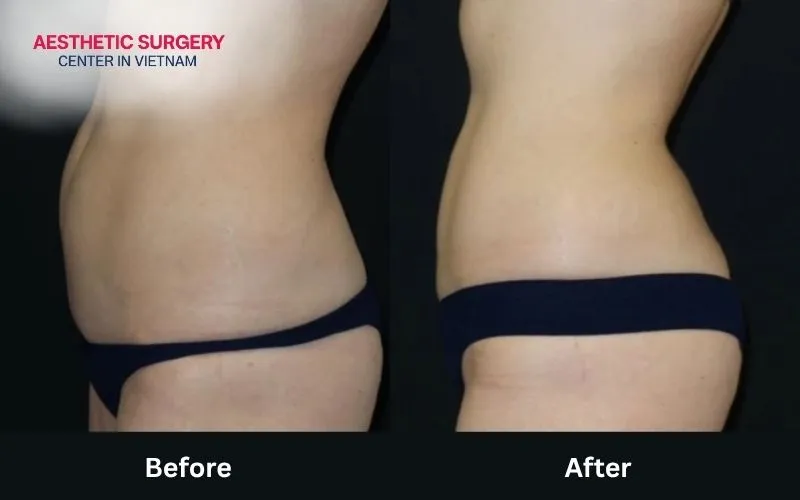
Liposuction delivers more dramatic, large-scale results after a single procedure, but it requires a longer recovery period and more extensive postoperative care.
- Treatment timeline and results: A single liposuction procedure lasting approximately 3–4 hours can effectively remove excess fat deposits. Due to the invasive nature of the treatment, swelling and fluid retention are common during the first few weeks. Body contours typically become more visible within 1–3 months, with final, well-defined results developing after 3–6 months.
- Recovery process: Patients can usually return home the same day or stay overnight for observation if necessary. The healing process generally takes 1–4 weeks, depending on individual recovery factors. During this period, wearing a compression garment is essential to help reduce swelling and support body contouring results. Strenuous physical activities and intense exercise should also be avoided for the first 2–4 weeks.
Overall, understanding the differences between liposuction vs coolsculpting allows you to make a more informed body contouring decision. Each treatment offers distinct advantages and follows its own medical standards. While liposuction provides a dramatic and comprehensive transformation in a relatively short time, coolsculpting is an excellent non-invasive option for refining areas with smaller amounts of excess fat. Contact (+84) 916 189 447 today to schedule a consultation with the specialists at Aesthetic Surgery Center in Vietnam and receive a personalized body contouring treatment plan tailored to your needs.













Comment on the post