


Today, instead of following strict diets or intense workout routines to reduce fat, modern aesthetic trends offer a more effective alternative. Laser liposuction is a breakthrough technology that helps remove stubborn fat deposits safely without the need for highly invasive surgery. To help you gain a comprehensive understanding of what is laser liposuction, as well as its mechanism, safety, and real-world effectiveness, Aesthetic Surgery Center in Vietnam invites you to explore the details below.
What is laser liposuction?
Laser liposuction is an advanced cosmetic procedure that uses laser energy to liquefy excess fat cells beneath the skin before removing them from the body. Compared to traditional techniques, this technology offers superior precision by targeting fat cells while minimizing damage to surrounding blood vessels and nerves. In addition, the heat generated by the laser stimulates collagen production beneath the skin, helping improve skin firmness while significantly reducing recovery time after treatment.
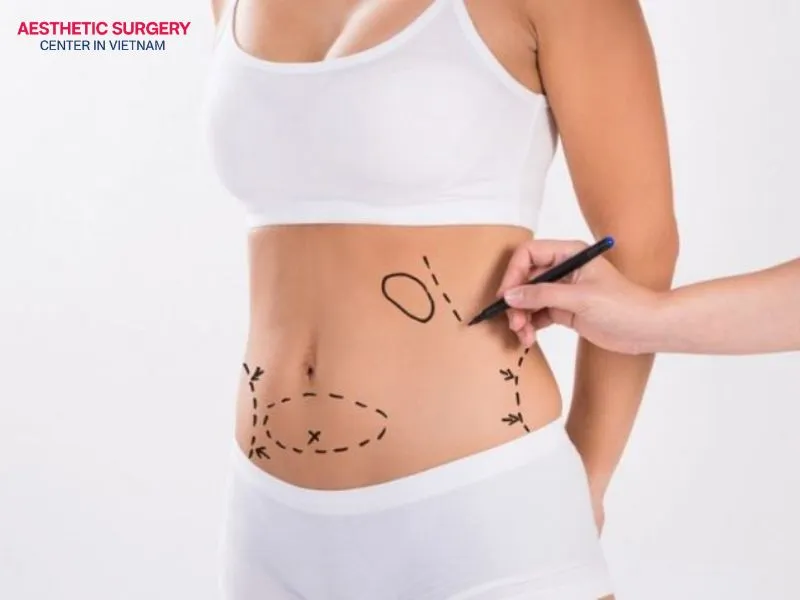
Thanks to its precise targeting mechanism, this procedure can be used to contour and refine various areas of the body where excess fat tends to accumulate, including:
- The abdomen liposuction, hips, buttocks, and liposuction love handles.
- The upper arms, thighs, back, and calves.
- The double chin, cheeks, and neck contour.
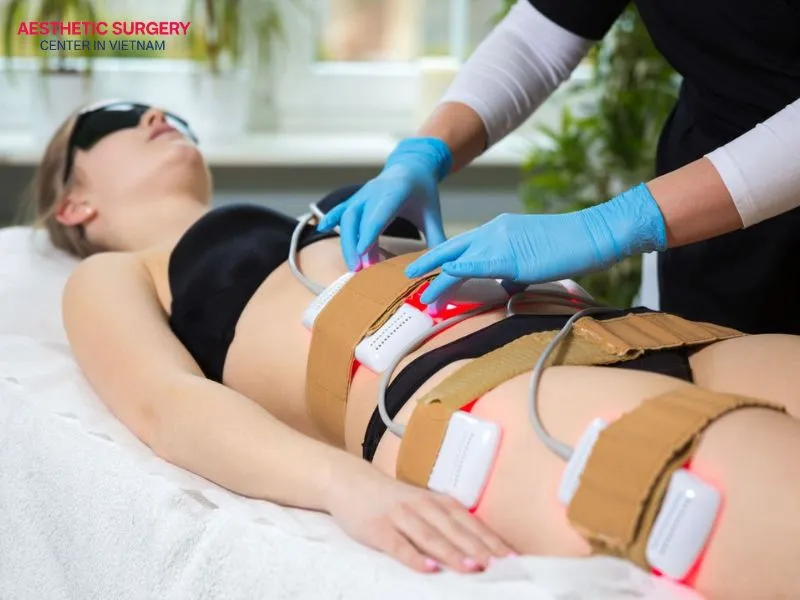
The versatility of treatment areas makes this technology a comprehensive solution for individuals seeking a slimmer, more sculpted, and firmer body shape.
Who is a good candidate for laser liposuction?
To achieve optimal body contouring results and ensure a smooth recovery process, patient selection based on medical criteria is essential. Laser liposuction is generally suitable for the following groups:
Individuals with a stable weight close to their ideal range
Unlike obesity treatment methods, this technology is not designed for significant weight loss. Instead, it focuses on body contouring and fat reduction in specific areas. The best candidates are individuals whose weight is relatively stable but who struggle with stubborn fat deposits in areas such as the abdomen, thighs, and other body regions that do not respond well to diet or exercise.
Individuals with moderate to good skin elasticity
One of the key advantages of laser energy is its ability to stimulate collagen production and improve skin firmness. As a result, patients with naturally firm skin often experience better skin contraction, allowing the skin to adapt more smoothly to the newly contoured body shape after fat removal. Individuals with mild skin laxity may also notice significant improvements in skin texture, tightness, and overall smoothness due to the thermal effects of the laser.
Individuals in good health and non-smokers
Good overall health and a strong immune system are essential for a smooth recovery after cosmetic treatment. In addition, aesthetic specialists recommend that candidates avoid smoking, as nicotine can constrict blood vessels, impair blood circulation, and slow the body’s natural healing process.
What are the benefits of laser liposuction?
Laser liposuction has become increasingly popular due to its many notable advantages, including:
Minimally invasive procedure with high precision
By utilizing advanced laser energy to liquefy fat cells, surgeons can precisely target even small and hard-to-reach fat deposits. The combination of laser thermal energy and micro-cannulas helps enhance body contours while minimizing trauma to the surrounding healthy tissues.
Reduced scarring and faster recovery
The process of delivering treatment and removing liquefied fat requires only tiny incisions for the insertion of micro-cannulas. As a result, the procedure causes minimal disruption to the skin’s surface, reducing the risk of visible scarring while promoting faster wound healing and a shorter recovery period.
Stimulates collagen production for firmer, smoother skin
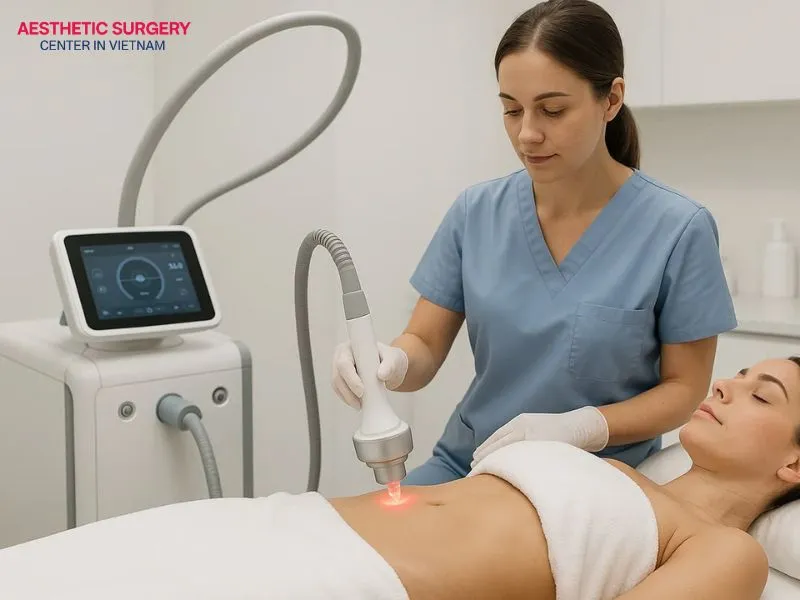
One of the most distinctive advantages of this technology is its thermal effect. As laser energy penetrates deep beneath the skin, it stimulates the production of collagen and elastin. This process helps maintain skin firmness and smoothness in the treated area, reducing the likelihood of sagging, uneven contours, or skin irregularities after fat removal.
How does laser liposuction work?
To ensure safety and achieve optimal body contouring results, laser liposuction must be performed in a sterile environment following a standardized treatment protocol.
Step 1: Creating a tiny Incision
After administering local anesthesia, the surgeon makes a very small incision in a discreet area of the skin. The incision is kept as small as possible to minimize visible signs of treatment.
Step 2: Performing laser fat removal
A specialized laser device is inserted through the incision. The laser delivers thermal energy that breaks down fat cell membranes and gently liquefies excess fat tissue.
Step 3: Removing the liquefied fat
The surgeon then uses a specialized micro-cannula connected to a vacuum-assisted system to carefully remove the liquefied fat from the body.
Step 4: Closing the incision and post-treatment support
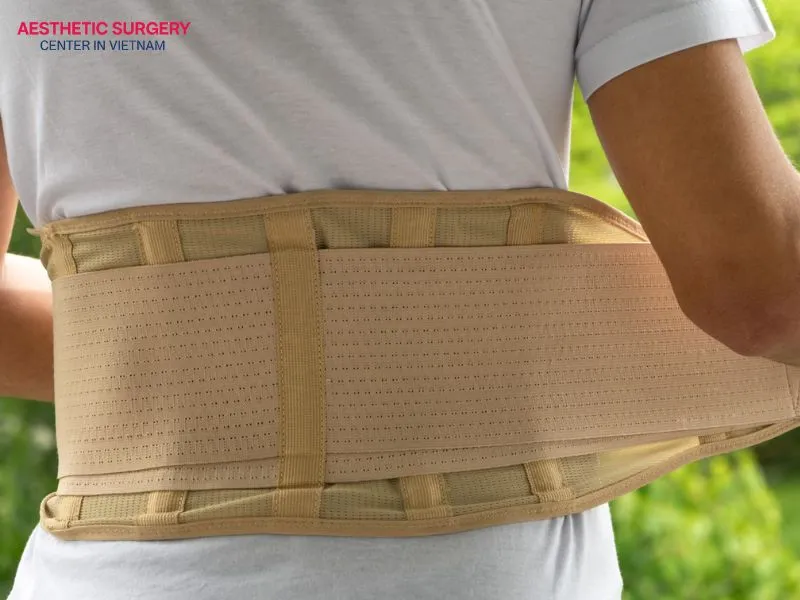
The tiny incision is closed with cosmetic sutures and covered with sterile dressings. Patients are instructed to wear a compression garment to support proper skin contraction and help achieve the desired body contour.
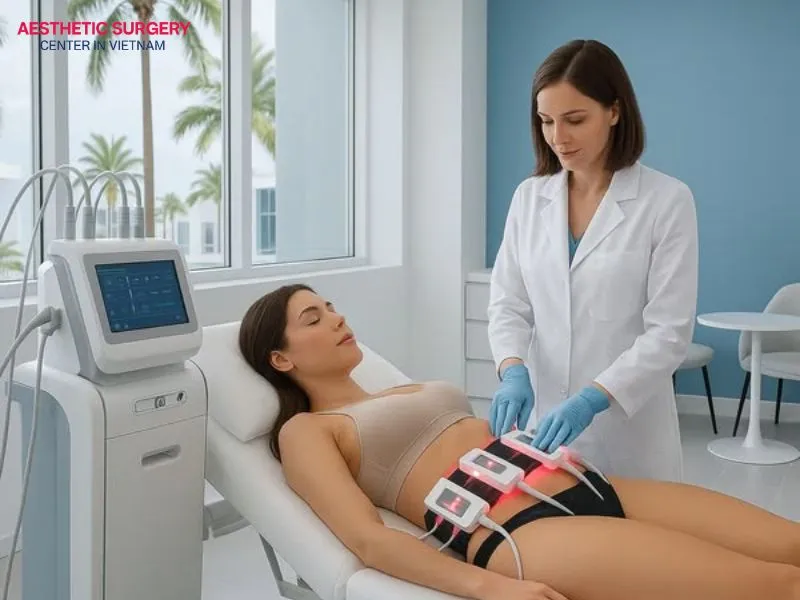
The recovery process for laser liposuction
The recovery process following laser liposuction is generally smooth due to the minimally invasive nature of the procedure. However, to minimize your overall liposuction recovery time and ensure optimal healing of the skin and underlying tissues, patients should understand the key recommendations for each stage of recovery.
The first 48 hours
During the first 48 hours, mild fluid drainage from the tiny incisions is common. This is a natural response as the body eliminates the specialized tumescent fluid used during the fat-liquefaction process. Patients should keep the treated area clean and dry, change sterile dressings as instructed, and engage in light walking to help promote healthy blood circulation.
The first 2 weeks
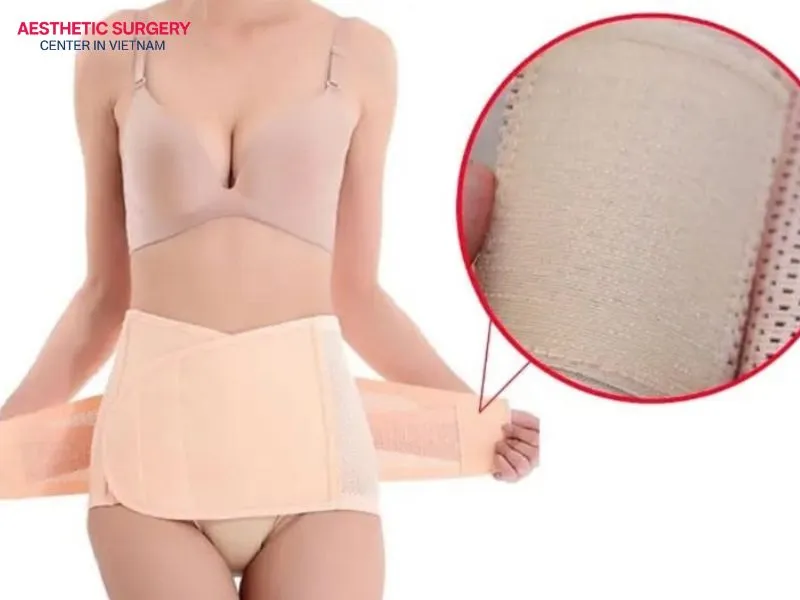
This period is crucial for allowing the skin and underlying tissues to adapt to the newly contoured treatment area after fat removal. Patients should wear their compression garment continuously, removing it only briefly for personal hygiene or if the garment becomes excessively tight and interferes with comfortable breathing.
Six weeks and beyond
By the sixth week, the body has typically entered a more stable stage of tissue healing. Patients can gradually return to light physical activities and exercise. The use of a compression garment may also be reduced during this phase, with most individuals wearing it primarily at night or during periods of increased physical activity to provide additional support and help optimize body contouring results.
How much does laser liposuction cost?
The cost of laser liposuction typically ranges from approximately 15 million VND to 150 million VND. This wide price range exists because treatment plans are customized according to each patient’s individual condition and aesthetic goals. If laser liposuction is combined with additional procedures, such as excess skin removal surgery, the overall cost will increase accordingly.
Several factors influence the total treatment cost, including the volume of fat that needs to be removed, the number of treatment areas involved, and the overall duration and complexity of the procedure. To receive the most accurate and transparent cost estimate, patients should schedule a consultation with a qualified surgeon, who can assess their body measurements and develop a personalized treatment plan based on their goals.
Does insurance cover laser lipo?
In general, laser liposuction is classified as an elective cosmetic procedure performed to enhance body contours rather than treat a medical condition. As a result, most health insurance providers do not cover the cost of this treatment.
However, to help make the procedure more accessible, many reputable cosmetic clinics offer financing or installment payment options. These programs allow patients to spread the cost of treatment over time, making it easier to manage their budget without delaying their aesthetic goals. Patients are encouraged to discuss available payment plans and financing options with a clinic representative during their consultation to better prepare for the financial commitment.
>>> See more: Does insurance cover liposuction?
What are the risks of laser liposuction?
Although laser liposuction is considered a modern procedure with a very low complication rate, it is still important to understand the potential side effects and risks associated with treatment. The body’s response may vary depending on whether a non-invasive or minimally invasive laser technique is used.
- For non-invasive laser treatments: Patients may experience mild redness, swelling, and a feeling of tightness in the treated area. These effects are typically temporary and usually resolve on their own within a few days without medical intervention.
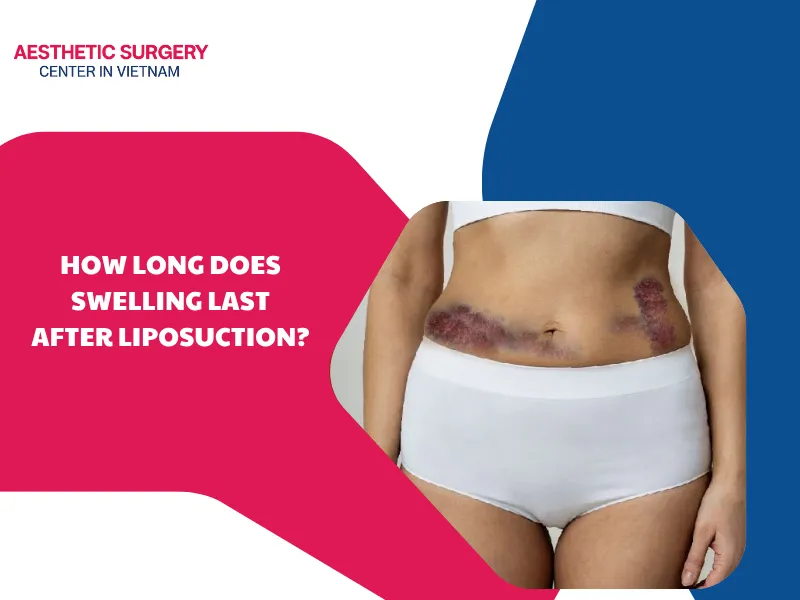
- For minimally invasive laser liposuction: Some localized side effects may occur, including bruising, swelling, fluid accumulation, minor bleeding beneath the skin, or small liposuction scars at the incision sites. These effects are generally temporary and improve as the healing process progresses.
Is laser liposuction permanent?
Laser liposuction does not provide permanent results, this is works by creating tiny openings in the membranes of fat cells, allowing the liquefied fat to be released and removed from the body. Unlike fat-freezing technologies that aim to destroy fat cells completely, laser liposuction primarily reduces the fat content within the treated cells rather than eliminating all of them. As a result, the longevity of the results depends largely on the patient’s lifestyle after treatment.
If a healthy diet and active lifestyle are not maintained, the remaining fat cells can gradually enlarge again, leading to the return of fat accumulation. On the other hand, one of the advantages of this procedure is that reducing excess fat may help improve the body’s response to leptin, a hormone involved in appetite regulation. This can make it easier for some individuals to manage hunger, support healthier eating habits, and maintain their body contour for the long term.
In summary, understanding what is laser liposuction and how it works can help you make informed decisions on your body contouring journey. This advanced treatment offers an effective way to reduce unwanted fat while stimulating collagen production to support firmer, smoother skin, all without the need for extensive surgical intervention. If you are looking to achieve a more sculpted physique and refined body contours, contact Aesthetic Surgery Center in Vietnam today to schedule a consultation with our experienced specialists and learn more about our medically approved laser liposuction treatments.













Comment on the post