



Post-operative care plays a crucial role in ensuring the breasts soften quickly, settle into a natural shape, and prevent capsular contracture complications. In particular, following a medically standard method on how to massage breasts after implant surgery is highly recommended by surgeons. So, what is the correct and safe massage technique that won’t displace the implants? Let’s explore the detailed guide in the article below.
The importance of breast implant massage
Understanding how to massage breasts after implant surgery properly and maintaining this routine according to your surgeon’s timeline offers significant benefits, including:
- Maximizing prevention of capsular contracture: The human body naturally forms a fibrous capsule around any foreign object to isolate it. Regular massage keeps the implant moving within its surgical pocket, preventing this tissue capsule from tightening, contracting, or distorting the implant. Consequently, it eliminates the risk of hardened, deformed, or painful breasts.
- Achieving quick softness and a natural feel: During the initial months post-surgery, the pectoral muscles and surrounding tissues often feel tight and stiff due to swelling and muscle stretching. Gentle massage techniques help relax the muscles and soften internal scar tissue, allowing the breasts to quickly regain natural softness and elasticity.
- Aiding breast shaping and optimal implant settling: Immediately following surgery, implants tend to sit relatively high on the chest wall. The mechanical force of massaging, combined with gravity, helps gently guide the implants down into their ideal pocket positions—creating a natural upper slope and an attractive cleavage, while preventing a “high-riding” or stiff appearance.
- Stimulating blood circulation and accelerating recovery: Proper massage techniques promote blood circulation and lymphatic drainage in the breast area. This helps the body clear fluid retention more efficiently, rapidly reducing swelling and bruising while significantly shortening the overall breast augmentation recovery time.
- Helping the body adapt to the implants: Regular massage not only provides physical benefits but also helps the sensory nervous system gradually adapt to the “new addition,” minimizing feelings of tension, heaviness, or unusual sensations during the early stages.

When should you start breast implant massage?
The timing for starting breast massage after implant surgery depends on your surgeon’s instructions, the type of implant, and implant placement. However, patients are typically advised to begin 1 to 2 weeks post-surgery once the incisions and tissues have relatively stabilized. With your surgeon’s approval, you should massage your breasts 2 to 3 times a day for the first few months, spending about 5 minutes on each session.
However, if you have textured or teardrop-shaped (anatomical) implants, surgeons usually advise against massaging to avoid the risk of rotation or displacement from their intended aesthetic position. Because applying pressure too early can cause bleeding, fluid accumulation (seroma), or disrupt the healing wound, it is crucial that you strictly follow the timeline and massage techniques provided by your plastic surgeon to ensure medical safety and achieve the most natural-looking results.

How to perform a post-operative breast massage?
Performing breast massage correctly not only helps the breasts settle into form quickly and feel naturally soft, but also effectively prevents the risk of capsular contracture. To achieve optimal recovery results, it is essential to understand the procedure and execute each step properly. Below is a detailed guide on how to perform these massage exercises at home.
Preparation and posture
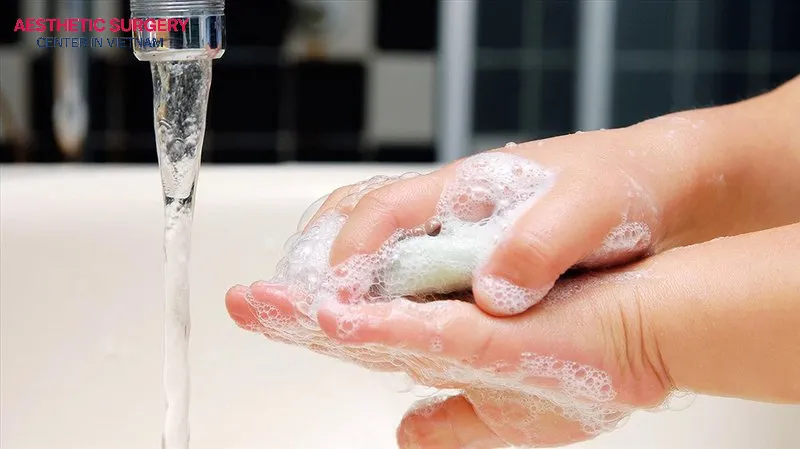
- Sanitize Hands and Breasts: Wash your hands thoroughly with antibacterial soap. Ensure your fingernails are trimmed short and remove any jewelry with sharp edges to avoid scratching your sensitive skin.
- Choose a Comfortable Posture: The best position is lying comfortably on your back in bed or sitting propped up at about a 45-degree angle. Take deep breaths and fully relax your muscles—especially your shoulders, neck, and chest—so the tissues do not tense up.
- Use Supportive Products: You may apply a thin layer of moisturizer, lotion, or a gentle massage oil (ensure this product has been approved by your surgeon) to reduce friction and allow for smoother displacement movements.
Step-by-Step massage techniques
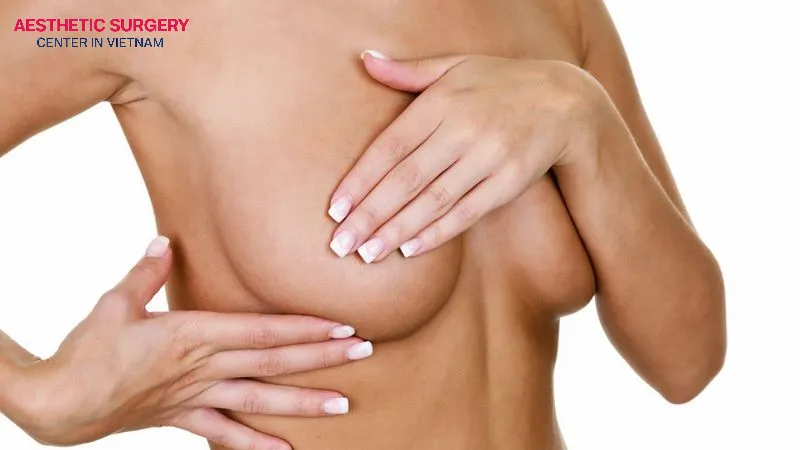
The massage process should focus on maintaining space for the implant to move gently within the breast pocket. Perform each movement slowly and steadily, applying just enough pressure to feel the implant shift, but never to the point of causing sharp pain.
- Step 1 – Pushing the Implants Upward: Place both hands supporting the lower part of the breasts. Using the heels of your palms, gently push the implants upward (toward the collarbones). Hold this displacement for about 5 to 10 seconds, then slowly release.
- Step 2 – Pushing the Implants Downward: Move your hands to the upper portion of the breasts. Press gently and guide the implants downward. Maintain this pressure for 5 to 10 seconds.
- Step 3 – Squeezing the Implants Inward: Place your hands on the outer sides of each breast (near the armpits). Gradually apply pressure to push both implants toward each other (toward the cleavage line). Hold the squeeze firmly for 5 to 10 seconds.
- Step 4 – Pushing the Implants Outward: Bring your fingertips together and place them in the center of the chest (between the breasts). Gently apply pressure to displace the implants outward (toward the arms). Hold this position for 5 to 10 seconds before releasing.
Note: Repeat this entire 4-step cycle 3 to 5 times per session. Maintain the frequency of daily massage sessions exactly as directed by your surgeon to ensure your bust achieves optimal softness and natural results.
Understanding capsular contracture and associated risks
The formation of breast augmentation scars and internal capsule tissue around an implant is the body’s natural protective response to a foreign object. However, when this fibrous capsule overdevelops, thickens, and constricts, it squeezes the implant directly—a medical complication known as capsular contracture. Recognizing early symptoms and understanding potential risks are vital to protecting both your aesthetic results and your overall health.
Signs of capsular contracture
Capsular contracture typically develops progressively over time and is categorized into several clinical grades. You should closely monitor your body and watch for the following abnormal signs:
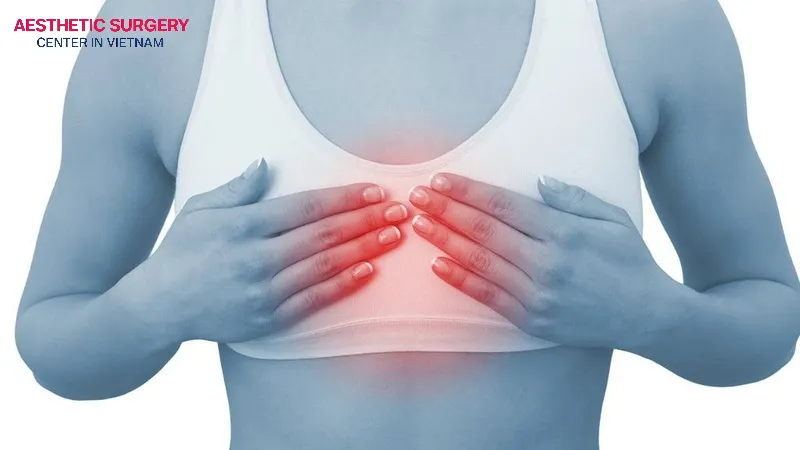
- Unusual breast firmness: This is the most recognizable early sign. The breast gradually loses its natural softness, feeling excessively firm, rigid, or as hard as a soccer ball when touched.
- Shape distortion: Constriction from the fibrous capsule can distort, scallop, or push the implant unnaturally high on the chest wall, disrupting symmetry and the breast’s natural drape.
- Tightness and aching pain: Unlike the mild soreness experienced during early postoperative days, capsular contracture often causes dull aches or sharp, persistent pain—particularly upon touch, sudden movement, or lying prone.
- Loss of sensation or hypersensitivity: The skin around the breast and nipple-areola complex may experience altered sensations, becoming hypersensitive or, conversely, numb due to local nerve compression.
Potential risks and when to consult your plastic surgeon
Left unmonitored and untreated, severe capsular contracture (Baker Grades III and IV) does not just compromise breast aesthetics—it also increases the long-term risk of implant rupture or gel leakage due to continuous mechanical pressure. In these cases, patients typically require surgical capsulectomy alongside implant exchange.
To prevent serious complications, cease all self-massaging immediately and contact your plastic surgeon if you encounter any of the following:
- Severe, unremitting breast pain that does not improve with rest.
- Sudden localized swelling, redness, and heat to the touch (potential signs of infection or seroma accumulation).
- Sudden shape alterations or noticeable firm lumps/irregularities palpable around the implant.
- Incision abnormalities such as fluid leakage, active bleeding, or recurring inflammation.
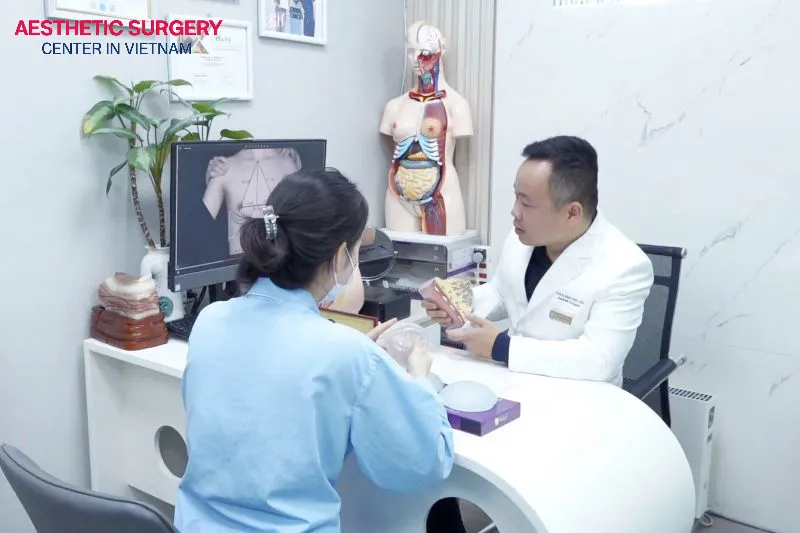
Important Note: Never apply hot compresses, take unprescribed painkillers, or aggressively massage the breast to “soften” it if you suspect capsular contracture. Only a board-certified plastic surgeon can provide an accurate diagnosis via clinical examination or ultrasound and recommend a safe, effective treatment plan.
Other breast implant-related procedures and treatments
Throughout the lifespan of a breast implant, the surrounding breast tissue naturally undergoes changes driven by aging, weight fluctuations, and childbirth. Additionally, implants have a recommended medical lifespan. Below are common surgical procedures and advanced treatments used to maintain, refine, or address implant-related concerns:
- Implant Removal: This procedure completely removes the breast implants and, when necessary, the surrounding fibrous capsule (en bloc or total capsulectomy). It is recommended for patients who no longer desire implants or those experiencing severe complications such as implant rupture, infection, or high-grade capsular contracture.
- Implant Exchange: This surgery removes existing implants and replaces them with a new pair. It is typically performed to resolve issues like implant displacement or rupture, replace implants reaching the end of their lifespan, or satisfy a patient’s wish to adjust their breast size.
- Breast Lift:Excises redundant skin, reshapes glandular tissue, elevates the breast structure, and repositions the nipple-areola complex. This approach suits breasts that have sagged due to aging, pregnancy, or significant weight loss while the patient still wishes to keep implants.
- Composite Breast Augmentation: Combines implant placement with autologous fat transfer around the implant borders. It is ideal for patients with thin native tissue prone to implant show or rippling, or those seeking a softer, more seamless natural contour.
- Inframammary Fold (IMF) Lowering: Repositions the natural breast crease downward to restore proper symmetry. This is applied when the surgical pocket is constricted, the implant sits too high, or noticeable asymmetry exists in the lower pole.
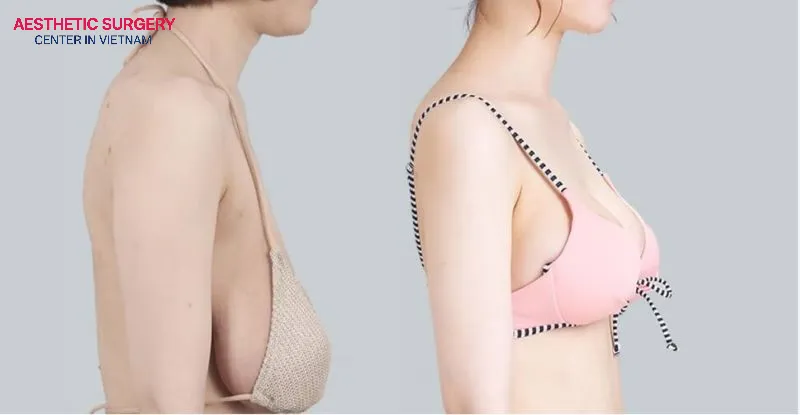
Learning how to massage breasts after implant surgery with the correct technique and at the right time helps implants settle nicely, preserves natural softness, and minimizes the risk of capsular contracture. Always follow the specific post-operative recovery protocol provided by your board-certified plastic surgeon.










Comment on the post