



Saline breast implants FDA approval marked an important milestone in cosmetic surgery. It provided an effective option for millions of women who want to improve their breast shape. Understanding medical standards, how the implants work, and regulatory requirements helps patients make safer decisions that suit their bodies. Explore the article below to learn more about this approval.
Overview of FDA approval for saline breast implants
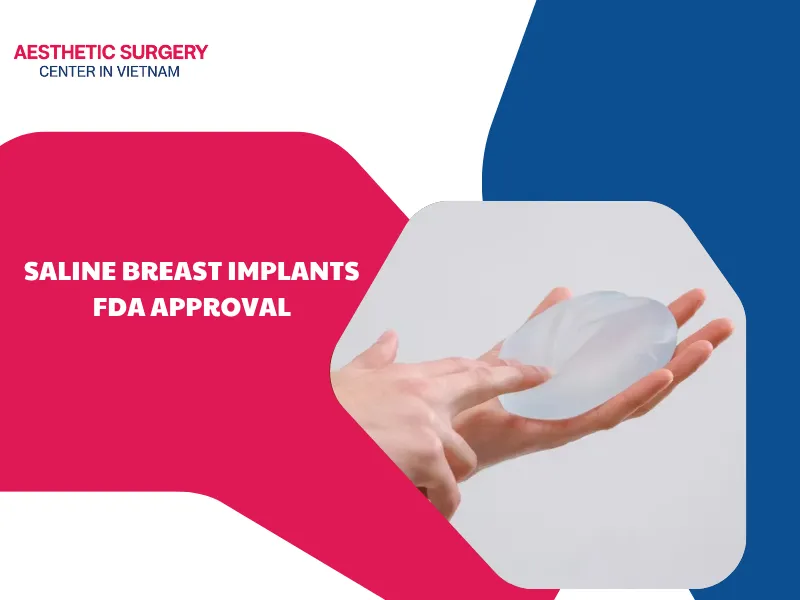
Saline breast implants FDA approval officially took effect in 2000 for cosmetic breast augmentation in women aged 18 and older. This approval opened a new chapter in cosmetic surgery. It provided another option for individuals who want to improve their figure.
The approval process required strict clinical trials to demonstrate the safety of saline breast implants before they became widely available on the international market. Health regulatory authorities place patient safety as a top priority. They carefully evaluate the technical specifications of each breast implant.
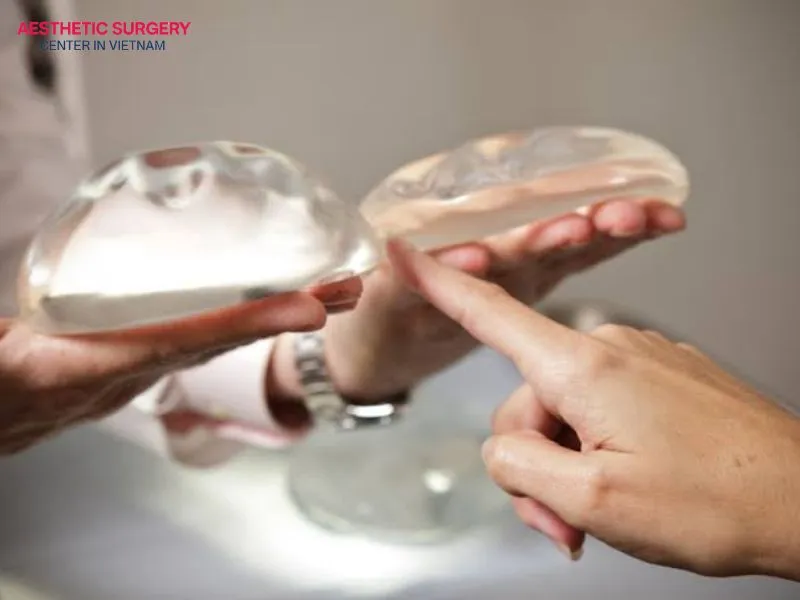
Guidance from regulatory authorities is continuously updated to closely monitor the quality of breast implants throughout their lifespan. The development of this type of breast implant in the international medical market has gone through many stages of technological improvement. These improvements range from shell materials to sterile manufacturing processes.
Under current regulations, the minimum age is 18 for saline breast implants and 22 for silicone gel breast implants. This gives younger patients greater access to medical services that meet their individual needs. Learning about improvements in breast implant technology helps patients better understand their effectiveness and the reliability of this cosmetic procedure.
Structure and mechanism of action of saline breast implants
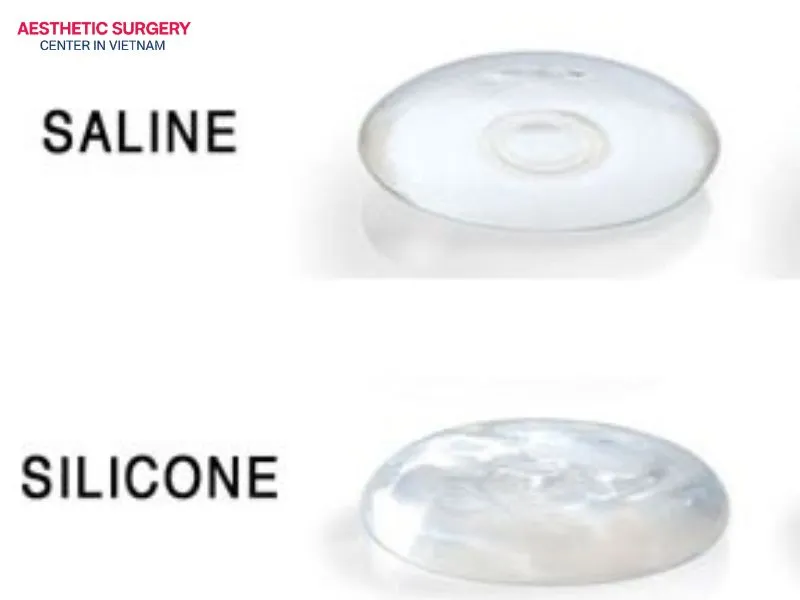
Saline breast implants consist of a flexible silicone shell filled with sterile saline solution. This design creates a stable structure while maintaining relative softness when the implant is placed inside the breast pocket.
Composition of the saline solution
The fluid inside the breast implant is a 0.9% NaCl solution similar to intravenous saline used in medical care. This solution is biocompatible with the human body. Therefore, it does not cause harmful reactions in the body if the implant leaks. The safety of saline solution has been demonstrated through many years of use in various medical fields, not only in breast augmentation surgery.
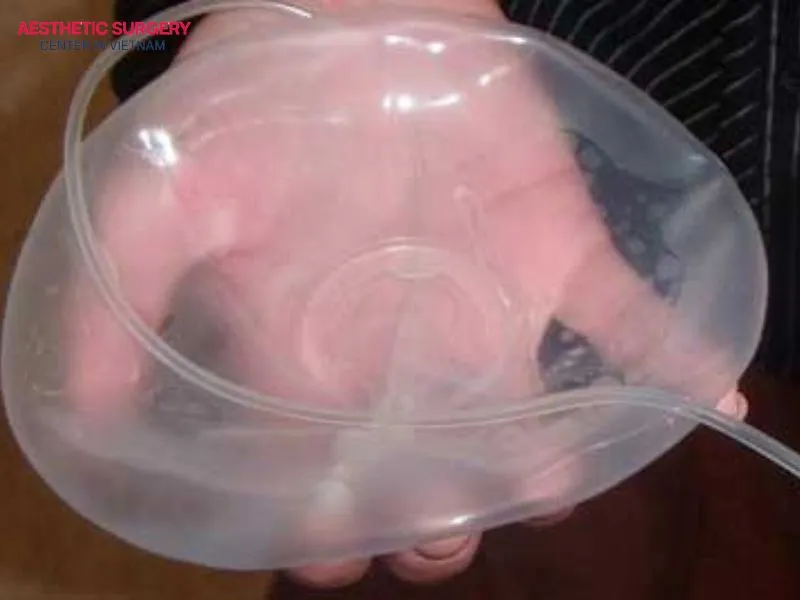
Intraoperative volume adjustability
The ability to adjust implant volume during surgery provides a major advantage for patients with congenital breast asymmetry. The breast augmentation surgeon can fill each implant with an appropriate amount of saline to create better balance before closing the incision. This direct filling method can also allow for a smaller incision when inserting the breast implant compared with placing a pre-filled implant of a fixed size.
Safety benefits and advantages of saline breast implants
The safety and aesthetic benefits of saline breast implants have been demonstrated, helping many women achieve their desired breast shape while minimizing potential breast augmentation risks and complications. Explore the key advantages of breast augmentation with this type of implant below:
Immediate detection of implant rupture
The ability to detect a leak immediately through visible loss of implant volume without an MRI is a major advantage of saline breast implants. Women can notice changes in the implant at home without paying for complex diagnostic imaging. When a saline breast implant leaks, the saline solution is naturally absorbed by the body. This eliminates concerns about the implant fluid spreading into surrounding tissues.
Natural absorption by the body
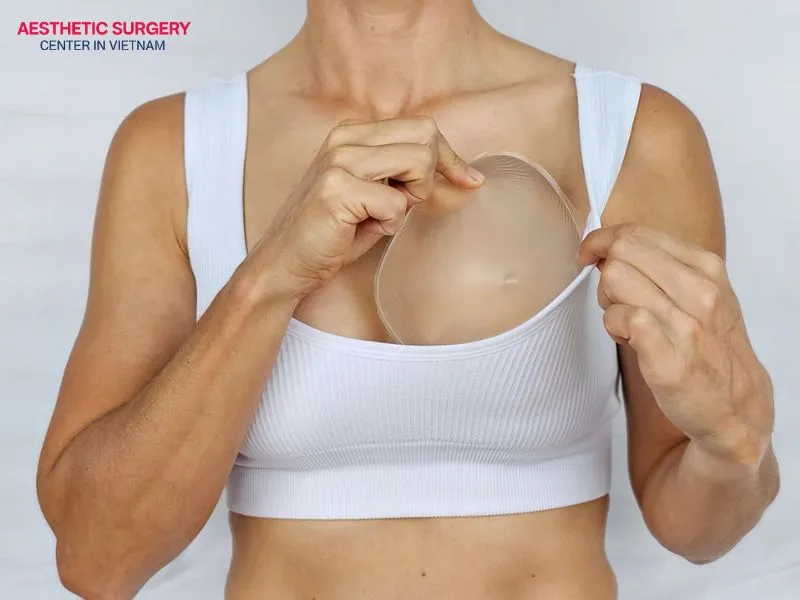
When saline solution leaks from the breast implant, it is processed by the body’s excretory system and quickly eliminated through urine. The body does not experience serious rejection or allergic reactions to this solution because its chemical properties are similar to natural body fluids. Therefore, medical treatment is not required to remove the leaked saline solution.
It is clear that not having to rely on advanced medical equipment such as MRI scanners can save patients significant time and effort when monitoring their health.
Costs and surgical requirements
Saline breast implants are generally more affordable than other implant options on the market. Surgeons also follow strict sterile procedures and breast pocket dissection techniques to support the long-term stability of the implants after placement.
The cost of saline breast implants is often significantly lower than traditional silicone gel implants. This can reduce the financial burden for patients. Choosing saline implants may therefore help reduce both the initial implant cost and long-term medical monitoring expenses. Implant rupture can often be detected immediately because the implant visibly deflates. This provides greater peace of mind during daily life.
Considerations and limitations
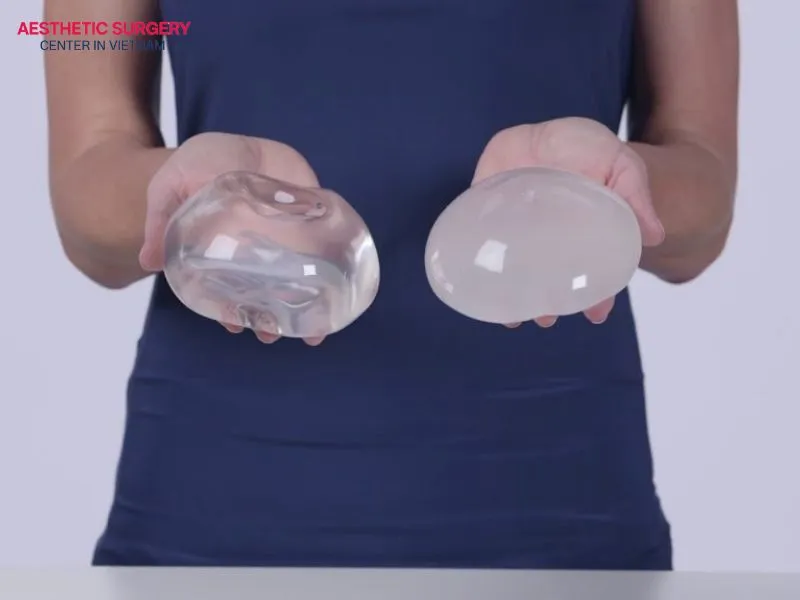
Understanding each patient’s anatomy plays an important role in choosing the right type of breast implant and minimizing unwanted aesthetic risks.
Risk of visible rippling in patients with thin breast tissue
Patients with a slim body type should receive careful consultation about the possibility of visible rippling on the breast surface. The risk of rippling is higher in individuals with little natural breast tissue or thin skin covering the implant. This issue often occurs when the implant is placed above the pectoral muscle. The folds of the implant may be felt or become visible under strong lighting.
Visible folds are most common with above-muscle placement in thin patients who have little natural fat for coverage. Surgeons often place the implant under the pectoral muscle to provide a thicker layer of coverage. This technique helps minimize visible rippling on the skin surface.
Implant firmness compared to natural tissue
Saline breast implants are considered less natural in firmness than silicone gel implants. They often feel firmer when the breasts are touched. Breasts with saline implants usually feel firmer and less soft than those with newer gel implants. Therefore, patients should carefully consider this characteristic if they prioritize a soft and natural feel similar to real breast tissue.
Longevity and implant replacement procedures
The durability of breast implants is affected by the placement technique, physical activity, and the body’s natural fibrous tissue response. There is no fixed time when breast implants must be replaced if they continue to maintain their shape and internal structure. Signs that may require medical attention include unusual changes in breast shape, noticeable asymmetry, or sudden loss of implant volume due to shell rupture. Annual health checkups with a specialist are recommended to ensure that no potential problems develop.
Factors affecting implant durability
Strong chest muscle movements during high-intensity sports can create repeated friction against the breast implant shell. In addition, the formation of a fibrous capsule around the breast implant is a natural biological response. It can affect the shape and softness of the breasts over time.

Signs indicating the need for replacement surgery
A sudden difference in size between the two breasts is the clearest sign that a saline breast implant may be leaking. Patients should also see a surgeon immediately if they experience persistent breast pain or unusual changes in breast shape.
The steps for replacing old breast implants in the operating room include general anesthesia, reopening the previous incision, removing the old implant, cleaning the breast pocket, and placing the new implant in the correct position. This procedure requires precision and a high level of surgical skill. It helps avoid damage to surrounding tissues and ensures patient safety.
Latest FDA safety regulations
Regulatory documents related to saline breast implants are continuously updated with testing standards for manufacturers to improve implant safety. Regulatory authorities require manufacturers to provide complete long-term clinical trial data before new products can be approved for the international market. Mandatory detailed labeling helps patients understand potential risks. This allows them to make informed decisions before undergoing surgery.
Regulatory guidance has continued to be updated since 2020. These updates reflect efforts to standardize the management of cosmetic breast implants. The responsibilities of medical facilities for long-term postoperative monitoring have also become stricter to better protect patients throughout their treatment. Strict compliance with these regulations helps create a safer and more transparent medical environment.
Saline breast implants FDA approval demonstrates the safety and effectiveness of this cosmetic procedure over time. Having sufficient knowledge about different types of breast implants helps you take a more active role in protecting your health and maintaining long-term aesthetic results. If you want to improve your breast shape, contact a qualified surgeon for detailed advice. If you are unsure which reputable breast augmentation facility to choose in Vietnam, you can consider the services at Aesthetic Surgery Center in Vietnam.















Comment on the post