



Tired of ineffective hair products and thinning hair? An artificial hair transplant offers an instant transformation in just a few hours. This advanced method quickly covers bald patches, fully restoring your thick hair look and boosting your confidence in every social interaction. So, what exactly is a synthetic hair transplant? What are the benefits, costs, and what does the procedure involve? This article will provide you with all the detailed answers.
What is an artificial hair transplant?
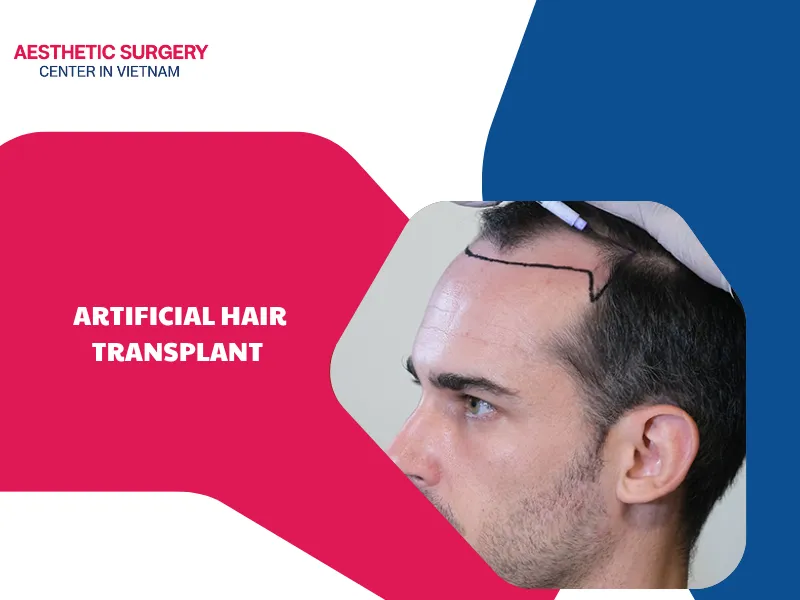
Artificial hair transplant, also known as bio-fiber hair transplant, is a non-surgical cosmetic procedure that uses synthetic fibers to be implanted directly into the scalp. This method utilizes pre-made hair strands available in various lengths, colors, and styles to cover bald or thinning areas. These strands typically feature a knot structure at the base to ensure they are securely anchored into the subcutaneous tissue. This provides immediate aesthetic results, allowing the individual to quickly achieve a thick head of hair without having to wait for hair follicles to grow and develop.
What are the benefits of an artificial hair transplant?
Below are the prominent benefits of the synthetic hair transplant method, helping you understand why this service remains a top choice for those looking to transform their appearance quickly:
Immediate aesthetic results
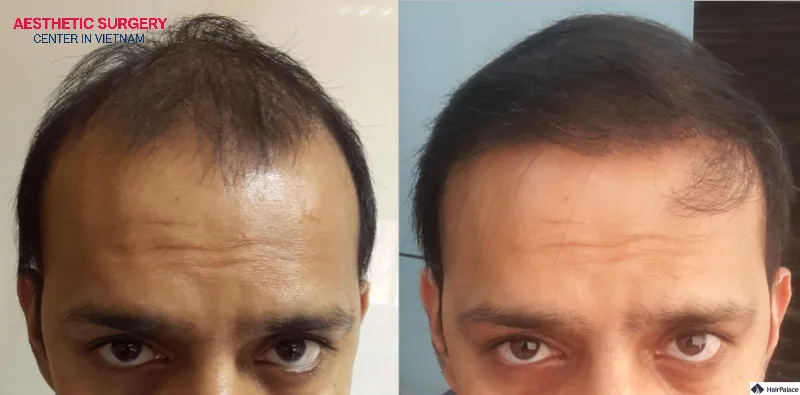
The greatest advantage and most distinct difference of an artificial hair transplant is speed. Immediately after a procedure lasting just a few hours, you will possess a thick head of hair that completely covers balding areas. This is in stark contrast to an autologous hair transplant (using your own hair follicles), which typically requires 6 months to a year for the real follicles to grow and produce a noticeable change.
Gentle, non-surgical procedure
An artificial hair transplant is classified as a non-surgical aesthetic procedure that does not require scalp dissection or stitches. Because it avoids deep invasive maneuvers, the process is very gentle and only requires local anesthesia. This minimizes pain and anxiety for the client while limiting surgery-related complications.
Unlimited quantity and density
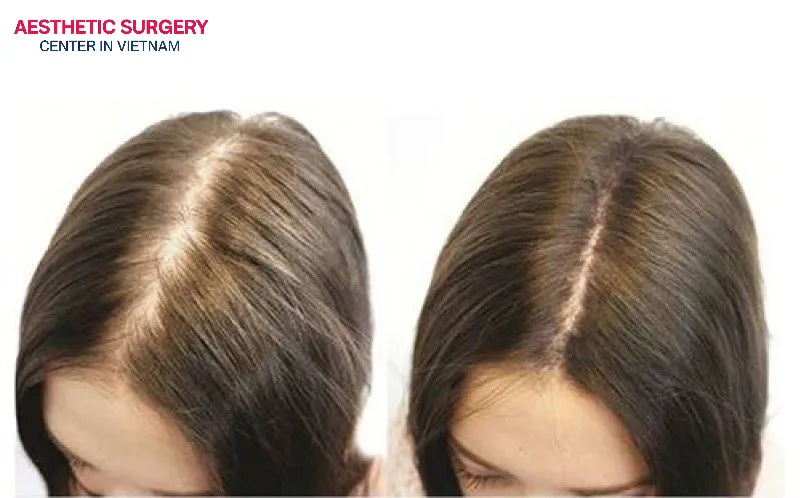
With natural hair transplants, results depend entirely on the density of the remaining hair in your donor area (the back of the neck). In contrast, synthetic hair transplant allows you to choose as many hair strands as you like to achieve your desired thickness. This method is particularly beneficial for individuals with extensive baldness or those whose donor hair is too sparse to support traditional transplant surgeries.
Rapid recovery time
Since the procedure does not involve major incisions, patients can return to work and their daily routines almost immediately. There is no need for heavy bandaging or waiting weeks for wounds to heal. It is an ideal choice for busy individuals who cannot afford lengthy downtime but still want to enhance their appearance quickly.
Flexible styling and color options
Artificial hair fibers are manufactured in a wide variety of colors, lengths, and styles. This makes it easier for doctors to select the fibers that most closely match your remaining natural hair, ensuring a seamless visual harmony without the need to wait for hair growth. This advantage is a key highlight of the artificial hair transplant procedure, providing immediate aesthetic results.
Who is eligible for a synthetic hair transplant?
While an artificial hair transplant offers numerous benefits, it is not a “one-size-fits-all” solution. To ensure safety and effectiveness, you should understand the specific eligibility criteria below:
- Individuals with extensive balding or thinning: Ideal for those with large bald areas where the supply of natural donor follicles is insufficient for a traditional transplant.
- Those seeking non-invasive options: Since this is a medical procedure rather than a major surgery, it is perfect for individuals who want to avoid scalp strips or follicle extraction.
- People in stable health: Candidates should not have uncontrolled chronic conditions such as severe diabetes, high blood pressure, or autoimmune and blood-related disorders.
- A healthy scalp: The target area must be free from infections, fungal issues, psoriasis, or open wounds.
- Successful compatibility testing: Patients must show a positive reaction during a “patch test” (where a small number of synthetic fibers are implanted first to ensure the body does not reject them).
- Individuals desiring immediate results: Perfect for those who want an instant transformation without waiting 6–12 months for natural hair to grow.
Note: Individuals experiencing active hair loss due to progressing underlying diseases or women who are pregnant are typically advised to postpone this procedure.
What is the artificial hair transplant procedure?
The synthetic hair transplant process is typically performed under strict medical standards to ensure aesthetic results and minimize the risk of rejection. Below are the fundamental steps:
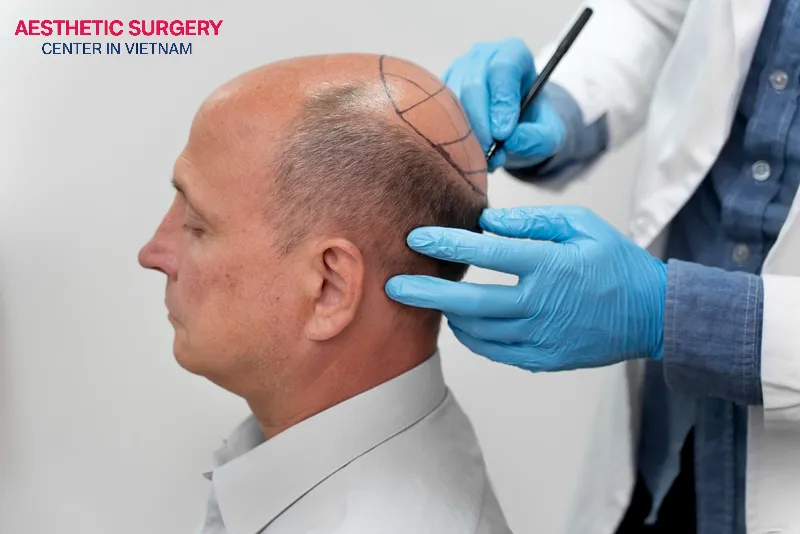
Step 1: Consultation and examination
A specialist will perform a scalp analysis to evaluate the degree of hair loss and current hair density. During this stage, you will select the color, length, and texture of the fibers to ensure they match your natural hair as closely as possible.
Step 2: Compatibility test
This is a crucial step. The doctor will perform a trial implant of a small number of fibers (approximately 50–100 strands) into the target area. If there is no rejection, inflammation, or irritation after 2–4 weeks, the full procedure will proceed.
Step 3: Disinfection and local anesthesia
To ensure the patient feels no pain or discomfort, the scalp is thoroughly disinfected, and a local anesthetic is administered to the treatment area.
Step 4: Performing the artificial hair transplant
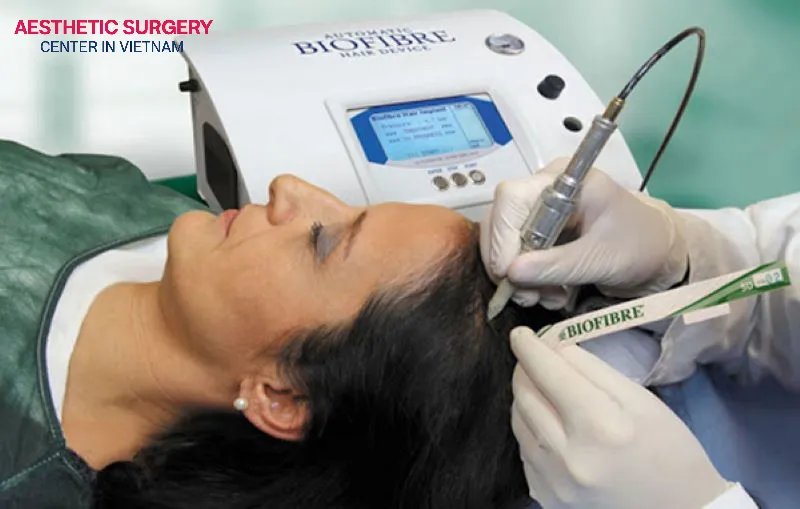
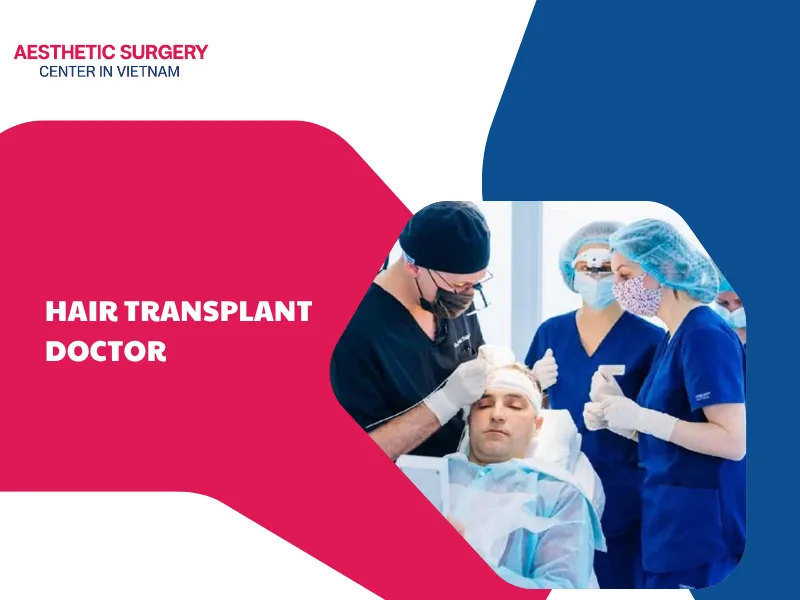
Using a specialized medical device, the doctor inserts each bio-fiber deep into the scalp. Each artificial hair features a unique knot at the base to anchor it firmly into the subdermal tissue. The doctor carefully calculates the growth direction and implantation angle to ensure the final result looks completely natural.
Step 5: Post-Procedure sanitization and care
Once the required number of fibers has been implanted, the scalp is cleaned with a specialized antiseptic solution. The doctor will then provide instructions on how to wash your hair, use anti-inflammatory medication, and schedule follow-up appointments.
What are the risks and side effects of an artificial hair transplant?
While an artificial hair transplant provides immediate aesthetic results, the nature of introducing a foreign object into the body means this method carries significantly more risks and hair transplant side effects compared to a natural hair transplant.
Rejection and allergic reactions
This is the most common risk because the body identifies the bio-fiber as a foreign object. The immune system may react by causing prolonged swelling, redness, or itching in the transplanted area. If the body is incompatible, it will attempt to expel the fibers, leading to mass shedding of the artificial hair shortly after the procedure.
Infection and folliculitis
The process of inserting fibers deep into the scalp creates micro-injuries. If the procedure or post-operative care is not hygienic, bacteria can easily invade and lead to an infected hair transplant follicle. This causes inflammation and pustules around the base of the artificial fibers, which is not only painful but also carries the risk of permanent scarring and damage to surrounding natural hair follicles.
Scar tissue formation and scalp fibrosis
Maintaining the knots of artificial fibers in the scalp over a long period can stimulate excessive connective tissue growth, leading to fibrosis. The scalp in the treated area may become stiff, uneven, or develop tiny pitted hair transplant scars. This not only affects aesthetics but also makes it extremely difficult if you later decide to switch to a natural hair transplant method.
Clogged pores and natural hair loss
The presence of synthetic fibers in the pores can obstruct the natural secretion of sebum. When sebum and dead skin cells accumulate without proper hygiene, they clog the pores and lead to seborrheic dermatitis. If prolonged, this condition weakens the remaining natural hair follicles, causing them to fall out faster than usual.
High annual shedding rate
Unlike natural hair, which can recover and regrow, artificial hair gradually sheds over time due to physical impact or the scalp’s natural rejection process. Typically, the shedding rate can reach 15% – 20% per year. To maintain hair density, patients are forced to undergo periodic supplementary sessions, leading to high costs and increasing pressure on an already compromised scalp.
How much does an artificial hair transplant cost?
The cost of an artificial hair transplant is typically calculated based on the number of hair fibers implanted or as a package deal based on the level of baldness. In Vietnam, the price usually ranges from 40,000 VND to 70.000 VND per fiber. For a common procedure to cover a small bald patch or increase hair density, the total hair transplant cost generally falls between 45 million and 100 million VND.
This wide price range is due to several factors, such as: The number of fibers implanted, the length and style of the hair, and the specific technology and materials used.
Recovery and aftercare tips for synthetic hair transplant
The post-operative care phase is crucial to the success of the surgery, helping to minimize rejection rates and keep the synthetic fibers looking their best. Here are some essential tips for a quick hair transplant recovery and effective maintenance:
- Keep completely dry for the first 24-48 hours: Avoid letting water touch the treated scalp area to allow the small pores time to close and the knots to stabilize.
- Wash your hair gently: After 2 days, you can wash your hair with a neutral shampoo or a specialized antiseptic solution prescribed by your doctor. Use only your fingertips to pat gently; absolutely do not scratch, pick, or rub the area.
- Avoid heat and chemicals: Do not use hair dryers on high heat settings, and avoid perming, dyeing, or chemical styling on the implanted area for at least the first 4-6 weeks.
- Limit tight headwear: Wearing helmets or caps for too long can cause sweating and friction, increasing the risk of folliculitis (inflammation of the hair follicles).
- Avoid strenuous exercise: Skip high-intensity workouts or swimming for the first 2 weeks to prevent sweat and bacteria from entering the treated site.
- Follow medication strictly: Take all antibiotics, anti-inflammatories, and anti-swelling medications as prescribed to prevent infection and rejection reactions.
- Nutrition: Limit foods that may cause irritation or scarring, such as water spinach, sticky rice, seafood, and don’t use tabacco and alcohol after hair transplant.
- Regular follow-ups: Visit your doctor as scheduled to check the attachment of the fibers and address any signs of redness or pustules promptly.

Real hair transplant vs. artificial hair transplant
There are distinct differences between autologous hair transplants (using your own hair) and synthetic hair transplants. Therefore, choosing between the two depends heavily on individual needs, scalp condition, and budget. Below is a detailed comparison table to provide an objective view and help you make the right choice:
| Criteria | Autologous hair transplant | Artificial hair transplant |
| Technique | Extracting healthy hair follicles from your own scalp (usually the back of the head) to implant into bald areas. | Using synthetic fibers with a structure similar to real hair to be inserted into the scalp. |
| Aesthetic Result | Requires time: Hair will shed and regrow after 3-6 months. Best results are seen after 1 year. | Instant: You achieve a thick head of hair immediately after the procedure (2-3 hours). |
| Natural Appearance | Very high: Real hair that grows, can be trimmed, curled, dyed, and styled freely. | Moderate: Consistent color but cannot grow longer. Upon close inspection, the artificial roots may be visible. |
| Safety Level | Absolutely safe: Since it is your own hair, there is no risk of rejection or allergic reactions. | Risk involved: The body may reject foreign objects, causing dermatitis, itching, or pustules. |
| Sustainability | Permanent: Once the hair grows, it remains for a lifetime just like normal hair. | Temporary: Sheds about 15-20% per year. Requires periodic “top-ups” to maintain density. |
| Cost | Higher initial investment (typically 40 – 150 million VNĐ). | Lower for small quantities, but incurs annual maintenance costs. |
Overall, an artificial hair transplant is an ideal solution for busy individuals who desire thick, beautiful hair without the wait. Although limitations regarding permanence remain, modern bio-fiber technology has significantly minimized the risks. Don’t let concerns about thinning hair or baldness stand in the way of your career and happiness. If you are still concerned about scalp compatibility or require a personalized treatment plan, please contact our experts for an in-depth examination and consultation.











Comment on the post