



After a hair transplant, many people wonder if they can wear a hat to cover the sensitive and cosmetically uneven scalp. While wearing a hat may seem harmless, doing so incorrectly can directly affect the growth of new hair follicles. So, can you wear a hat after hair transplant, and how long should you wait? Aesthetic Surgery Center in Vietnam explores this in detail in the article below.
Can you wear a hat after hair transplant?
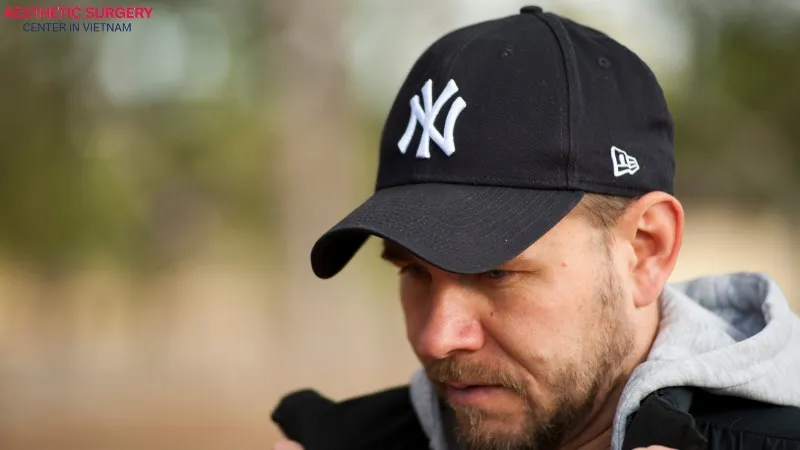
After a hair transplant, you should avoid wearing a hat during the first few days. At this stage, the scalp is still very sensitive, and the new follicles have not yet firmly anchored. Wearing a hat too soon can cause friction, damage the transplanted area, dislodge follicles, or lead to infection due to trapped sweat and lack of ventilation.
During the first two weeks, do not wear a fully enclosed helmet. If you need to go outside, you can protect yourself from the sun with an umbrella or a wide-brimmed, open hat, making sure it does not touch the newly transplanted area.

>>> See more: Fut and fue hair transplant difference
How long after hair transplant can I wear a hat?
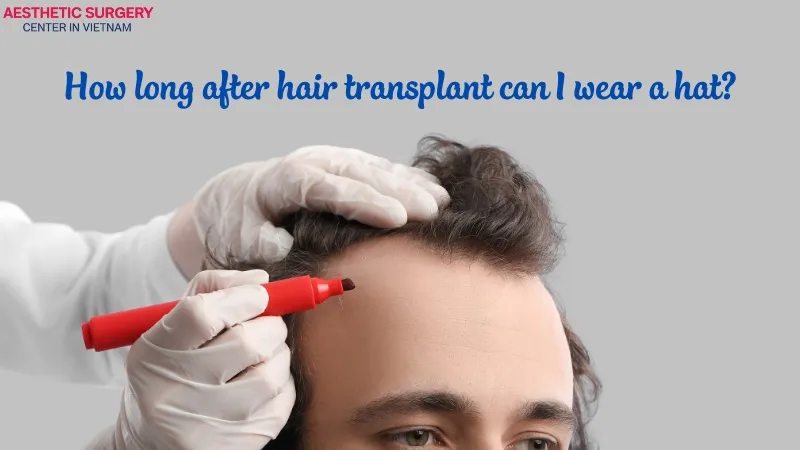
Wearing a hat too soon after a hair transplant can displace, damage, or cause infection in the new follicles due to trapped sweat. If you are wondering, “can you wear a hat after hair transplant,” you can generally start doing so around 10–14 days after the procedure. The initial period is critical because the follicles are not yet firmly anchored. Wearing a hat too early can create friction or pressure, dislodging follicles, causing inflammation, or affecting hair growth. After 10–14 days, once your surgeon confirms that the transplanted area is stable, you can wear a hat again.
After 10–14 days, once your surgeon confirms that the transplanted area is stable, you can wear a hat again. Choose a wide, soft, breathable hat that does not touch the transplanted area directly, and avoid fully enclosed helmets until the scalp has fully healed.
>>> See more: When can I wash my hair after a hair transplant?
What types of hats can you wear after a hair transplant?
Once your transplanted area has stabilized, you can start wearing a hat to protect your scalp from sun, dust, and environmental factors. Choosing the right type of hat is important to avoid damaging the new follicles. Here are the recommended options:
- Wide-brimmed sun hat: Comfortable and breathable, it does not put pressure on the scalp. Choose a soft, lightweight material that absorbs sweat well to reduce heat and moisture buildup.
- Bucket hat: Loose-fitting with good coverage, it protects against sun and wind while allowing airflow.
- Wide-brimmed hat: Ideal for sunny outdoor conditions, providing shade for the transplanted area without direct contact with the scalp.
- Bandana or thin scarf: Can be used to lightly cover the hair when needed, as long as it is not tied tightly or rubbed against the scalp.
- Knitted hat: Suitable for cold weather only. Choose a soft, slightly stretchable material and avoid tight-fitting hats that can trap heat or restrict airflow.
Proper hair transplant aftercare
Proper care after a hair transplant is essential to help the new follicles adapt, anchor securely in the scalp, minimize shedding, and achieve optimal aesthetic results. Here are key guidelines to follow for a smooth hair transplant recovery:
- Keep the transplanted area clean and dry during the first 3–5 days. Do not wash, touch, or rub the scalp.
- After 3–5 days, you can use saline solution to soften scabs or a gentle shampoo as directed by your surgeon.
- Limit going outdoors during the first week to protect the transplanted area from sun, dust, and physical contact. If necessary, use an umbrella or a wide-brimmed hat; avoid fully enclosed hats.
- Sleep on your back with your head slightly elevated in the first few days to reduce swelling, and avoid contact or friction with pillows.
- Avoid strenuous activities and excessive sweating for at least 10 days, as sweat can increase the hair transplant risks of infection.
- Do not consume alcohol, tobacco, or excessive caffeine, as these can reduce blood circulation, affecting healing and new hair growth.
- Follow-up after 10–14 days is recommended for your surgeon to check the scalp, provide further care instructions, and remove any remaining hair transplant scabs if necessary.
Proper aftercare not only keeps the scalp clean and protected but also plays a crucial role in the success of hair regrowth. Always follow your surgeon’s instructions and avoid any self-intervention if you notice unusual symptoms.

In conclusion, following proper aftercare instructions after a hair transplant not only speeds up recovery but also ensures that the new hair grows healthy, natural, and strong. Many patients wonder, “can you wear a hat after hair transplant?” and with the guidance from Aesthetic Surgery Center in Vietnam on this specific topic, we hope you now have useful knowledge to protect your scalp. Caring for your transplanted hair correctly ensures a safe recovery and helps you achieve the desired aesthetic results.
>>> See more: How long does a hair transplant take?













Comment on the post