


With the philosophy: “A safe surgery does not only depend on the surgeon’s technique but also on the entire sterile system behind it.” Therefore, to ensure patient safety, the team of surgeons at Seoul Center has established a strict infection control and sterilization procedure for every cosmetic surgery service provided to patients.
Importance of infection control and sterilization procedures
It can be said that infection control and sterilization procedures are not only a mandatory medical standard of the Ministry of Health, but also determine the success of a cosmetic surgery. Any failure or breach in this process can lead to serious consequences for the health and aesthetic results of both the patient and the surgical team.
Detailed importance of this procedure:
- Prevent infection
- Ensure a sterile surgical environment
- Avoid dangerous complications
- Prevent cross-contamination risks
- Increase post-operative safety
- Control infection-related complications
- Standardize operations according to medical requirements
Core principles of the process
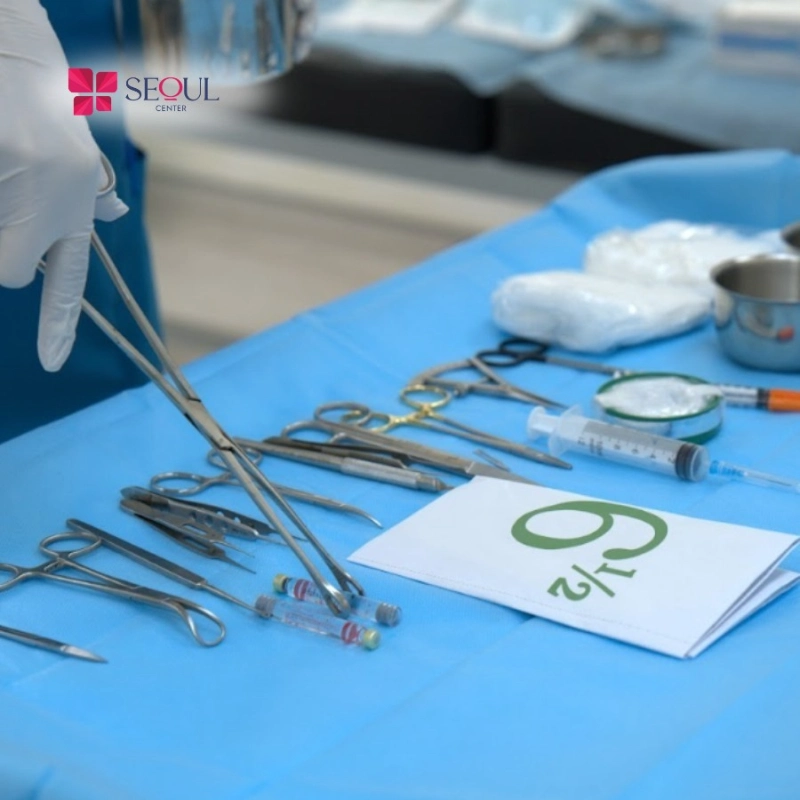
To achieve absolute sterility, a closed-loop procedure must follow the following core principles:
- One-way sterilization workflow
- Clear separation of clean and contaminated zones
- Continuous infection control before, during, and after surgery
- Ensure safety for both patients and surgical staff
Infection control and sterilization procedure in cosmetic surgery
Based on the core principles above, the team of surgeons and specialists at Seoul Center has established a highly strict infection control and sterilization procedure. This procedure is currently implemented at Seoul Center Aesthetic Hospital. Details are as follows:
One-way sterilization procedure
- Step 1 – Receiving used instruments: Instruments after surgery are collected in a sealed, lidded container.
- Step 2 – Sorting: Separate surgical instruments, sharp tools, fabrics, and medical waste.
- Step 3 – Soaking disinfection: Soak in enzyme solution/Hexanios at the correct concentration and standard time.
- Step 4 – Manual cleaning: Clean under running water using specialized medical brushes.
- Step 5 – Ultrasonic cleaning: Instruments with small crevices are processed using an ultrasonic cleaner.
- Step 6 – Drying: Fully dry instruments before packaging to prevent moisture retention.
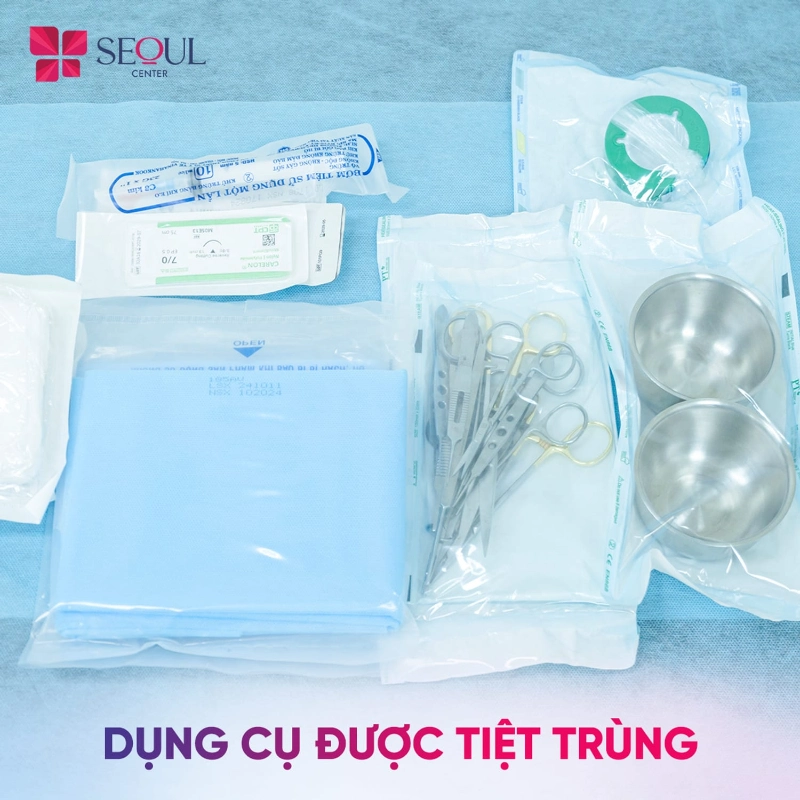
- Step 7 – Sterile packaging: Pack separately for minor and major surgical instrument sets.
- Step 8 – Sterilization: Autoclave using Class B sterilizer at standard temperature and pressure.
- Step 9 – Indicator check: Check chemical indicator color change and verify sterilization performance through Bowie-Dick testing and biological monitoring according to protocol.
- Step 10 – Sterile storage: Sterile instruments are stored in dedicated sterile storage cabinets under controlled conditions.
Pre-operative Sterilization Procedure
The purpose of correctly performing the pre-operative sterilization procedure is to create and maintain an absolutely safe environment, free from any presence of pathogenic microorganisms. Specifically, the pre-operative sterilization procedure at Seoul Center Aesthetic Hospital Company is as follows:
For the surgical team
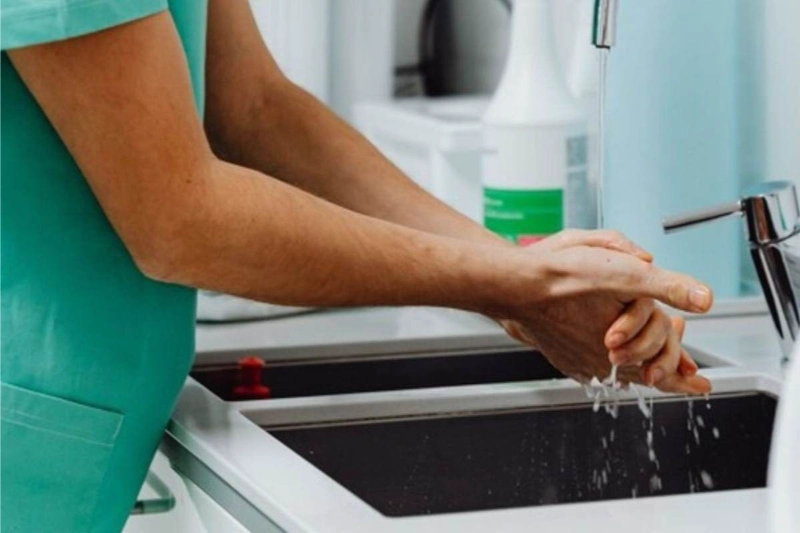
- Proper surgical hand scrubbing according to protocol
- Wearing sterile surgical attire
- Wearing sterile gloves using correct technique
- Setting up a sterile Mayo table
For the patients
- Disinfection of the surgical area
- Covering with sterile surgical drapes
- Checking markings and the intervention area
- Checking instruments before anesthesia administration
Operating Room Control
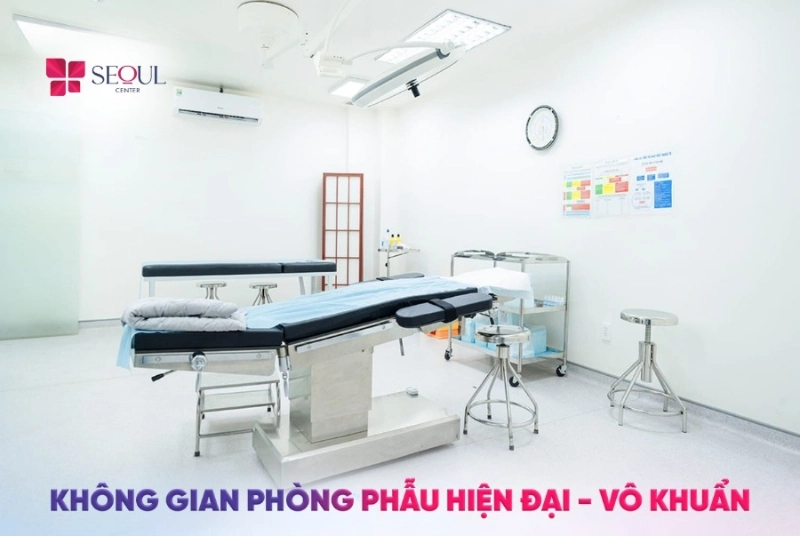
This is a highly important activity in cosmetic surgery procedures. Operating room control helps eliminate infection sources from the air environment, strictly regulate physical parameters to maintain stable body temperature for patients before entering the room, suppress bacterial growth, and create a comfortable surgical environment for the medical team.
If the operating environment does not meet standards, all efforts in instrument sterilization or skin disinfection of the surgical area become meaningless.
Below are the items and standards for operating room control at Seoul Center Aesthetic Hospital Company:
| Category | Standard |
| Zoning | Clean area – intermediate area – separate contaminated area |
| Room pressure | Positive-pressure ventilation is maintained to minimize airborne contamination and support infection prevention. |
| Air system | Equipped with a controlled ventilation system, air filtration, air exchange mechanisms, and temperature regulation. |
| Operating room surfaces | Disinfected regularly before and after each procedure |
| Surgical lights | Disinfect the lamp handles before each procedure |
| Operating table | Thoroughly disinfect all surface areas |
| Staff | Fully equipped with masks, caps, surgical gowns, and sterile gloves |
| Access control | Restrict entry of unrelated personnel into the operating room |
Surgical instrument control
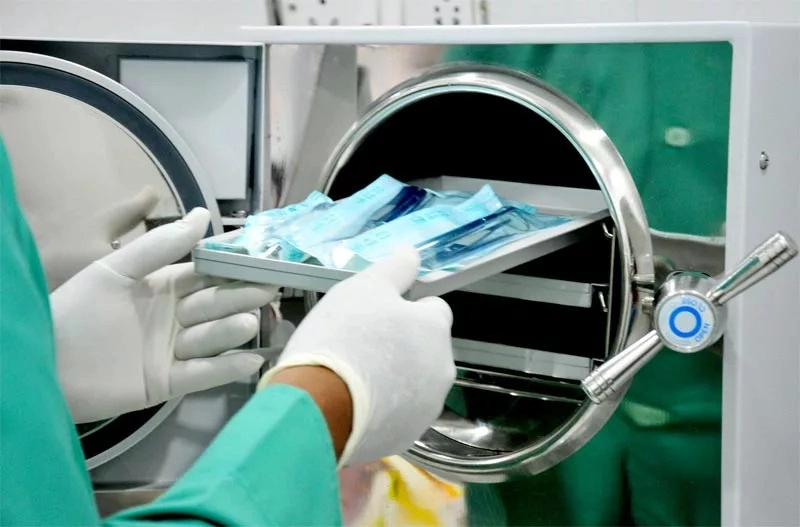
Strict control of surgical instruments before performing any cosmetic surgery helps completely prevent the risk of infection and cross-contamination. It also ensures the readiness and accuracy of medical supplies, allowing surgeons to operate smoothly, quickly, and optimize surgical time.
Specifically, instruments at Seoul Center are strictly controlled through the following procedures:
| Instruments | Sterilization method |
| Surgical instrument set | Sterile-packed per set |
| Rhinoplasty set | Individually sterile-packaged for each set of instruments |
| Eyelid surgery set | Individually sterile-packaged |
| Electrocautery machine | Disinfected before and after each procedure |
| Bone drill handpiece | Disinfection, oil lubrication, and autoclave sterilization |
| Surgical drapes | Used individually for each patient |
| Surgical gowns | Autoclaved separately for each set |
Post-operative control
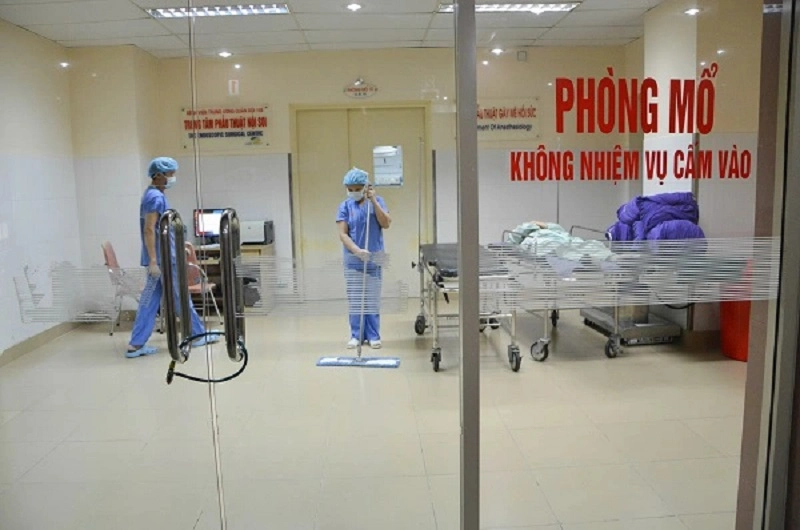
Post-operative control is a highly important activity after the completion of a cosmetic surgery procedure. It helps thoroughly clean and disinfect the environment and ensures transparency and proper documentation after each surgery. The post-operative control process at Seoul Center is as follows:
- Collect medical waste according to regulations
- Separate sharp instruments
- Disinfect the entire operating room
- Disinfect the recovery bed
- Replace all drapes, towels, and gowns
- Clean the suction system
- Record sterilization and operation logs
The strictness and rigor of the infection control and sterilization procedures in cosmetic surgery at Seoul Center Aesthetic Hospital Company are the strongest proof that the brand always places customer safety as its top priority. Therefore, customers can feel confident and entrust their choice, using services at Seoul Center without concerns about risks. Contact us via hotline 1800 3333 for answers to your questions and more detailed consultation about our services.









Comment on the post