



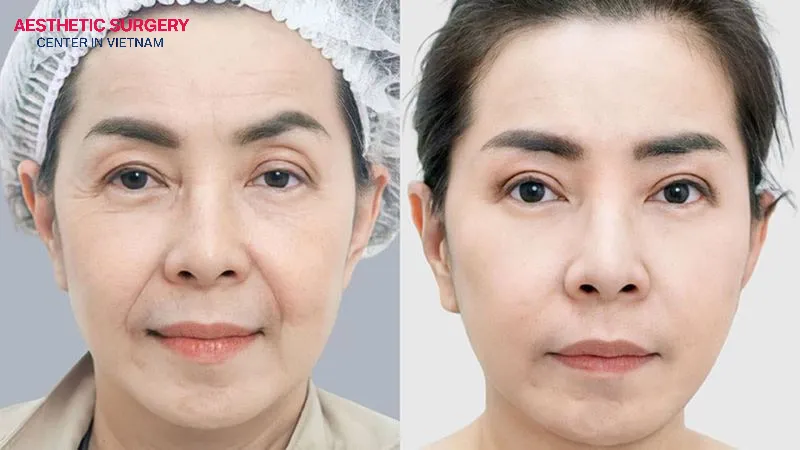
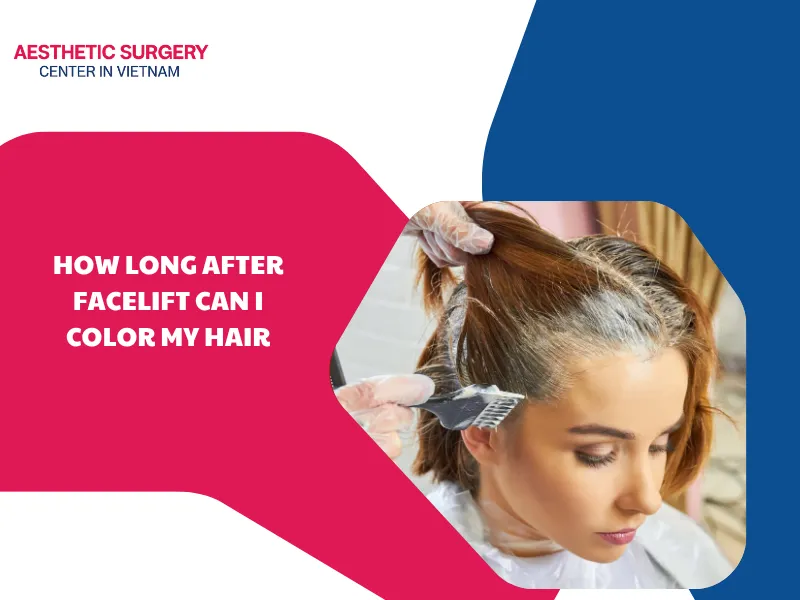
Facelift surgery is a fantastic solution that helps women quickly regain smooth skin and a radiantly youthful appearance. After achieving a refreshed face, many women choose to change their hair color to make their new look stand out even more. However, the scalp and the incision lines around the ears and hairline remain highly sensitive to the chemicals found in hair dyes during this time. So, exactly how long after facelift can I color my hair safely without compromising the recovery process? This article will help you find the answer.
How long after facelift can I color my hair?
According to plastic surgery experts, the safest time to color your hair after a facelift is between 4 and 6 weeks. This waiting period is critical to ensure that the incisions around your ears and along your hairline have completely closed and fully healed. Waiting to color your hair after a facelift helps to:
- Prevent infection and irritation: Hair dyes contain harsh chemicals like ammonia and peroxide. If these chemicals seep into incisions that haven’t fully scabbed over, they can cause burning, inflammation, and severely disrupt the healing process.
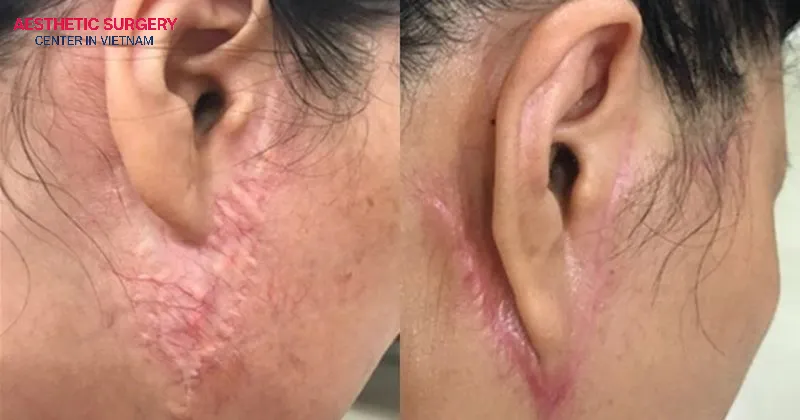
- Minimize bad scarring: The skin around the incisions is in its delicate tissue regeneration phase. The impact of coloring chemicals or high temperatures can increase skin pigmentation, making the scar darker, raised, and much more visible.
- Protect a numb scalp: Following surgery, the scalp and the area around the ears often experience temporary numbness due to manipulated nerve endings. If chemicals cause a burn or irritation, you might not feel it immediately, which delays washing it off and can lead to unpredictable, deep tissue damage.
- Avoid hair loss: The tension placed on the tissues under the skin can cause temporary hair loss along the incision lines. Hair dye chemicals weaken the hair follicles further, worsening hair loss and making regrowth significantly harder.
Why is the timing of hair coloring so crucial?
The timing of coloring your hair post-surgery directly impacts wound safety and the risk of complications. Unlike other procedures, facelift incisions are delicately hidden right along the ear creases and tucked deep within the hairline. This surgical intervention makes the surrounding skin, hair follicles, and tissues exquisitely sensitive. Here is why patience is key:
Incisions are right in the chemical zone
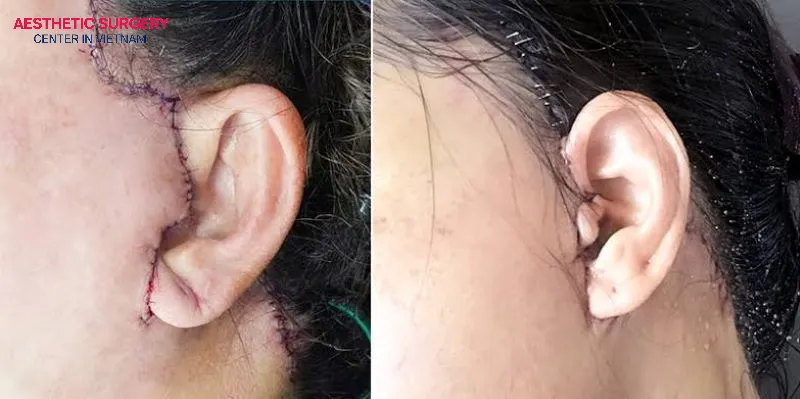
Because the incisions sit at the hairline and temples, liquid or cream dyes can easily run and settle into unhealed wounds. This creates a perfect breeding ground for bacteria, leading to serious infection risks.
Risk of chemical burns and tissue toxicity
Hair dyes and bleaches feature high concentrations of harsh chemicals (ammonia, peroxide, PPD). If these touch fresh scabs or exposed underlying tissue, they destroy newly forming cells, causing burns, ulcers, and completely halting natural healing.
Permanent, unsightly scarring
Chemical irritation at the incision site triggers an inflammatory response, stimulating the body to overproduce collagen, which often results in keloid or hypertrophic facefilt scars. Furthermore, the dye can hyper-pigment the new skin, leaving dark, obvious scars that ruin the “scar-less” goal of your facelift.
The danger of temporary numbness
The dissection of facial skin and muscle flaps affects tiny sensory nerves, leaving the skin around the ears and scalp temporarily numb. Without sensation, you cannot feel the burning pain of a chemical reaction, leading to deep, silent tissue damage.
Preventing permanent hair loss
The tension exerted on the skin post-surgery places massive stress on nearby hair follicles, often causing temporary shock loss. Dyeing your hair immediately exposes these already weakened follicles to toxic chemicals, potentially destroying them and causing permanent bald spots around the scar.
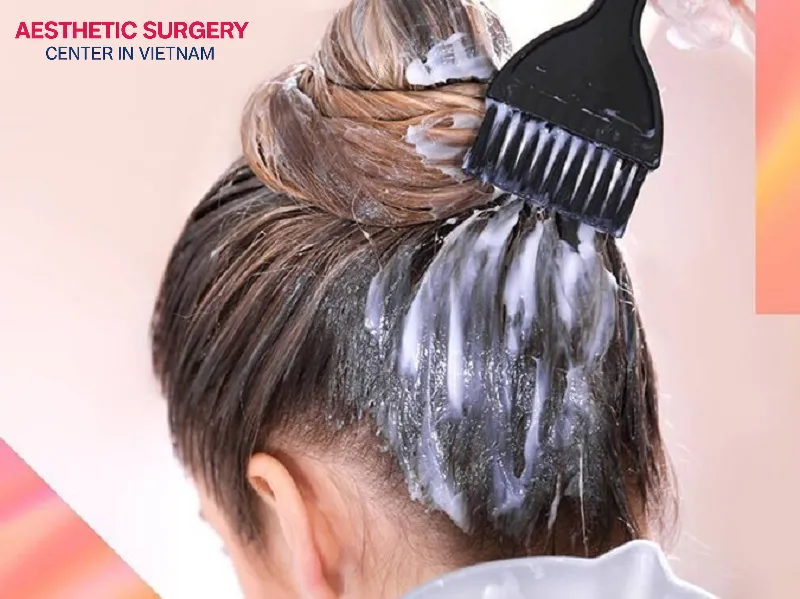
Can I color my hair sooner using natural or “gentle” dyes?
According to aesthetic experts, you should not dye your hair sooner than the recommended 4-6 weeks, even if you are using natural, organic, or gentle hair dyes.
While these products might skip the ammonia or harsh bleaches, their active coloring agents are still a primary cause of irritation and allergic reactions in unhealed wounds. More importantly, the physical process of dyeing hair requires your stylist to section, pull, comb, wash, and massage your scalp repeatedly. This constant mechanical traction directly strains the delicate sutures around your ears and hairline, which can cause stitches to pop, wounds to open, and bacteria to enter.
Tips for safe hair coloring after a facelift
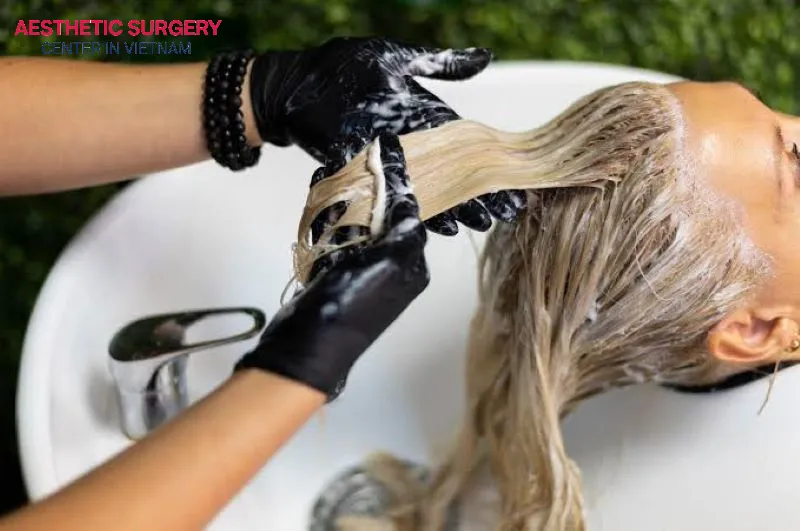
To ensure a smooth aesthetic facelift recovery while fully protecting your surgical results, follow these safe, scientifically-backed guidelines when you finally head to the salon:
Mandatory doctor consultation
Even after 4-6 weeks have passed, everyone’s healing timeline is different. Before booking your salon appointment, have your surgeon directly check your healing progress and confirm that your skin is ready for chemical exposure.
Protect the incision lines
This step is vital. Ask your hairstylist to apply a thick barrier layer of Vaseline, a lubricating ointment, or an antibiotic ointment entirely along the scar lines at your hairline and behind your ears. This prevents dye and rinse water from seeping into sensitive areas.
Choose gentle products
Skip harsh bleaches and heavy ammonia formulas. Prioritize organic dyes, herbal-based colors, or formulas specifically designed for sensitive scalps to minimize irritation risks.

Always do a patch test
Post-surgery bodily reactions can make your scalp more sensitive than usual. Dab a tiny amount of dye on a small patch of skin and wait 24-48 hours to check for redness or itching before applying it all over.
Communicate with your stylist
Explicitly inform your hairstylist that you recently had a facelift. Instruct them to use a very gentle touch—no pulling on the scalp, no vigorous scrubbing during the wash, and extreme caution when applying dye near the incisions.
Control the hairdryer temperature
After the color process, only blow-dry your hair using a cool or low-heat setting. Direct high heat can burn a numb scalp that hasn’t regained 100% sensation and can disrupt the scar-fading process.
Monitor closely post-coloring
Keep a close eye on your incisions for the first few days after your salon visit. If you notice any unusual signs like swelling, intense redness, discharge, or persistent itching, contact your plastic surgeon immediately for guidance.
The risks of coloring your hair too soon
Rushing to the salon before your facelift wounds have completely stabilized can result in severe complications, including:
- Incision infections: Liquids can infiltrate unsealed incisions, allowing bacteria to cause deep tissue inflammation.
- Chemical burns: Regenerating skin is incredibly delicate; exposure to harsh chemicals will kill new cells and cause necrosis.
- Keloids and dark scars: Chemical irritation interrupts healing, leading to hyperpigmented (dark), raised scars.
- Broken stitches: The pulling and tugging required during a color service can mechanically snap your sutures, opening the wound.
- Permanent hair loss: Toxic chemicals will directly destroy the already-stressed hair follicles along the incision line.
- Silent tissue damage: Because of post-surgical numbness, you won’t feel the chemical burns as they happen, resulting in deep, unnoticed tissue destruction.
By understanding exactly how long after facelift can i color my hair, you can confidently navigate your recovery. Protecting your incisions from harsh chemicals and physical stress not only prevents regrettable complications but also guarantees the best long-term aesthetic outcome for your scars. Always consult your plastic surgeon before your salon visit to ensure a flawless and radiant result.




















Comment on the post