


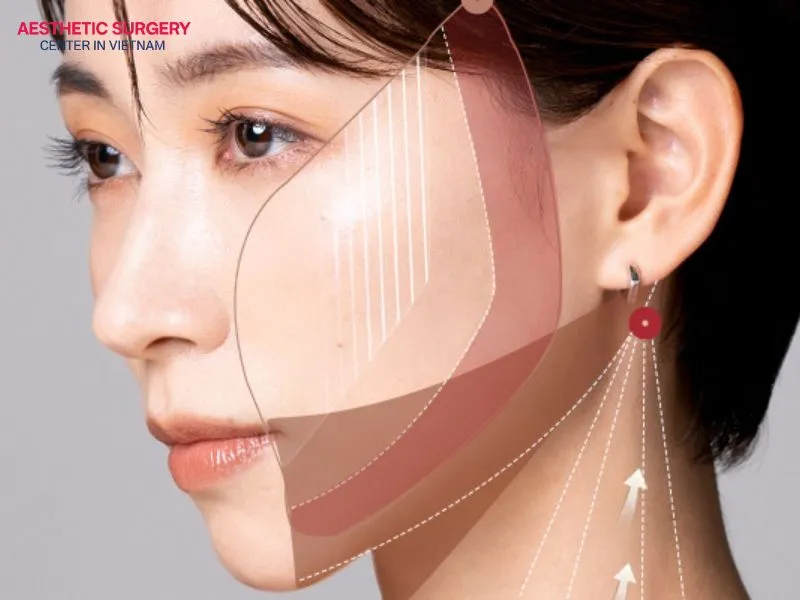
The SMAS facelift is considered a gold standard in modern aesthetic surgery because it directly targets the superficial musculoaponeurotic system instead of simply tightening the surface of the skin. This technique helps restructure the facial support system, improve sagging, and provide natural-looking, long-lasting results. Learn more about this technique in the article below.
What is a SMAS facelift?
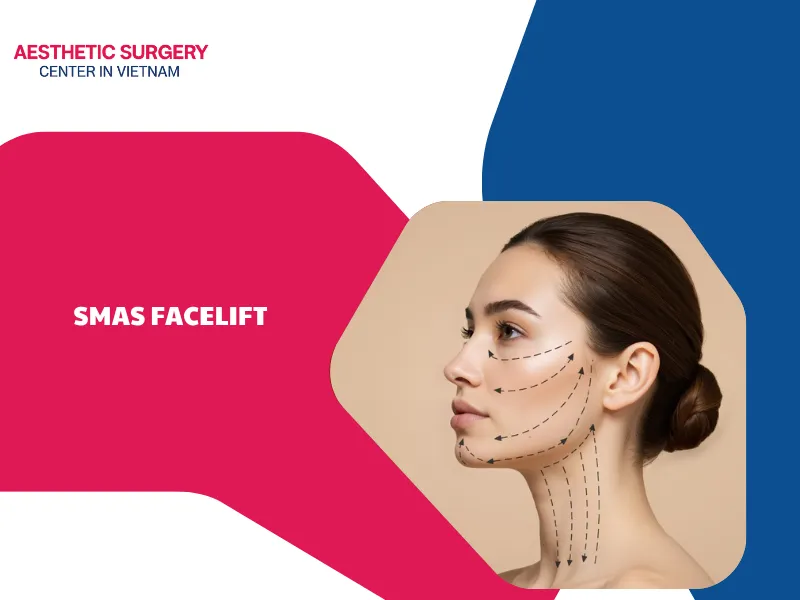
A SMAS facelift is an advanced aesthetic surgical technique that directly targets the superficial musculoaponeurotic layer beneath the skin. It helps restore the facial support structure and reshape the face for a more youthful appearance. Unlike methods that only treat the surface of the skin, this procedure addresses the underlying structural causes of facial sagging.
Understanding the SMAS layer in facial anatomy
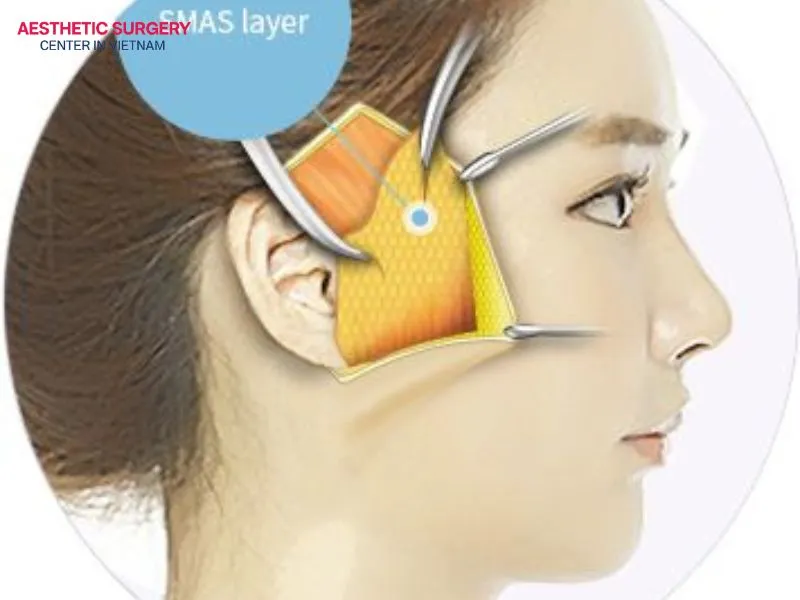
The anatomical structure of the face is divided into five distinct layers from superficial to deep. The SMAS layer acts as the main supporting layer. The outermost layer is the thin skin. Below it is the subcutaneous fat layer, which provides softness and basic nourishment.
Directly beneath the fat layer is the SMAS. SMAS stands for Superficial Musculoaponeurotic System. It consists of a network of connective tissue and facial expression muscles that are closely connected. Deeper beneath this fascial layer is a loose tissue layer. It contains retaining ligaments and gliding planes that allow the facial muscles to move freely during daily facial expressions. The deepest layer is the strong facial bone structure, which supports all the soft tissues above it.
How the SMAS facelift procedure works?
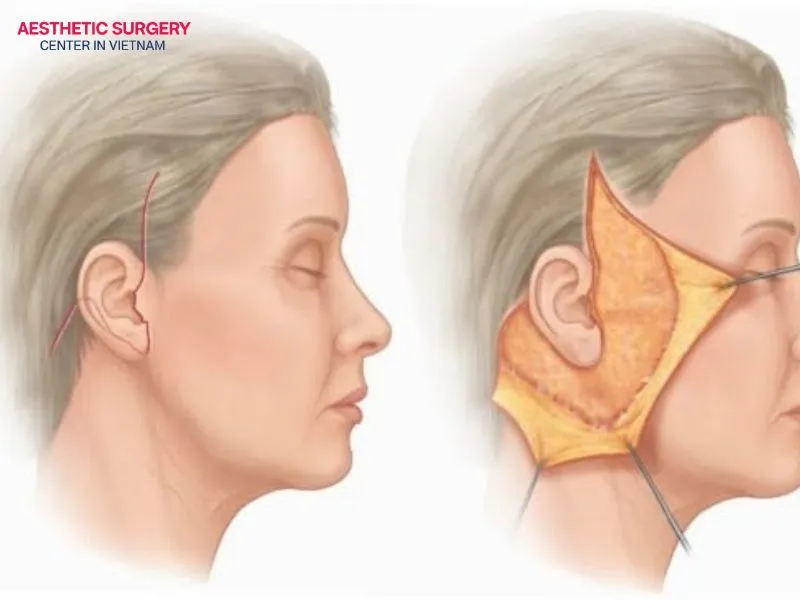
The SMAS facelift procedure requires a high level of precision and is performed in a sterile operating room under general anesthesia. The procedure is performed as follows:
- The surgeon begins by making thin incisions carefully hidden within the hairline at the temples. The incisions continue around the front of the ears and extend into the creases behind the ears.
- Next, the outer skin layer is gently separated from the underlying fascial layer. This creates skin flaps that can be moved easily.
- After the supporting layer is lifted upward and secured with specialized sutures, the surface skin is gently redraped without excessive tension.
Key benefits of a SMAS facelift
The SMAS facelift provides comprehensive improvements to the facial structure by directly targeting the underlying fascial layer. Specifically:
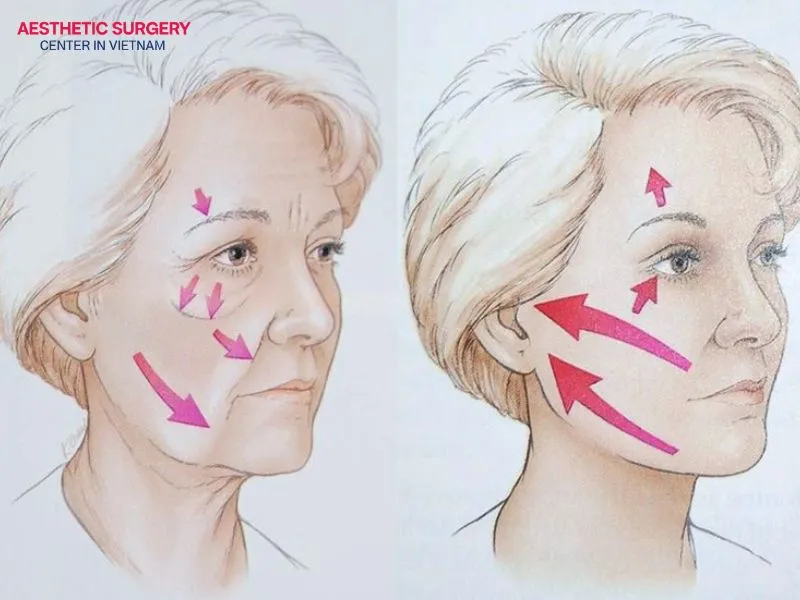
- This surgical technique addresses sagging in areas such as the cheeks, double chin, and deep smile lines.
- The aesthetic results of this technique can last from 5 to 10 years, depending on each person’s biological characteristics and aftercare.
- A SMAS facelift does not cause excessive damage to the surface of the skin. This helps minimize the risk of keloid scars or visible scars on noticeable areas of the face.
SMAS facelift vs. deep plane facelift
Choosing between a SMAS facelift and a deep plane facelift is an important consideration for those looking for a comprehensive facial rejuvenation solution. The main difference between these two techniques lies in the depth of tissue dissection and the extent of treatment on the internal facial structures. See the comparison table below for more details:
| Criteria | SMAS facelift | Deep Plane facelift |
| Surgical technique | The SMAS layer is dissected and folded or sutured directly beneath the skin. This helps control the lifting force and limits the risk of facial nerve injury. | The dissection goes deeper beneath the fascial layer. It releases the retaining ligaments attached to the bone to lift the muscle and skin together as a single unit. |
| Aesthetic results | Improves sagging in the cheeks, smooths smile lines, and defines the jawline for a more natural appearance. | Creates a natural lifting effect in the midface. The cheek tissue is restored to its original anatomical position and improves deep folds around the mouth. |
| Result longevity | Results last from 7 to 10 years, depending on the natural aging process of the body and daily skincare habits. . | Results last for about 7 to 10 years or longer because the deeper supporting structures are firmly repositioned. |
| Recovery time | Swelling and bruising usually occur during the first 7 to 14 days. This technique is suitable for individuals who want to return to normal activities relatively soon. | Recovery usually takes 2 to 4 weeks because the procedure involves deeper tissue dissection. More time is needed for swelling and bruising to completely improve. |
Comparison table of SMAS facelift and Deep Plane facelift
>>> See more: How long does a facelift last?
Ideal candidates for a SMAS facelift
A SMAS facelift is a relatively low-risk procedure and may be suitable for many individuals, including:
- Middle-aged men and women who have moderate to severe signs of soft tissue aging.
- Individuals who are in stable overall health and do not have uncontrolled chronic conditions such as diabetes or blood clotting disorders may be considered suitable candidates.
- Individuals whose underlying facial support structure has become loose but whose outer skin still has relatively good elasticity.
- Individuals who want to improve complex sagging in the face, double chin, and neck at the same time without going too deeply into higher-risk anatomical layers may also be suitable for this technique.
If you decide to undergo a SMAS facelift, you should not smoke or should stop smoking before and after surgery. Nicotine in cigarettes causes blood vessels to constrict. This reduces the oxygen supply to the tissues and can significantly slow down the healing process. You should also follow your doctor’s aftercare instructions to achieve the desired aesthetic results.
What to expect during the recovery process?
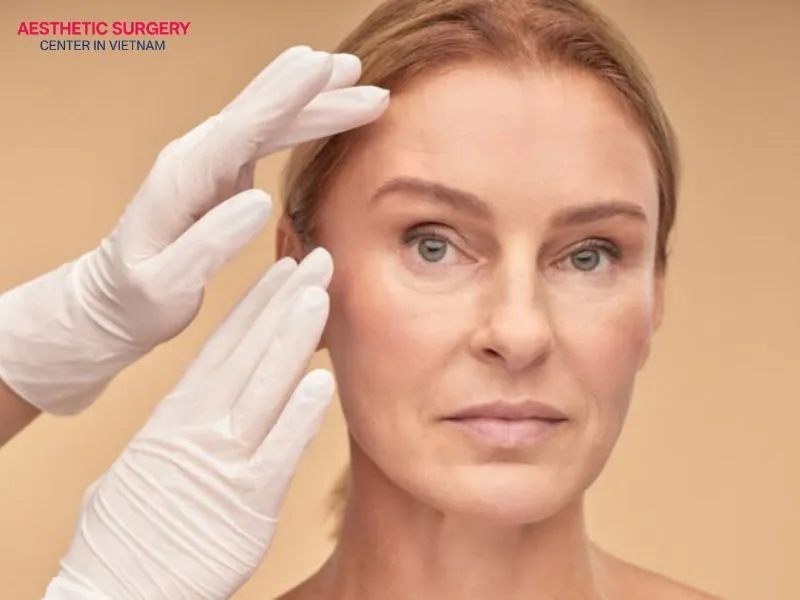
The recovery process after a facelift takes place through several natural healing stages. It requires patience and proper care from the patient.
Timeline of the healing process
The recovery process after a SMAS facelift can be divided into several stages. This helps patients understand how their condition may change from week to week.
- During the first 3 days after surgery, swelling and bruising around the eyes, cheeks, and neck usually reach their peak. This is caused by the body’s natural inflammatory response to surgery.
- By the second week, most bruising begins to turn light yellow and gradually fades. The first sutures around the hairline and ears may also be removed during this period.
- By the third and fourth weeks, mild numbness around the ears and cheeks begins to improve. The surgical scars become light pink and can be easily hidden with your hairstyle or light makeup.
- Over the next 1 to 3 months, the facial shape gradually becomes stable. The facial contours become softer and more natural. The underlying tissues also complete the healing process and become firmly integrated.
Essential tips for a smooth recovery
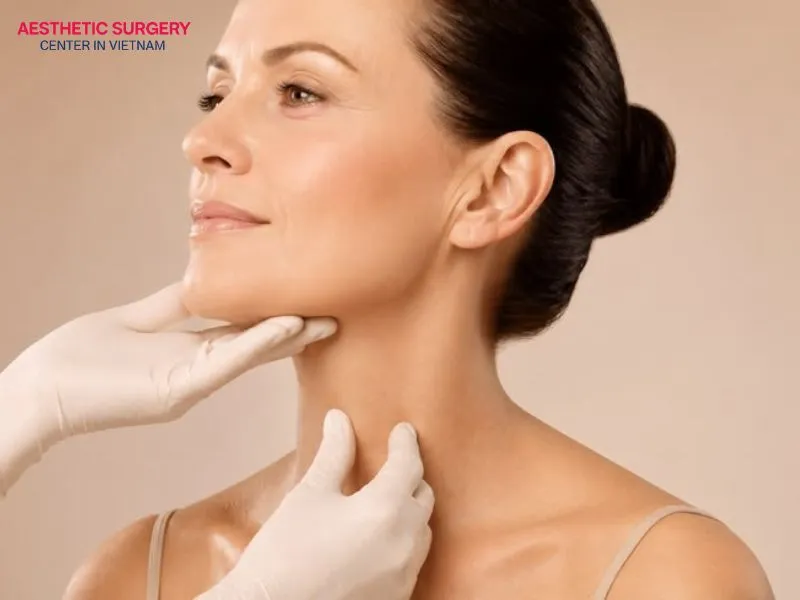
Following proper at-home care plays an important role in shortening the healing time and maintaining optimal aesthetic results in the long term.
- During the first few days, patients should sleep on their back with their head elevated at about 30 degrees using a soft pillow. This helps reduce blood flow to the face and prevents increased swelling.
- Gently apply a cold compress around the cheeks and neck during the first 48 hours. This helps temporarily constrict blood vessels and effectively reduce swelling and pain.
- Once the wounds begin to dry and close, it is important to keep them clean with a specialized antiseptic solution according to the nurse’s instructions.
- The daily diet should include enough water, vitamin C-rich green vegetables, and healthy sources of protein from lean meat and fish to support collagen production.
- Avoid stimulants such as alcohol and cigarettes, as well as foods that may cause raised scars, such as beef, seafood, and sticky rice, during the early recovery period.

Potential risks and side effects of the surgery
Any surgical procedure may involve certain risks and side effects, and a SMAS facelift is no exception. Common temporary side effects that most patients may experience include:
- Swelling, widespread bruising, and mild numbness around the ears may occur because the superficial sensory nerves are affected during tissue dissection.
- There is a risk of injury to the superficial branches of the facial nerve. This may cause temporary facial muscle weakness, especially if the procedure is performed by an inexperienced surgeon.
- In addition, complications such as hematoma under the skin, surgical wound infection, or firm scar tissue may occur if postoperative care instructions are not strictly followed.
How much does a SMAS facelift cost?
The cost of a SMAS facelift varies depending on several factors, such as the reputation of the medical facility, the surgeon’s experience, and the severity of facial aging. According to reference data from international medical organizations, the average cost of this surgery usually ranges from about 40,000,000 VND to 120,000,000 VND. The price may vary depending on the location and operating room equipment. The total budget usually includes the surgical team’s fees, the cost of using a sterile operating room, medical supplies, and a comprehensive postoperative care package.
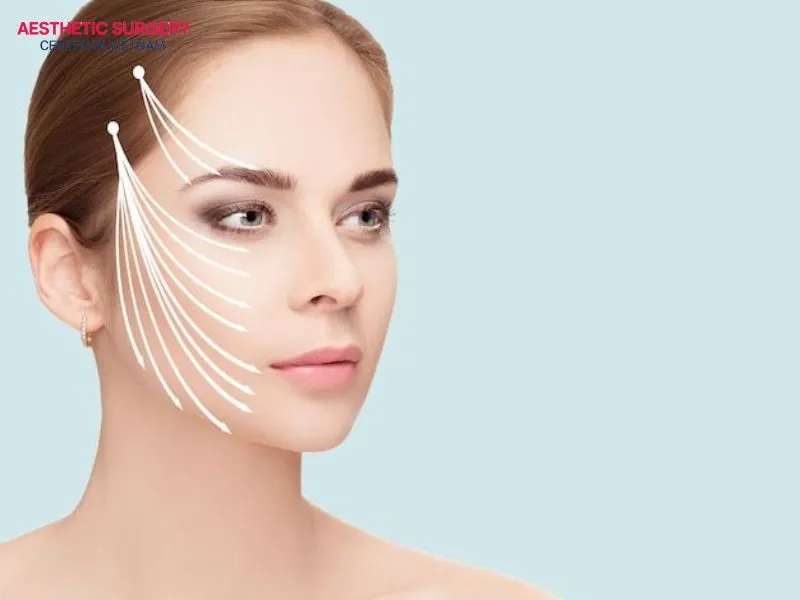
Understanding a SMAS facelift helps you confidently restore your facial contours by restructuring deep support tissue to effectively lift sagging skin for long-lasting youthfulness. Contact our specialized surgeons at the Aesthetic Surgery Center in Vietnam today for a personalized consultation and tailored treatment plan.




















Comment on the post