
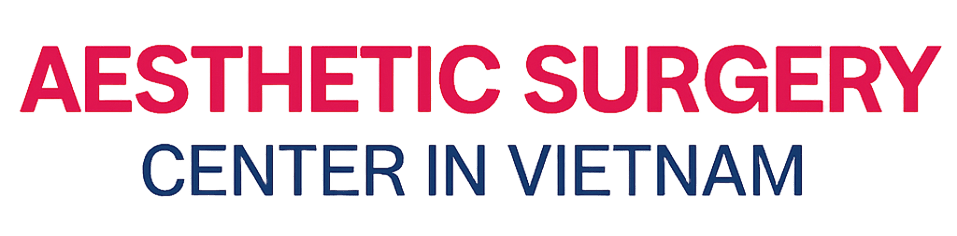


Today, breast augmentation for women who are mothers or planning to become mothers requires careful consideration. Understanding the physical effects of pregnancy helps women choose the right time for surgery. It also helps minimize the risk of affecting breastfeeding and maintain long-term aesthetic results. Explore the article below for an overview of breast augmentation before and after breastfeeding.
Breast augmentation before and after breastfeeding: When is the best time?
During pregnancy and breastfeeding, hormonal changes and natural weight gain can change breast tissue. The milk ducts develop and cause the breasts to become fuller. Breast size can increase significantly compared with the period before pregnancy. However, after breastfeeding ends, many women experience a loss of breast volume and weakened supporting ligaments. This occurs because glandular tissue decreases and the skin loses some of its natural elasticity.
During breastfeeding, the breasts are continuously affected by gravity and pressure from the milk inside. The Cooper’s ligaments that support the breasts can become overstretched. After weaning, many women experience a loss of breast tissue volume. The upper part of the breasts may become flatter and appear hollow. The remaining fatty tissue may shift downward. This can reduce natural breast fullness and cause different degrees of sagging.
The degree of breast tissue volume loss varies from person to person. It depends on genetics, skin quality, the number of pregnancies, and changes in body weight. Therefore, observing and understanding these changes can help women choose suitable cosmetic procedures and restore confidence in their body shape.
Breast augmentation before pregnancy
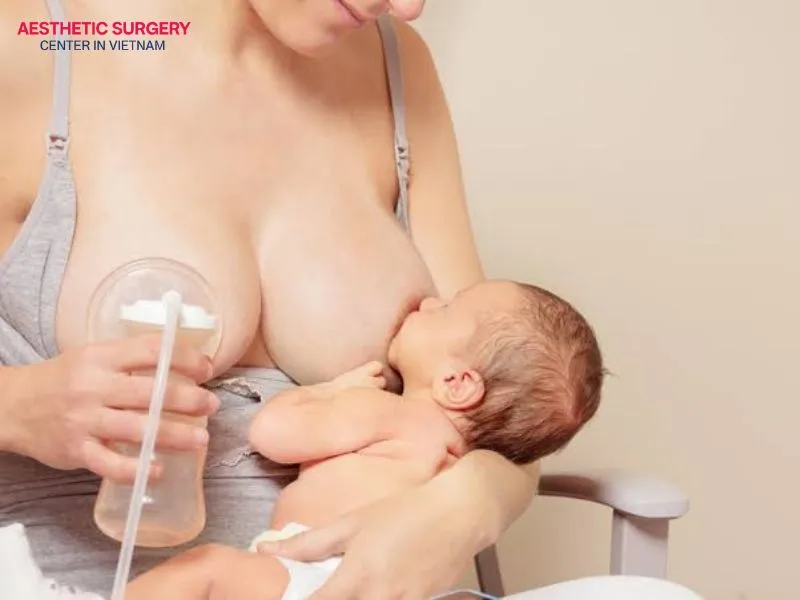
Many women carefully consider whether to undergo breast augmentation before getting married and having children. A major advantage of breast augmentation before pregnancy is that women can enjoy a fuller and more balanced figure sooner. It can also improve confidence without waiting until their plans for having children are complete. However, this option may also involve several risks to the appearance of the breasts in the near future.
If you become pregnant and breastfeed soon after breast augmentation, the breast skin and tissue may stretch as the breasts enlarge. This may create a need for revision surgery to restore the original breast shape. Most specialists recommend postponing surgery if you plan to have a baby in the near future. This can help reduce repeated changes to breast tissue.
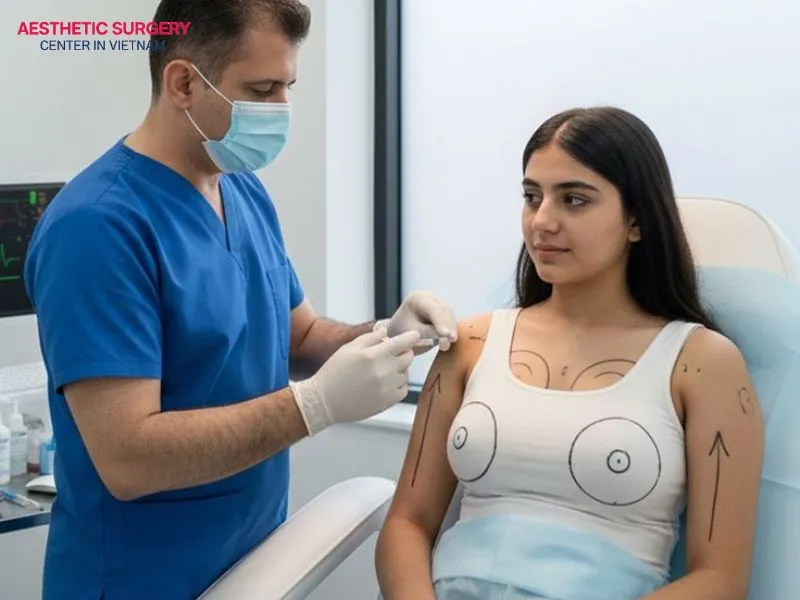
If you still choose to undergo surgery before pregnancy, the surgical technique should be carefully planned and performed by a qualified surgeon to minimize damage to the milk ducts. An incision around the areola may carry a higher risk of affecting the milk ducts. Therefore, surgeons often prefer an incision in the breast crease or armpit. Placing the breast implant under the muscle with these incision locations can help preserve breast function. This may allow mothers to breastfeed safely after future pregnancies.
Breast augmentation after breastfeeding
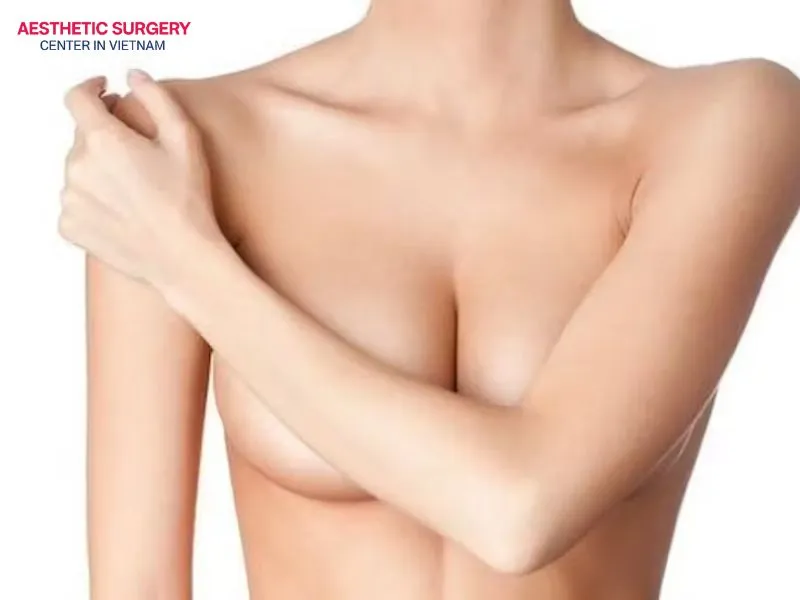
The ideal time for breast augmentation after childbirth is when the body has fully recovered and its biological functions have stabilized. Combining breast implants with a breast lift can effectively improve excess skin and sagging areolas. This can create firmer breasts. Choosing an implant size that suits the body frame after childbirth can also provide natural fullness and a balanced figure.
Ideal timing for surgery
The ideal time for breast augmentation surgery is at least 3 to 6 months after the baby has been weaned. This allows the breast tissue to fully stabilize and hormone levels to return to normal. This period also gives blood vessels and glandular tissue enough time to recover after lactation. It allows the surgeon to accurately assess the degree of breast sagging and the actual breast size. Having surgery too soon before the breasts have stabilized may affect the accuracy of these measurements. This can result in an implant size that is no longer suitable after the body has fully recovered.
Combining implants with a breast lift
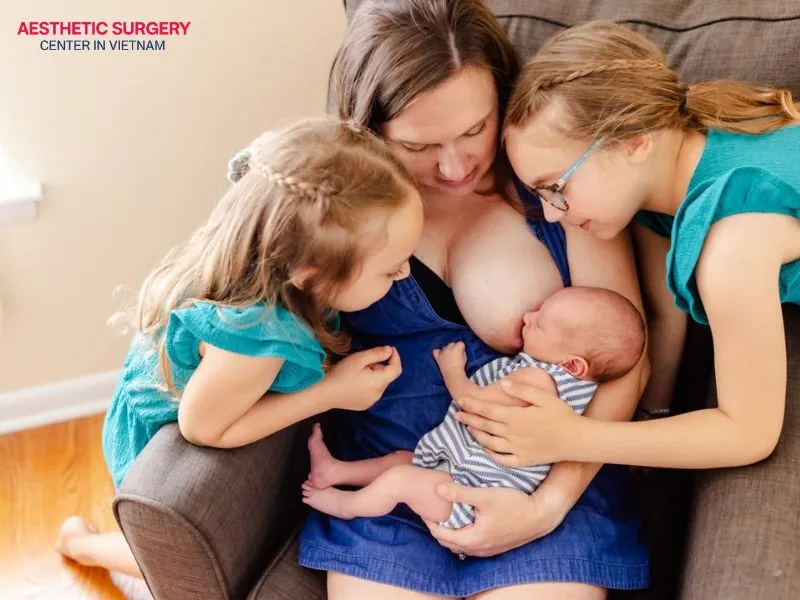
Combining breast implants with a breast lift is an effective option for women who experience loss of breast volume and sagging after childbirth. When the breast skin becomes excessively loose, breast implants alone cannot correct the excess sagging skin. They may even make the breasts appear heavier. The surgeon will remove excess skin and reduce the size of the areolas if necessary. The nipples will also be repositioned to a more balanced position. The implants are then placed in a pocket under the chest muscle to create suitable projection. This helps the breasts look fuller while maintaining a soft and natural appearance.
Can you breastfeed with breast implants?
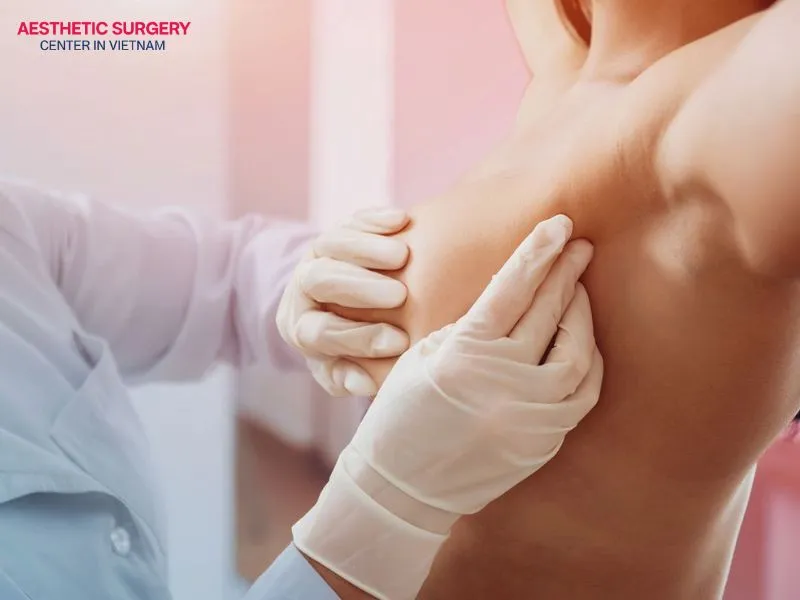
Most women with breast implants can still breastfeed normally. Modern implant techniques often place the implant deep under the chest muscle instead of directly over the milk-producing glands. The mother’s body can still produce breast milk normally. The breast acts as a storage area, while the milk-producing structures deeper within the breast tissue remain protected.
However, the surgical technique and incision location play an important role in the ability to breastfeed in the future. An incision around the areola has a higher risk of affecting the milk ducts than an incision in the breast crease or armpit. This is because the surgeon must work closer to the glandular tissue. According to medical data from large studies, about 80% of women with breast implants can still breastfeed normally without problems related to the amount or quality of breast milk.
Regarding the safety of breastfeeding after breast augmentation, reputable health authorities such as the U.S. Centers for Disease Control and Prevention have stated that there is no clinical evidence showing that silicone or saline breast implants harm infants. Whether using form-stable gel implants or saline implants, the multilayer shells are designed to be highly durable. They help prevent implant material from leaking into the mother’s bloodstream or breast milk.
Risks and considerations for mothers
Breast augmentation before or after pregnancy always involves certain risks. Patients should understand these risks clearly so they can be mentally prepared before undergoing surgery.
Potential changes in implant appearance
Changes in breast appearance can occur due to sudden skin stretching during pregnancy if a woman becomes pregnant after breast augmentation. Although pregnancy does not normally damage or alter the breast implants themselves, the surrounding biological tissues change as the mother’s body develops. The breast tissue enlarges during pregnancy and decreases in volume after childbirth. This changes how the skin and soft tissue cover the implants. It may lead to slight implant displacement or increased breast sagging. In some cases, a minor revision procedure may be needed after breastfeeding has ended.
Recovery and long term maintenance
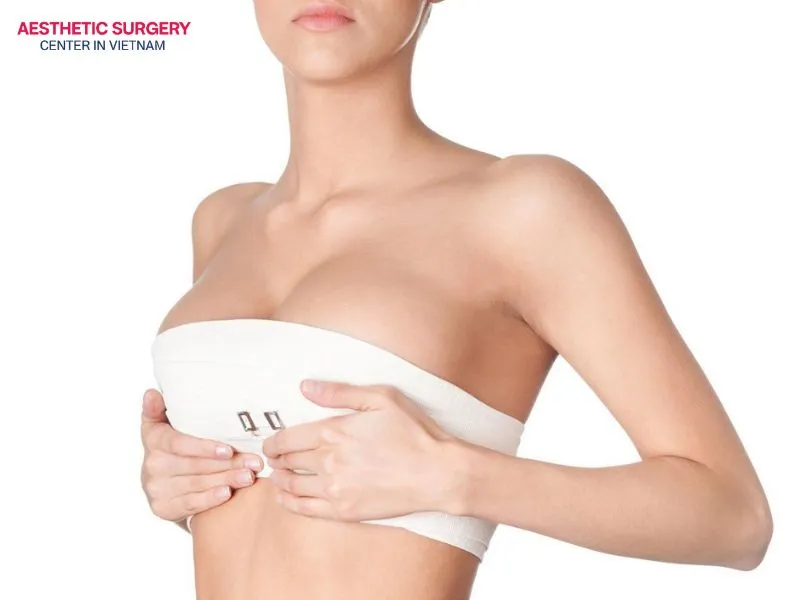
Recovery after breast augmentation requires patients to strictly follow the medical instructions provided by their surgeon. During the first few weeks, wearing a surgical support bra continuously helps keep the implants in the correct position. It also helps reduce swelling and prevent the implants from shifting to the sides. In the long term, gentle breast massage may be performed according to the surgeon’s instructions. This can help soften the surrounding tissues, reduce the risk of capsular contracture, and maintain a soft and natural breast appearance.
Consulting with a board certified plastic surgeon
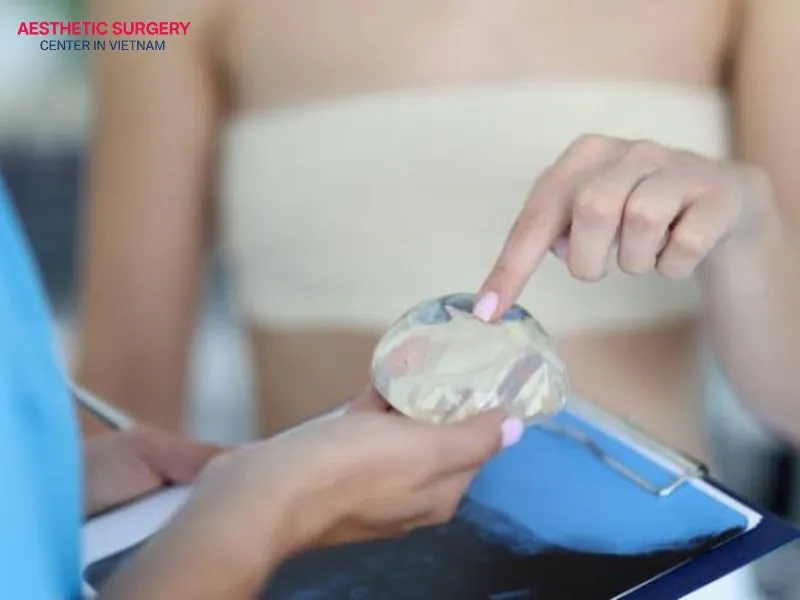
An in-person consultation with a qualified plastic surgeon plays an important role in the success of breast augmentation before and after breastfeeding. The breast augmentation surgeon will carefully measure the chest structure, shoulder width, and skin elasticity. These measurements allow the surgeon to objectively assess the current condition of the breasts. Patients should openly discuss their plans for pregnancy in the near or distant future. This helps the medical team develop a personalized treatment plan for each stage of life.
Choosing a licensed medical facility with a properly equipped and sterile operating room is important for ensuring patient safety. Careful preparation during the initial consultation also helps reduce misunderstandings between the patient’s expectations and the results that are medically possible. Women should prepare a list of questions about implant size, incision location, recovery time, and implant warranty before meeting with their surgeon.
As discussed above, choosing the right time for breast augmentation before and after breastfeeding directly affects the aesthetic appearance of the breasts. Therefore, women considering breast augmentation during these stages should seek professional medical advice to better protect their health. Contact a qualified plastic surgeon at a reputable medical facility to receive a personalized treatment plan that suits your individual needs.
>>> See more: Mommy Makeover













Comment on the post