


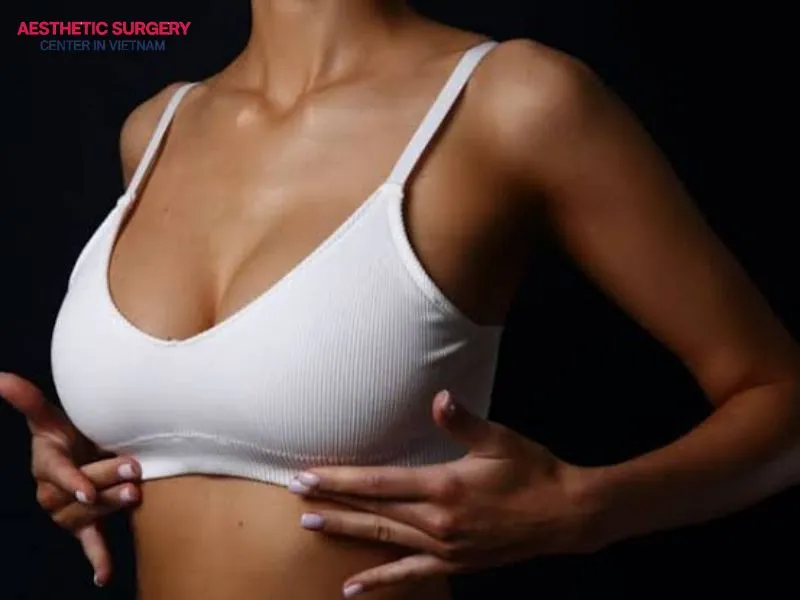
Breast augmentation is a cosmetic procedure that enhances body contours while helping women regain confidence and take control of their lives. However, maintaining your surgical results and allowing the tissues to heal properly requires a well-planned postoperative exercise program. This guide provides comprehensive medical information and detailed instructions on the best exercise routine after breast augmentation, helping you return to your active lifestyle with confidence.
Why is a structured workout plan crucial after breast surgery?
Following the best exercise routine after breast augmentation is essential for speeding up recovery, reducing the risk of capsular contracture, and maintaining a natural breast shape. A structured exercise plan promotes healthy blood circulation, reduces swelling, and helps the implants settle into the correct position without placing stress on the surgical incisions.
When you follow the recommended plan, you can benefit from:
- Complication prevention: Gentle movement improves blood circulation and helps reduce the risk of excessive scar tissue forming around the implants, a common complication when the chest muscles remain overly tight.
- Optimized breast shape: Appropriate exercises allow the chest muscles to relax naturally, helping the implants adapt to your body and create a softer, more natural-looking cleavage.
- Reduced discomfort: Gentle stretching exercises and properly timed breast massage help soften the tissues and relieve prolonged tightness after surgery.
- Improved overall recovery: Light cardiovascular activities such as walking enhance circulation, support faster wound healing, and help restore your energy.
Keep in mind that exercising too early or too intensely can place excessive stress on the healing tissues and muscles, increasing the risk of wound separation, infection, or severe swelling. Always consult your plastic surgeon to develop a gradual exercise plan that is appropriate for your individual breast augmentation recovery.

Best exercise routine after breast augmentation: A week-by-week timeline
To ensure the safety of your breast implants and allow the breast tissues to heal properly, your postoperative exercise routine should be divided into stages that match your body’s natural healing process. Following this gradual week-by-week progression helps optimize your aesthetic results and maintain firm, natural-looking breasts.
Weeks 1–2: Gentle walking and basic movement
During the first two weeks after breast augmentation, the best exercise routine is gentle walking around your home combined with basic mobility exercises to promote healthy blood circulation. Rest should remain your top priority. Avoid high-intensity cardio, weightlifting, or any exercise that raises your heart rate significantly or places pressure on your chest. Excessive physical activity during this stage may increase the risk of bleeding around the implants or delay wound healing.
To maintain mobility without affecting the surgical incisions, you can perform the following exercises:
- Diaphragmatic deep breathing to improve lung function and help your body relax.
- Ankle circles and heel raises to reduce the risk of blood clots in the lower limbs.
- Gentle wrist and finger movements, along with leg slides or low leg lifts, to maintain your range of motion.
If you experience pain or discomfort during any exercise, stop immediately. All physical activity should remain within a comfortable range, and you should always consult your plastic surgeon to ensure the exercises are appropriate for your individual recovery.

Weeks 3 to 4: Low-impact cardio and lower body training
During weeks 3 to 4 after surgery, the best exercise routine after breast augmentation focuses on maintaining flexibility through gentle lower body exercises and relaxed walking. The main goal during this stage is to improve blood circulation without placing pressure on the chest or raising your heart rate excessively, as this may lead to unwanted swelling.
You can begin with gentle walks around your neighborhood or in an open outdoor area. Keep your walking distance under one kilometer and avoid brisk walking. Walking helps maintain necessary physical activity without creating excessive movement that could affect the breast implants. Choose cooler times of the day to avoid excessive sweating, as high moisture levels may irritate the healing skin.
For lower body workouts, you may perform bodyweight squats, lunges, and exercises targeting the glutes, thighs, and lower abdominal muscles. The key is to control your breathing and avoid tightening your chest muscles during each movement. Avoid high-intensity cardio, weight-bearing exercises involving the arms, or any movement that requires lifting your arms overhead, as these activities may strain the pectoral muscles and interfere with the healing process.
During this stage, if you experience any discomfort, pain, or tightness in your chest, stop exercising immediately and allow yourself more time to rest. Recovery is different for every patient. If your implants were placed beneath the chest muscle, you may need additional time before performing exercises that involve the chest, back, or shoulder muscles. Any changes to your exercise program should be discussed with your plastic surgeon to ensure long-term safety and optimal aesthetic results.
Weeks 5 to 6: Gradual upper body integration
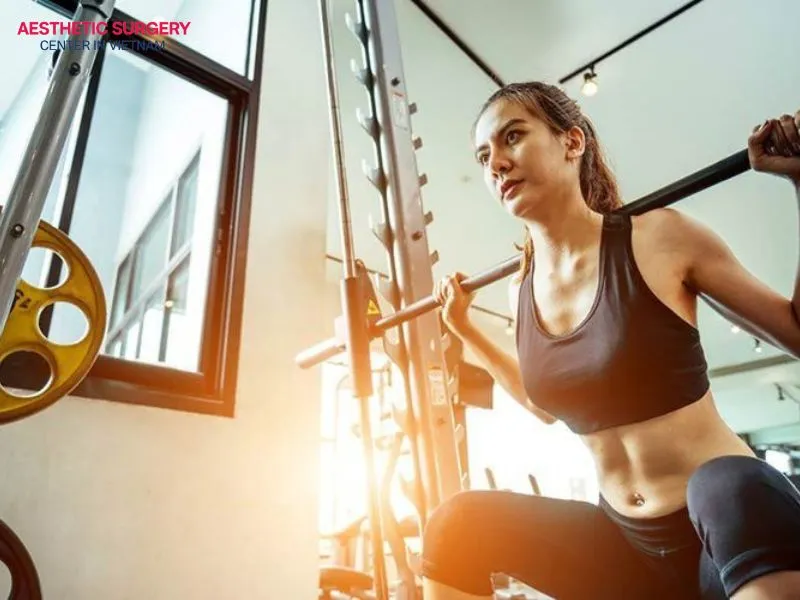
During weeks 5 to 6, you may begin light upper body exercises with low intensity while carefully controlling your range of motion. Although the tissues are more stable at this stage, you should still obtain clearance from your plastic surgeon during your follow-up appointment before increasing your activity level.
The best exercise routine after breast augmentation during this stage should follow these principles:
- Focus on secondary muscle groups: Perform very light exercises for the latissimus dorsi (lats), trapezius (traps), biceps, and triceps.
- Exercise technique: Perform gentle stretching movements to release tension around the shoulder blades. Avoid exercises that strongly engage the chest muscles, such as push-ups, planks, or chest presses.
- Support your implants: Always wear a supportive sports bra or compression bra throughout your workout to keep the implants stable.
- Listen to your body: If you experience unusual pain or tightness around the surgical incision, stop exercising immediately and reduce the intensity.
Returning to your previous training weight should be gradual. Do not rush the process, as your body still needs time to fully adapt to the structural changes following surgery.
Week 7 and beyond: Returning to high-impact workouts
From week 7 onward, you may gradually return to higher-intensity workouts. However, you should increase the intensity progressively to protect the implant pocket. Most women regain full physical activity between weeks 8 and 12, depending on their individual healing process and whether the implants were placed above or below the chest muscle.
When resuming more demanding exercises, begin with a thorough warm-up and pay close attention to your body’s response instead of immediately returning to your previous training weight. For patients with submuscular implants, feeling a difference during chest press exercises is a normal anatomical response and not a sign of complications. Adjust your workout program if you notice unusual swelling or tightness in the breast area.
Wearing a high-support sports bra should become a long-term habit, not just part of your recovery period. Proper support helps minimize excessive breast movement, protects the breast tissue from overstretching, and helps maintain stable implant positioning over time.
If you have any concerns about unusual sensations during exercise, consult your plastic surgeon so your training intensity can be adjusted according to your recovery progress.
Exercises to avoid during your breast recovery phase
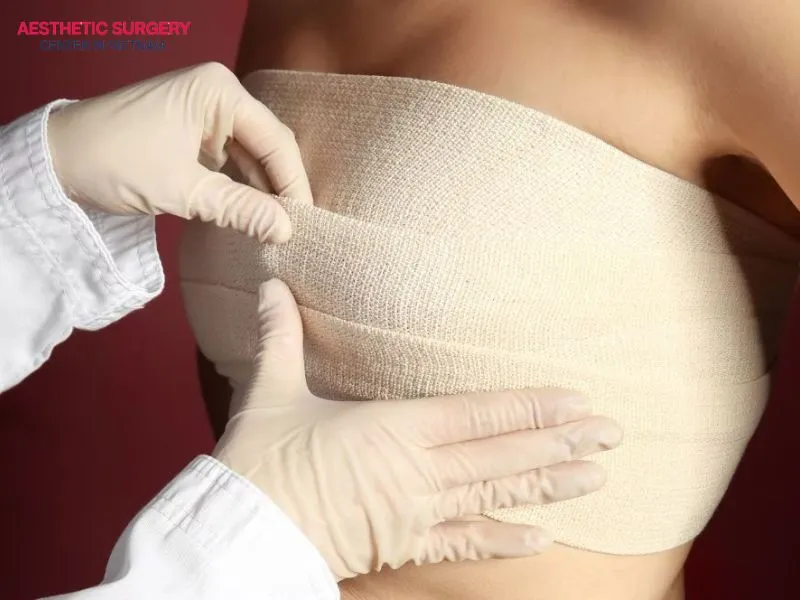
During your recovery after breast augmentation, you should completely avoid exercises that place significant stress on the chest and arm muscles for at least 8 weeks to protect your breast implants. Following the best exercise routine after breast augmentation helps reduce the risk of implant displacement, bleeding, and unwanted capsular contracture.
Activities to avoid include:
- Chest-focused exercises: Push-ups, chest presses, pull-ups, and all plank variations place maximum strain on the pectoral muscles and may put excessive pressure on the implants.
- High-intensity cardio: Avoid running, jump rope, jumping jacks, HIIT, swimming, and sports such as tennis, pickleball, and badminton because excessive movement may cause the implants to shift.
- Heavy lifting: Do not lift objects weighing more than 4.5 kg (10 lb), including everyday shopping bags, as this increases pressure inside the chest and may raise the risk of wound separation.
In addition to these restrictions, gentle indoor walking is recommended to maintain healthy blood circulation without placing stress on the chest. Listening to your body and monitoring for unusual swelling are essential for a smooth recovery. If you experience sharp pain or severe tightness when moving your arms, stop immediately and consult your plastic surgeon.

How to protect your breast implants while exercising?
Once your body has stabilized and you are cleared to return to the gym, taking proper protective measures is essential for maintaining long-term aesthetic results. No matter what stage of recovery you are in, follow these guidelines to protect your breast implants and the surrounding tissues as they continue to heal.
Wear a medical-grade supportive sports bra
Choose a bra with wide shoulder straps, full breast coverage, and adequate compression. A supportive bra helps stabilize the implants, minimizes excessive movement, and reduces mechanical stress on the breast-supporting ligaments during walking or weight training.
Avoid exercises that strain the pectoral muscles
Avoid exercises that involve deep upper body stretching, such as backbends in yoga or movements that require fully extending your arms. These exercises can place excessive tension on the healing breast augmentation scar tissue and implant pocket before they have fully recovered.
Listen to your body and watch for warning signs
Do not suddenly increase your training weight or cardio intensity. Pay close attention to how your body responds and increase your activity level gradually each week to allow your muscles and blood vessels to adapt safely to greater physical demands.
Common questions about post-op fitness routines
When can I exercise after breast augmentation?
In general, you can begin gentle walking during the first week after surgery. After about 4 to 6 weeks, once the breast tissues have become more stable, you may gradually resume low-intensity exercise. High-intensity workouts and full exercise routines are usually safe after 6 to 8 weeks, provided you have your surgeon’s approval.
What exercises can I do during the first two weeks after breast augmentation?
During the first two weeks, the best exercise routine after breast augmentation should only include light, low-impact movements. Gentle walking on a flat surface, diaphragmatic breathing exercises, ankle and calf movements, and wrist rotations are recommended to promote blood circulation without placing stress on the chest muscles.
When can I start weight training after breast augmentation?
You may begin light weight training for the lower body during weeks 3 or 4. For upper body and chest weight training, you should wait at least 6 to 8 weeks and start with very light weights to reduce the risk of implant displacement.

Can I go running after breast augmentation?
Yes, you can return to running, but you should wait until at least 6 to 8 weeks after surgery. Running creates significant acceleration and repetitive movement that can affect the breasts. For this reason, you should always wear a high-support sports bra when running to keep your breasts well supported and your implants stable.
In summary, following the best exercise routine after breast augmentation according to your body’s natural healing timeline is the key to maintaining beautiful breast shape and promoting a faster recovery. Always listen to your body, increase your exercise intensity gradually, and protect your breasts by wearing supportive compression garments throughout your workouts. For more expert recovery tips and the latest medically guided aesthetic information, explore more articles from Aesthetic Surgery Center in Vietnam today.












Comment on the post