



Capsular contracture is one of the most concerning complications following breast augmentation. It not only distorts breast aesthetics but also causes persistent tightness and discomfort. However, with advances in aesthetic plastic surgery, this condition can be thoroughly resolved. This article outlines the primary methods of breast implant capsular contracture treatment, helping you choose an appropriate intervention to restore your health, comfort, and natural breast softness.
What is capsular contracture around breast implants?
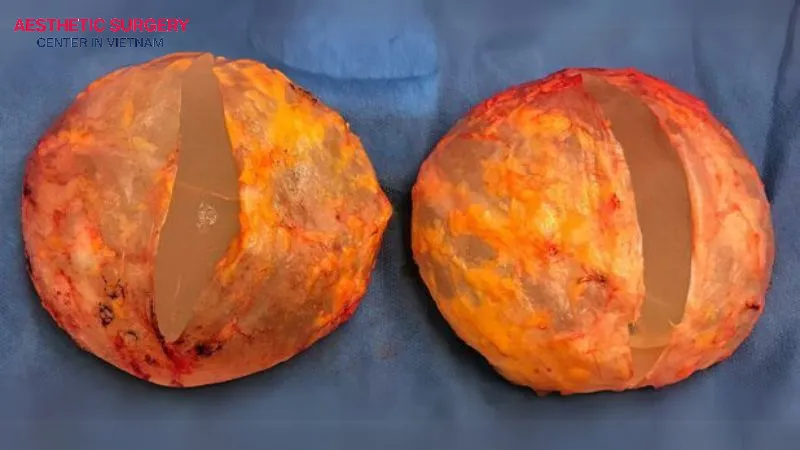
Capsular contracture is a natural defensive immune response to a foreign object implanted in the body. Typically, following breast augmentation, the body automatically produces a thin layer of scar tissue (known as the capsule) around the implant to isolate it and hold it securely in place.
However, factors such as bacterial contamination, hematoma, seroma, or individual predisposition can cause this fibrous lining to overgrow, thicken, and constrict. This contractile process applies excessive pressure on the implant, stripping the breast of its natural softness and causing it to feel hard, asymmetrical, or misshapen. In severe stages, it leads to persistent, chronic pain and discomfort.
Common causes and risk factors of capsular contracture
While identifying the single root cause in an individual patient can be complex, medical literature identifies several well-documented risk factors:
- Bacterial contamination: The entry of bacteria (frequently normal skin flora) during pocket dissection forms a subclinical biofilm over the implant surface. This triggers chronic immune activation and leads to the formation of a thickened, dense capsule.
- Hematoma and seroma: Postoperative bleeding or serous fluid collection within the pocket that is not promptly drained promotes inflammation and accelerates fibrous tissue proliferation.
- Implant pocket placement: Clinical evidence demonstrates that subglandular (over-the-muscle) placement carries a higher incidence of capsular contracture than subpectoral (under-the-muscle) placement, due to the lack of muscular coverage and the absence of natural mechanical micro-massage from pectoral muscle movement.
- Surgical technique: Inadequate pocket dissection (a pocket that is too tight), aggressive tissue trauma, or suboptimal hemostasis stimulates an aggressive inflammatory and scarring response.
- Implant rupture or micro-leakage: Microscopic gel bleed (with silicone implants) or shell rupture immediately provokes an acute immune rejection and inflammatory cascade, precipitating capsular contracture.
- Individual genetics and immune reactivity: Healing mechanisms vary by individual. Patients prone to hypertrophic or keloid scarring carry a notably higher risk of contracture.
- History of radiation therapy: Patients undergoing breast reconstruction following radiation therapy face high contracture rates because the irradiated tissues have sustained microvascular damage and structural changes.
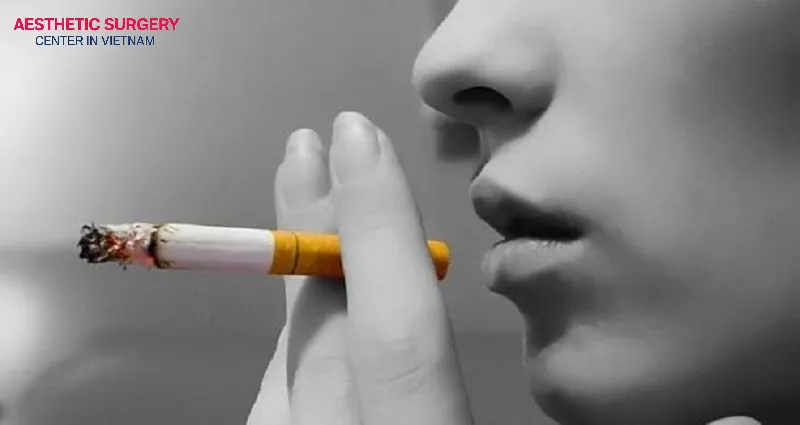
- Cigarette smoking: Nicotine induces vasoconstriction, diminishing blood supply and oxygenation to healing tissues, impairing surgical recovery, and significantly elevating the incidence of surgical complications, including capsular contracture.
Grades and symptoms of capsular contracture
In aesthetic plastic surgery, capsular contracture is classified using the Baker Grading Scale. This system categorizes scar tissue severity into four progressive grades:
- Grade I (Normal): The capsule remains thin, pliable, and asymptomatic. The breast is soft, maintains a natural projection and drape, and causes no discomfort. This represents an ideal recovery outcome.
- Grade II (Mild): The fibrous capsule thickens slightly. Upon self-palpation, the breast feels firmer than natural, but visually the breast looks normal, and no pain is present.
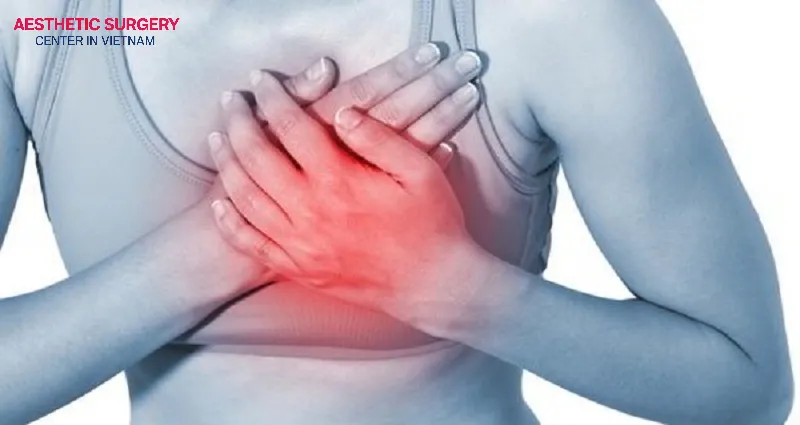
- Grade III (Moderate): Tissue contracture becomes clinically obvious and alters breast architecture. The breast feels distinctly hard, and visible distortion is apparent (such as roundness, an unnaturally high ride, or visible asymmetry). Patients often experience local tension or discomfort, though severe pain is uncommon.
- Grade IV (Severe): The most advanced stage of contracture. The breast is profoundly constricted, hard as stone, and visibly deformed. It is marked by chronic, sharp, or throbbing pain that interferes with everyday life. Surgical revision is necessary at this stage.
Surgical options for breast implant capsular contracture treatment
When capsular contracture progresses to Baker Grade III or IV, non-surgical therapies are no longer effective. At this stage, surgery serves as the definitive breast implant capsular contracture treatment required to excise rigid scar tissue, release compressive forces, eliminate pain, and restore an attractive aesthetic contour. Depending on clinical severity and patient goals, surgeons employ one of the following approaches:
Capsulectomy
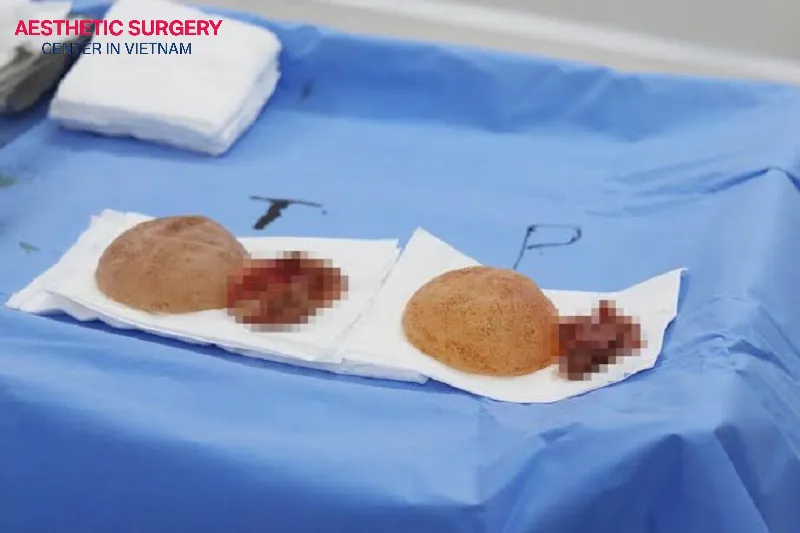
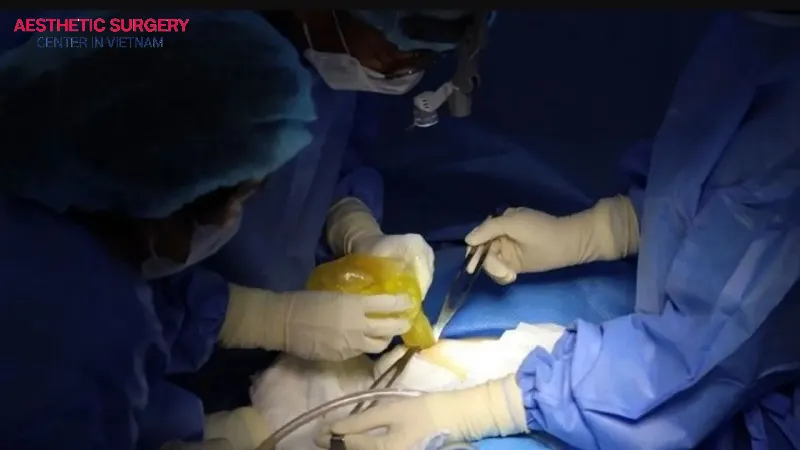
Capsulectomy is the most comprehensive surgical approach for severe capsular contracture. Breast augmentation surgeon dissects and removes either part of or the entirety of the contracted fibrous capsule from the chest pocket.
Specifically, en bloc capsulectomy is often preferred. In this technique, the surgeon extracts the entire intact capsule together with the enclosed implant in one continuous specimen without rupturing the membrane. This procedure requires high surgical precision and prevents biofilm bacteria or leaked silicone gel from contaminating adjacent healthy tissues, minimizing the chance of recurrence.
Capsulotomy
Capsulotomy represents a less extensive intervention than complete capsulectomy. The surgeon utilizes a scalpel or electrocautery device to place precise incisions directly through the thickened fibrous capsule. Scoring the capsule releases internal tension, expanding the surgical pocket and providing adequate space for the implant to settle back into an anatomically natural position.
This technique is typically reserved for cases where the capsule is not excessively thick, or where the scar tissue adheres tightly to the pectoral muscle or ribs, making total dissection hazardous. While offering a quicker recovery, capsulotomy carries a higher rate of recurrence compared to total capsulectomy.
Implant exchange or total explantation
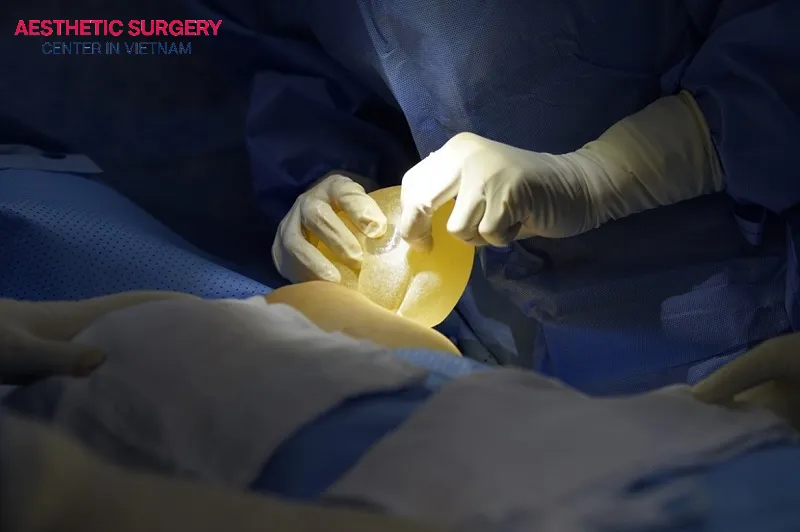
Once the capsule has been addressed via capsulectomy or capsulotomy, the management of the implant itself is considered based on clinical findings and patient preference:
- Implant exchange: In most cases of high-grade contracture, exchanging the old implant for a new one is strongly advised because the original shell is often colonized by bacterial biofilms. To lower the recurrence risk, the surgeon may recommend switching the implant shell profile (such as smooth vs. textured), adjusting the implant volume, or altering the pocket plane (e.g., dual-plane pocket conversion).
- Complete explantation: If the patient chooses not to retain implants or fears recurrence, the implants are permanently removed. Because native breast parenchyma and skin have been stretched over time, explantation is frequently combined with a breast lift (mastopexy) or autologous fat grafting to re-establish a contoured, natural silhouette.
Recovery and postoperative care
Surgical breast implant capsular contracture treatment is a specialized procedure requiring structured postoperative care to safeguard aesthetic results and minimize recurrence. Strict compliance with clinical protocols accelerates overall breast augmentation recovery and preserves long-term outcomes.
Preoperative and postoperative essentials
Preoperative guidelines
- Discontinue smoking and avoid blood-thinning medications or supplements (such as Aspirin, Ibuprofen, and Vitamin E) for at least 2 weeks before surgery.
- Fully disclose your medical history and current prescription medications to your surgical team.
- Arrange adequate rest and secure assistance with daily activities for the initial 3 to 5 days post-surgery.
Postoperative guidelines
- Wear a medical-grade compression garment continuously day and night (typically for 4 to 6 weeks) to stabilize implant positioning and control postoperative edema.
- Take all prescribed antibiotics, analgesics, and anti-inflammatory medications strictly as directed.
- Keep incision sites clean and dry; follow specific sterile dressing change instructions.
- Strictly avoid vigorous physical activity, heavy lifting, high-impact workouts, or lifting arms overhead during the first month.

Recovery monitoring and long-term results
- Strictly attend all scheduled postoperative follow-ups (typically at 1 week, 1 month, 3 months, and 6 months) for clinical assessment.
- Monitor your body and notify your surgeon immediately if you develop high fever, localized erythema, sudden severe pain, or persistent wound drainage.
- Do not perform breast massage exercises unless explicitly instructed and cleared by your operating surgeon.
- Maintain regular breast health screenings, including annual breast ultrasound or MRI imaging, to monitor implant integrity and detect early capsule changes.
- Adopt a healthy lifestyle, maintain a stable weight, and follow a balanced diet rich in micronutrients to support soft tissue health.

Preventative measures against breast implant complications
While zero risk cannot be guaranteed when introducing an implant into the body, the incidence of complications—especially capsular contracture—can be substantially reduced through advanced surgical techniques and sound patient care:
- Select board-certified specialists and accredited surgical facilities: Ensure your surgery is performed in an accredited hospital setting by a board-certified plastic surgeon. Precise anatomical dissection and strict sterile technique reduce tissue trauma, contamination, and capsule formation.
- Select appropriate implant dimensions: Choosing an excessively large implant places excessive tension on overlying skin, increasing the risk of rippling, thinning, or malposition. Prioritize FDA-approved implants with a projection and volume that match your native chest anatomy.
- Follow strict preoperative restrictions: Discontinue smoking and avoid anticoagulant agents like Aspirin and Ibuprofen for at least two weeks before your procedure to support local perfusion, prevent hematoma formation, and accelerate primary healing.
- Adhere to proper compression and activity restrictions: Wearing a surgical bra consistently during early recovery secures the pocket architecture and minimizes swelling. Avoid heavy lifting and high-impact sports to prevent suture disruption and implant displacement.
- Follow clinician-directed breast massage protocols: Once initial healing is established, your surgeon may introduce gentle breast massage tailored to your specific implant type. Appropriate massage helps maintain pocket compliance and tissue softness.
- Maintain routine follow-up and imaging surveillance: Keep scheduled consultations and undergo periodic diagnostic imaging (ultrasound or MRI) to detect micro-ruptures or fluid collections early, enabling timely clinical management.

Frequently asked questions about capsular contracture treatment
Can capsular contracture recur after treatment?
Yes. Capsular contracture can recur even after successful surgical revision. The recurrence rate depends on original contracture severity, surgical technique, and implant management. Utilizing en bloc capsulectomy, exchanging the implant, and maintaining strict sterile protocols significantly lower this risk.
Is capsular contracture corrective surgery painful?
The procedure is performed under general anesthesia, designed to keep you comfortable and minimize pain during surgery. Postoperative soreness, swelling, and tightness are normal once anesthesia wears off; your surgeon will prescribe analgesics and anti-inflammatory medications to manage this comfortably. Many patients report that recovery from revision surgery is milder than their initial augmentation.
Can I remove the implants permanently without replacing them?
Yes. If you prefer not to retain implants, your surgeon can perform total explantation alongside capsulectomy. Because the skin and glandular tissue were stretched, explantation alone may leave the breasts deflated, loose, or ptotic. Surgeons frequently combine explantation with mastopexy (breast lift) or autologous fat transfer to restore natural shape, projection, and firmness.
How long does recovery take following surgery?
Recovery duration mirrors that of primary breast augmentation. Most patients resume light walking and basic daily routines within 3 to 5 days. However, full internal tissue stabilization requires continuous compression bra wear and avoidance of strenuous physical activity or heavy lifting for at least 4 to 6 weeks.
Understanding the available methods of breast implant capsular contracture treatment demonstrates that this complication can be resolved effectively when handled by an experienced, board-certified plastic surgeon. If you notice signs of firmness, distortion, or pain, schedule an in-person consultation at an accredited aesthetic clinic or hospital for timely diagnosis and personalized treatment.
>>> See more: Signs of infection after breast reduction surgery










Comment on the post