



Eyelid surgery is one of the most common cosmetic procedures today, performed by skilled and experienced surgeons. However, in some cases, the results may not meet expectations. So, can botched eyelid surgery be fixed? Let’s explore the details with Aesthetic Surgery Center in Vietnam in the article below.
Can failed eyelid surgery be repaired?
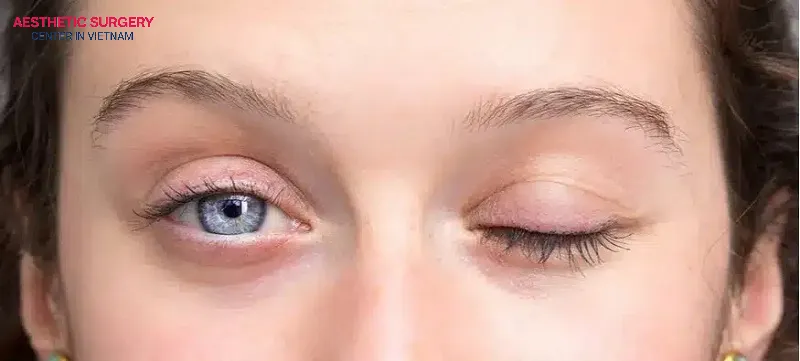
The answer is yes, but the level of correction depends on the cause and the actual condition of the eyelids. In many cases, botched eyelid surgery can be repaired through reconstructive surgery or non-invasive methods to restore the eye’s appearance and function.
If the issues are minor, such as uneven creases, small scars, or prolonged swelling, the surgeon may correct them with filler injections or laser skin resurfacing to improve the texture and tone around the eyes. However, if too much skin was removed, there is significant asymmetry, or the eyelids cannot fully close, more advanced revision procedures such as skin grafting, fat transfer, or eyelid muscle support may be required to restore the natural eye shape.
>>> See more: How long to avoid certain foods after a brow lift?
How long after a botched eyelid surgery can it be revised?
Usually, after a botched eyelid surgery, you need to wait at least 3–6 months before undergoing a revision procedure.This healing period is a vital part of the overall eyelid surgery experience, as it allows the wound to heal completely, the eyelid tissues to stabilize, and swelling to subside. By this time, the old scar becomes softer, making it easier for the surgeon to operate without causing further damage.
However, the exact timing depends on each individual’s eyelid condition. In severe cases, such as incomplete eyelid closure, infection, or temporary vision loss, the surgeon may perform an earlier intervention to prevent complications and protect eye function.
Some cases of failed eyelid surgery
Correcting botched eyelid surgery can be a complex process, depending on the type and severity of the issue. Below are some common cases of unsuccessful eyelid surgery:
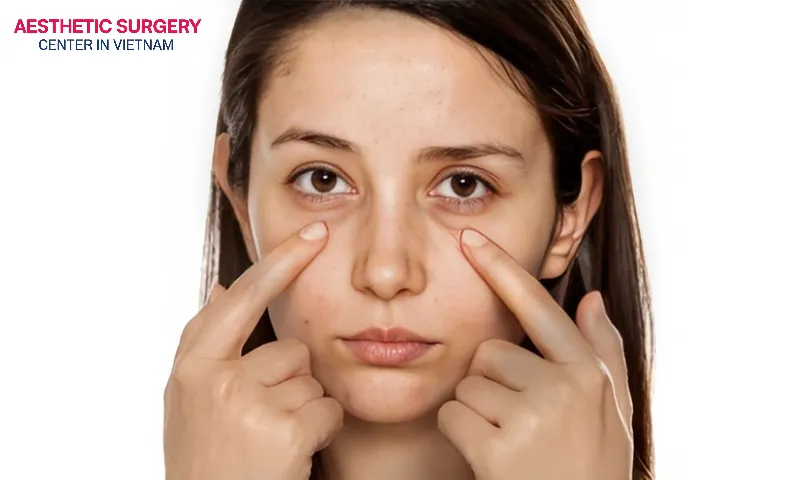
- Sunken upper eyelids occur when the surgeon removes too much skin, muscle, or fat from the eyelid, causing the area to become hollow and deeply sunken, making the face look tired and lifeless. Therefore, sunken upper eyelids are considered one of the most common complications after eyelid surgery.
- Lateral canthal webbing is a relatively rare complication but can occur after lateral canthoplasty. When the skin at the outer corner of the eye is pulled in the wrong direction or does not heal properly, an extra skin fold may form, covering part of the eye corner, which affects both aesthetics and the ability to open the eye.
- Lower eyelid retraction can occur after lower eyelid reduction surgery when too much skin is removed or the tissues are not properly fixed. This causes the lower eyelid to turn outward or no longer rest close to the eyeball, leading to dryness and an unnatural appearance of the eyes.
>>> See more: Blepharoplasty covered by insurance?
How to safely fix a botched eyelid surgery
The correction of botched eyelid surgery depends on several factors, including the underlying causes and the extent of the damage. Based on the specific condition, surgeons will determine the most appropriate method to restore both the appearance and function of the eyelids. Below are some common corrective approaches:
Correction through revision surgery
- Skin grafting: When too much skin has been removed from the eyelid, causing difficulty in closing the eyes or creating tension, the surgeon will use a skin graft to reconstruct the eyelid area. This helps restore natural movement and protects the eyes from dryness and irritation.
- Fat grafting: This method helps add volume to areas that are hollow, sunken, or uneven eyelids. Fat is taken from areas such as the abdomen or thighs, then processed and injected into the eyelids to create a fuller and softer appearance.
- Canthoplasty (outer corner eye surgery): Applied in cases where the lower eyelid sags, turns outward, or cannot close properly. This procedure helps reshape the outer corner of the eye, lift the lower eyelid, and improve overall aesthetics.

Correction with non-surgical methods
- Dermal filler injections: In cases where the eyelids are uneven or slightly sunken, fillers can be used to restore lost volume, creating balance and smoothness between the two lids without the need for surgery.
- Laser skin resurfacing: This method helps improve skin texture, fade scars, reduce wrinkles, and stimulate new cell regeneration, making the eyelid area look more youthful and natural.

To minimize unwanted risks, choosing a reputable aesthetic center with a team of highly qualified and experienced surgeons is extremely important. Aesthetic Surgery Center In Vietnam takes pride in being a 5-star cosmetic facility, equipped with modern medical technology and staffed by leading experts with many years of experience in aesthetic surgery.
In particular, the center specializes in eyelid correction and revision procedures such as eyelid muscle adjustment and lateral canthoplasty (outer corner extension). Each procedure is meticulously performed following strict medical standards to ensure maximum safety and optimal aesthetic results, helping the eyes appear more harmonious, natural, and symmetrical.
Aesthetic Surgery Center In Vietnam is committed to delivering a perfect experience for every client, helping you not only regain the beauty of your eyes but also restore your confidence through your gaze.
With the information shared above, you now have a detailed answer to the question: “Can botched eyelid surgery be fixed?” We hope this article has helped you gain a clearer understanding, so you can make an informed decision and confidently restore the natural beauty of your eyes.
>>> See more: eyelid surgery clinic in vietnam















Comment on the post