



Whether a blepharoplasty covered by insurance is an option for you is a common concern for many considering eyelid surgery. In reality, not all eyelid procedures are supported by insurance, and the approval criteria vary strictly between insurance providers. If you are worried about the costs and want to know which cases are covered or not, the article below from Aesthetic Surgery Center will provide you with clear and detailed information.
Is blepharoplasty covered by insurance?
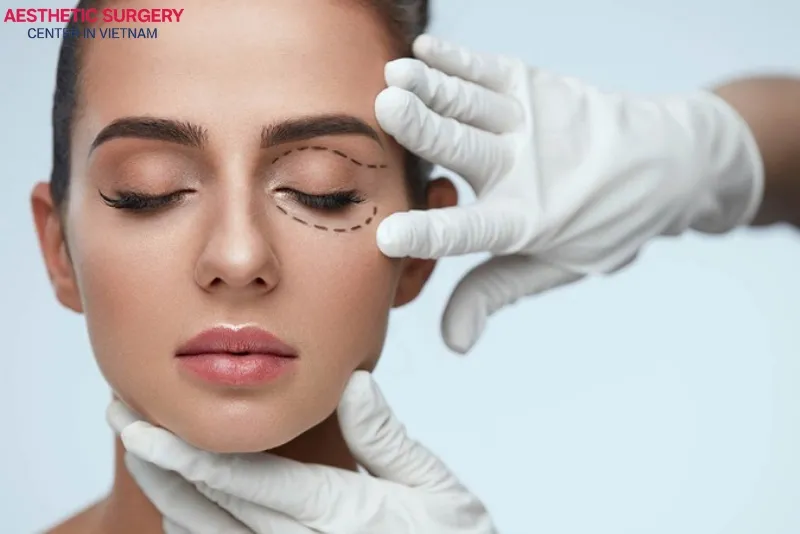
In most cases, cosmetic blepharoplasty is not covered by insurance because it is considered a beauty procedure and is not listed as a medically necessary treatment. However, in special cases, insurance may cover part or all of the cost if a specialist determines that the surgery is needed to address a health issue that directly affects vision or eye function.
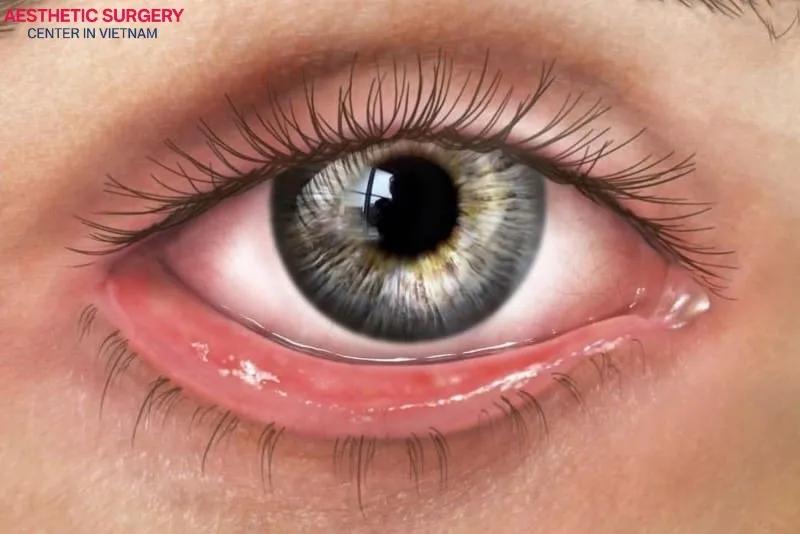
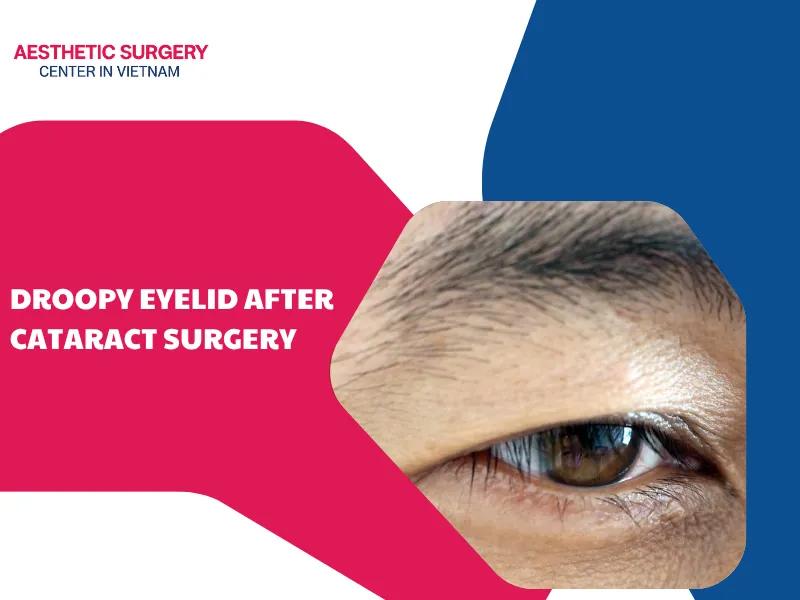
Examples include drooping eyelids that block vision, severe ptosis making it difficult to open the eyes, inward-turning eyelids causing constant irritation, or outward-turning eyelids leading to dry corneas or recurrent conjunctivitis. These conditions not only cause discomfort but also affect daily activities such as driving, studying, and working. If a surgeon provides a clear diagnosis along with supporting images, vision records, or eye function test results, the insurance company can assess the medical necessity of the surgery. If confirmed as a treatment-related procedure, patients may receive coverage according to the benefits of their specific insurance plan.
>>> See more: Can you see after eyelid surgery?
Criteria for insurance coverage
For a blepharoplasty covered by insurance, the procedure must be classified as a medically necessary treatment rather than a cosmetic intervention. Insurance will only approve coverage if the patient can demonstrate that the eyelid condition interferes with daily activities or impairs vision. Key criteria that insurance companies typically consider include:
- The degree of eyelid drooping that blocks the pupil or reduces the field of vision.
- Ptosis causes difficulty opening the eyes, leading to eye fatigue or discomfort during prolonged visual tasks.
- Inward or outward turning of the eyelids causing irritation, excessive tearing, or recurrent inflammation.
In addition to symptoms, patients must provide specialist consultation records, vision test results, and supporting images to show the impact on eye function. Only with complete medical evidence will the insurance company evaluate and determine coverage according to the terms of each policy.
Cases not covered by eyelid surgery
In most cases, medical and health insurance do not cover cosmetic eyelid surgery, as it is not considered a treatment for a medical condition. Common situations that are not supported by insurance include:
- Blepharoplasty for facial rejuvenation: Procedures to address signs of aging, such as loose skin, excess fat, or uneven eyelid folds, that do not affect vision or eye function are considered cosmetic and are not covered.
- Cosmetic eyelid shaping: Requests such as creating double eyelid, correcting minor asymmetry, enlarging the eyes, or enhancing eyelid folds are purely aesthetic and fall outside insurance coverage.
- No medical diagnosis: Even if the eyelids show mild drooping or aging, insurance will not cover the procedure unless a surgeon confirms that the condition affects vision or causes an eye-related medical problem.
- Incomplete documentation: Many insurance providers require clear evidence such as vision test results, photos showing eyelid drooping obstructing vision, or medical records. If the documentation is incomplete or does not meet the criteria, coverage will be denied.
In summary, insurance will only consider supporting eyelid surgery if it is medically necessary and backed by verifiable medical evidence. Purely cosmetic procedures are not covered.
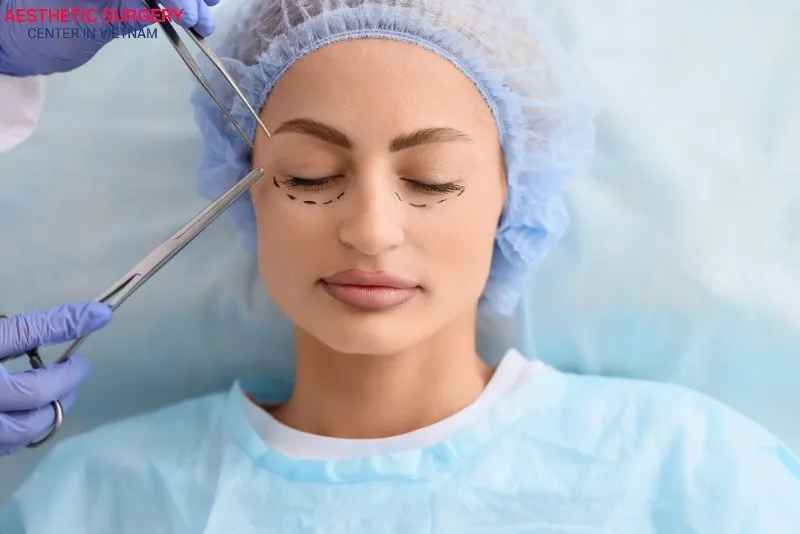
In summary, whether your blepharoplasty covered by insurance depends entirely on the medical purpose and the extent to which your eyelid condition affects your vision. Regardless of whether the goal is cosmetic or therapeutic, the most important factor is choosing a skilled surgeon and a safe clinic to ensure natural, effective, and long-lasting results. Aesthetic Surgery Center hopes the information above helps you feel more confident in making the right decision for your eye health and overall well-being.
>>> See more: Eyelid surgery cost in Vietnam













Comment on the post