


If you are looking for a comprehensive solution to correct a saddle nose that has affected your confidence for a long time, Vietnam is an ideal destination. Here, rhinoplasty for saddle nose combines advanced technology with high-level techniques to deliver natural results that meet global standards. To better understand this aesthetic journey, let’s explore the details in the article below.
What is a saddle nose?
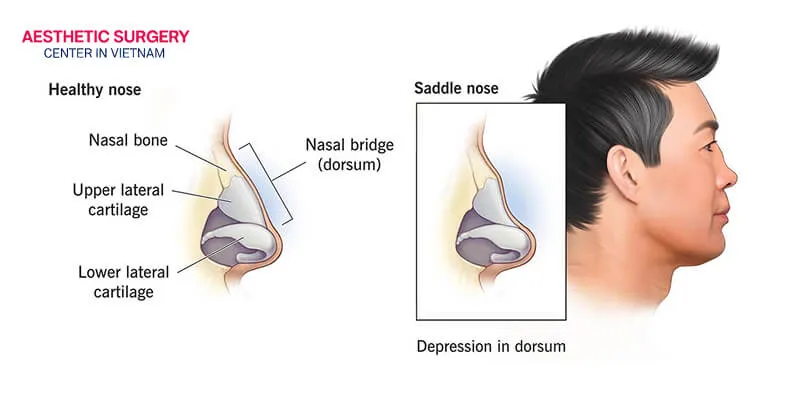
A saddle nose is a deformity characterized by a collapse of the nasal bridge due to structural loss of septal support. It differs from a naturally low or flat nasal bridge. Other signs that help identify a saddle nose include nasal pain or discomfort, nosebleeds, chronic crusting around the nose, an upturned nasal tip, breathing difficulties, horizontal wrinkles at the lower part of the nose, and nasal septum perforation.
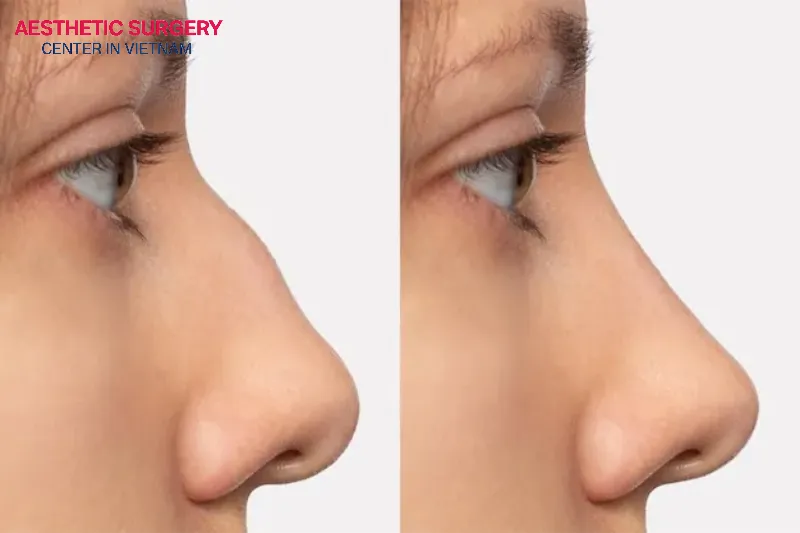
This deformity causes the nose to lose its natural height, making the nasal bridge appear flat or clearly sunken in side view, which disrupts overall facial harmony.
A saddle nose not only affects appearance but can also cause breathing difficulties if the nasal septum is deviated or damaged. Fortunately, with modern rhinoplasty for saddle nose, this condition can be corrected safely and naturally.
What causes saddle nose?
The direct cause of a saddle nose mainly comes from damage to the nasal septum, which is the key cartilage that supports the structure and height of the nasal bridge. When the septum weakens or loses support, the bridge collapses, creating the characteristic depressed shape.
So, what are the indirect causes that lead to nasal damage?
- Trauma: This is the most common cause. Strong impacts from traffic accidents or sports injuries can fracture the nasal bones and damage the septum or supporting cartilage. If not treated promptly, the support structure weakens over time, causing collapse in the middle of the nose.
- History of nasal surgery: In some rhinoplasty cases, excessive removal of septal cartilage or inadequate reconstruction during septal correction can gradually reduce nasal support. As a result, the nasal bridge loses height and develops a saddle-like depression.
- Nasal septal hematoma: Blood accumulation between the two mucosal layers of the septum after trauma or surgery, if not drained in time, can compress blood vessels. This leads to poor blood supply and cartilage necrosis.
- Nasal septal abscess: This is a serious infectious complication, often developing from an untreated septal hematoma or spreading infection. Pus destroys cartilage and surrounding tissues, severely weakening nasal support.
- Blood disorders and autoimmune diseases: Chronic inflammation can damage septal cartilage and supporting tissues, leading to loss of nasal bridge height and saddle nose deformity. These conditions are often associated with systemic symptoms such as chronic sinusitis, joint pain, or skin lesions, and require early diagnosis and medical treatment.
- Infections: Conditions such as congenital syphilis, leprosy, or other rare infections can destroy nasal cartilage and bone. Bacterial invasion causes inflammation, ulceration, and tissue necrosis, gradually weakening the nasal structure.
- Substance abuse: Intranasal cocaine abuse is a significant cause of saddle nose. Cocaine causes severe vasoconstriction, reducing blood flow to the septum. This leads to poor nutrition, cartilage necrosis, and septal perforation. Long-term use can completely destroy the cartilage, resulting in severe nasal collapse.
How do you fix a saddle nose?
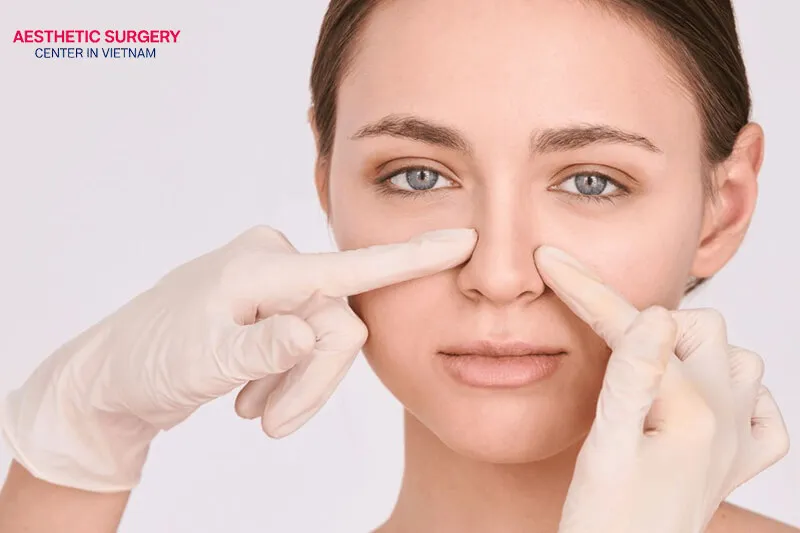
Correcting a saddle nose depends on its severity and underlying cause, with the goal of restoring both appearance and nasal function.
For mild cases that mainly affect aesthetics, non-surgical options such as dermal fillers are commonly used. The surgeon injects filler into the depressed area of the nasal bridge to restore height and create a smooth, straight profile. This method is quick, requires little to no downtime, and results last about 6–18 months depending on the filler type. It can be repeated when needed and is ideal for those who want to preview the result before surgery.
For moderate to severe cases, where the depression is deeper, the nasal septum is damaged, or breathing is affected, reconstructive saddle nose rhinoplasty is the most effective and long-term solution. The main approach is structural rhinoplasty, using autologous cartilage to rebuild the nasal framework and support the bridge, restoring both stability and natural height.
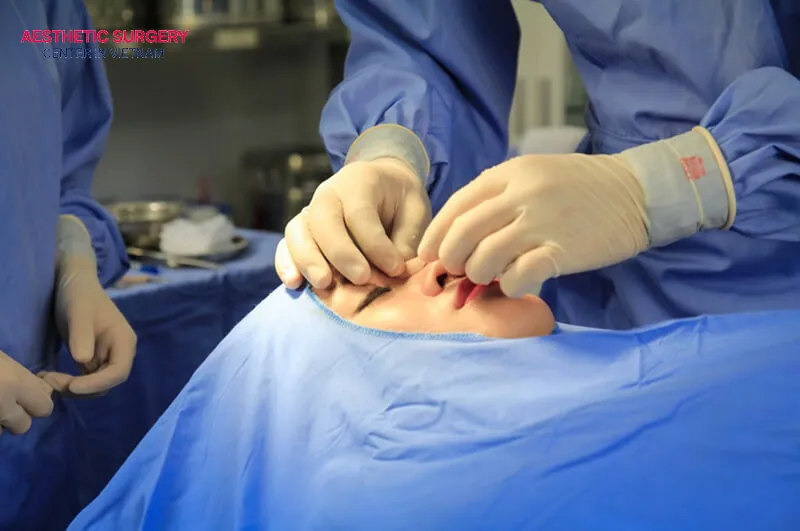
Ideal candidates for saddle nose rhinoplasty
If you are an adult with fully developed facial structures, usually 18 years old or older, and you have a depressed nasal bridge that affects your appearance or breathing, you may be an ideal candidate for this procedure.
In addition, you must meet certain health requirements before surgery. You should be in good overall health, have no serious chronic conditions that affect blood clotting or wound healing, and you should not smoke.
Benefits of saddle nose deformity correction
Saddle nose correction brings comprehensive improvements in both appearance and function, helping restore confidence and improve quality of life.
From an aesthetic perspective, reconstructive rhinoplasty raises the sunken nasal bridge and creates a straight, naturally elevated profile that is harmonious with the face from all angles, especially the side view. The result is a balanced, refined nose that looks natural, as if it has never been altered, reducing self-consciousness and significantly improving satisfaction with appearance.
Functionally, rebuilding the supporting structure helps widen the airway and correct breathing difficulties, chronic nasal congestion, or obstruction caused by the deformity. Many patients notice easier breathing, fewer sinus infections, and improved sleep after correction.
What is the cost of a saddle nose rhinoplasty?
The cost of saddle nose rhinoplasty in Vietnam typically ranges from about 1,500 to 4,500 USD, depending on the complexity of the procedure.
For mild to moderate cases using autologous cartilage from the ear or nasal septum, the cost usually falls between 1,800 and 3,000 USD. For severe cases with deep collapse that require rib cartilage, full structural reconstruction, and septal correction, the price can reach 3,500 to 4,500 USD or higher at some premium clinics.
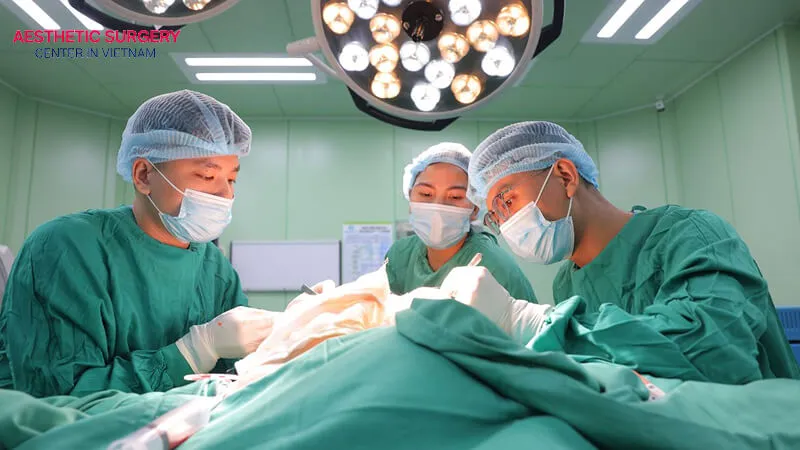
In addition, there may be extra costs such as anesthesia, preoperative tests, postoperative care, medications, and follow-up visits.
How long does it take to recover after saddle nose treatment?
Full recovery after saddle nose rhinoplasty usually takes about 6 to 12 months. However, healing happens gradually through the various rhinoplasty swelling stages and requires careful observation, proper postoperative care, and patience.
- Early stage (first 1–2 weeks): This is the main recovery period. The nasal splint is typically removed after 7–10 days, stitches are taken out if needed, and you can return to work or light activities after about 7–14 days. Swelling and bruising decrease significantly, though mild swelling may remain.
- 1–3 months: Swelling continues to subside, and the nose begins to look more natural in shape. Light exercise is usually allowed after 4–6 weeks, and the aesthetic result becomes quite noticeable after 3 months.
- Full recovery: The nose stabilizes and reaches its final result within 6–12 months.

Where to get saddle nose rhinoplasty in Vietnam?
Finding a reputable rhinoplasty clinic in Vietnam for saddle nose correction is easier than ever, with many facilities applying advanced techniques and using autologous cartilage to naturally reconstruct a sunken nasal bridge. Specialists in the region are increasingly adept at ethnic rhinoplasty, ensuring that structural corrections respect the unique facial characteristics and nasal anatomy of diverse patient backgrounds.
One reliable option for international patients is Aesthetic Surgery Center in Vietnam, known for its high quality and specialized services for overseas patients. Aesthetic Surgery Center in Vietnam has a team of highly qualified surgeons with extensive experience in complex nasal procedures such as saddle nose deformity, strong expertise, and continuous updates on modern international techniques.
Aesthetic Surgery Center in Vietnam is equipped with modern facilities and advanced medical equipment to ensure optimal safety. Its professional and friendly staff provide comprehensive support from consultation to postoperative care.
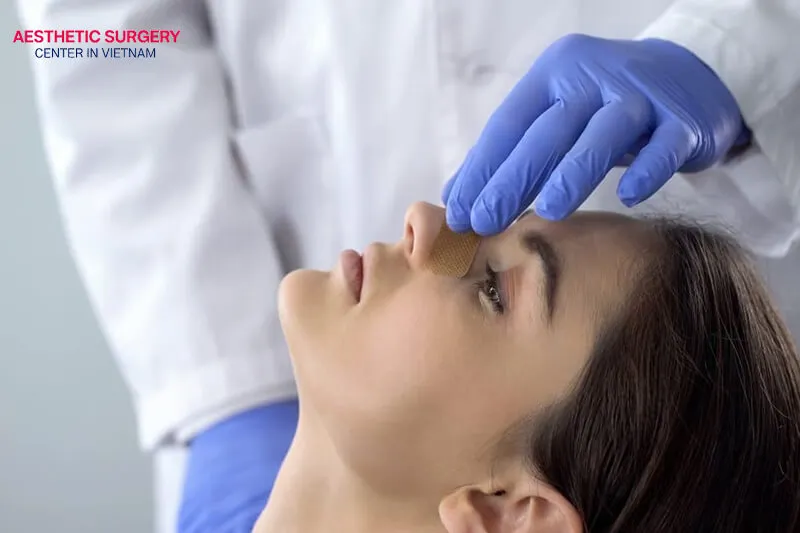
In particular, Aesthetic Surgery Center in Vietnam also provides convenient airport transfer services and assistance with booking high-quality hotels, allowing you to comfortably combine relaxation and cosmetic treatment with complete peace of mind.
A saddle nose is not only an aesthetic concern but also affects confidence and daily quality of life. With reasonable costs, a relatively quick recovery, and long-lasting natural results, rhinoplasty for saddle nose in Vietnam is an ideal choice for international patients. Contact Aesthetic Surgery Center in Vietnam today for consultation and begin your journey toward restoring a balanced nose and renewed confidence.















Comment on the post