


The fear of a rhinoplasty scar affecting the appearance of a newly reshaped nose is a common concern for many patients. In reality, while all surgical procedures leave some form of mark, modern surgical techniques can make these scars virtually invisible. This article provides detailed information about what causes rhinoplasty scars, how long they take to heal, and the best medical care practices to support recovery, helping you feel more confident about enhancing your appearance.
Does rhinoplasty leave scars?
Rhinoplasty is not only a procedure designed to reshape the nose and correct cosmetic concerns, but also a medical solution for functional issues such as a deviated septum that interferes with breathing. From a medical perspective, rhinoplasty can leave scars, and the visibility of a rhinoplasty scar depends on the surgical technique used, including open rhinoplasty and closed rhinoplasty. Based on your existing nasal structure and aesthetic goals, the surgeon will recommend the most appropriate and safest approach while ensuring optimal scar concealment.
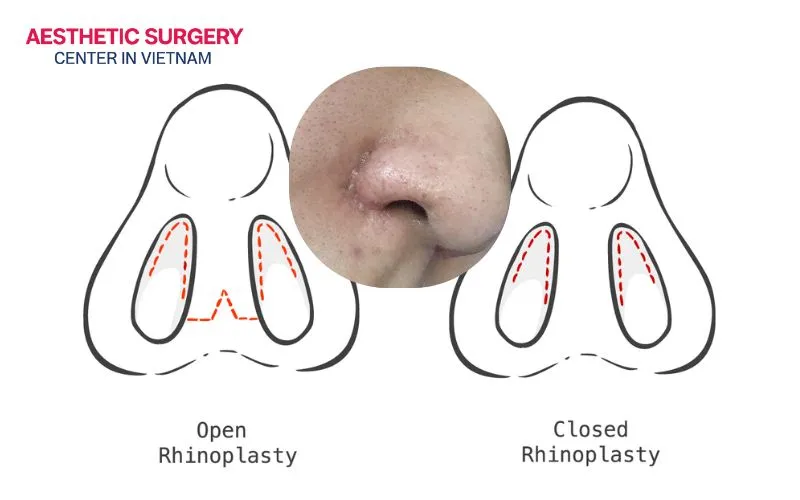
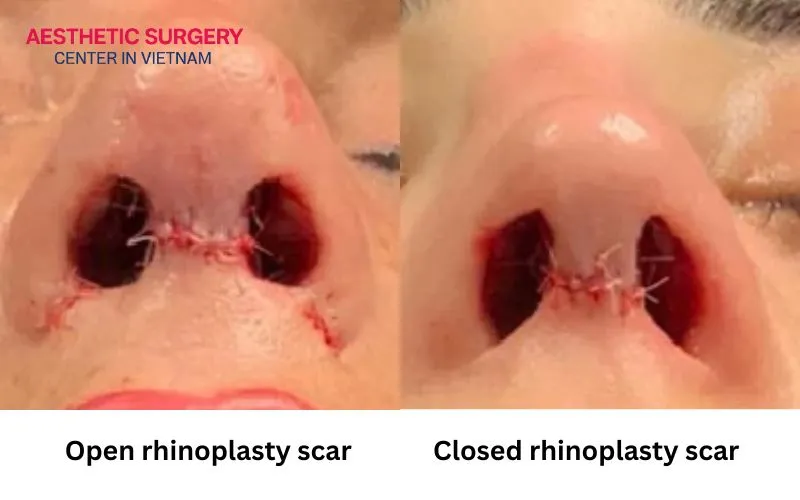
Scars from open rhinoplasty technique
With this technique, the surgeon makes a micro-incision across the columella – the soft tissue between the two nostrils. This incision allows the surgeon to gently lift the nasal skin, providing a full view of the internal structure for precise correction. This not only minimizes damage to soft tissue but also helps the scar gradually fade and become smooth after healing.
Scars from closed rhinoplasty technique
In contrast to open surgery, closed rhinoplasty is performed skillfully inside the nasal mucosa. The outstanding advantage of this method is that it completely eliminates the risk of rhinoplasty scar being exposed on the external skin surface. As a result, the recovery process is faster, swelling and rhinoplasty bruising are minimized, and the nasal shape stabilizes sooner.
Factors that impact scar development
To have realistic expectations and an objective understanding of the healing process of rhinoplasty scar, you need to clearly understand the three main groups of factors that directly determine scar appearance below:
Surgical skill and technique
The height and structure of rhinoplasty scar tissue depend greatly on the surgeon’s technique and clinical experience in the operating room:
- Incision placement: Choosing the optimal method between closed rhinoplasty or open rhinoplasty based on the patient’s nasal anatomy.
- Gentle tissue dissection: Careful handling of cartilage and soft tissue, minimizing deep invasion to reduce tissue damage and prevent unsightly raised scars.
- Tension control: Sutures performed with appropriate tension and without excessive pulling help the scar remain flat and fine.
- Wound closure technique: Precision in aligning both wound edges using specialized medical sutures helps the healed incision blend seamlessly with skin tone.
Skin characteristics and genetic factors
The body’s natural biological response plays a key role in the regeneration of rhinoplasty scar tissue:
- Skin characteristics: People with thick or oily skin often have better scar tissue recovery. However, these skin types may also prolong post-operative rhinoplasty swelling.
- History of keloids: If you have a tendency to develop keloid scars or hypertrophic scars, the surgeon will establish a special preventive treatment plan from the beginning to reduce post-surgical scar complications.
- Collagen production rate: The rate of collagen synthesis and remodeling determines how long it takes for the scar to soften.
Post-operative care and lifestyle habits
Strict adherence to a standardized medical aftercare protocol can reduce the risk of visible rhinoplasty scar formation by up to 50%. In contrast, negative habits may lead to raised, uneven, or pigmented scars:
- Smoking and nicotine use: Causes vasoconstriction, reducing oxygen supply to soft tissues, leading to a high risk of poor scarring and even tissue necrosis.
- Alcohol abuse: Triggers systemic inflammatory responses, prolonging swelling and rhinoplsaty recovery time.
- Neglecting sun protection: UV rays stimulate melanin production, causing early scars to become darkened, discolored, and persistently red.

Do rhinoplasty scars disappear and how long does it take?
The answer is YES. Rhinoplasty scars gradually fade within the first few weeks and typically take 3–6 months to become significantly less visible, with continued improvement up to 1 year for near-complete fading.
In reality, scar tissue is an essential part of the natural healing process after any cosmetic surgery. However, thanks to the body’s biological healing mechanism combined with strategically concealed incision placement, the remaining marks are very subtle. At close conversational distance, they are usually unnoticeable, and they can be easily covered with light makeup.
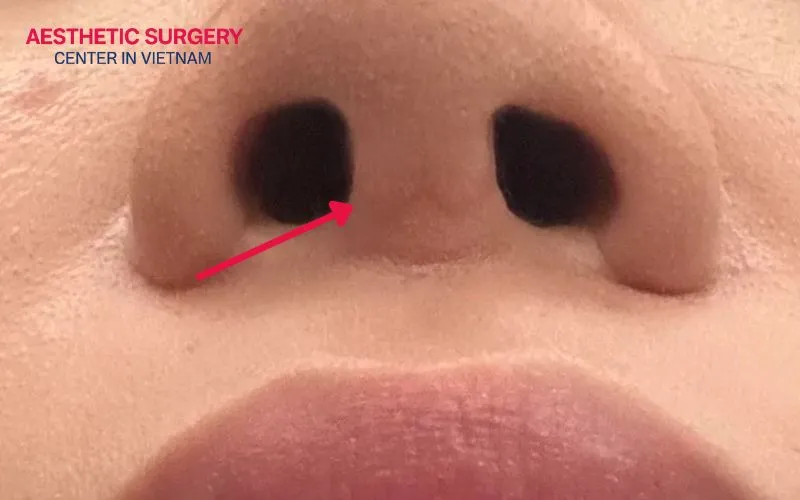
Best practices for rhinoplasty scar tissue reduction
To promote faster fading of rhinoplasty scar tissue and prevent complications, you should follow a comprehensive post-operative care routine according to the medical guidelines below.
Immediate post-op care
This is a critical stage to protect micro-incisions, prevent infection, and support proper wound closure.
- Wound hygiene and protection: Clean the nose with sterile saline solution as instructed by your surgeon. If open rhinoplasty was performed, be especially careful when washing your face, avoiding rubbing or using harsh cleansers. Do not pick or remove scabs manually.
- Control nasal pressure: Keep your head elevated at all times to support fluid drainage and reduce swelling. Avoid touching the nose or allowing any pressure or impact on the surgical area.
- Sun protection: Carefully shield the surgical site from sunlight when going outdoors to prevent hyperpigmentation and darkening of early scars. Do not forget to attend follow-up appointments so the surgeon can monitor early healing progress.
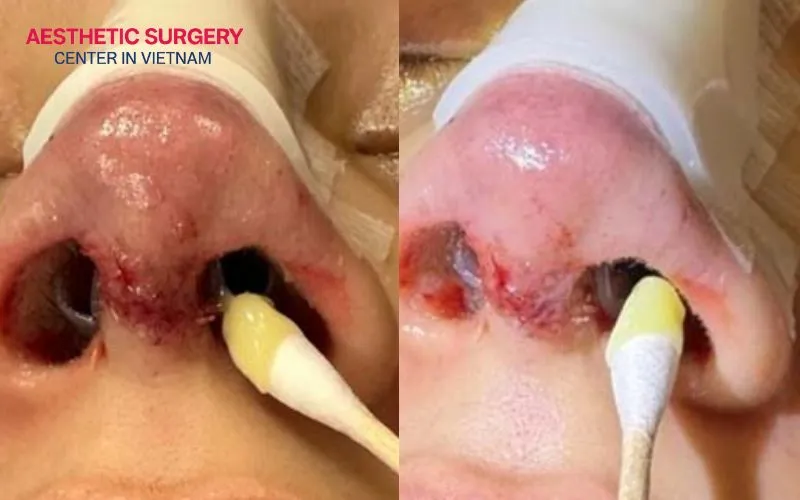
Medications and topical treatments
Once the wound has fully closed, you may consult your doctor to add topical active agents to better control tissue proliferation during healing.
- Medical silicone gel or silicone sheets: These form a protective moisture-retaining layer that helps flatten scar tissue effectively.
- Creams containing vitamin E or onion extract: These help soften hardened scar tissue, soothe the skin, and reduce itching during the healing phase.
- Corticosteroid injections: A specialized treatment prescribed by a doctor for hypertrophic scars or keloid-prone cases, helping to suppress excessive collagen production.
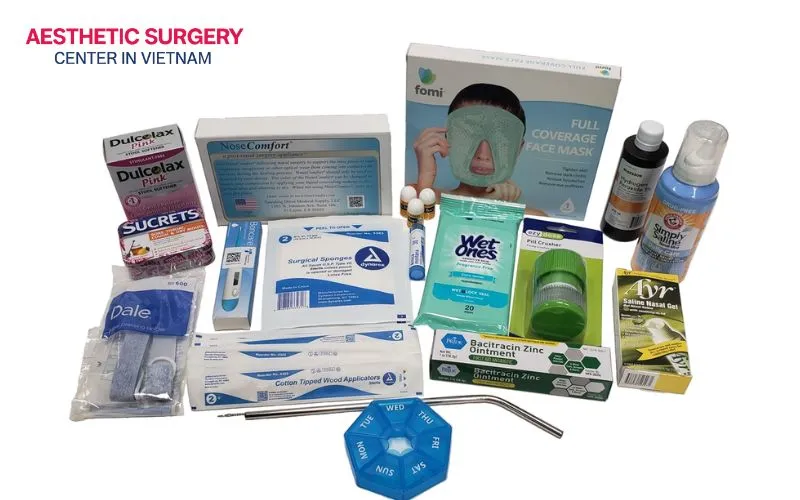
Nutrition for faster healing
After rhinoplasty, you should supplement the following nutrients:
- Vitamin C: This is an essential nutrient that supports natural collagen synthesis in the body, helping strengthen connective tissue and promote faster wound closure.
- Zinc: Acts as a powerful biological catalyst, increasing cell division and supporting new tissue regeneration.
- Vitamin A: Promotes skin turnover and helps repair damage on the epidermal structure.
- Water: Maintain an intake of 2–2.5 liters of water per day to keep skin hydrated and support metabolism and toxin elimination.
Foods to avoid during recovery
In contrast to the beneficial nutrients above, the following factors can interfere with blood circulation, trigger inflammatory responses, and increase the risk of abnormal rhinoplasty scar formation.
- Refined sugar and saturated fats: Slow down the natural healing process and reduce the body’s collagen production efficiency.
- Caffeine and alcohol: Cause dehydration, making the skin dry and prolonging swelling.
- Smoking and nicotine products: Considered the “number one enemy,” they constrict blood vessels, reduce oxygen and nutrient supply to the healing nasal tissues. They not only increase the risk of darkened and hardened scars but also raise the risk of infection and tissue necrosis.
The complete rhinoplasty scar recovery timeline
The process of remodeling and maturation of rhinoplasty scar tissue occurs slowly and quietly. After some time, the external appearance may seem fully healed; however, deeper internal nasal tissues continue to adjust and remodel to achieve optimal stability over several months.
The detailed post-rhinoplasty recovery process progresses through the following stages:
First 2 weeks
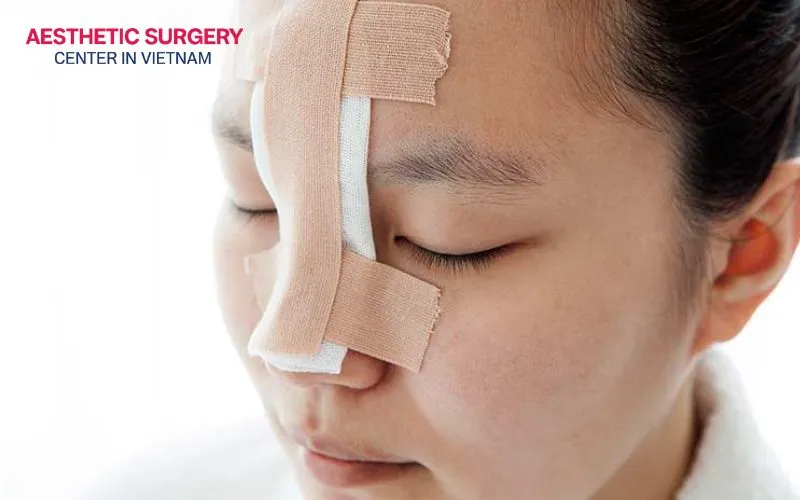
At this stage, the nasal area begins to show mild tightness and swelling in both the nasal tip and bridge. For open rhinoplasty, small scabs may form at the incision site, and the wound may appear pink or red with a slightly uneven surface. During the first 14 days, you should prioritize protecting the scar tissue and cleaning the incision according to your surgeon’s instructions to prevent infection.
From 1–3 months
This stage may cause concern as swelling begins to reduce but does so unevenly. The appearance of the incision may look better on some days but show little improvement on others. In addition, the nasal tip often remains firmer than the nasal bridge, and the entire nose may still look stiff as the deeper tissue system is actively remodeling.
From 3–6 months
From the third month onward, external scars begin to flatten, lighten in color, and gradually blend with the surrounding natural skin tone. At the same time, stiffness decreases significantly, and the nasal shape becomes softer, more refined, and more natural in photos.
Although the skin surface shows positive changes, deep tissue remodeling is still ongoing. You should continue to be patient and maintain strict post-operative care habits, as well as regularly apply scar treatment gel.
After 1 year
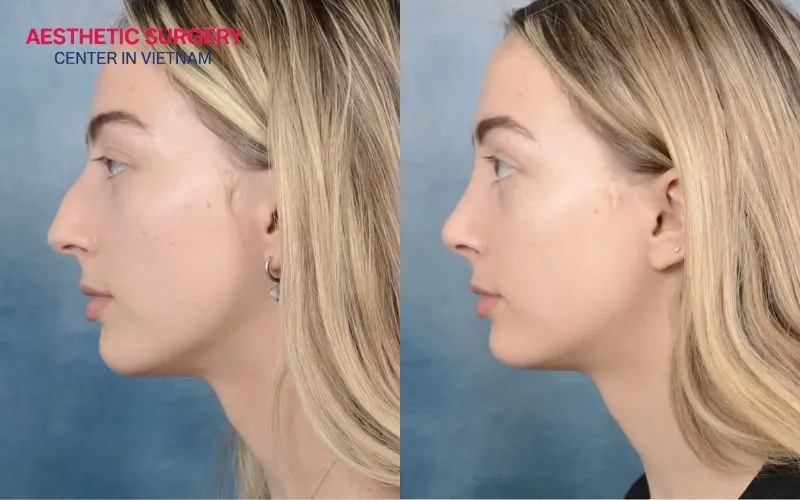
The 1-year milestone marks the completion of rhinoplasty scar maturation, meaning the collagen remodeling process beneath the skin has stabilized. The most noticeable sign is that open rhinoplasty scars have faded significantly, becoming thin, flat, and barely visible. The nose at this stage achieves full softness, natural appearance, and no longer feels tight or restrictive.
In summary, rhinoplasty scar is a natural biological response of the body and can be fully controlled. The process of scar fading and nasal refinement requires a close combination of precise surgical technique from the doctor and scientific post-operative care from you. By choosing a reputable aesthetic facility such as Aesthetic Surgery Center in Vietnam, along with a proper nutritional regimen, you can be completely reassured to achieve a refined new appearance without worrying about unaesthetic surgical traces. Book a consultation with our plastic surgery specialists today via hotline (+84) 916 189 447 to receive a personalized nasal design plan and an exclusive scar management protocol.















Comment on the post