


Rhinoplasty helps make the face look more refined and attractive. However, this method also carries many risks if performed incorrectly. Understanding rhinoplasty side effects is an important factor that helps you actively protect your health and prevent dangerous complications. Let’s explore the details in the following article to learn how to recognize and avoid risks when getting rhinoplasty.
What causes side effects after rhinoplasty?
In fact, rhinoplasty side effects often come from the 4 common causes below:
Doctor’s expertise and technique
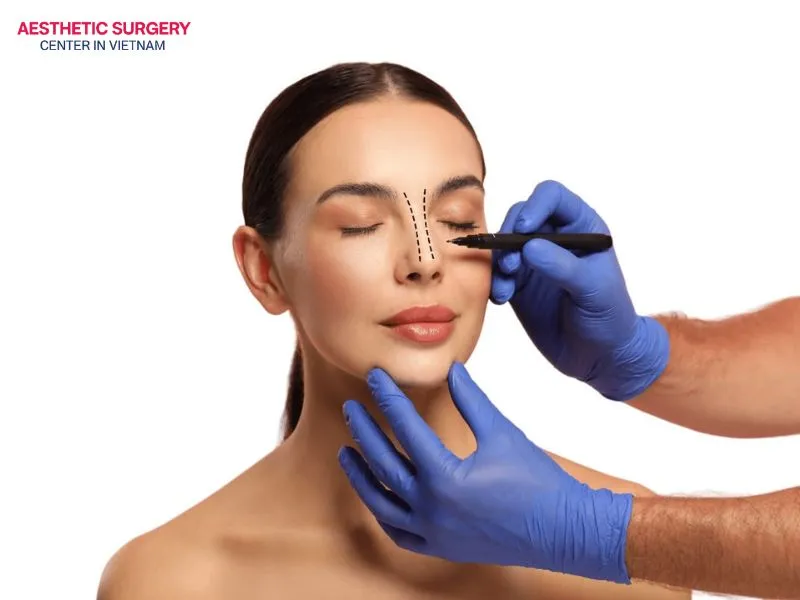
The surgeon’s professional expertise is an important factor that determines the success or failure of a cosmetic surgery. If the technician performing the surgery lacks a practicing certificate, uses inaccurate tissue dissection techniques, or places the cartilage in the wrong position, the risk of complications is very high. Deep invasion or overly strong manipulation can damage the nasal structure and cause prolonged swelling and bruising. It can also easily lead to serious problems such as a crooked nose rhinoplasty, visible implant edges, or nasal tip perforation due to cartilage pressure placed in the wrong layer.
Cartilage material used
Choosing the right cartilage material plays an important role in reducing rhinoplasty side effects. If low-quality artificial cartilage with an unknown origin is used, the body may trigger a rejection response, leading to allergies and serious infections. On the other hand, even when autologous cartilage is used, the cartilage can still shrink or become deformed if the surgeon lacks experience in sterile handling or fails to measure and shape it properly. This can affect the aesthetic outcome.
Physical condition and lifestyle
A person’s physical condition and lifestyle directly affect the healing process after rhinoplasty. Patients with sensitive skin, a tendency to develop allergies, or underlying conditions such as blood disorders or diabetes have a higher risk of infection. In addition, unhealthy habits such as smoking, drinking alcohol, or using stimulants before and after surgery can weaken the immune system, reduce blood circulation, and prolong the recovery of the nose.
Post-op care
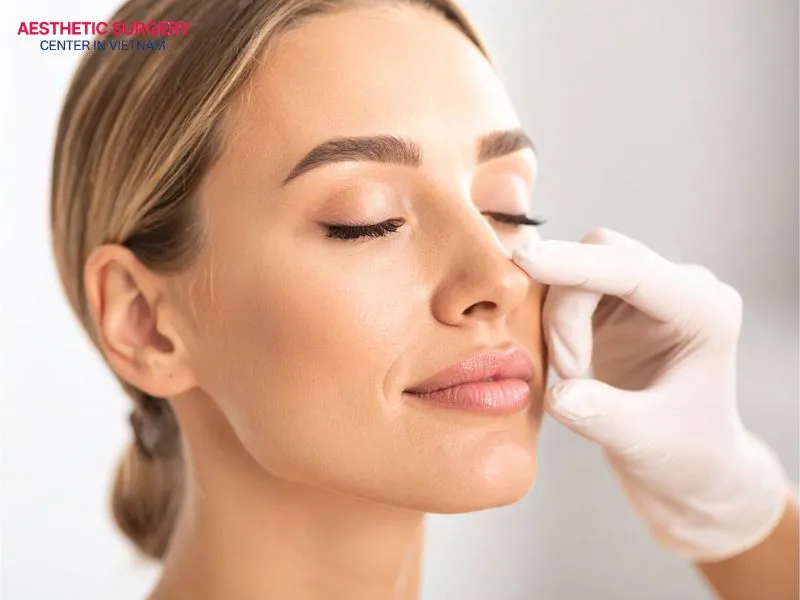
Post-operative care also plays an important role in achieving the desired aesthetic outcome. Improper wound cleaning or allowing water and dirt to come into contact with the incision during the first few days can create favorable conditions for bacteria to enter, leading to pus formation and infection.
In addition, failing to follow the surgeon’s instructions, such as wearing the nasal splint correctly, touching or scratching the nose, or engaging in strenuous activities and sports too early, can directly cause cartilage displacement. This may result in a crooked or deformed nose.
What are some risks of rhinoplasty?
Although rhinoplasty is a common cosmetic procedure, it still carries certain risks. Recognizing abnormal signs early after rhinoplasty can help you seek timely treatment.
Anesthesia risks
Rhinoplasty is usually performed under intravenous sedation combined with local anesthesia. The choice of anesthesia depends largely on the patient’s health condition, age, and the complexity of the nasal correction.
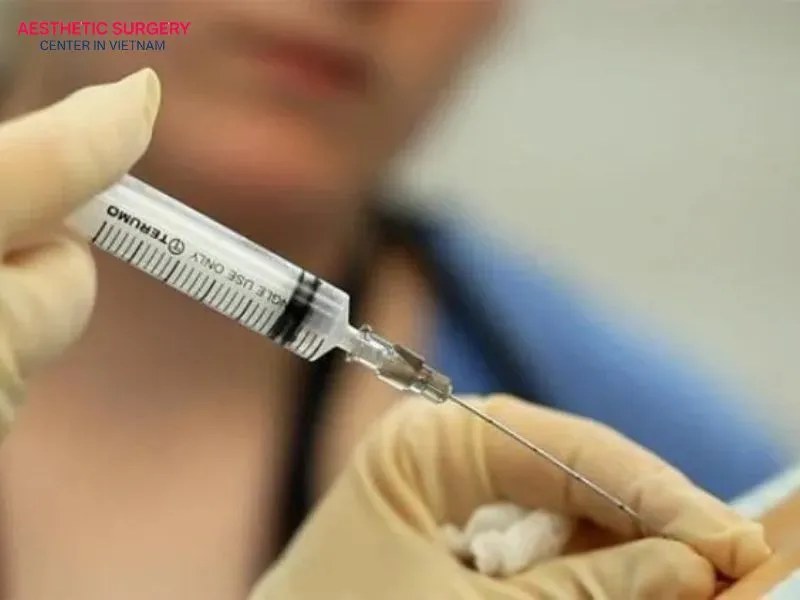
Intravenous sedation provides moderate sedation, allowing the patient to sleep lightly and remain free of pain throughout the procedure. With local anesthesia, the surgeon injects anesthetic directly into the nose and nearby areas, such as the ear if cartilage harvesting is needed. After the injection, you will not feel pain during the surgery, but you will remain awake and able to communicate with the surgeon.
However, this process may cause some rhinoplasty side effects related to anesthetic medications. In addition to mild symptoms such as drowsiness, dry mouth, or bruising at the injection site, more serious reactions can directly threaten your health. These include anaphylactic shock, severe respiratory distress, and vomiting. In clinical practice, adverse reactions are more often related to the patient’s overall health condition or unexpected surgical complications than to the anesthetic drugs themselves.
Facial bruising
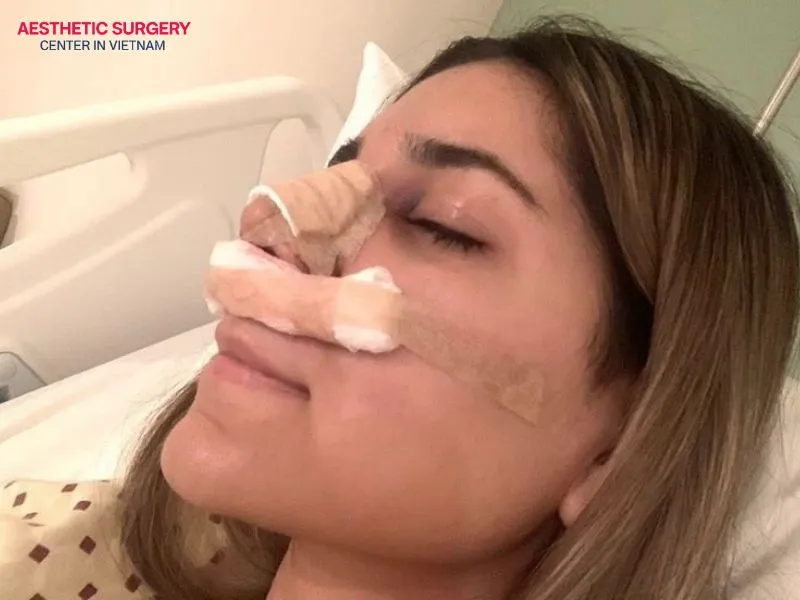
Bruising and rhinoplasty swelling after surgery are completely natural physiological responses. Bruising around the eyes and nearby areas usually occurs because small blood vessels are damaged during the procedure, causing blood to collect around the eye sockets.
Depending on each person’s healing response, the bruises may appear yellow, pink, dark purple, or even black. Although the bruising may look severe and temporarily affect facial appearance, it is a normal rhinoplasty side effect and is usually not a cause for concern. In most cases, the bruises gradually fade and disappear completely within one week after surgery.Patients with a stronger bruising tendency may need 2–3 weeks for their skin to return to normal.
To reduce rhinoplasty bruising and help it resolve more quickly, surgeons recommend applying cold compresses during the first 2–3 days after surgery. The low temperature constricts the small blood vessels in the face, helping reduce blood accumulation in the area and minimizing swelling.

Botched job
Although the success rate of rhinoplasty is very high, medical data shows that around 10% of patients are not completely satisfied with their results. Most of these cases only require minor adjustments or refinements to achieve the desired outcome.
However, if rhinoplasty is performed at an unreliable clinic by an inexperienced surgeon, it can result in a severely botched nose. In such cases, comprehensive revision rhinoplasty surgery may be required to reconstruct the nose and correct the damage.
In some cases, a botched rhinoplasty can directly threaten the patient’s health. The nasal bridge may collapse completely, a depression may develop above the nasal tip, or excessive tissue removal may cause the nasal tip to contract and turn upward.
Solution recovery for rhinoplasty side effects
If you notice any abnormal signs, the first step is to visit a qualified surgeon for an examination. The surgeon will identify the exact cause and recommend the most appropriate treatment plan.
- Crooked or misaligned nose: The surgeon will perform revision surgery, create a new pocket in the correct position, and reposition the nasal implant for better alignment.
- Visible implant, exposed nasal tip, or skin perforation: The old implant must first be removed so the nasal pocket can be cleaned thoroughly. Patients usually need to wait 6 months to 1 year for complete tissue healing before undergoing another rhinoplasty using a softer implant, combined with autologous cartilage or protective tissue grafts.
- Red, shiny nasal tip or visible implant edges: An effective solution is to replace the implant with a softer material. Ear cartilage or a biological tissue graft may also be added to increase soft tissue coverage over the nasal tip.
- Deformed nostrils or a deviated columella: The surgeon will use advanced reconstructive techniques and autologous cartilage to reshape and rebuild the columella and contracted nasal alae.
- Severely deformed or contracted nose: This is one of the most challenging cases because of severe soft tissue damage and scar formation. The surgeon may combine advanced techniques such as scar tissue release, soft tissue expansion, and autologous rib cartilage grafting to reconstruct the nose.
To proactively prevent rhinoplasty side effects and minimize the risk of a failed outcome, it is important to choose a reputable hospital or aesthetic clinic with modern medical equipment and highly skilled surgeons. In addition, you should strictly follow all post-operative care instructions, take medications as prescribed, and maintain the recommended diet.
How to prevent rhinoplasty side effects ?
Rhinoplasty requires careful planning and proper care. Instead of worrying about treating complications later, you can actively reduce the risk of rhinoplasty side effects and protect your health by following these key principles:
- Choose a rhinoplasty technique that suits your individual condition: Every person has a different nasal structure and skin type. Selecting the right technique under the guidance of an experienced specialist helps ensure a safer procedure, minimizes pressure on the skin, and provides better compatibility with your body.
- Use high-quality, genuine implant materials: With many cosmetic materials available on the market, choose premium implants such as Surgiform, Softxil, or biological tissue grafts with clear origins and certification from recognized medical organizations. This helps minimize the risk of allergic reactions and implant rejection.
- Choose a highly qualified surgeon: The surgeon’s skills and experience are among the most important factors in the success of rhinoplasty. Take time to review the surgeon’s credentials, medical license, and previous cases to ensure every step of the procedure is performed with precision.
- Choose a reputable aesthetic clinic that meets Ministry of Health standards: A trusted clinic provides a safe surgical environment with fully sterile operating rooms, advanced medical equipment, professional post-operative care, premium implant materials, and transparent pricing.
Choose a reputable clinic for rhinoplasty to avoid unwanted risks
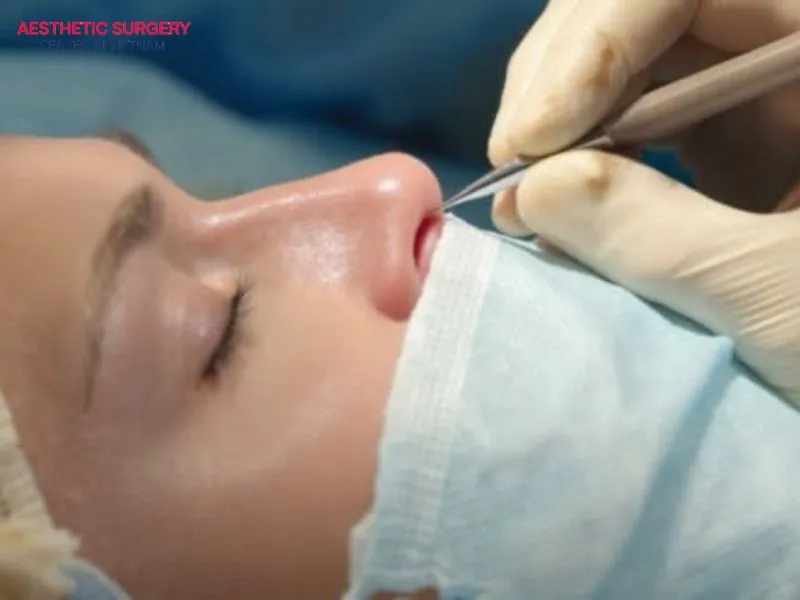
To avoid serious complications, choosing a reputable aesthetic clinic is the first and most important step when planning rhinoplasty. A safe clinic should meet strict medical standards, including official licensing from the Ministry of Health, a fully sterile surgical process, genuine implant materials with clear origins, and an experienced team of specialist surgeons who manage every stage from consultation to post-operative care.
If you are looking for a trusted place to achieve a natural-looking and safe rhinoplasty result in Vietnam, Aesthetic Surgery Center in Vietnam is an excellent choice. The clinic follows strict medical standards, allowing you to undergo rhinoplasty with confidence and without unnecessary concerns about rhinoplasty side effects.

In summary, understanding rhinoplasty side effects is an essential step before undergoing rhinoplasty. Knowing the causes, recognizing common risks, and understanding how to manage and prevent complications will help you stay prepared in every situation. Make smart decisions by following proper post-operative care and choosing a reputable aesthetic clinic to achieve a natural-looking, safe, and long-lasting rhinoplasty result.














Comment on the post