



A botched facelift is a nightmare no one wants to experience. If your face suddenly looks frozen, develops raised scars, or your earlobes appear attached to your cheeks after surgery, you may be dealing with a complication. What causes a botched facelift? What are the early warning signs? And is there a safe solution to restore your appearance? Find the answers below.
What causes a botched facelift?
A botched facelift can result in visible facial deformities or long-term health complications. This condition is very different from temporary swelling, bruising, or tightness that commonly occurs during the recovery period.
Some of the main causes of a botched facelift include:
- Poor surgical skills: An inexperienced surgeon or one who uses incorrect techniques is more likely to cause complications. In contrast, a skilled surgeon can accurately lift and reposition facial tissues while minimizing damage.
- Excessive skin removal: When the surgeon focuses only on tightening the skin and ignores the deeper facial structures, removing too much excess skin can leave the face looking unnatural, tight, or asymmetrical.
- Failure to address the SMAS layer: If a facelift is performed only on the surface without treating the SMAS layer and the facial support ligaments, the skin may sag again much sooner.
- Incorrect incision placement: Poorly planned incisions can leave noticeable scars, distort the natural hairline, or alter the shape of the ears.
- Outdated facelift techniques: Traditional facelift methods often rely on excessive skin pulling, which can distort natural facial contours and increase the risk of long-term complications.
- Individual anatomical factors: Very thin skin, a history of multiple facial surgeries, a tendency to develop keloid scars, or underlying medical conditions can also affect the final aesthetic outcome.
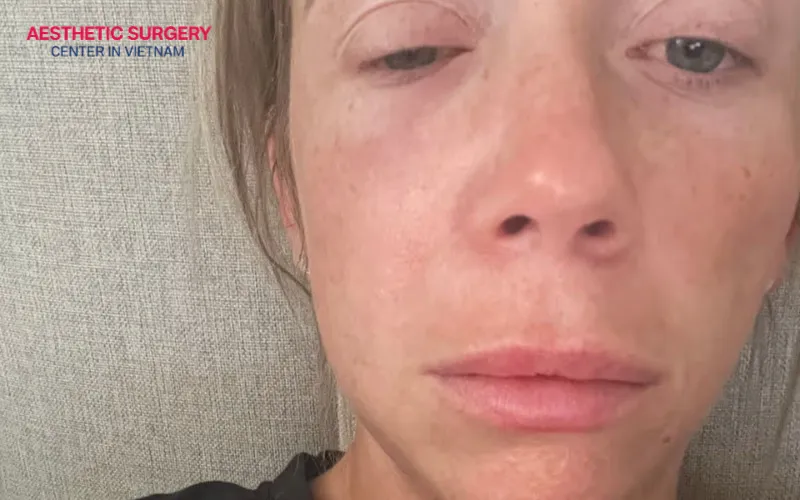
Known signs botched facelift lifts
Mild swelling and bruising during the first few weeks after a facelift are normal. However, if you experience the following symptoms, you should seek evaluation from a qualified surgeon as soon as possible.
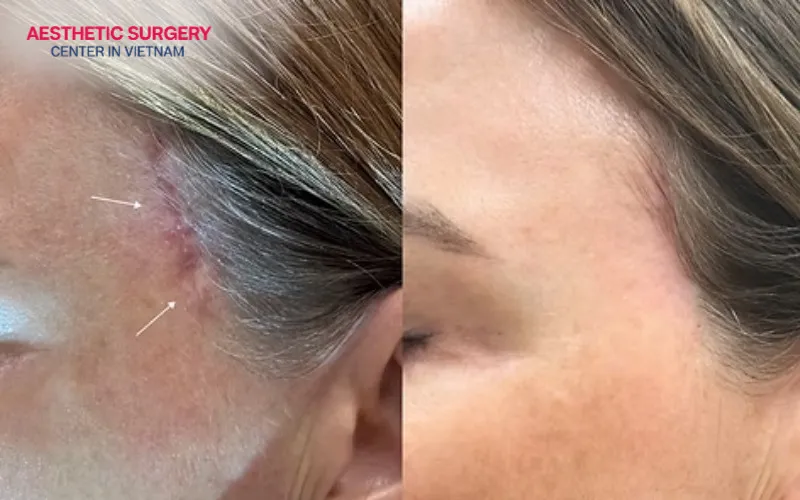
Visible scars and hairline shifts
A key principle of facelift surgery is to lift and secure the facial tissues at the SMAS layer, creating a strong foundation to support loose and sagging skin. When a surgeon relies on excessive skin tension instead of properly repositioning the deeper structures, the weight of the face is placed directly on the incision line. This tension can pull the scar out from its hidden position behind the ear and lead to large, raised, and highly visible scars.
In addition, poorly placed incisions can disrupt the natural hairline, resulting in:
- An unusually large forehead and temple area caused by excessive backward tension on the scalp.
- A step-like deformity behind the neck when the skin edges behind the ears are not aligned properly, creating an interrupted hairline.
- Incisions behind the ears that become red, swollen, or thickened due to excessive tension on the wound.
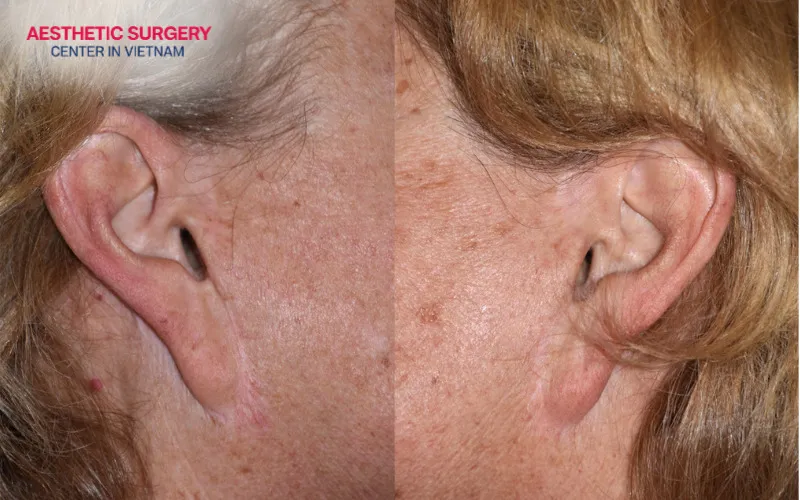
Pixie ears and sideburn loss
These are two classic aesthetic complications of a botched facelift caused by improper incision placement and incorrect distribution of tension during surgery:
- Pixie ear deformity: The skin around the earlobe is not designed to withstand excessive tension. When the incision is closed too tightly, the earlobe may be pulled downward and become attached to the cheek, losing its natural rounded contour.
- Sideburn hair loss: Poor scar-concealment techniques around the temple area can push the sideburns too high or eliminate them entirely. This may leave a bald patch above the upper ear and create an unnatural-looking hairline.
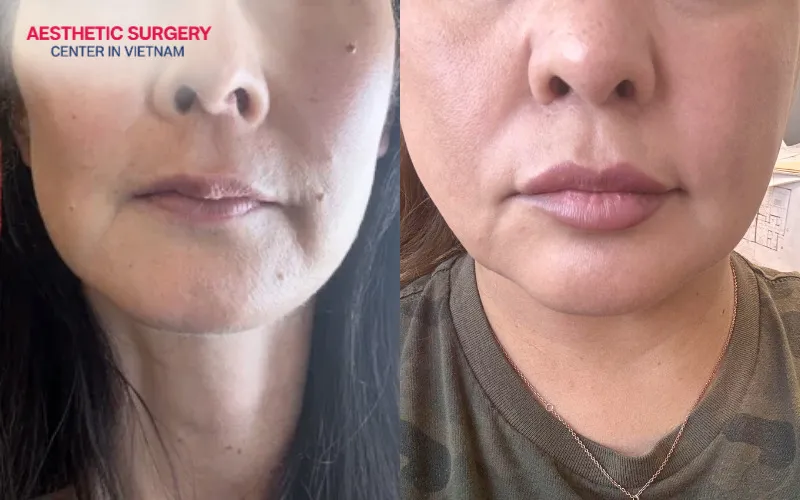
Asymmetry and persistent Pain
The upper face is typically lifted in an upward and diagonal direction toward the top of the ear, while the neck is tightened horizontally to enhance the jawline. When these lifting vectors are applied incorrectly, excessive tension is placed on the skin, causing the face to appear asymmetrical, uneven, or unnaturally tight.
More serious complications can occur when the facial nerves are damaged, particularly the facial nerve (cranial nerve VII), which lies beneath the deeper facial structures. Aggressive dissection can compress, stretch, or sever these nerves, disrupting normal nerve signals. As a result, patients may lose the ability to express emotions naturally. Common signs include a crooked smile, difficulty raising the eyebrows, and limited movement of the lower lip.
Recovery depends on the extent of nerve injury. If the nerve is only temporarily stretched (neuropraxia), facial movement may gradually return over time. However, if the nerve is completely severed, patients may experience chronic pain and face a risk of permanent facial paralysis without timely microsurgical repair.
Solutions fixing botched facelift
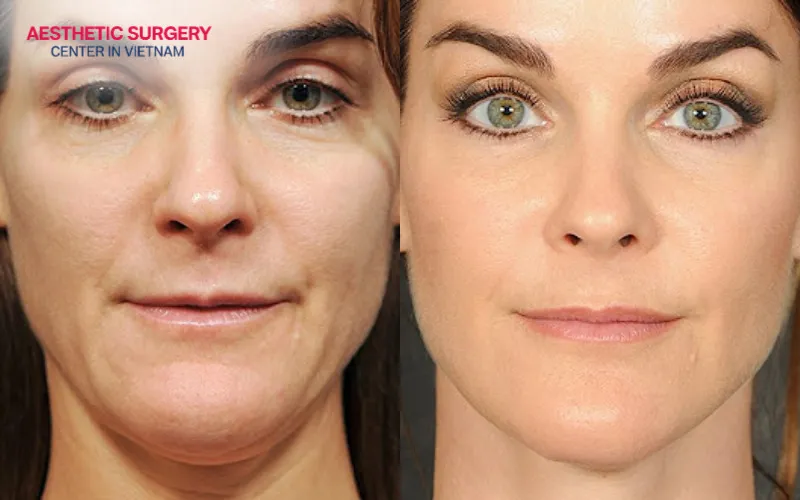
Experiencing a botched facelift and its visible complications can be emotionally distressing. However, revision facelift surgery can often address these issues and restore a more natural appearance. It is important to understand that revision procedures are highly complex because the facial tissues may already be facelift scar, adhered, and structurally altered.
Depending on the individual case, treatment options may include:
- Scar revision and hairline restoration: The surgeon may remove scar tissue caused by excessive skin tension during the previous procedure. New incisions are carefully planned and repositioned to minimize tension and conceal scars within natural creases. In cases of sideburn or hairline loss, hair follicle transplantation may be performed to restore a more natural hairline appearance.
- Deep tissue repositioning and pixie ear correction: Surgeons may use the deep plane facelift technique to reposition the deeper facial structures and relieve tension on the skin surrounding the earlobe. The direction of tissue lifting is corrected, and the earlobe is reshaped to restore its natural contour. Facial tissues that were previously pulled or displaced can also be repositioned to improve symmetry and create a more balanced appearance.
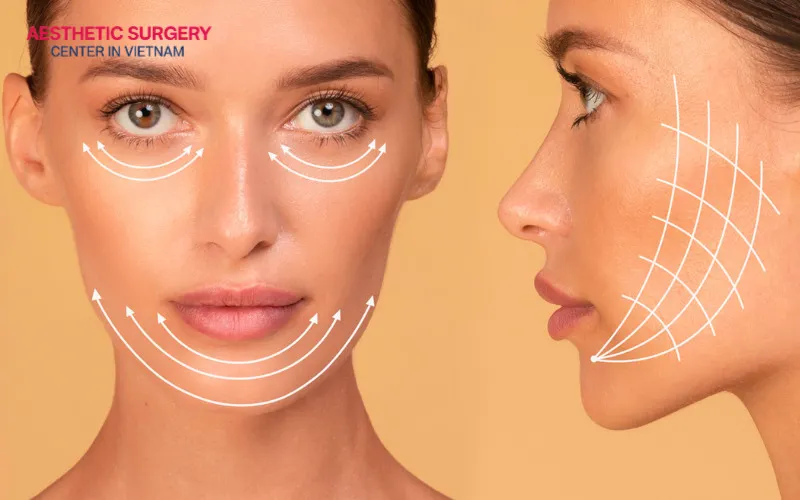
- Nerve repair: Surgeons can release and repair facial nerves that have been compressed due to incorrect tissue dissection. In rare cases involving a severed facial nerve (cranial nerve VII), nerve grafting or microsurgical nerve repair may be performed to help restore facial muscle movement.
- Restoring lost facial volume: Autologous fat grafting or dermal filler injections can be used to fill hollow areas beneath the skin. These treatments help restore facial fullness, improve contour irregularities, and create a softer, more natural appearance.
- Skin surface rejuvenation: For swollen, red, or thickened scars behind the ears, treatment may include additional aesthetic procedures such as corticosteroid injections, laser therapy, chemical peels, microneedling, or radiofrequency microneedling. These methods can help flatten scars and improve skin tone and texture.
- Comprehensive revision facelift surgery: When a previous procedure has resulted in multiple complications, a full revision facelift may be necessary. This complex surgery requires extensive dissection and reconstruction of the SMAS layer and surrounding facial support structures to restore a more natural and balanced appearance.
How much does a botched facelift revision cost?
The cost of botched facelift revision surgery typically ranges from 125,000,000 VND to 210,000,000 VND. This price can vary depending on the clinic’s location, the complexity of the corrective procedures, and most importantly, the surgeon’s expertise and experience. For revision cases, choosing a highly qualified surgeon is often far more important than comparing prices or considering travel distance.
In addition to the surgeon’s fee, the total cost may include:
- Anesthesia or sedation fees
- Operating room and hospital facility charges
- Preoperative laboratory tests and medical evaluations
- Medications and postoperative care services
- Compression garments and facial support wraps
- Recovery and home-care supplies
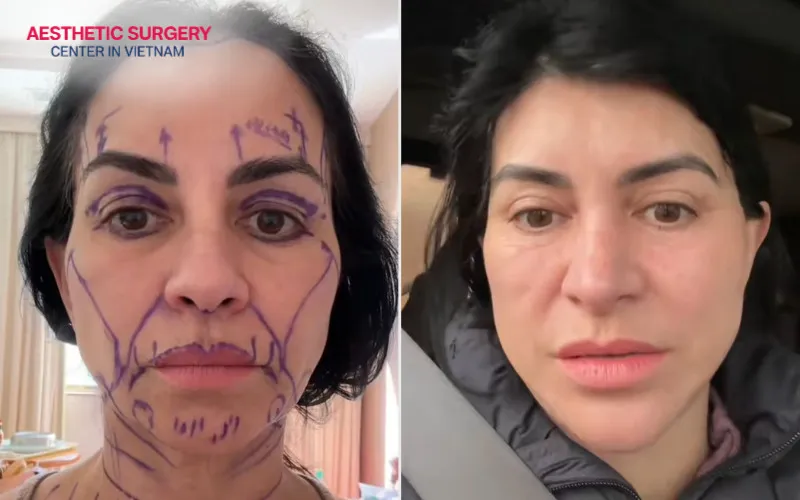
How long does recovery take after botched facelift revision surgery?
Because revision surgery involves operating on scar tissue and facial structures that have already been altered by a previous procedure, recovery generally takes longer than a primary facelift. The healing process typically progresses through three stages:
- First 10–14 days: Swelling, bruising, and tightness are usually most noticeable during this period. Patients should prioritize rest, apply cold compresses as directed, keep the head elevated while sleeping, and avoid bending over or lifting heavy objects.
- Weeks 2–6: Most bruising gradually fades. However, mild swelling, numbness, or tingling around previous scar areas may still occur. During this stage, many patients can return to light work activities and resume gentle exercise.
- 6 months to 1 year: This is when deeper tissues continue to heal and scars may fade by up to 90%. The soft tissues gradually settle into their new position, allowing the face to regain a smoother, more natural, and stable appearance.
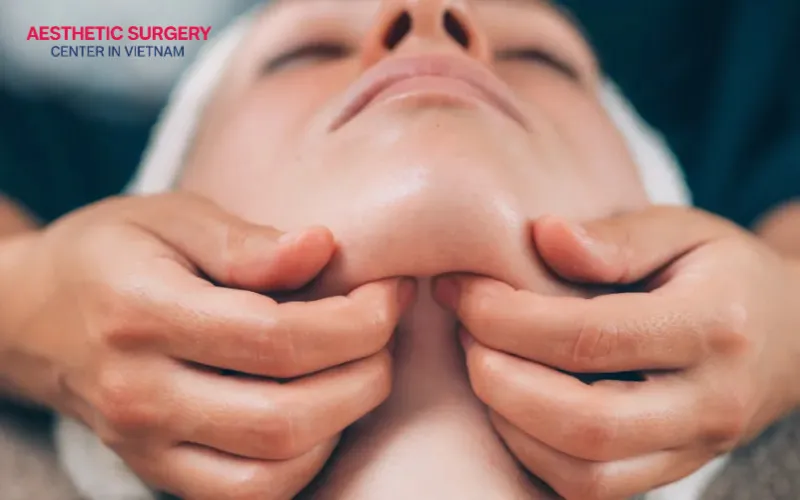
Throughout facelift recovery, follow-up visits are often more frequent than after an initial facelift. Surgeons may also recommend supportive treatments such as lymphatic drainage massage to help reduce swelling and improve scar appearance.
How to avoid a bad facelift in the first place?
To reduce the risk of a botched facelift, it is important to do more than simply schedule your surgery date. Taking the time to evaluate your surgeon, understand the facelift procedure, and prepare for recovery can help protect you from avoidable complications. Use the following checklist before making your decision:
- Verify the surgeon’s credentials and experience: Choose a surgeon who holds a valid medical license and has extensive experience performing facelift procedures. Ask to review before-and-after photos of patients with similar concerns.
- Ask detailed questions about the surgical technique: Make sure you understand where the incisions will be placed, how the facial tissues will be repositioned, and what measures will be taken to minimize risks and complications.
- Discuss your goals and concerns openly: Share your expectations and any worries during the consultation. Be cautious of clinics that promise perfect results or make unrealistic guarantees.
- Understand the treatment plan thoroughly: Confirm all aspects of the procedure, including the surgical approach, the type of anesthesia that will be used, and the postoperative follow-up schedule.
- Prepare for recovery in advance: Plan sufficient time for healing, follow all medication instructions carefully, and arrange for someone to assist you during the first few days after surgery.
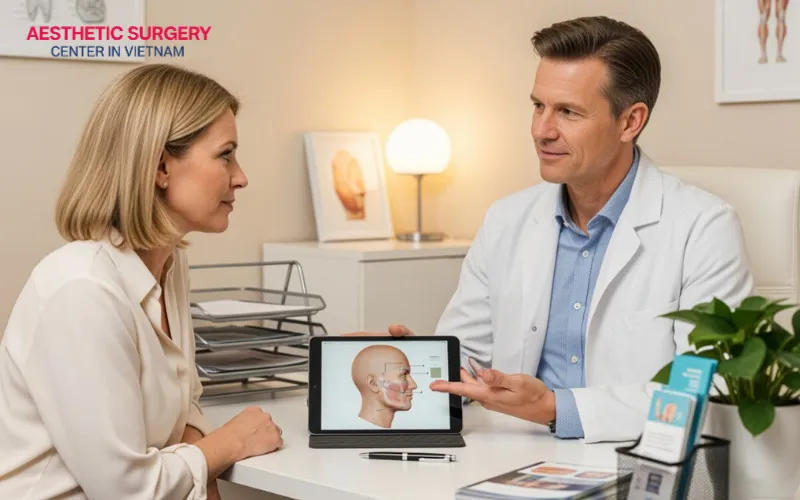
Finally, if anything seems unclear or you feel pressured to make a quick decision, take more time to evaluate your options and consider consulting a different clinic that better meets your expectations and needs.
In summary, a botched facelift is often the result of poor surgical technique, which can lead to complications such as visible scarring, ear deformities, and facial asymmetry. Correcting these issues is typically complex and requires advanced revision procedures performed by a highly skilled surgeon. For this reason, it is essential to carefully verify a surgeon’s qualifications, review their experience, and avoid clinics that make unrealistic promises. Taking these precautions can help protect your safety and improve the likelihood of achieving a successful aesthetic outcome.


















Comment on the post